Ukraine Russia strikes October 2026
Ukraine strikes Belgorod todayBelgorod drone attack casualtiesKaluga drone attack injuredZaporizhzhia strike todayIvano-Frankivsk strikeBucha warehouse attackUkraine Russia aerial war escalationKlitschko survival warning KyivZelenskyy Starlink requestRubio stalemate Ukraine
The Ukraine Russia strikes October 2026 broke the war's usual rhythm on Friday. For most of this conflict the aerial campaign has moved in alternating waves: Russia pounds Ukrainian cities for days, then Ukraine answers with drones against Russian refineries and border towns. On October 9, both happened in the same news cycle. Ukrainian strikes on Russia's Belgorod region killed two people and wounded up to twelve, including children, regional officials said via the state news agency TASS. A separate Ukrainian drone attack on the Kaluga region injured nine. And Russian strikes on Ukraine killed one man and wounded five in the Zaporizhzhia region — residential areas hit, a child among the injured — killed another man in Ivano-Frankivsk in the country's west, and struck warehouse facilities in Bucha district outside Kyiv, wounding three, with rescuers searching for a woman feared trapped under rubble, Ukraine's interior ministry said.
A note on sourcing, stated plainly before anything else: the Belgorod and Kaluga casualty figures come from Russian regional officials via TASS. Reuters, which carried the report, said it could not independently verify the claims — including separate Belgorod reports from the day before. The Ukrainian-side figures come from Ukrainian regional military administrations and the interior ministry. In a war where both capitals manage information the way they manage ammunition, these are reported claims, not settled facts. This article treats them that way throughout, and so should you.
Why this matters
Strip away the competing casualty claims and Friday's real significance is structural: the war has gone openly two-way in a single day. The front line in the east barely moves from week to week — a grinding, attritional deadlock that America's top diplomat just named as such in Lisbon. But above it, the aerial war has become the war's center of gravity, and it no longer belongs to one side at a time.
That symmetry is the story. Ukraine can now reach hundreds of kilometers into Russia — Kaluga sits deep in Russia's interior, far from the border — on the same day Russia demonstrates it can still strike anywhere in Ukraine, from Zaporizhzhia in the southeast to Ivano-Frankivsk in the far west. Neither side's air defenses are stopping the exchange. Both sides are hitting civilian-adjacent targets, and the logic is the same on both sides: strain morale, degrade infrastructure, and accumulate leverage for the negotiations neither side will admit are coming.
How we got here: the week's bloodiest stretch
Friday did not arrive out of nowhere. It landed at the end of the bloodiest stretch Ukraine has seen in months. On Thursday, President Volodymyr Zelenskyy stood in Pryluky — where a Russian strike on a residential building killed 22 people, during a visit also marked by new British sanctions on Russia — and said 78 Ukrainians had been killed and 215 wounded in just two days of Russian strikes. The Associated Press put the toll at more than 50 killed by Russian strikes across Ukraine over the previous three days. A day earlier, a Russian bomb tore through minibuses at a bus stop in Kramatorsk, killing a reported 33 people in the deadliest single attack on Ukrainian civilians this year.
Ukraine has spent the autumn answering in kind, and expanding the answer. Its long-range campaign against Russian energy infrastructure — refineries in Krasnodar, Syzran and Samara, and this week the giant Omsk refinery, the largest in Russia — has become something close to doctrine: if Russia will not stop striking Ukrainian cities, Ukraine will make Russia's war economy pay in fuel and revenue. A separate Ukrainian drone campaign has reached deeper still, including a strike on a Yandex data center in Sasovo. Each rung invites the next, and Friday's exchange is what the ladder looks like from the inside.
Meanwhile the diplomatic weather is deteriorating. Secretary of State Marco Rubio's description of the war as a "dangerous stalemate," delivered in Lisbon, drew a sharp rejection from Zelenskyy — who accused Washington of inaction and urged the United States to open Starlink access so Ukraine can target the Russian ballistic-missile launchers behind the week's bombardment. The Kremlin dismissed the stalemate framing while pressing its own infrastructure campaign. And in Kyiv, the mood is darkening past rhetoric: Mayor Vitali Klitschko told AFP the capital is entering "survival" mode, suggested residents with somewhere to go consider temporarily relocating, and warned that disruption to water infrastructure could trigger a "quite large-scale" crisis.

The numbers, and what they don't tell us
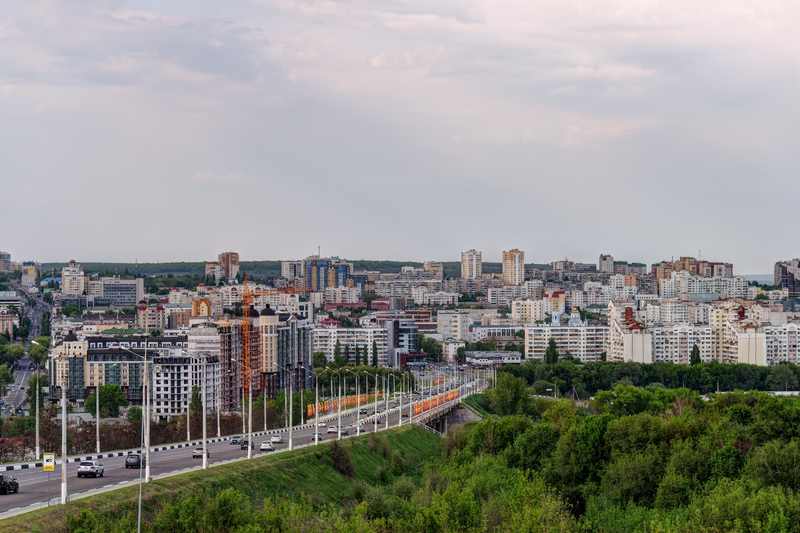
Consider the week's casualty arithmetic as a case study in wartime numbers. Belgorod, a Russian border region now struck with grim regularity, was hit on back-to-back days: two killed on Thursday, per a Reuters report that also could not be verified, and two killed with up to twelve wounded on Friday, per TASS. The tempo is the fact; the precise tolls are claims. Kaluga's appearance in the casualty lists matters less for its nine injured than for its geography — a strike that deep is a statement about Ukrainian reach, whatever the damage.
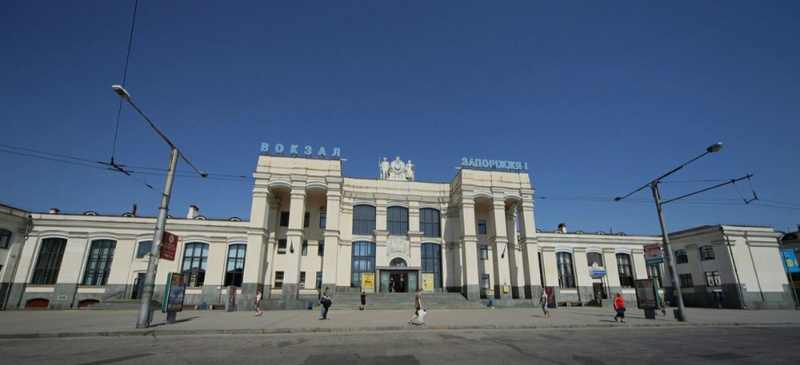
On the Ukrainian side, the tolls are more granular but no more final: one killed and five wounded in Zaporizhzhia, one killed in Ivano-Frankivsk, three wounded in Bucha with a woman possibly still under rubble. These are first-hour figures from officials with every incentive to count carefully and every obstacle to counting completely. Honest reporting holds them lightly — and holds the Russian-side figures, sourced to a single state-media report citing local officials, lighter still. What is verified: strikes hit both sides of the border on Friday; civilians died in Zaporizhzhia and, by Russia's account, in Belgorod; both capitals claim the other struck first and hardest. Everything else is fog, and the fog is part of the story.
Who gains, who loses
Ukraine gains a demonstrated, repeatable reach — Belgorod and Kaluga are hundreds of kilometers apart, and hitting both in one cycle signals a strike complex Russia has not managed to suppress. The price is invitation: every cross-border strike is cited in Moscow as justification for the next wave against Ukrainian cities, and the week's bombardment suggests Moscow needs little inviting.
Russia gains continued pressure on Ukrainian morale and infrastructure at the exact moment Kyiv's mayor is warning of a survival winter — but each confirmed Ukrainian hit on Russian soil frays the Kremlin's most important domestic narrative, that the war happens somewhere else. The certain losers are civilians on both sides of the border, whose deaths become line items in competing official statements: Belgorod residents living under near-daily drone threat, Zaporizhzhia families in residential districts, a woman under rubble in Bucha. An earlier Zaporizhzhia exchange this same week showed the identical pattern.
And hovering over it all is the unresolved argument about the deep-strike campaign itself. Kyiv's supporters call it Ukraine's only real leverage — the one instrument that imposes costs inside Russia. Critics call it an escalation ladder with no top rung, trading Russian refinery fires for Ukrainian apartment blocks. Friday settled nothing in that debate. It illustrated it.
What happens next
Three things to watch. First, whether the Belgorod claims ever get a second source, and whether the Zaporizhzhia and Bucha tolls converge as officials update their counts — the gap between first reports and settled facts is where propaganda lives. Second, the diplomats: Ukrainian negotiators are expected in the United States across Friday and Saturday, and the week's bombardment has sharpened every Ukrainian ask around air defense and long-range targeting. Overnight raids are negotiating tactics written in explosives, and both sides know it.
Third, winter. Russia's systematic campaign against Ukrainian energy infrastructure has historically intensified as temperatures drop; Klitschko's "survival" warning is best read as the capital's government bracing for exactly that. Ukraine's refinery campaign is designed to make that choice expensive. Whether the two-way pattern of October 9 intensifies or burns itself out will be decided less by Friday's casualties than by what both capitals conclude the exchange bought them. The October 9 strikes are unlikely to be remembered as a turning point. They are more likely to be remembered as a preview.
Sources
Early casualty figures remain attributed claims and may change as local authorities reconcile reports. The links below are the reporting used for this analysis.
- Reuters, October 9, 2026, "Ukraine strike kills two in Russia's Belgorod, TASS says"
- Reuters, October 9, 2026, "Russian air strike kills one, injures two in Ukraine's Zaporizhzhia, official says"
- PA via Newsquest, October 9, 2026, "Russian strikes kill two in Ukraine as Kyiv struggles to counter attacks"
- AAP, October 9, 2026, "Zelenskiy accuses US of inaction amid Russian strikes"
- AFP via Peninsula Times, October 2026, "Kyiv entering 'survival mode' amid Russian strikes surge, mayor tells AFP"