Zaporizhzhia strike October 2026
Russia strikes ZaporizhzhiaBelgorod drone strikeKaluga drone attackUkraine Russia overnight strikesZaporizhzhia casualties October 2026Ivan Fedorov ZaporizhzhiaSuspilne Zaporizhzhia attackUkraine war October 2026Russian air strike ZaporizhzhiaUkraine strikes Russian border regions
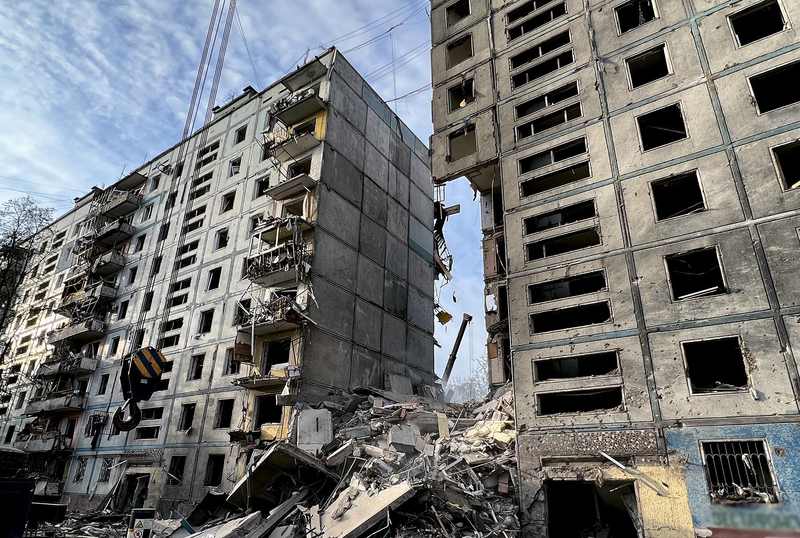
The Zaporizhzhia strike October 2026 began in the dark, as these nights now always do. Shortly after midnight on Friday, October 9, Russian munitions struck the southeastern Ukrainian city of Zaporizhzhia, killing at least one civilian and wounding several more, Ukrainian officials said. Hours earlier, Ukrainian drones and missiles hit Russia's Belgorod and Kaluga regions, Russian state media reported, killing two people and injuring more than a dozen — claims Reuters said it could not independently verify. By the cold arithmetic of this war, it was an ordinary night. That is precisely why it deserves a closer look.
What happened overnight
On the night of October 8–9, both sides reported strikes across the border. In Zaporizhzhia, regional defense official Ivan Fedorov wrote on Telegram that Russian bombs killed one person and injured seven, including a child. Acting Governor Mykhailo Semikin, also on Telegram, put the toll from a Russian air strike at one killed and two injured, Reuters reported on October 9. Ukraine's public broadcaster Suspilne reported two killed and five injured, including a child, in attacks that hit a residential building and set several cars ablaze; explosions were also reported in Kharkiv and Sumy, with air-raid sirens sounding in Kyiv and Odesa. The figures differ — a reminder that casualty counts in the first hours of a strike are claims, not settled facts.
In Russia, state news agency TASS, citing local officials, said a Ukrainian strike killed two people and injured four, including a child, in the border region of Belgorod, and that a drone attack on the central region of Kaluga injured nine. Reuters, which carried the TASS report, said it could not independently verify the claims.
Why this matters
Strip away the competing press releases and the night's real significance comes into focus: the war's center of gravity has moved into the sky above both countries. Ukraine's long-range campaign against Russian refineries and border regions — which President Volodymyr Zelenskyy has framed as justified responses to Russian attacks — now draws a nightly Russian answer against Ukrainian cities. Neither side's air defenses are stopping the exchange; both sides' civilians are paying for it.
The timing matters too. The strikes landed at the end of the week's bloodiest 48 hours — 22 reported killed in a residential building in Pryluky, more than 30 reported killed at a bus stop in Kramatorsk — and on the eve of Friday's Miami talks, where U.S. envoy Steve Witkoff, Secretary of State Marco Rubio and Jared Kushner are pushing a peace plan. Nights like this do not change the front line. They change the leverage each side carries into the room.
How we got here: a week of escalation
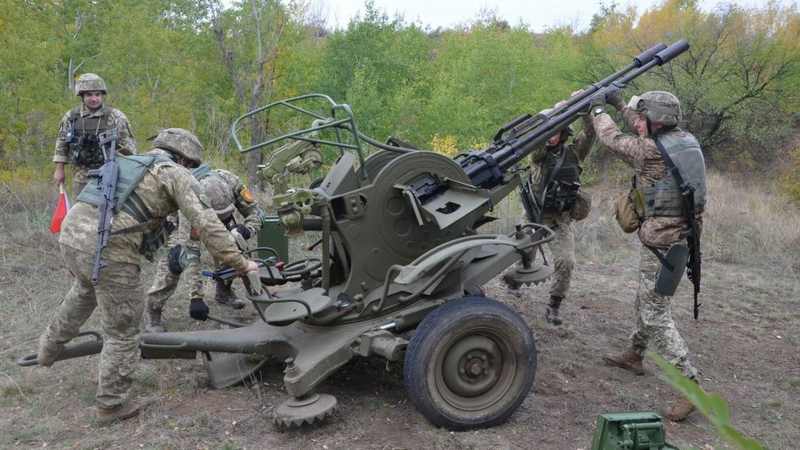
The ladder is short and steep. On October 7, a mass Russian drone and missile assault killed dozens across Ukraine, 22 of them in a residential building in the central town of Pryluky. On October 8, a Russian bomb tore through two minibuses in Kramatorsk, killing more than 30 — the strike that prompted Zelenskyy's vow on X that “this strike will not go unanswered,” alongside a rare public accusation that Washington is unwilling to help Ukraine. Zelenskyy said 78 people were killed and 215 wounded by strikes in the last two days across Ukraine.
Ukraine, meanwhile, has spent weeks striking Russian energy infrastructure — refineries in Krasnodar, Syzran and Samara — under what officials describe as a new doctrine of retaliation. Each rung invites the next. Thursday night's exchange is what the ladder looks like from the inside.
The numbers, and what they don't tell us
Consider the Zaporizhzhia toll as a case study in wartime arithmetic: one Ukrainian official says one killed and seven injured; the acting governor says one killed and two injured; the public broadcaster says two killed and five injured. These are not necessarily contradictions — they may describe different strikes, different hours, different counting methods — but they are not a settled fact either. Honest reporting holds them all lightly.
The Belgorod and Kaluga figures deserve even more caution: a single state-media report citing local officials, with no independent corroboration. What is verified: strikes hit both sides of the border overnight; civilians died in Zaporizhzhia; both capitals claim the other struck first and hardest. Everything else is fog, and the fog is part of the story.
Who gains, who loses
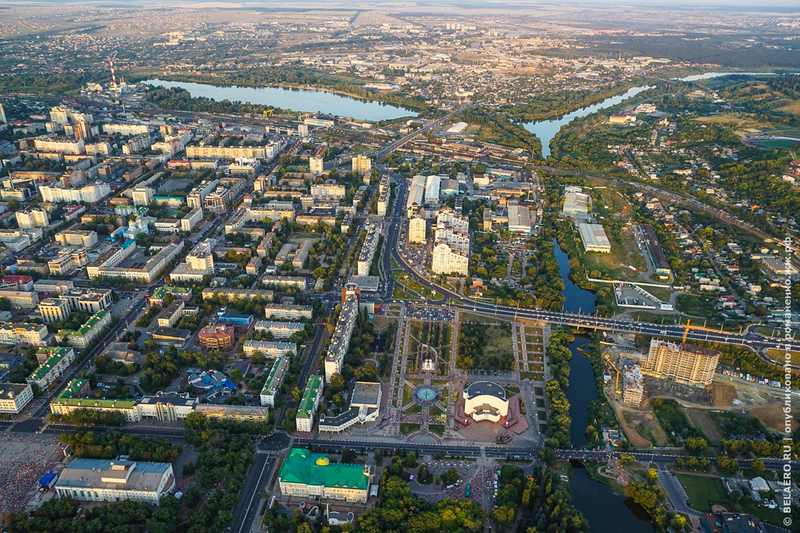
Ukraine gains a demonstrated reach — Belgorod and Kaluga are hundreds of kilometers apart, and hitting both in one night signals a strike complex Russia has not managed to suppress. The cost is invitation: every cross-border strike is cited in Moscow as justification for the next wave against Ukrainian cities.
Russia gains continued pressure on Ukrainian morale and infrastructure, but each confirmed Ukrainian hit on Russian soil frays the Kremlin's most important domestic narrative — that the war happens somewhere else. The certain losers are civilians on both sides of the border, whose deaths become line items in competing Telegram posts. And hovering over it all is the unresolved argument: Kyiv's supporters call deep strikes Ukraine's only real leverage; critics call them an escalation ladder with no top rung.
What happens next
Three things to watch. First, whether the Zaporizhzhia toll converges as officials update their counts — and whether the Belgorod claims ever get a second source. Second, Friday's Miami talks: Witkoff has described “productive” calls with European national security advisers, and four countries — including India, whose proposal Kyiv called the broadest — have floated plans centered on an energy and Black Sea ceasefire. Overnight raids are negotiating tactics written in explosives.
Third, winter: Russia's systematic campaign against Ukrainian energy infrastructure historically intensifies as temperatures drop, and Ukraine's refinery campaign is designed to make that choice expensive. The exchange of October 8–9 is unlikely to be remembered as a turning point. It is more likely to be remembered as a preview.
Sources
Early casualty figures remain attributed claims and may change as local authorities reconcile reports. The links below are the reporting used for this analysis.
- Reuters, October 9, 2026, “Russian air strike kills one, injures two in Ukraine's Zaporizhzhia, official says”
- Reuters, October 9, 2026, “Ukraine strike kills two in Russia's Belgorod, TASS says”
- Suspilne via Sweden Herald, October 9, 2026, “Russian Attacks Kill Two, Injure Five in Zaporizhzhia”
- AAP, October 9, 2026, “Zelenskiy accuses US of inaction amid Russian strikes”