Ukraine strikes Omsk refinery
Ukraine strikes Omsk refineryOmsk refinery drone attackRussia largest oil refinery hitUkraine drone strikes Russian refineriesGazpromneft Omsk refineryRussian refinery fuel shortagesUkraine long-range drone strike SiberiaRussia oil refinery campaign
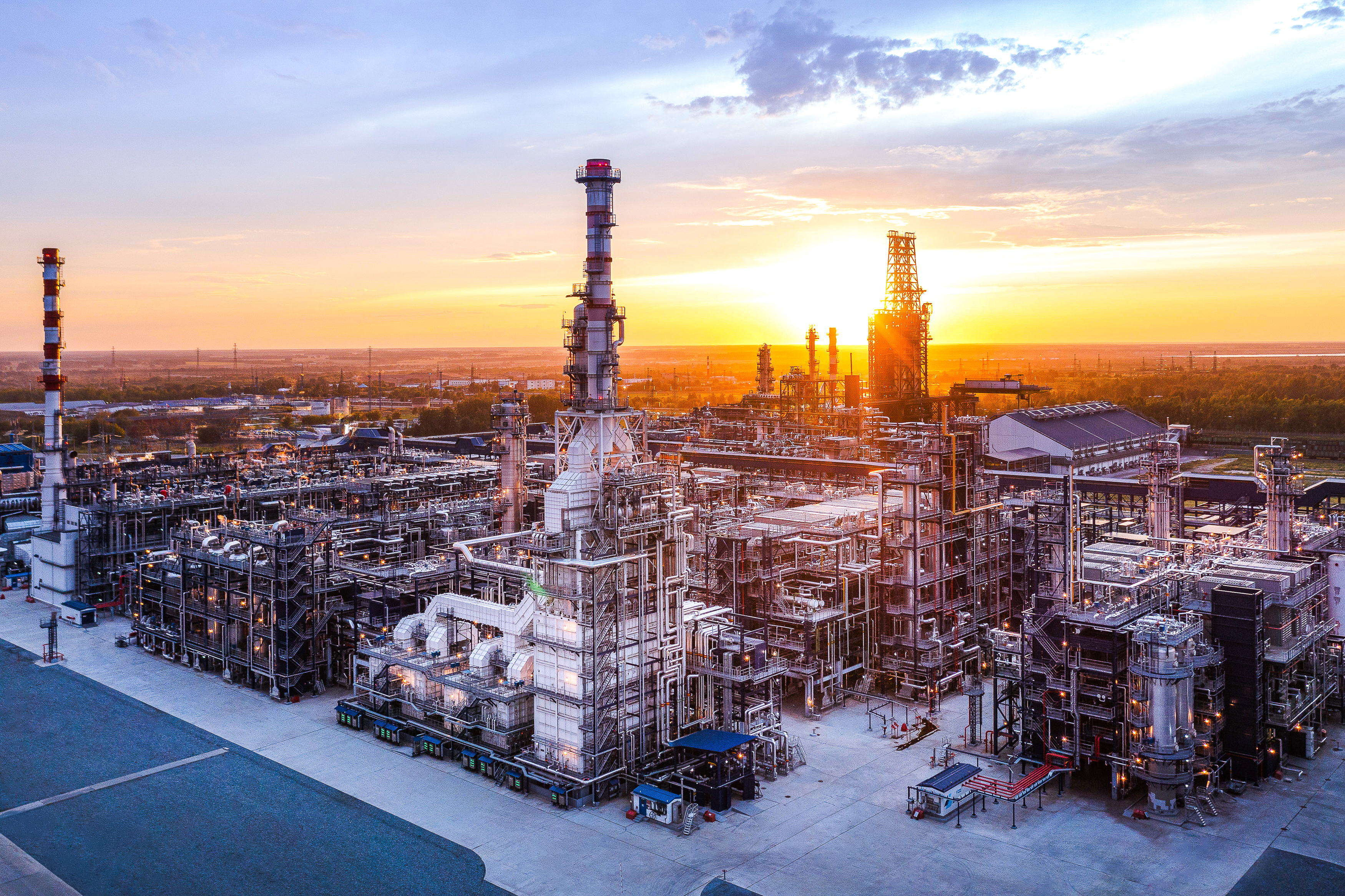
KYIV/OMSK — Ukraine strikes Omsk refinery — that is Kyiv's claim on Thursday, and if confirmed it would rank among the longest-range strikes of the entire war. Ukraine's General Staff said it had hit Russia's largest oil refinery in Omsk, some 2,500 kilometers (1,550 miles) from Ukraine, deep in Siberia, describing the plant as a supplier of fuel to the Russian army. The statement gave no details on the damage. Omsk region governor Vitaly Khotsenko said an industrial zone in the region was hit by a drone, without elaborating — a formulation that neither confirms nor denies the refinery claim, and which deserves to be read as carefully as the claim itself.
What Ukraine claims — and what is confirmed
Two facts are established; everything else is claim and counter-claim. First, Ukraine's General Staff says its forces hit the Gazpromneft-operated Omsk refinery and that the facility supplies fuel to the Russian military. Second, the regional governor says a drone struck an industrial zone in the Omsk region. No independent damage assessment exists. The refinery was last attacked in July, and that summer strike forced the plant to halt operations — a precedent that makes Thursday's claim plausible but not proven.
The scale of the target is not in dispute: design capacity roughly 22 million tons of crude per year; Reuters sources put last year's actual throughput at about 23 million metric tons — around 460,000 barrels per day — making it the single largest refinery in Russia. Losing it, even temporarily, would be the biggest single-node disruption of Russia's refining system since the campaign began.
Why this matters
A 2,500-kilometer strike on the largest node in Russia's refining system is a statement about what this war has become. Ukraine's long-distance drone campaign against Russian military, energy and commercial targets has been running for over a year, but its center of gravity has shifted: this is no longer about harassing border-region depots. It is about degrading the fuel base of the Russian war economy itself — systematically, refinery by refinery. The International Energy Agency's figures give the campaign its true scale: 27 of Russia's 32 major refineries have been targeted since the war began. That is not a series of pinpricks; it is a campaign against an entire industrial sector. And it is working at the level that matters to ordinary Russians: the strikes have produced fuel shortages and rationing across the country, with queues at gas stations and price spikes in regions far from the front. A war that was supposed to be fought in Ukraine is now being queued for at the petrol pump in Siberia.
How the refinery campaign got here
The campaign intensified in mid-2025, when Ukrainian long-range drones began reaching targets deep inside Russia with regularity. The July strike on Omsk — which forced the refinery to halt operations — was the proof of concept: even Russia's most distant, most important refining asset was reachable. Since then the pattern has been steady: Samara, Novoshakhtinsk, Ufa's Bashneft refinery, and now Omsk again. Each strike forces the same choice on Moscow: divert air defenses to cover an ever-growing list of industrial sites, or accept the losses. The domestic politics of fuel are the campaign's second front: Russia is an oil superpower that is now rationing gasoline — a contradiction that lands with unusual force on a population being asked to support a long war.
The numbers, in context
Put 460,000 barrels a day in context — roughly the entire daily oil consumption of a mid-sized European country, removed from or at risk within the Russian system by a single strike on a single facility. And Omsk is one of 27 targeted refineries out of 32 major ones. Even if most strikes cause only temporary outages, the cumulative effect is a refining system operating with no slack: every maintenance shutdown, every repair window, every damaged unit now competes with war-driven demand.
The range matters too: at 2,500 kilometers, the Omsk strike demonstrates a reach covering virtually all of European Russia and deep into Siberia. Air defense is a geometry problem — every kilometer of depth multiplies the area that must be defended — and Ukraine keeps changing the geometry. The critics' point writes itself: if the largest refinery in the country, 2,500 kilometers from the front, cannot be fully protected, the air-defense gap is not a border problem; it is a systemic one.

Who benefits, who loses, and what the skeptics say
Ukraine benefits by raising Moscow's cost of war without spending a munition that costs as much as the damage it does — long-range drones are cheap, refineries are expensive, and the asymmetry is the point. Russian consumers lose: more shortages, higher prices, longer queues. The Russian military loses margin in its fuel logistics, though how much depends on damage that has not been independently confirmed.
The skeptics raise three fair objections. First, the damage claim is unverified — Ukraine's General Staff has an interest in amplifying its successes, and the governor's vague “industrial zone” language could describe something far less significant. Second, Russia has repeatedly repaired and restarted damaged refineries; a strike is not a permanent kill. Third, every deep strike invites retaliation — and Thursday was also the day of the Kramatorsk bus-stop bombing, a reminder that escalation dynamics run in both directions and that Ukrainian civilians pay for the exchange as well. None of these objections negates the campaign's logic; they bound it. The honest assessment is that Ukraine is waging a war of attrition against Russian refining capacity, and attrition is slow, cumulative, and hard to photograph — which is precisely why the 27-of-32 figure matters more than any single strike's satellite image.
What happens next
Three things to watch. First, the damage assessment: satellite imagery and Russian domestic fuel-price data in the coming days will say more than any official statement about what Thursday's drones actually did. Second, the air-defense redeployment: every refinery added to the protection list thins coverage elsewhere, and Moscow's choices about what to defend will reveal what it fears most. Third, winter: fuel politics get sharper as temperatures drop, and a refining system with no slack heading into winter is a vulnerability that compounds. The campaign's trajectory is clear — deeper, more frequent, aimed at the war economy's fuel base. Whether it changes the war's outcome is a different question, and the answer will be measured in months, in barrels, and in queues.
Related coverage
- Zelenskyy: Ukraine's Refinery Strikes Are a New Doctrine of Response
- Ukraine Strikes Samara Refinery in Black Sea Campaign
- Ukraine Drone Strike Halts Ufa Bashneft Refinery
Sources: damage and targeting claims are attributed; no independent damage assessment was available at publication.