War · Ukraine · Russia
The Russia missiles drones Ukraine week tally published by President Volodymyr Zelenskyy on Sunday is not about one spectacular night. It is about volume: 115 missiles of various types, nearly 1,900 guided aerial bombs and more than 3,000 attack drones in a single week, against Ukrainian cities and communities — a rate of fire that Kyiv argues can only be answered on Russia’s production lines, not only in Ukraine’s skies. The figures are Ukraine’s official counts, attributed as such throughout this report.
Track it live: Live war tracker · Live Ukraine war map
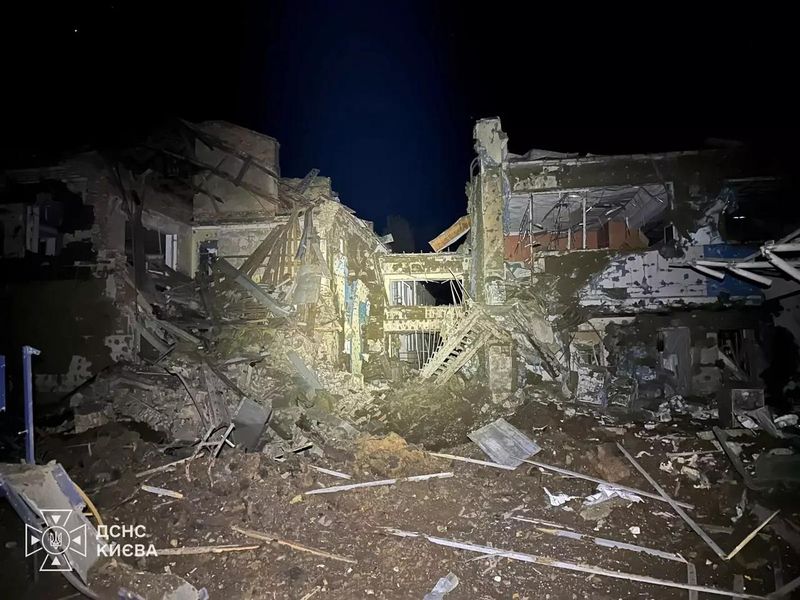
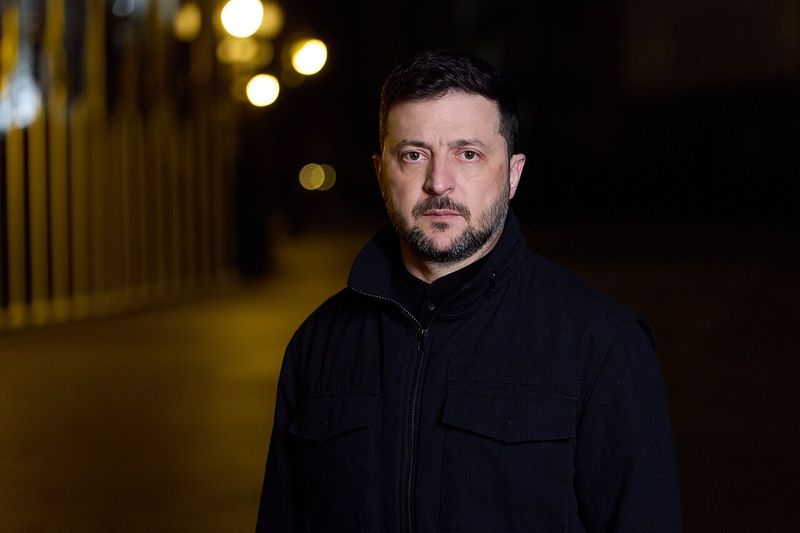
KYIV, November 8, 2026 — “In total, during this week alone, Russia launched 115 missiles of various types, nearly 1,900 guided aerial bombs, and over 3,000 strike drones against our cities and communities,” President Volodymyr Zelenskyy wrote on Sunday, in the weekly tally Ukrainian officials publish to frame the air war’s scale. “These are combined strikes with a large amount of ballistics. And a significant portion of the missiles were produced specifically this year.” That last detail is the argument inside the numbers: if a large share of the ballistic missiles falling on Ukraine were manufactured in 2026, then Russia’s missile output — its components, machine tools and financing — is a target set in itself. Zelenskyy made the ask explicit: if the world lacks enough anti-ballistic capability to shield Ukrainian airspace, “then the missiles must be stopped on the production lines,” with Ukraine counting on a strong 22nd EU sanctions package and urging Europe and the G7 to synchronise sanctions on the missile-production supply network.
The week inside the tally was relentless rather than singular. Its heaviest night, November 6–7, brought what Signal Post News reported as one of the autumn’s heaviest Kyiv barrages — 36 ballistic missiles and 172 drones, with only a fraction of the missiles brought down — closing the Northern Bridge, wrecking a kindergarten and blacking out Chernihiv. The following night kept the pressure on the energy system, including the strike campaign around the Zaporizhzhia nuclear plant’s loss of external power. Zelenskyy’s Sunday statement also described fresh attacks as he wrote, including a drone strike on Komyshuvakha, where rescue work from an earlier airstrike has been under way for days, and reported disruption to electricity and heating in a number of regions. Russia’s Defence Ministry, in its standing formulation, says its strikes target military, industrial, energy and transport sites; it does not publish a weekly launch tally of its own, and Ukraine’s figures — like Russia’s interception and damage claims — are a belligerent’s official account, to be weighed as such.
The comparison Kyiv wants readers to make
Set against the previous week’s official tally, the escalation is in the missiles. On November 1, Zelenskyy’s count for the preceding week was 44 missiles of various types — 36 of them ballistic — alongside 1,940 attack drones and more than 1,580 guided aerial bombs. Seven days later the drone figure has risen past 3,000, the bombs to nearly 1,900, and the missile count has more than doubled to 115. Drones can be produced cheaply and in vast numbers; ballistic missiles cannot. A week in which 115 missiles are launched, a significant share of them fresh from 2026 production, describes a factory system running at a pace Ukraine’s interceptor stocks were never sized to match — which is precisely the conclusion Kyiv is steering its partners toward, even as the diplomacy track that Signal Post News covered in the Abu Dhabi talks preparations moves in parallel.
Who gains, who loses, who pushes back
Ukraine’s sanctions diplomacy gains a concrete, quotable brief: named inputs — components, machine tools, financing — and a named vehicle, the EU’s 22nd sanctions package, for partners who have asked Kyiv what would actually help beyond interceptors. Russia’s defence industry is the intended loser: if even part of the production-network sanctions Kyiv wants were adopted and enforced, the cost and friction of building ballistic missiles at the current rate would rise. Ukrainian cities and the power grid remain the week’s actual losers — heating and electricity disruption heading into winter is the tally’s human denominator.
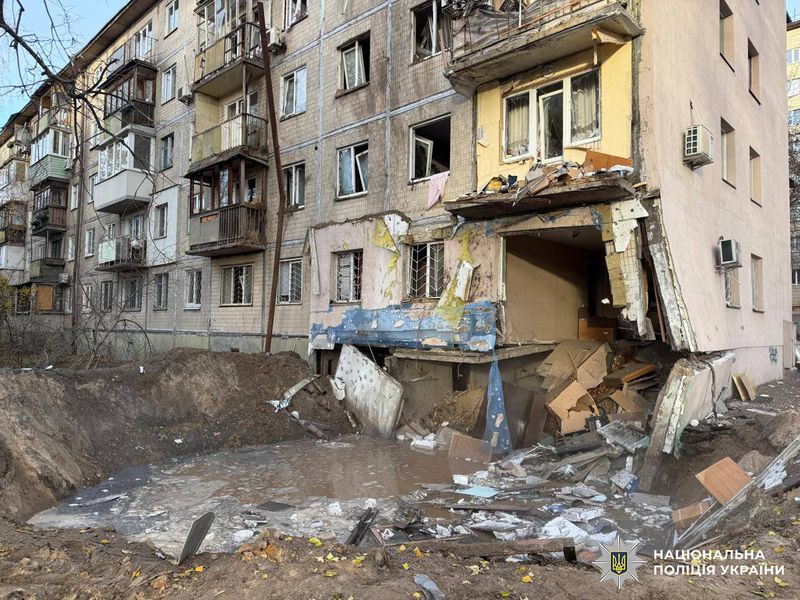
The pushback is structural, not rhetorical. Sanctions on production inputs work slowly and leak through third-country intermediaries; a package agreed in Brussels does not change next week’s launch rate. Sceptics in European capitals also note that weekly tallies are Kyiv’s framing — official counts published to sustain partner support — even where, as here, the individual nights inside them are independently documented. And Moscow’s own account, that it strikes military and infrastructure targets, is flatly incompatible with the residential damage Ukrainian services photograph; both claims cannot be wholly true, and the photographic record is the part of the week’s evidence any reader can inspect.
Why this matters
This is now a production-rate war
The analytical shift inside Zelenskyy’s statement matters more than any single figure. For two winters, the air war was discussed as a stockpile war — how many missiles Russia had left. A week of 115 launches, many of the ballistic rounds reportedly built this year, settles that argument: the constraint is no longer what Russia stored before 2022 but what its factories produce now. Wars of production rates are won and lost in supply chains — in CNC machine tools, in microelectronics routed through intermediaries, in credit lines — which is why Kyiv’s demand has migrated from “send interceptors” to “sanction the inputs,” and why the 22nd package’s fine print will matter more than its headline.
Interception arithmetic cannot close the gap alone
Ukraine’s air defences routinely neutralise the large majority of incoming drones; ballistic missiles are the hard residue, and the November 6–7 night — only a small share of 36 ballistic missiles downed, on Kyiv’s own account — shows the residue growing faster than the shield. Every ballistic interceptor is scarce, expensive and slow to replace. If launch volume keeps doubling week on week, no plausible delivery schedule of interceptors restores the old interception rates — the arithmetic behind Zelenskyy’s production-line argument, stated by Kyiv in numbers its partners can check against their own intelligence.
What happens next
Three things will test the argument. The EU’s 22nd sanctions package: whether it names missile-production inputs — components, machine tools, financing channels — with the specificity Kyiv requested, and how the G7 aligns with it. The winter cadence: whether weekly launch volumes hold at this level, fall back toward the November 1 pattern, or climb again as temperatures drop and the grid matters more. And the interceptor pipeline: deliveries and any new air-defence commitments announced as the Abu Dhabi diplomacy proceeds. The tally is a snapshot of one week; the trend across the next three Sundays of statements will show whether it was a spike or a new rate.
What do you think — should Europe and the G7 aim sanctions at Russia’s missile factories, or keep the focus on interceptors for Ukraine’s skies? Follow Signal Post News for the sanctions package and the winter strike campaign, and share your thoughts below.
Sources
Sources: Ukrainian official statements — President Volodymyr Zelenskyy’s November 8 weekly tally, as rounded up by Kyiv Post reporting of the president’s statement and LaPresse (the production-line quote and the 22nd-package appeal); the November 8 strike roundup (Komyshuvakha and the energy-infrastructure consequences); Ukrainian official statements via the en.h.ua roundup of November 8; Associated Press reporting on the autumn strike campaign. The previous week’s comparison figures are Zelenskyy’s November 1 tally as reported by Ukrinform. Russia’s targeting position is the Defence Ministry’s standing formulation, as noted in the text. Photos: Wikimedia Commons, as credited in the captions.