Tanker struck off Oman: an unidentified projectile hit a tanker 11 nautical miles west of Bukha, on Oman's Musandam coast overlooking the Strait of Hormuz, early on Wednesday, October 21 — the second tanker struck in the northern Gulf and the strait approaches in under eight hours, the UK Maritime Trade Operations agency said.
War / Middle East — a fire at anchor off Bukha, a second ship hit off Iraq, and no one named as responsible: the Hormuz shipping war is widening beyond the strait itself
Track it live: Middle East conflict map · Live wars tracker · Live oil price tracker
What UKMTO reported off Bukha
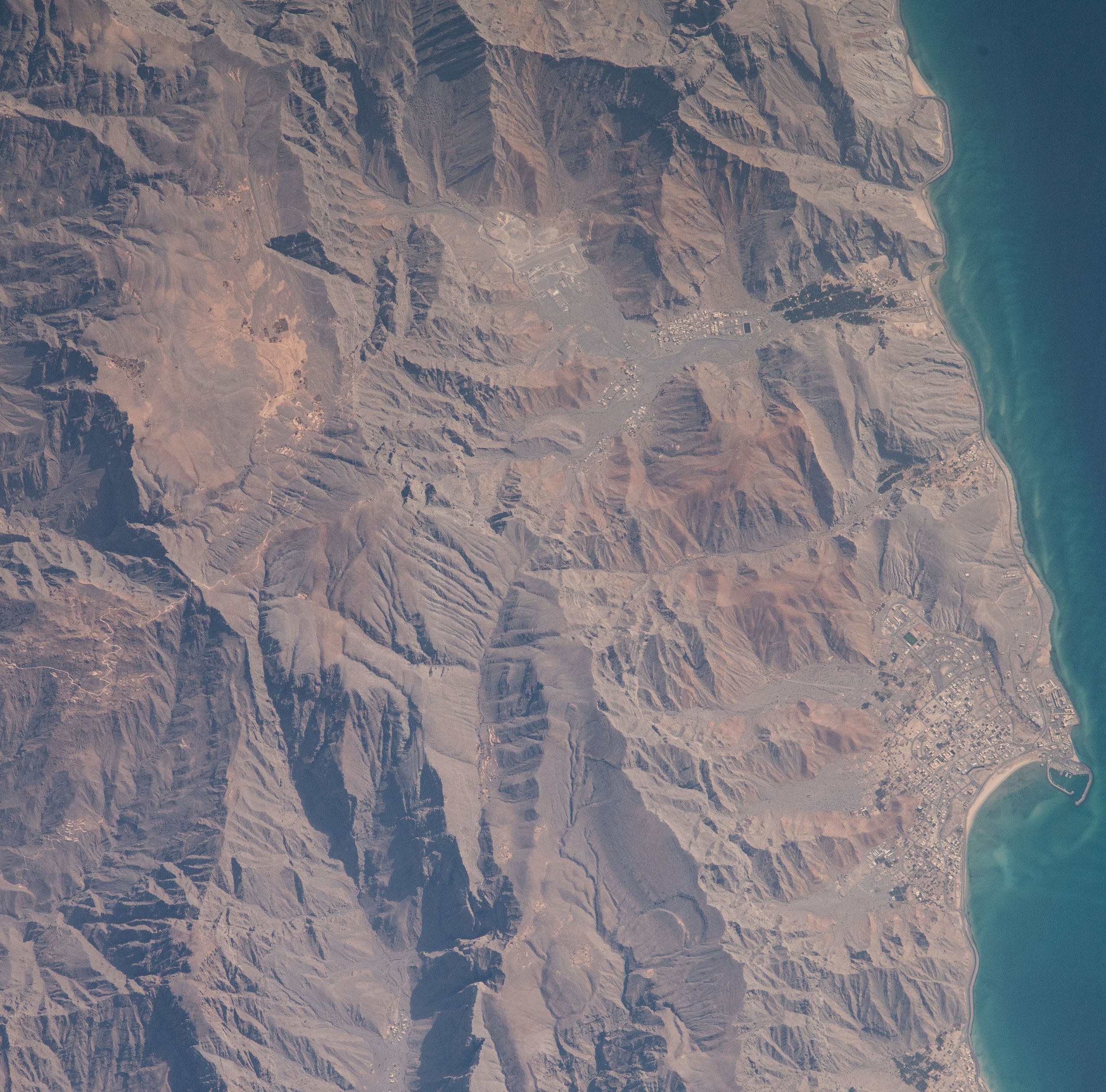
The Bukha incident happened at about 01:45 UTC on Wednesday, according to maritime reporting of the UKMTO advisory. Bukha is a coastal town and district in Oman's Musandam governorate, the exclave that forms the southern shore of the Strait of Hormuz where the waterway narrows between the Persian Gulf and the Gulf of Oman. A tanker roughly 20 kilometres off that coast was hit by a projectile that no agency has identified — not its type, not its origin, not who fired it. The impact started a fire. By the time UKMTO's account was published, the fire was out, the ship was at anchor, every crew member was reported safe, and there was no reported environmental impact. Those are the whole of the confirmed facts about the strike itself, and this report does not extend them: the vessel has not been publicly identified, and no group has claimed responsibility.
What gives a short agency notice its weight is the second line in it. UKMTO also recorded that on Tuesday, at about 18:30 UTC, another tanker was struck by an unknown projectile some 30 nautical miles southeast of Al Faw, at the head of the Gulf in Iraqi waters, and that the report reached the agency after the incident. That crew, too, was reported safe; the ship reported no damage and no environmental impact. Al Faw and Bukha are roughly 800 kilometres apart by sea. A projectile strike at the strait's Omani shore and a projectile strike at the Gulf's Iraqi headland within the same eight-hour window is not, on its face, a local incident — it is a pattern distributed across the entire waterway, and it lands on top of a week that was already the most violent of the shipping war so far.
Why this matters
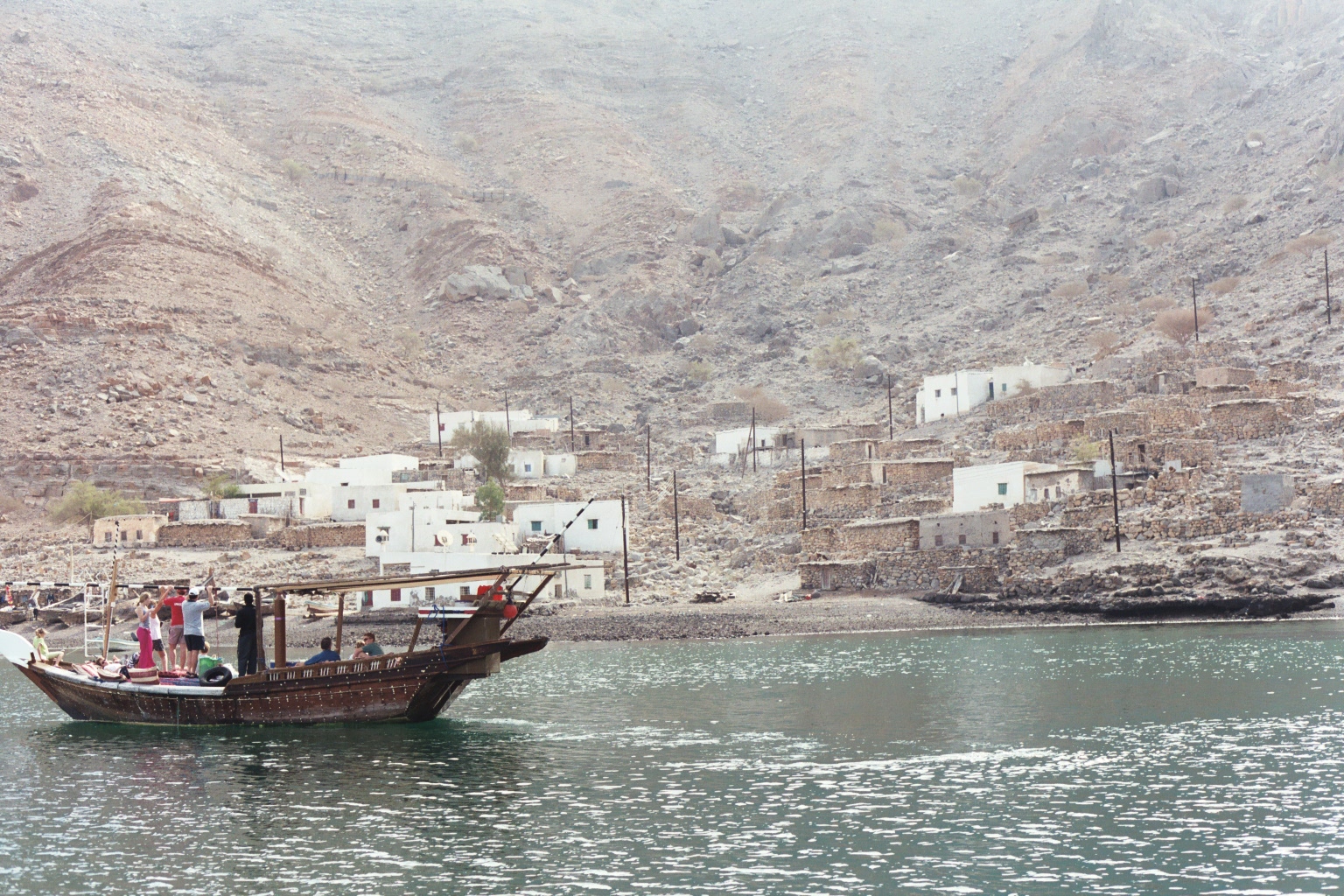
The Strait of Hormuz is the single most consequential chokepoint in the world economy. Before the war that began with US and Israeli strikes on Iran in late February, about a fifth of the world's oil and gas supplies moved through it, on lanes a few miles wide between Iran and Oman. There is no alternative sea route out of the Gulf: when this strait narrows, the substitutes are pipelines with fixed capacity, longer voyages, or smaller cargoes. That is why a projectile that injures no one and sinks nothing still moves through the world's markets and war rooms within hours — it is a data point about whether the strait is, in practice, open, and to whom, and on whose terms.
Wednesday's pair of strikes matters for three reasons. First, geography: Bukha is on the Omani — the southern, non-Iranian — shore, and Al Faw is in Iraqi waters at the top of the Gulf. Attacks, or at minimum projectile strikes, are now being recorded the length of the waterway, not only in the strait's Iranian-controlled lanes. Second, attribution: nobody has been named for either strike. A shipping war in which ships are hit and no one is identified is a war that insurers, captains and navies all have to price as if it could come from anywhere. Third, timing: the strikes follow a week in which the Joint Maritime Information Center (JMIC) recorded attacks at a pace it rates SEVERE for the strait — and they arrive while Washington escorts more ships through and Tehran insists passage runs on its authorisation, with negotiations between the two deadlocked. Each new hull struck is evidence in that argument, whichever side cites it.
The pattern, in numbers
The numbers assembled by the maritime security system itself describe the slope. In its October 18 advisory, JMIC — the multinational body that fuses naval and industry reporting for the region — maintained a SEVERE threat assessment for the Strait of Hormuz, its highest practical warning, and rated the broader Persian Gulf SUBSTANTIAL. JMIC counted 153 confirmed maritime security incidents across the region since March 1, a figure that predates this week's attacks. UKMTO recorded 12 attacks on commercial vessels in the week ending October 16 alone — ten in the Strait of Hormuz, one in the Persian Gulf and one in the Gulf of Oman. BBC Verify, working from the same UKMTO incident reports, counted 12 ships attacked between October 5 and October 11, up from ten the week before and a new high for this war, and shipping data from Kpler cited by the BBC put flows through the strait at about 12.6 million barrels a day on October 13, against roughly 17 million a day before the war — a shortfall of more than four million barrels a day, every day, from the world's most important oil artery. Earlier this week, Reuters reported, a container ship and a dry bulk carrier sank near the strait after being hit by projectiles. Against that background, oil rose in early trading on Wednesday: one regional report put Brent at $109.64 a barrel, up 0.78 percent, and US crude at $98.58, with the Bukha strike among the triggers cited. Wednesday's tanker joins a ledger this site has been keeping all month, from the Guards' mine claims against two tankers to the strike on the tanker Acers off Qatar and the IMO's warning over some 6,000 seafarers trapped by the fighting.
Claims, counter-claims, and what is not known
Precision matters here, because the information war around Hormuz is now as dense as the shipping war. For Wednesday's two projectile strikes, the record is UKMTO's and only UKMTO's: projectiles, locations, times, outcomes. UKMTO attributed neither strike to any state or group, and no claim of responsibility had been reported at the time of publication. Anything beyond that — a flag, a weapon type, a launch point — would be speculation, and it is not in this article.
Separate from the projectile strikes, and to be kept separate from them, are Iran's mine claims. On Tuesday, Iran's Revolutionary Guard navy said a supertanker carrying more than two million barrels of crude exploded and caught fire after hitting a mine south of the strait, claiming the ship had switched off its radar and navigation systems and ignored warnings on what Tehran calls an unauthorised southern route; Iranian statements have spoken of three tankers hitting mines in recent days. None of those mine claims has been independently confirmed, and they are reported here as Iran's claims, not as findings. Iran's position, stated repeatedly by its armed forces, is that vessels must coordinate with Tehran to pass safely and that routes being used under US escort are unsafe; the United States, which maintains a blockade of Iranian ports and has been escorting more ships through the strait, says passage is being kept open. Both governments' framings are on the record. What is verifiable without taking either's word is the incident ledger — UKMTO reports, JMIC counts, ships sunk and ships burned — and on that ledger, the waterway is getting more dangerous, not less, whichever narrative a reader prefers.
Who gains, who loses
The losers are the easiest to name. Shipowners and their insurers lose on every incident: war-risk premiums for Gulf transits reprice with each UKMTO report, and a fire on an anchored tanker off Oman — a state that is not a belligerent — widens the map of water an underwriter has to treat as a war zone. Crews lose most directly; the industry's trapped and transiting seafarers, already counted in the thousands by the IMO, absorb risks that no contract priced in February. Gulf exporters lose throughput they cannot reroute, and oil-importing economies lose on price: a strait running at roughly 12.6 million barrels a day against 17 million before the war is a standing tax on every consumer at the end of the chain. Oman loses something quieter — the value of neutrality. Musandam's shore has been the strait's calm side for decades; a burning tanker at anchor in its waters is a reminder that geography does not exempt anyone.
The gains are narrower and mostly tactical. Whoever is striking ships without being named — if the strikes are deliberate and connected, which has not been established — gains leverage at low cost: two projectiles, no casualties to answer for, and a measurable effect on the price of the world's oil and the calculus of every shipping line. Tehran gains evidence for its argument that passage without its coordination is dangerous, whether or not it fired anything; Washington gains evidence for its argument that escorts and its blockade are necessary, whether or not more escorts actually reduce the incident count. Both arguments cannot be wholly right, and the incident ledger supports each side's rhetoric at the other's expense — which is one reason the ledger keeps growing. Regional navies and partners, including South Korea's Cheonghae unit, whose Hormuz deployment this site covered in its own right, gain relevance with every patrol the crisis demands.
What happens next
Three things to watch. First, identification: if the Bukha tanker is named — by its owner, its flag state or investigators — the strike acquires a flag, a cargo and a politics it does not yet have, and attribution arguments will harden around it. Second, the count: JMIC's next advisory will show whether the week ending October 16 was a peak or a plateau, and whether the SEVERE rating spreads, formally, to more of the Gulf after Al Faw. Third, the escort equation: the United States is escorting more ships even as attacks increase, and Iran is insisting more loudly that unauthorised passage is what gets ships hit. If the incident rate keeps rising under escort, expect pressure — from insurers first, and then from importing governments — for either a negotiated passage regime or a much larger naval commitment, because the current middle course is producing a strait that is neither closed nor safely open, and a market that prices it, barrel by barrel, as both.
Sources
Reuters (October 21, 2026): Projectile strikes tanker west of Oman's Bukha overlooking Hormuz Strait, UKMTO says — the UKMTO report of the Bukha strike, the extinguished fire, the tanker at anchor and all crew safe; and Reuters context on the strait's pre-war share of about a fifth of global oil and gas, the US blockade of Iranian ports, increased US escorts and deadlocked Washington–Tehran negotiations. gCaptain (October 21, 2026): Two More Tankers Struck as Maritime Attacks Spread Across Persian Gulf — the 01:45 UTC Bukha timing, the second strike 30 nautical miles southeast of Al Faw at 18:30 UTC on October 20, JMIC's October 18 SEVERE assessment for the strait and SUBSTANTIAL for the Gulf, the 12 attacks in the week ending October 16 and 153 confirmed incidents since March 1. Al Arabiya English (October 21, 2026), reporting the same UKMTO advisory. BBC Verify and Kpler figures, and the earlier sinkings of a container ship and a bulk carrier reported by Reuters, as compiled in maritime reporting of October 21, 2026. Iranian Revolutionary Guard and Iranian Army statements on mine strikes and tanker coordination are carried above as those bodies' claims only; they have not been independently confirmed. No party had claimed responsibility for either projectile strike at the time of publication, and UKMTO attributed neither.