Turkey Saudi Arabia defence pact: Turkey will seek a parliament mandate to deploy military personnel to Saudi Arabia under the Turkey Saudi Arabia defence pact, a ruling party lawmaker said.
War / Middle East — the August pact is becoming people, not just paper: Ankara is lining up the legal authority to put Turkish air-defence and electronic-warfare experts on Saudi soil
Track it live: Live war and conflict tracker · Middle East conflict map
What Ankara is doing, step by step
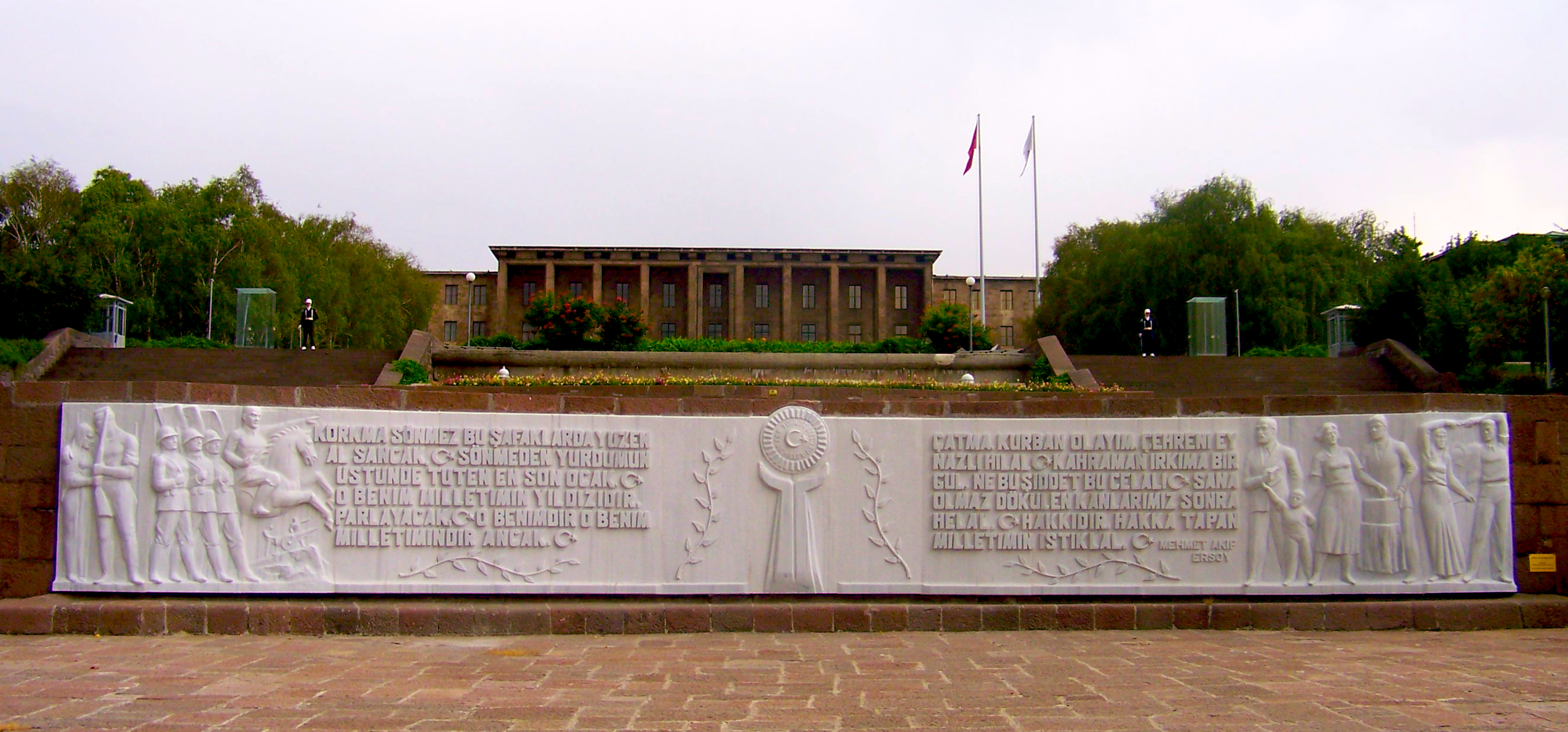
The lawmaker, speaking to Reuters on condition of anonymity, laid out a two-step sequence. First, parliament approves the bill ratifying the Mecca Joint Defence Agreement, which Turkey submitted to the Assembly on Tuesday, October 20. Then the government sends a separate mandate — the authorisation Turkish law requires before armed forces personnel can be deployed abroad — allowing military personnel to be deployed to Saudi Arabia under the pact.
That distinction is the heart of this story. A ratified treaty creates an obligation between states; a parliamentary mandate creates the legal basis for actual people to board actual aircraft. Reporting on the treaty text published as it reached parliament makes the same point from the other direction: the pact’s mutual-assistance obligation is broad, but a Turkish troop deployment to Saudi Arabia would still require separate parliamentary authorisation. Wednesday’s disclosure is Ankara beginning exactly that second step, in public, within a day of filing the first.
The timing is not accidental, and it is not slow. The pact was signed in August. Through September and early October, the alliance’s work ran through committees, joint statements and promises of equipment, intelligence and rapid-deployment planning — the phase this site covered as the pact moved from signature to its first Riyadh committee meetings. Ratification plus a deployment mandate is the phase where the arrangement stops being a diplomatic instrument and starts being a military one.
What the personnel would actually do
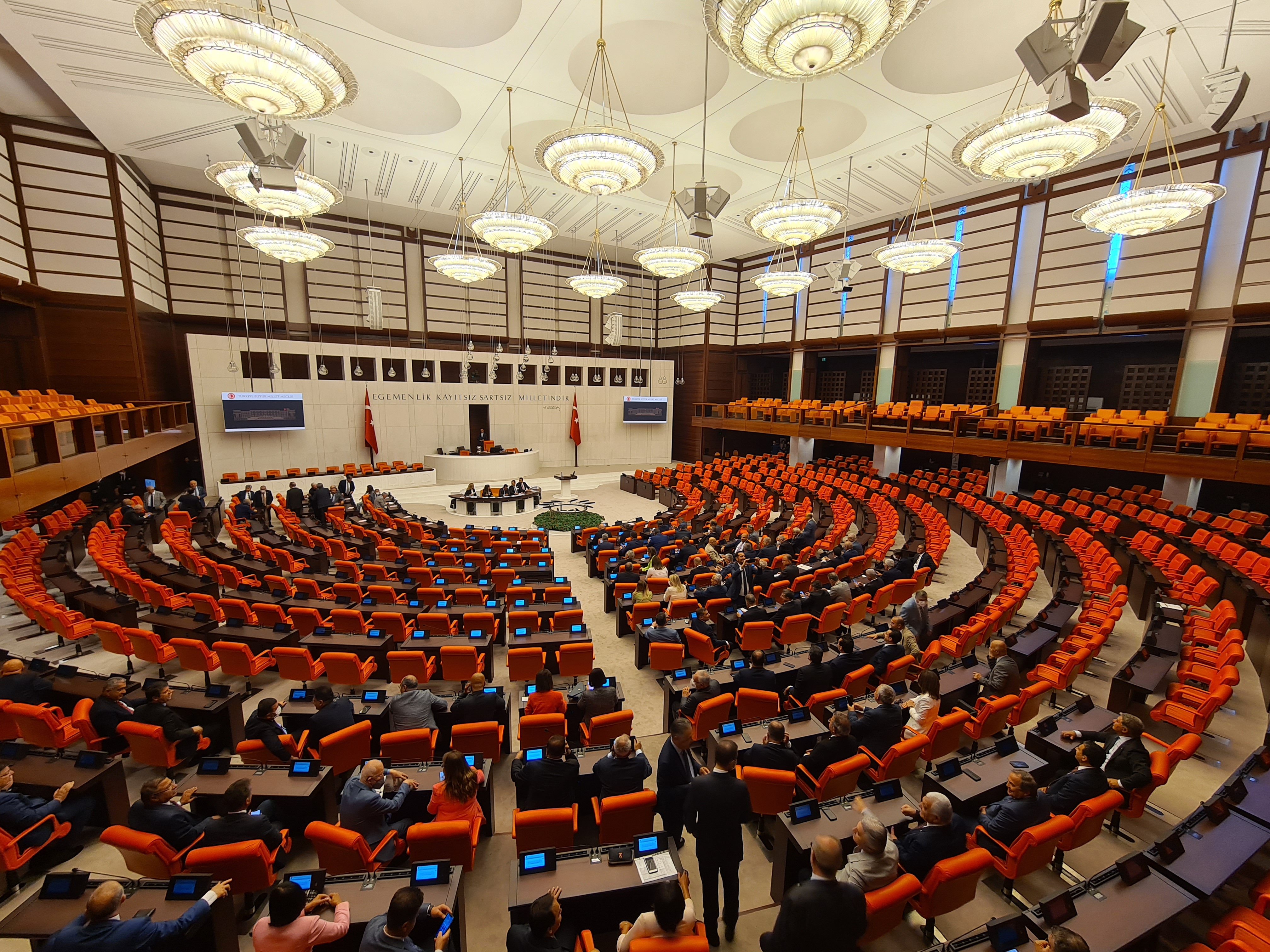
The lawmaker was specific about limits, and the limits are as newsworthy as the deployment itself. No Turkish troops deployed to other countries under the pact would take part in offensive operations, the lawmaker said. Technical personnel and experts would be sent initially, to help with air defences, electronic warfare technologies and other defensive support.
That framing matches the line Ankara has held since the pact’s first weeks. In early October, Foreign Minister Hakan Fidan publicly ruled out an offensive role for Turkey’s Saudi support — a position this site reported at the time in Turkey’s defensive-only framing of the pact. Wednesday’s mandate plan keeps that boundary: the first Turkish boots envisaged under the mandate are specialists who operate radars, jammers and air-defence systems, not infantry or strike units.
It also marks a step beyond the contribution described until now. Earlier, two officials told Reuters that Turkey’s contribution was expected to be limited to military equipment, intelligence sharing and weapons systems, and that no other form of deployment had taken place under the alliance so far. Equipment can be handed over at an airfield and left behind. Personnel stay, integrate into a host country’s command routines, learn its vulnerabilities from the inside and acquire a stake in its defence that a shipment of hardware never creates. Ankara is proposing to cross that line — carefully, defensively, but unmistakably.
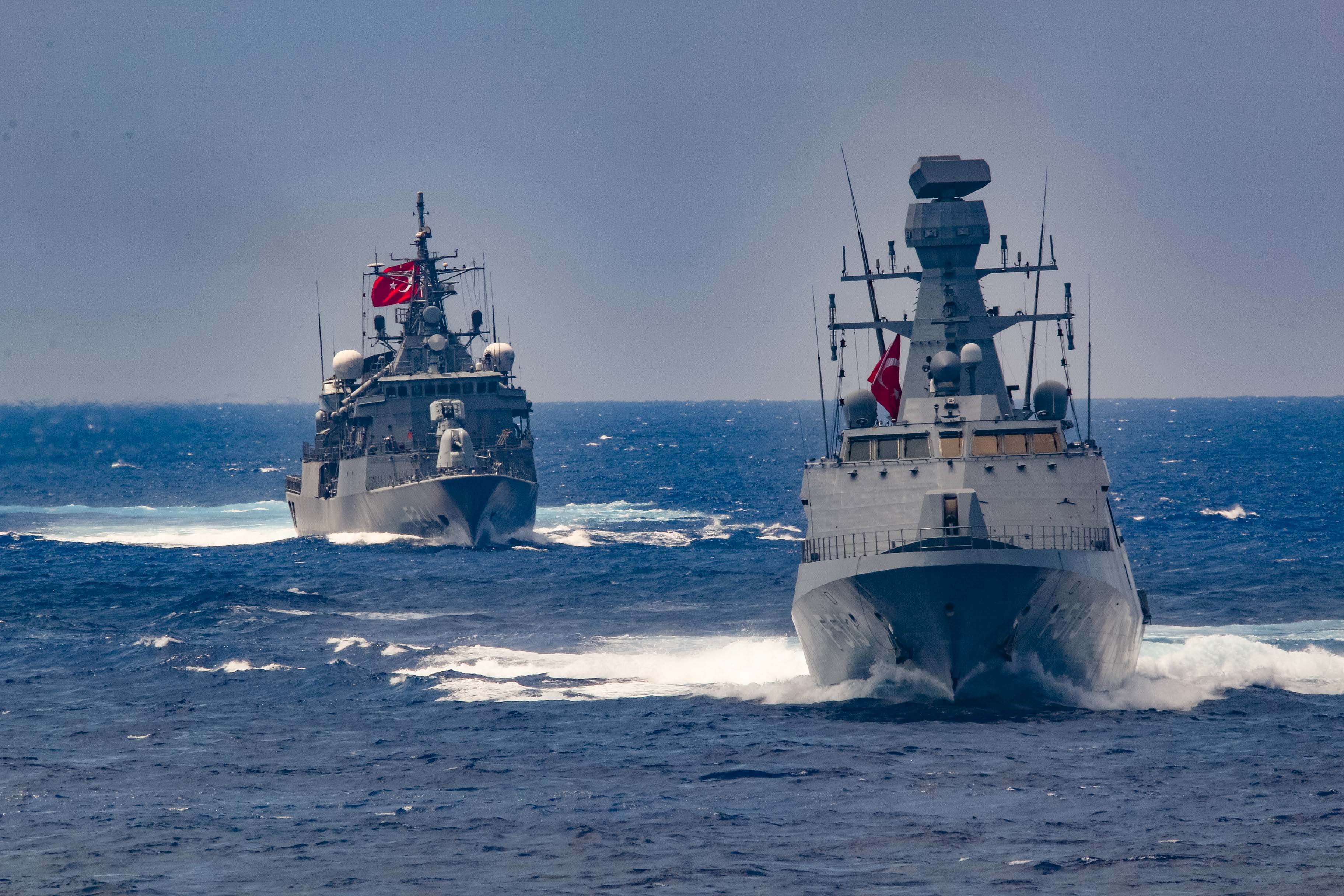
Turkey has also agreed to join a Saudi-led coalition to ensure navigational safety in the Red Sea, Reuters reported — a naval commitment that runs alongside the land-based air-defence support and ties the pact to the shipping lanes the Houthi campaign has repeatedly threatened.
Why now: the pressure on Saudi Arabia is not abstract
The mandate is being prepared while Saudi Arabia absorbs the most serious cross-border campaign it has faced in years. The Houthis have attacked Riyadh’s international airport and state oil giant Saudi Aramco, disrupting flights and oil exports — attacks this site has covered, including the second strike on Riyadh’s airport. On Tuesday, a Houthi missile attack on a government security forces training camp in Yemen’s Shabwa province killed 73 people, according to Reuters. The current bout of violence is the most serious fighting between Saudi Arabia and the Houthis since a UN-brokered truce largely halted cross-border attacks in 2022.
Wednesday itself supplied a measure of how contested the skies have become. The Saudi-led coalition said it had intercepted drones over Medina and the Eastern region. The Houthis’ military spokesperson Yahya Saree denied it, saying the group had not launched any drones towards the Saudi holy city and had not conducted any military operations towards Saudi Arabia at all. Both claims are carried here as their makers stated them; what is not in dispute is that Riyadh is publicly reporting interceptions over one of Islam’s holiest cities while its adversary publicly denies flying there — the kind of ambiguity that makes a host government want more radars, more electronic-warfare coverage and more experienced crews watching both.
Seen from Ankara, that is the demand side of the mandate. Seen from Riyadh, Turkish specialists are not a symbolic gesture: air defence against drones and missiles is a manpower-hungry, expertise-hungry discipline, and Turkey has spent a decade building an indigenous air-defence and electronic-warfare industry under exactly the threat profile Saudi Arabia now faces.
The pact underneath the mandate
The Mecca Joint Defence Agreement, signed by Turkey, Saudi Arabia and Pakistan in August, commits the three to treat an external armed attack on one as an attack on all and to provide immediate assistance, with the scope of support depending on assessed needs, available resources and each country’s national legal procedures. Its published terms are unusually durable: reporting on the text as submitted to parliament describes no expiry date, a minimum of ten years before withdrawal can begin once the agreement enters into force, a secretariat based in Saudi Arabia and a Pakistani national as its first secretary general. Its stated scope runs from intelligence, logistics and training to counterterrorism and joint defence production.
Turkish and Pakistani officials have said the pact is not aimed at Iran or any other country, and Saudi officials have described it as a lasting defence partnership rather than a military or sectarian bloc. Those assurances are on the record and are reported here as the signatories’ own framing. They sit alongside a plainer fact: the pact’s first practical test, by every account including Wednesday’s, is defensive support for Saudi Arabia against attacks by the Iran-aligned Houthis.
Why this matters
Start with what changes legally. Until this week, the Mecca pact was a promise whose activation depended on future decisions in three capitals. A ratified treaty plus an approved mandate converts Turkey’s share of that promise into standing authority: if the mandate passes in the broad form the lawmaker described, Ankara would not need a fresh political fight in parliament for each rotation of specialists. Speed is the point of a mandate — and speed is what air defence consumes.
Then consider who is making the promise. Turkey fields NATO’s second-largest army, a battle-tested drone industry and a defence-export sector it has been converting into diplomatic leverage across the region — a campaign visible again this week in its separate defence-cooperation diplomacy in Doha. A Turkish defensive umbrella over Saudi infrastructure does not replace the American security guarantee, but it is the clearest example yet of regional powers building a parallel layer of collective defence while Washington’s commitments are debated. Pakistan’s presence in the pact adds a third capital — and a nuclear-armed state’s military establishment — to what would once have been a bilateral Saudi file.
The losers, on the current trajectory, are the assumptions on the other side of the Red Sea. The Houthi campaign’s leverage has always rested partly on cost asymmetry: inexpensive drones and missiles against expensive interceptors and exposed infrastructure. Every additional allied radar, jammer and trained crew on Saudi soil narrows that asymmetry without firing a shot at Yemen. Tehran, which backs the Houthis and which all three signatories insist the pact does not target, will nonetheless read a ratified pact and a live Turkish mandate as consolidation of the coalition arrayed against its partners — because that is, functionally, what is being built.
There are honest limits to the story, and they should be stated plainly. The mandate rests, for now, on a single anonymous lawmaker’s account to Reuters; no mandate text, troop number, deployment date or duration has been published. The defensive-only boundary is a political commitment, not a physical one: air-defence and electronic-warfare specialists embedded with a partner at war are inside that war’s machinery whether or not they pull a trigger, and mandates written narrowly have a long regional history of being read broadly later. And ratification is a vote, not a deployment — the gap between Ankara’s legal authority and Turkish personnel actually standing watch over a Saudi airfield remains unbridged until the first rotation is announced.
What the numbers say
The arithmetic of the pact is asymmetric in a way that explains its shape. Three signatories; one front-line state under attack; one partner, Turkey, whose contribution is defined by expertise rather than mass; and one partner, Pakistan, whose existing military relationship with Saudi Arabia long predates the pact. The known figures in this week’s escalation are stark enough without embellishment: 73 people killed in a single missile strike on a training camp in Shabwa on Tuesday; cross-border fighting at its most serious since the 2022 truce; and a treaty with a ten-year minimum life whose institutions — a Saudi-based secretariat under a Pakistani first secretary general — are designed to outlast the crisis that produced them. What is missing from the public record is equally telling: no troop numbers, no mandate duration, no cost figure and no timetable have been disclosed by any of the three governments. The mandate debate in Ankara is where several of those numbers will first have to exist on paper.
What happens next
The immediate sequence is parliamentary. The ratification bill submitted on Tuesday must be approved; the deployment mandate follows it, in the lawmaker’s account. Watch three things. First, the mandate’s text: its geographic scope, its duration and whether it names Saudi Arabia alone or the pact’s members generally will decide how much freedom of action Ankara is really taking. Second, the first named deployment: a rotation of air-defence or electronic-warfare specialists, however small, is the moment the pact acquires a physical presence. Third, the reactions in Riyadh, Islamabad and Tehran: Saudi and Pakistani ratification steps have drawn less attention than Turkey’s, and any Iranian response to a live Turkish mandate will test the signatories’ insistence that the pact targets no one.
For now, the direction of travel is set and unusually well documented for a story told by an anonymous lawmaker: a treaty filed on Tuesday, a mandate promised on Wednesday, and a kingdom under drone and missile attack waiting on both. Parliament in Ankara is where the next move happens.
Sources
- Reuters, October 21, 2026 — “Turkey planning mandate to send military personnel to Saudi Arabia under Mecca pact, ruling party official says” (AK Party lawmaker: mandate to follow ratification; defensive roles only; technical personnel for air defences and electronic warfare; earlier officials on equipment, intelligence and weapons systems; Red Sea navigational-safety coalition): reuters.com
- Asia Daily, October 20–21, 2026 — report on the Mecca Joint Defence Agreement’s submission to Turkey’s parliament on October 20 (attack-on-one clause; separate parliamentary authorisation required for a Turkish deployment to Saudi Arabia; treaty duration and secretariat terms; officials’ statements that the pact is not aimed at Iran): asiadaily.org
- Reuters, October 21, 2026 — “Yemen’s Houthis deny launching drones towards Saudi Medina on Wednesday” (coalition interception claim over Medina and the Eastern region; Houthi denial by spokesperson Yahya Saree; Shabwa training-camp strike killing 73; most serious fighting since the 2022 truce): reuters.com
- Turkish Minute, October 7, 2026 — “Turkey plans troops and air defenses for Saudi Arabia: report” (earlier phase: technical and defensive assistance, joint rapid-deployment statement, parliamentary approval then still outstanding): turkishminute.com