South Korea Cheonghae Unit Hormuz: Seoul is reviewing whether to widen the anti-piracy unit's operating area from the Gulf of Aden to the Gulf of Oman, the waters that lead into the Strait of Hormuz.
South Korea / Its pirate-hunting destroyer may be headed toward Hormuz
Track it live: Iran war tracker · live global wars tracker.
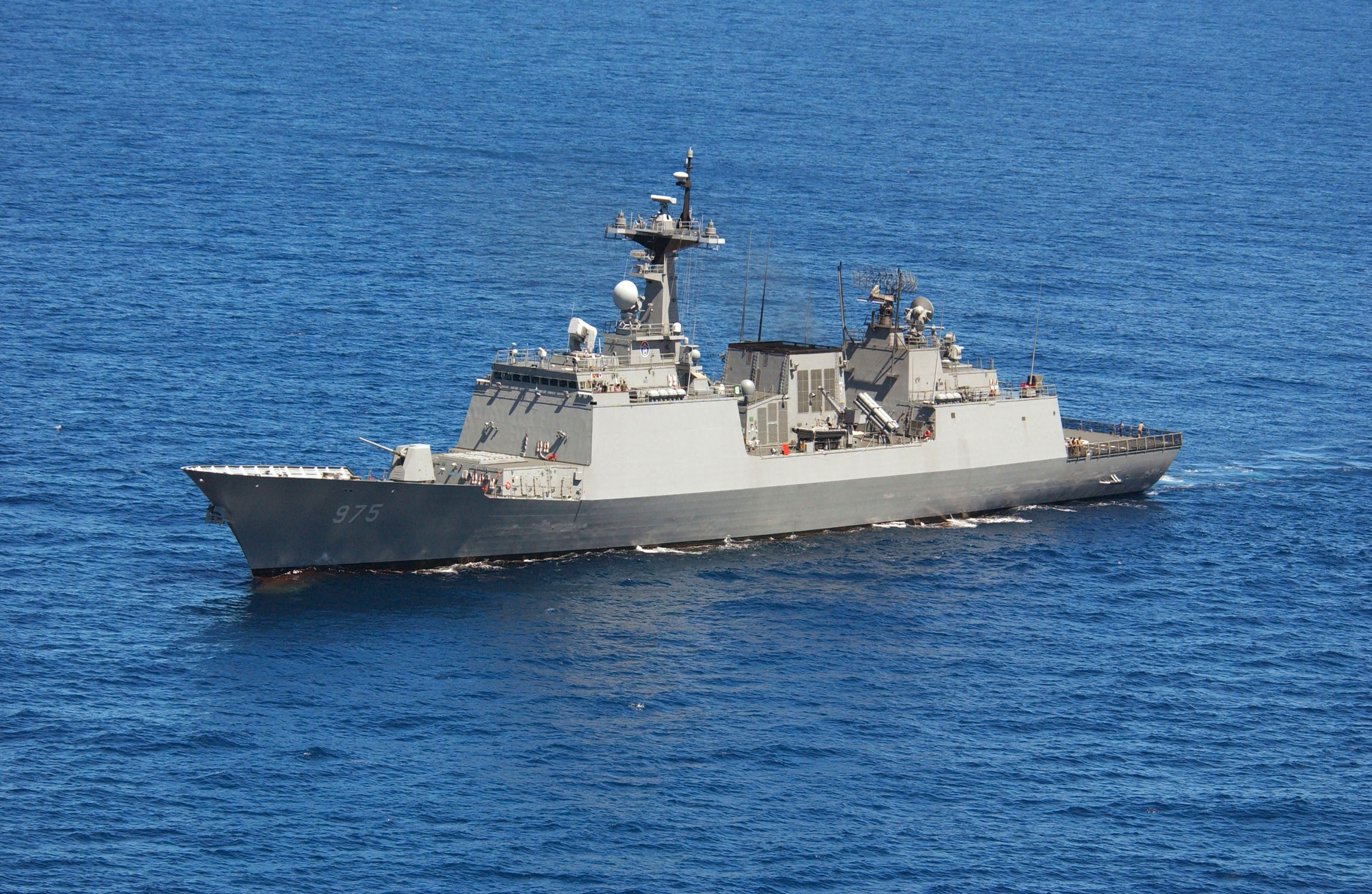
SEOUL — South Korea is reviewing whether to expand the operating area of its Cheonghae anti-piracy unit from the Gulf of Aden to the Gulf of Oman, the waters that lead into the Strait of Hormuz, according to reports in Seoul on Thursday and Friday that the Defence Ministry has partially confirmed. Nothing has been decided, officials in Seoul stress. But the fact that the review is happening at all — under open pressure from President Donald Trump for allies to do more in the war against Iran — tells you how far the conflict's gravitational pull now reaches: all the way to a Korean destroyer that has spent 17 years chasing pirates off Somalia.
What is actually being reviewed
The Cheonghae Unit has operated in the Gulf of Aden since 2009, escorting commercial shipping and protecting Korean nationals. Its current parliamentary authorization expires on December 31, 2026, and the government of President Lee Jae Myung plans to submit an extension motion to the National Assembly before then, the Defence Ministry said in statements reported by Reuters and Korean media. What is new is the geography under discussion. Citing Defence Ministry sources, the Korea JoongAng Daily reported that the extension proposal may formally widen the unit's operating area to the Gulf of Oman and nearby waters — the approach to Hormuz — and that Seoul is also considering deploying maritime patrol aircraft for surveillance and reconnaissance alongside the naval unit. The Kyunghyang Shinmun, reported by Reuters, said the government was additionally weighing whether to send a frigate to reinforce the mission. A Defence Ministry official summarized the official position carefully: the government is considering submitting an extension proposal before the current authorization expires, and the details have not yet been finalized.
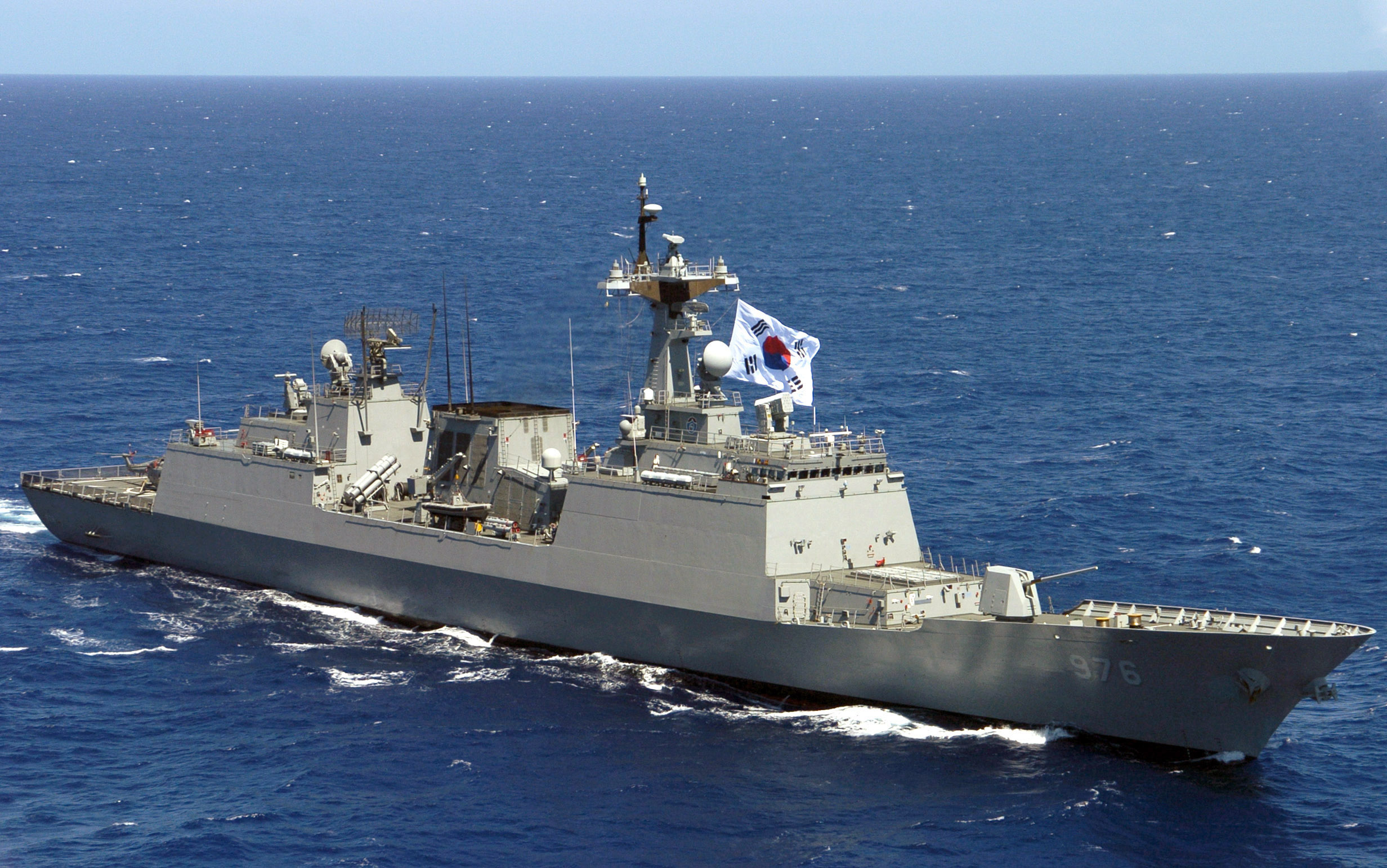
The hardware involved is modest but real. Under its current authorization the unit deploys one destroyer of at least 4,000 tons, one naval helicopter and up to three high-speed boats, with a contingent of up to about 300–320 personnel. The rotation currently heading out is the unit's 49th: Aju Press reported that the 4,400-ton destroyer Chungmugong Yi Sun-sin left Busan Naval Base on October 2, 2026, carrying the latest contingent. Defence Minister Kang Shin-chul told a parliamentary audit committee on Thursday that the ministry is reviewing various options concerning the unit's mission and its extension.
The pressure behind the review
Seoul is not reviewing this in a vacuum. Trump has criticized South Korea for what he called insufficient support for the Iran war, and his administration scaled back major joint military drills with Korean forces this summer — a move that unsettled officials in Seoul, for whom the drills are the visible spine of the alliance. Lee, for his part, drew a line on September 18: South Korea would not deploy military assets in a way that could draw it into combat, he said, while acknowledging that Seoul was reviewing a greater role in safeguarding navigation. An anti-piracy and shipping-protection mission, extended toward Hormuz, is the shape that compromise takes — visible help for Washington, framed as protecting trade and Korean citizens rather than joining a war.
There is also a domestic, non-war reason on the record. The Defence Ministry told Reuters that piracy activity in the Gulf of Aden has increased sharply compared with a year ago and that security conditions there have deteriorated. That matters because it gives the extension a justification that does not depend on Iran at all — and gives legislators a reason to vote for it that is about Korean shipping, not American politics.
Why this matters
Start with the water. The Gulf of Oman is not a remote posting; it is the outer room of the Strait of Hormuz, the chokepoint through which a large share of the world's traded oil and liquefied natural gas moves, and the waterway at the center of the Iran war's economic front. South Korea is one of the world's largest energy importers and has historically drawn a substantial share of its crude from the Middle East. A Korean destroyer patrolling the Gulf of Oman would not change the military balance against Iran — one destroyer, a helicopter and patrol aircraft are a presence mission, not a strike force. What it changes is the list of flags with a stake in those waters. Every additional navy protecting Hormuz shipping makes the waterway harder to close, easier to insure, and more international to defend — and makes any attack on shipping there an incident involving more capitals.
There is precedent, and Seoul's own officials are pointing to it. In early 2020, after tensions around Hormuz spiked, the Cheonghae Unit's operating area was expanded to waters near the strait. A diplomatic source cited by Korean media raised that precedent directly. The 2020 expansion was temporary and framed the same way — citizen and shipping protection — which gives the Lee government a tested script: expand, protect, avoid combat language, and let the authorization sunset force a fresh debate each cycle.
Who gains, who carries the risk
Washington gains a burden-sharing headline it has been demanding, without gaining a combat ally — Lee's September line still stands. Seoul gains alliance credit and a direct protective presence near the energy route its economy depends on, at the price of placing a Korean warship closer to a live war in which missiles and drones have repeatedly reached shipping, airports and oil facilities across the region this autumn. Critics of an expansion, including the lawmaker who pressed the defence minister in Thursday's audit, can be expected to ask the obvious question: at what point does a protection mission near a war zone become participation in the war's logistics — and who decides, in the moment, if a Korean ship is threatened? Supporters answer with the piracy figures and the 2020 precedent: the unit has operated in dangerous waters since 2009 without being drawn into a war, and its rules are built around escort and protection.
The honest uncertainty is that nobody in Seoul is claiming a decision exists. The ministry has confirmed a review and an extension motion, not an expansion. The Gulf of Oman wording, the patrol aircraft and the frigate all come from reporting attributed to officials and sources, not from a published government plan — and the difference between a review that leaks and a policy that passes the National Assembly is where this story will actually be decided.
What happens next
Watch three things. First, the text of the extension motion when it reaches the National Assembly: whether "Gulf of Oman" appears in the authorized operating area is the whole story in one phrase. Second, whether patrol aircraft appear in the final package — aircraft widen both the mission's usefulness and its visibility. Third, the calendar: the current authorization dies on December 31, so Seoul must move within weeks, in the middle of an American midterm season in which Trump's demands on allies are a campaign theme as much as a policy. If the expansion passes, expect the 49th rotation's successor — or the Chungmugong Yi Sun-sin itself — to be the first Korean warship tasked toward Hormuz under the new wording. If it fails, the unit stays where it has been since 2009, and the argument moves back to Washington.
Related: Inside Iran's Pickaxe Mountain nuclear fortification · South Korea's nuclear-powered submarine plans under Lee · The pipelines trying to bypass Hormuz altogether
Sources: Reuters, "South Korea reviews expanding military mission in Middle East, report says," Oct. 16, 2026 — https://www.reuters.com/world/asia-pacific/south-korea-reviews-expanding-military-mission-middle-east-report-says-2026-10-16/ ; Korea JoongAng Daily, "Korea eyes wider naval mission near Hormuz," Oct. 16, 2026 — https://www.koreajoongangdaily.com/korea/korea-eyes-wider-naval-mission-near-hormuz/12924011 ; Aju Press, "Seoul weighs Cheonghae mission extension amid Hormuz concerns," Oct. 16, 2026 — https://www.ajupress.com/view/20261016090335918