India coal plants critically low on fuel: 96 of 191 plants had under three days of coal on October 19, and Gujarat has now asked factories to curb evening power use.
World / Asia — a hotter year, a weaker monsoon and an evening peak the solar fleet cannot cover have squeezed the fuel buffer of the world’s most coal-dependent big grid
What the numbers actually say
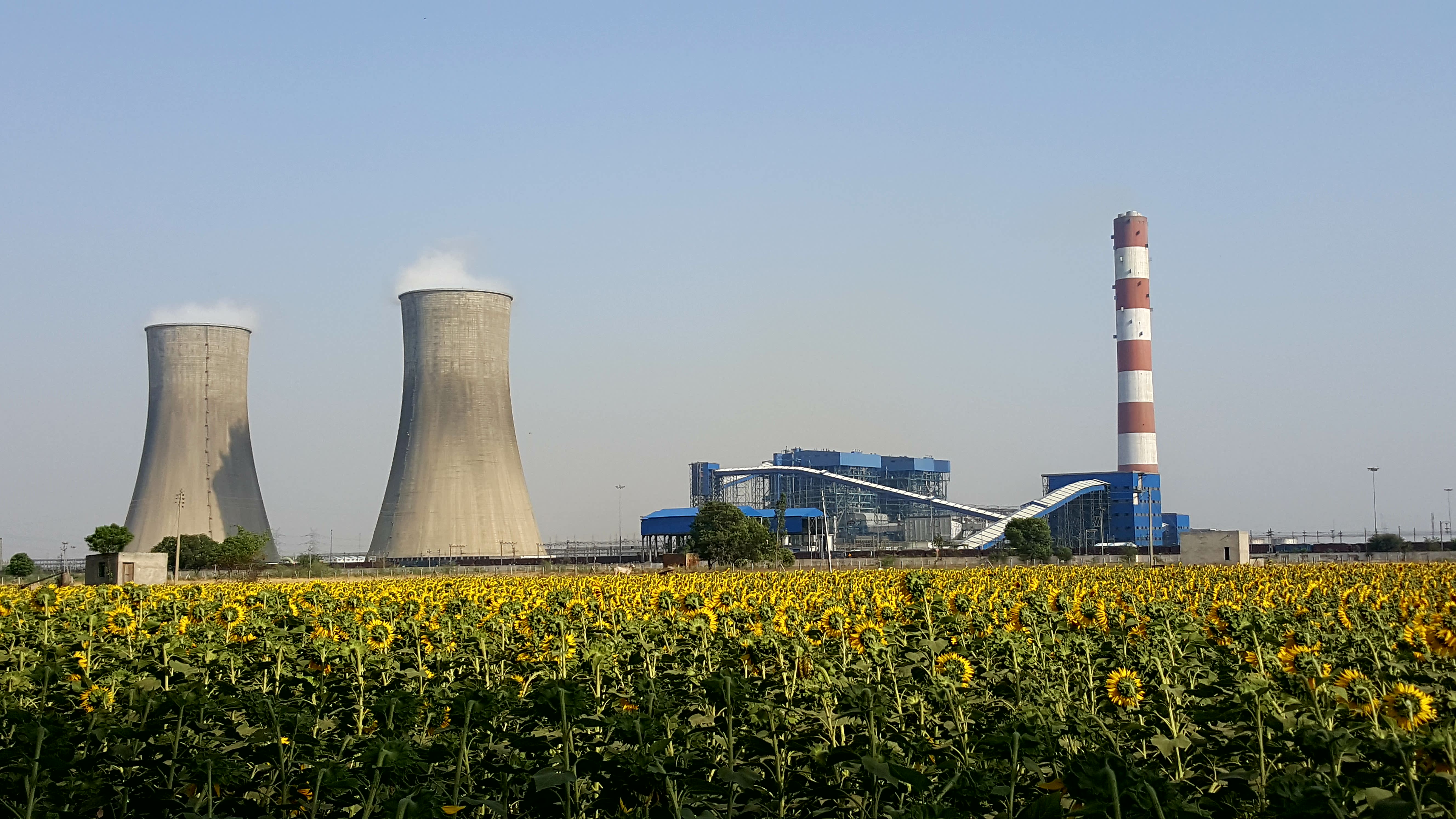
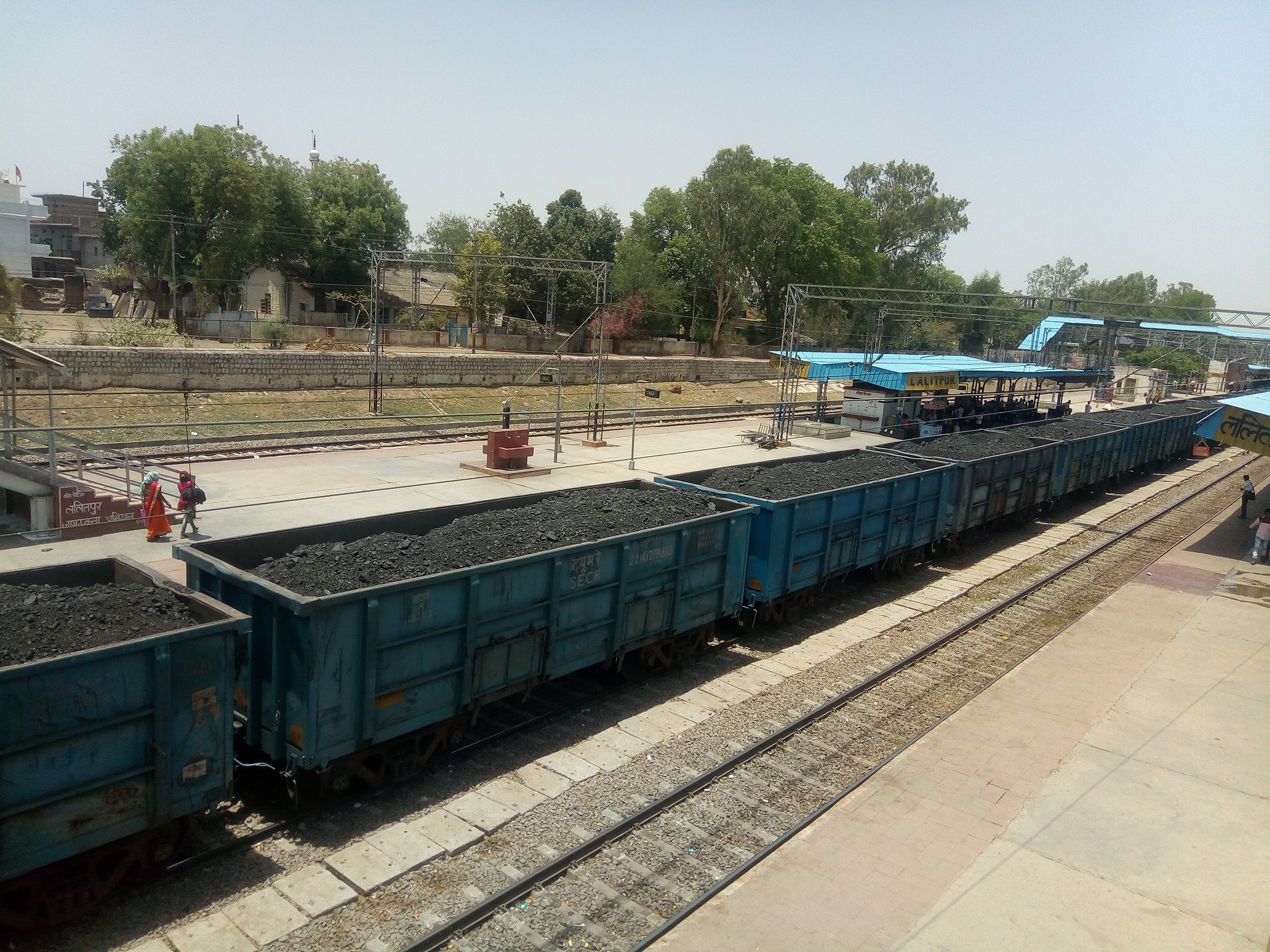
A plant is classed as critically low when its coal on hand would generate power for less than three days. By that measure, 96 of 191 plants were in the critical zone on October 19, up from 60 in mid-September and 87 of 190 on October 8, when those plants together held 20.6 million tonnes of coal — just 33 percent of the recommended stock of 61.2 million tonnes, according to Central Electricity Authority figures reported earlier this month. The direction of travel matters more than any single snapshot: in roughly six weeks the critical list has grown by more than half, even though the coal ministry said last week that it has ramped up supplies to power plants, and said earlier this month that daily coal supplies to the power sector had risen by around 36 percent from September levels.
The demand side explains why supply increases are not catching up. Daily peak electricity demand this year has been running about 45 to 50 gigawatts higher than a year earlier — a gap roughly the size of a mid-sized European country’s entire grid, added in a single year. Hotter-than-usual weather linked to El Niño is driving cooling demand, while weaker monsoon rains cut hydropower generation by 20 percent in September from a year earlier, forcing coal plants to run harder: coal-fired generation rose 13.3 percent in September. The result was a September gap between demand and supply of 560 million kilowatt-hours, the widest since August 2023.
Gujarat moves first — a text message to industry
The story stopped being a spreadsheet problem on Wednesday. Uttar Gujarat Vij Company Ltd, a state utility in Gujarat — Prime Minister Narendra Modi’s home state and India’s leading industrial state — has sent text messages to industries and citizens asking them to conserve power during peak evening hours, from 5 p.m. to 11 p.m., and has asked factories to voluntarily shift production away from the evening peak, Reuters reported. Gujarat has also sought additional supplies of coal and power from the federal government, and says it is planning new coal, nuclear and battery storage projects to meet future demand.
Gujarat is not alone. Several states — Gujarat, Punjab, Madhya Pradesh, Bihar, Kerala, Tamil Nadu and Himachal Pradesh — are seeking short-term coal power through tenders, according to power ministry data cited by Reuters. Voluntary, for now: no state has ordered cuts, and Gujarat’s appeal is a request, not a mandate. But when the country’s most industrialised state starts texting factory owners about the evening peak, the buffer the system normally hides behind is visibly thin. The pattern rhymes with Sri Lanka’s grid failure this month (Sri Lanka’s seven-hour nationwide blackout), where a solar-heavy grid met a demand pattern it could not follow — a different failure, but the same underlying mismatch between when clean power is generated and when people actually use electricity.
Why this matters
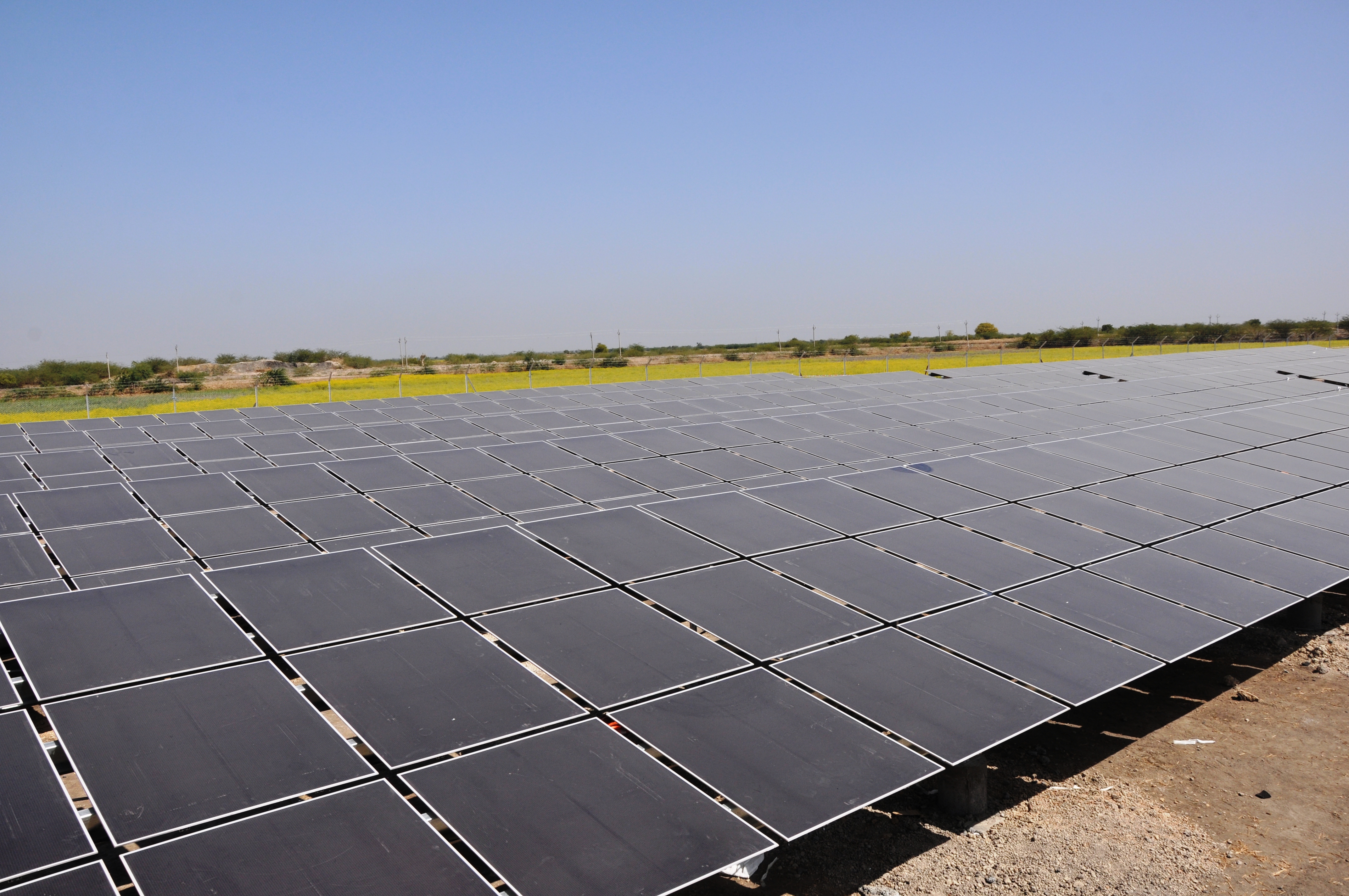
India’s power problem in 2026 is not a lack of generation capacity on paper — it is timing and fuel logistics. Nearly 55 percent of India’s generation now comes from non-fossil sources, a genuine achievement. But solar produces at midday and demand peaks in the evening, and India, as Reuters put it, is struggling to meet evening demand because it lacks enough batteries to store clean power generated during the day. So the evening peak still belongs to coal — and coal, unlike sunlight, has to be mined, loaded onto trains and delivered to 191 separate stockpiles. A grid can have record renewable capacity and a fuel-supply crisis at the same time. India currently has both.
The economics cut both ways. Every evening that factories voluntarily idle is lost production in the state that markets itself as India’s manufacturing engine — the same industrial base at the centre of New Delhi’s trade diplomacy (the Modi–Trump interim trade deal). And the short-term fixes states are reaching for — tendered coal power, new coal plants, emergency coal allocations — lock in the very fuel the energy transition is meant to retire, at exactly the moment the global market for that fuel is being reshaped by deals like the Trump–Putin diesel arrangement (the US–Russia diesel deal). Grid planners call this the evening-peak trap; India is its largest test case, with 1.4 billion people inside the experiment. The United States knows a version of it too — see this month’s 13-state PJM grid emergency — but India’s version arrives with thinner reserves and far less storage.
The government’s counter-case, stated fairly
The coal ministry’s position is that “critical” is a monitoring flag, not a countdown to shutdown. Earlier this month it said a plant classified as having critical stock is being flagged as a warning and does not necessarily mean the plant is running out of coal or about to close; plants with low stocks are being closely monitored and supplies are being redirected to ensure uninterrupted generation. It pointed to real logistics gains: rail loading averaged more than 465 rakes a day in October, with the 470-rake target met on three consecutive days, and it argued that holding transport at 465–475 rakes a day should stabilise stocks and rebuild them ahead of the festive season, winter and next summer. That case is not empty — India has ridden out critical-stock episodes before without nationwide blackouts, and average temperatures are forecast to ease slightly over the next two weeks, though staying above the 30-year average.
The honest tension is between those two readings. The ministry is right that critical does not mean empty. The CEA trend line — 60, then 87, then 96 critical plants while demand runs 45–50 gigawatts hot — is right that the margin is shrinking faster than the logistics are rebuilding it. Both can be true in October. The question is which one is still true in the next heat spike.
Who gains, who loses
Coal producers and rail freight gain volume and urgency; state utilities gain a public argument for the coal, nuclear and battery projects Gujarat says it is planning; battery-storage developers gain the clearest demand signal yet that India’s next power investment cycle is about shifting energy in time, not just generating more of it. The losers, if the squeeze tightens, are evening-heavy manufacturers asked to move production, households in states with the thinnest reserves, and a climate trajectory in which every demand surge is answered with more coal burn — coal generation already rose 13.3 percent in September, with hydropower’s 20 percent fall doing part of the pushing.
What happens next
Three tests decide whether this stays a warning or becomes an outage story. First, the rake count: if rail loading holds at or above roughly 465 rakes a day, the ministry’s rebuild path is credible; if it slips, the critical list grows again in the next CEA release. Second, the weather: forecasters expect temperatures to dip slightly but remain above seasonal norms, and irrigation demand is adding to the load — another hot fortnight would eat the recovery. Third, the tenders: seven states are buying short-term coal power, and whether those tenders clear at tolerable prices will show how scarce evening energy really is. Watch, too, for whether Gujarat’s voluntary evening appeal becomes mandatory for any industry class — that escalation, more than any stock figure, would mark the moment the shortage reached consumers.
Sources: Reuters, October 21, 2026 (Central Electricity Authority data; Gujarat utility appeal and state tenders); Hindu BusinessLine, October 21, 2026; Coal Ministry statements reported October 2026. Plant-stock figures are as of October 19; no state had ordered mandatory power cuts at the time of publication, and Gujarat’s factory appeal is voluntary.