The Sri Lanka nationwide blackout began shortly before midday on Saturday, October 17, 2026, when instability in the national transmission network cascaded into a total system failure — cutting grid power to all 22 million people on the island for around seven hours, shutting down the country's largest coal plant, halting major water treatment works, and forcing the government to order rooftop solar owners to disconnect their own panels before the lights could come back on.
Sri Lanka / An island of 22 million went dark at lunchtime — and the sun itself is one of the suspects
What happened on Saturday
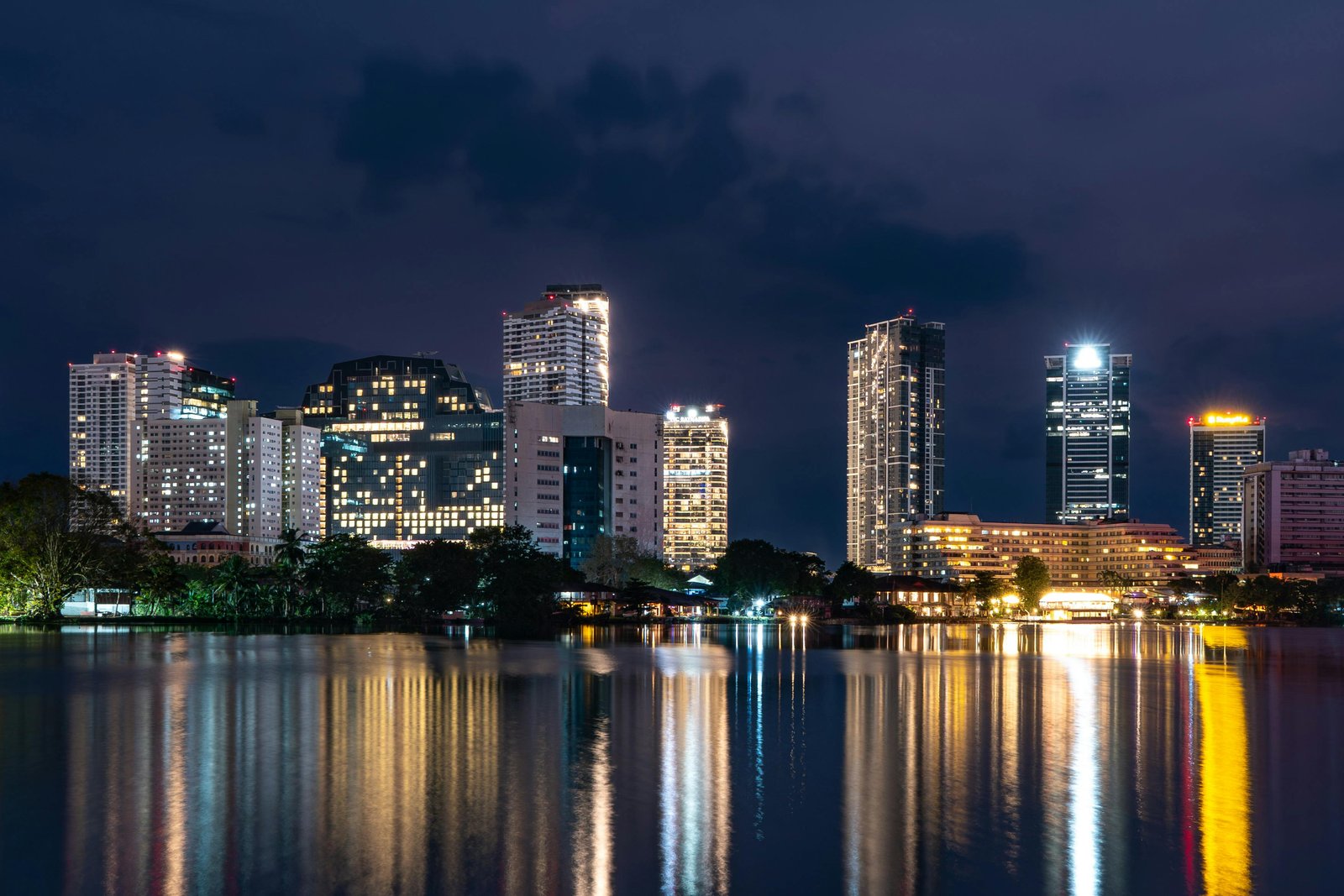
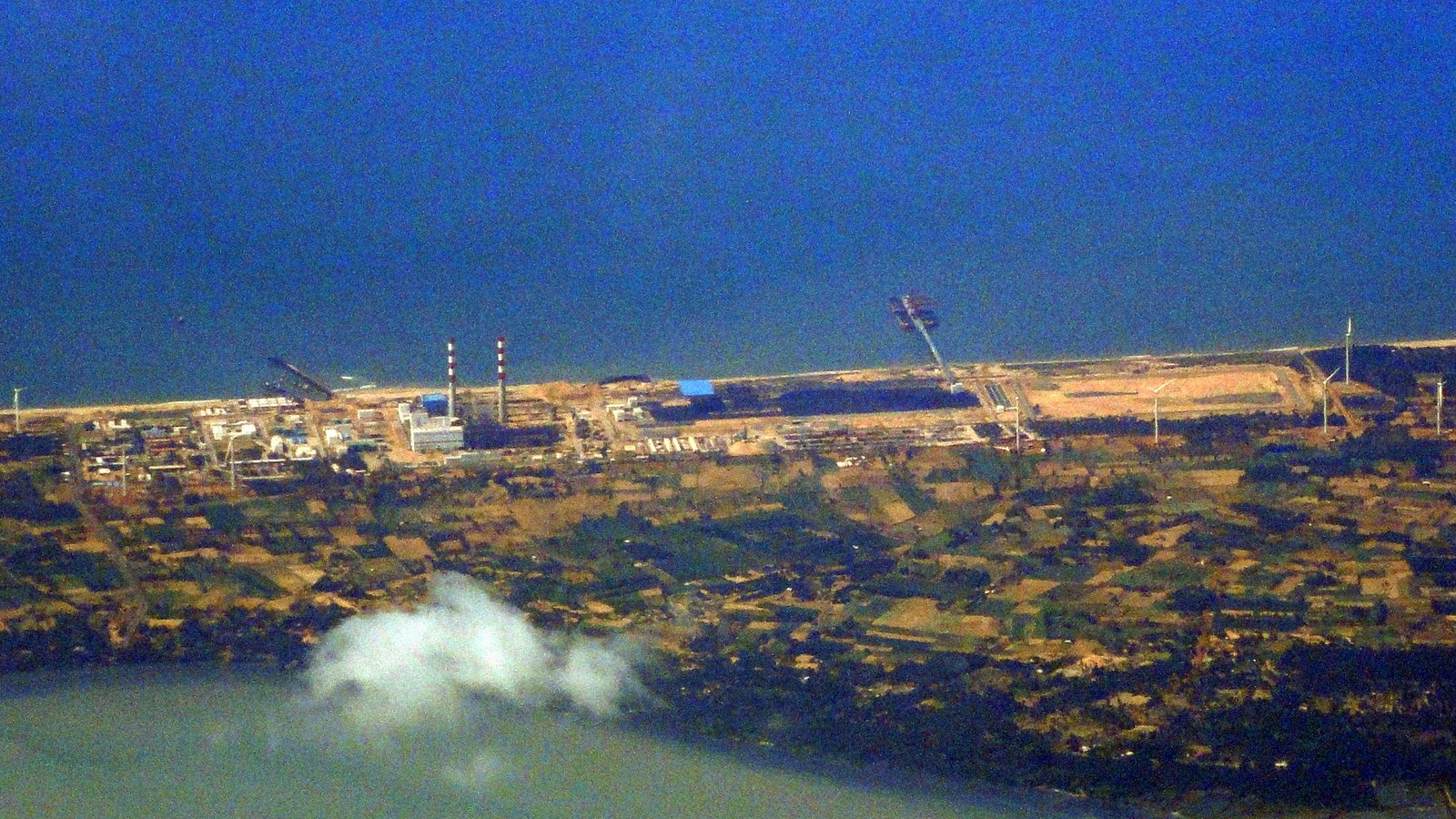
The failure began late on Saturday morning. The National System Operator (NSO), the successor company to the Ceylon Electricity Board, said instability in the national grid caused a total system failure in the transmission network, experienced islandwide from around noon. Local reporting put the first outage reports at about 11:00–11:45 a.m. Shortly after the collapse, the NSO asked owners of residential and commercial rooftop solar photovoltaic systems to disconnect their installations from the grid until further notice, to facilitate restoration. All three generating units at the Norochcholai Lakvijaya coal power plant — the country's only coal station, at 900 megawatts its largest single source of power — were reported shut down. Water supplies were hit as well: treatment operations at the Ambatale and Biyagama plants were temporarily halted, and the water agency warned the public to use water sparingly. Mobile networks congested as people tried to reach family members, and internet services were disrupted in places.
Restoration was staged, the only safe way to rebuild a dead grid. Power began returning district by district through the afternoon, and Sri Lanka's Daily Express reported that supplies had been restored to most parts of the island by Saturday evening, after an island-wide blackout lasting around seven hours. Other outlets put the core outage at around six hours, from about noon until dusk. The NSO later announced the transmission system had been fully restored and that supply was expected to return to normal shortly. Ports, Civil Aviation and Energy Minister Anura Karunathilaka said the government would appoint a high-powered committee of experts to determine the precise cause, identify technical or operational shortcomings, and establish whether the failure could have been prevented. "Our immediate concern was restoring the power supply. We will do everything possible to prevent a recurrence of such power outages," the minister said, expressing regret for the inconvenience caused.
Two suspected causes — and neither is confirmed
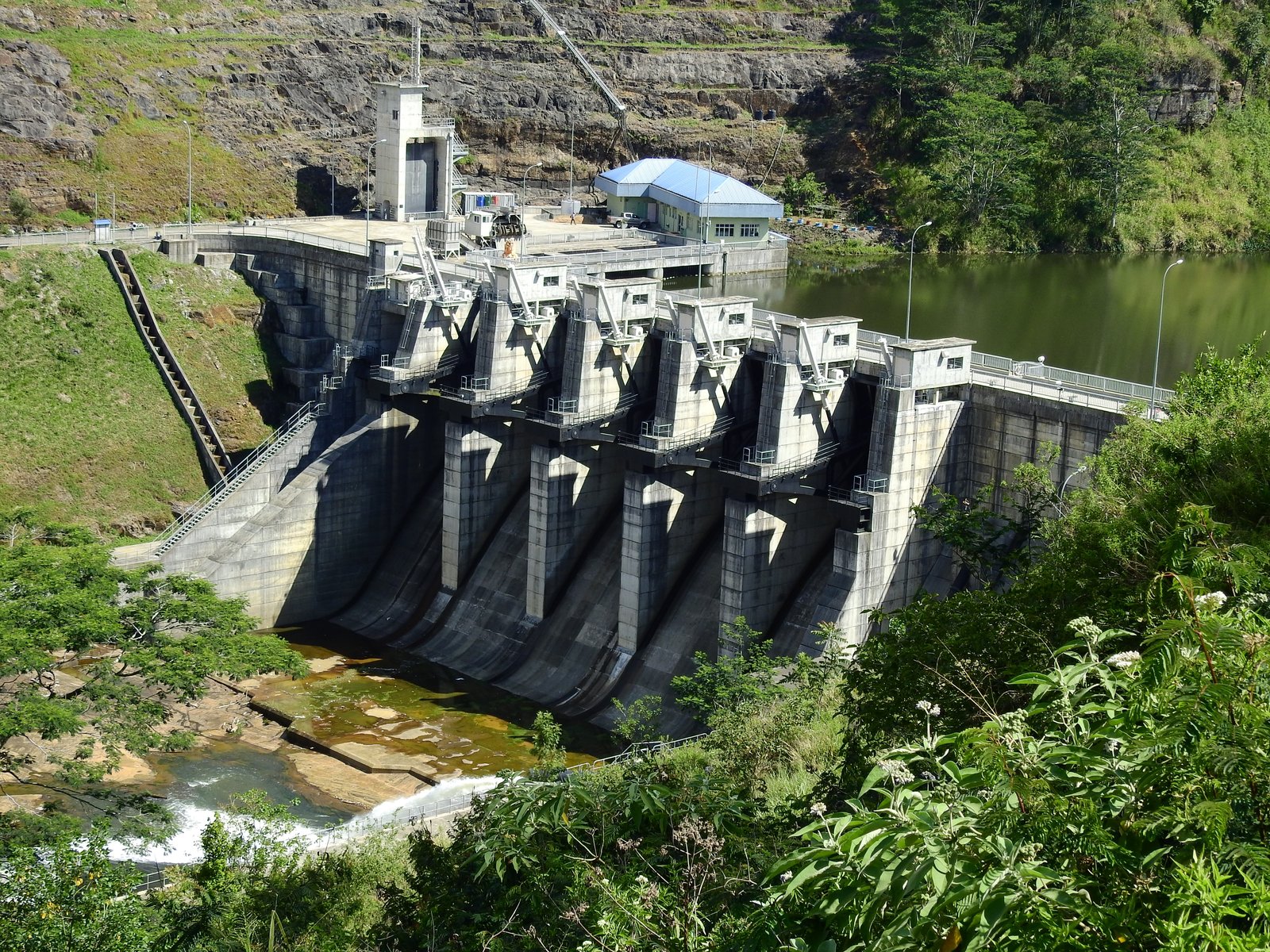
Read the first day's reporting carefully and there are two different explanations circulating, and an honest account has to carry both as unconfirmed. The first is the solar explanation. AFP reported that officials suspected the grid tripped possibly because solar power generation exceeded consumption: on a bright weekend, with demand muted, rooftop and utility solar can push more power into a small island grid than the system can absorb, and frequency and voltage control become difficult. That is not speculation in a vacuum — it is exactly what officials concluded happened in February 2025, when the entire grid shut down on a bright, sunny Sunday and took more than six hours to restore. The second explanation, carried by the Daily Express and Anadolu's reporting, points the other way: a failure at a generating unit of the Upper Kotmale hydropower plant in the central hill country, where a technical issue had reportedly been detected a day earlier, may have destabilised the system at the wrong moment. The NSO itself initially attributed the outage only to "instability" and did not establish an exact cause. Both mechanisms could even be true at once — a hydro unit tripping on a low-demand, high-solar day is precisely the kind of nudge a tightly balanced grid cannot absorb. The expert committee, not the first day's headlines, will decide. Anything firmer than that, at this stage, would be invention.
The numbers that explain the fragility
Sri Lanka's grid is small enough that arithmetic, not malice, explains its vulnerability. The island has just over 3,000 megawatts of installed solar capacity, while daytime demand ranges from only about 2,000 to 2,500 megawatts. On a sunny weekend midday, solar output alone can approach — or exceed — total demand. In a large continental grid, surplus power flows away across interconnectors to neighbours. Sri Lanka is an island: there is nowhere for surplus power to go, no neighbour to absorb a fault, and no neighbour to import stability from when a big unit trips. Its largest coal plant, Norochcholai, supplies roughly 15 percent of national power from a single site; when all three of its units shut down during Saturday's failure, that share vanished at the moment the system was trying to recover. Tax concessions have deliberately encouraged households to install rooftop solar and sell surplus power back to the grid — a policy success that has outpaced the grid's ability to manage thousands of small, uncontrolled generators feeding in at once. The government aims to lift solar capacity to nearly 4,400 megawatts within three years, a 388 percent increase from 2024. Ambition is not the problem. The problem is sequencing: generation is being added far faster than the storage, grid-forming inverters, curtailment automation and operating reserves that make a solar-heavy island grid survivable on its hardest hour — a bright, low-demand weekend lunchtime.
Why this matters
A seven-hour blackout is an inconvenience story only until you list what actually stopped: water treatment, mobile connectivity, businesses and industry, households without refrigeration or communication, and hospitals running on backup generation. For a country still rebuilding economic credibility after its worst financial crisis in decades — and which endured scheduled power cuts during the fuel-shortage years — an unplanned, total, nationwide failure lands differently than it would elsewhere. Electricity reliability is not a utility detail in Sri Lanka; it is a politically charged memory. Beyond Sri Lanka, the episode is a case study every small and island grid is now studying, in the same family as Cuba's repeated nationwide collapses (covered on this site) and the emergency grid orders issued across thirteen U.S. states this month: the energy transition's hardest problem is not generating clean power, it is keeping a system stable at the extremes — too little power on a calm evening, and, as Saturday showed, too much of it on a sunny weekend. A grid that can fail from abundance has not finished its transition; it has only finished the easy half.
Both sides of the argument
Defenders of the government's energy programme make a fair point: rooftop solar cut fuel imports, lowered household bills, and reduced the foreign-exchange drain that helped trigger the economic crisis — and February 2025's lesson was available to engineers, not just critics. Critics answer that a second total failure in twenty months, with a substantially similar suspected mechanism, is itself the finding: whatever was recommended after 2025 was not implemented fast enough, and asking citizens to manually disconnect their panels during an emergency is an admission that automated curtailment and storage were never built. Both can be true. Solar did not "cause" Saturday in any simple sense — grids are designed to survive surplus and unit trips alike, and a well-resourced system operator treats a sunny Saturday as a planning case, not an emergency. What Saturday exposed is the gap between the grid Sri Lanka is building and the operating system needed to run it.
What happens next
Three things to watch. First, the expert committee's report: whether it names the Upper Kotmale unit, the solar surplus, a protection-system failure, or a combination — and whether its findings are published in full. Second, the operating rules: expect pressure for automated rooftop-solar disconnection, mandatory grid-support settings on new inverters, and a faster timetable for battery storage, because a manual appeal to thousands of households cannot be the standing emergency plan. Third, the politics: energy security is a live wire in Sri Lankan public life, and the opposition will ask the simplest question available — why did the lesson of February 2025 not prevent October 2026? Until the inquiry reports, the verified facts are these: the grid failed totally, 22 million people lost power for roughly six to seven hours, the largest coal plant shut down, solar owners were ordered off the grid to help restart it, and most supplies were back by Saturday evening. The cause is officially unconfirmed. That distinction — between what is known and what is suspected — is where this story will be won or lost in the weeks ahead.
Related coverage: Cuba's nationwide blackout and what repeated total grid failures do to a country · Power-grid emergency across 13 U.S. states: the PJM order explained
Sources
Agence France-Presse reporting, October 17, 2026 (nationwide blackout, suspected solar surplus, minister's restore "stage by stage" statement, February 2025 precedent and solar capacity figures), via The Business Standard and syndication; Daily Express (Sri Lanka), October 17–18, 2026 (seven-hour duration, restoration to most areas by Saturday evening, expert-committee announcement, suspected Upper Kotmale unit failure); Anadolu Agency reporting via NewsCord's multi-outlet summary, October 17, 2026 (NSO total-system-failure statement, Upper Kotmale attribution, water and connectivity disruption); National System Operator statements as reported October 17, 2026 (islandwide failure, rooftop-solar disconnection request, full transmission restoration); local reporting on the Norochcholai/Lakvijaya shutdown and the 11:45 a.m. Colombo district outages, October 17, 2026. Cause statements are attributed to the officials and sources who made them; no cause is stated as confirmed in this article.