Japan false 9.9 earthquake warning: on Friday, the Japan Meteorological Agency issued — and then, for the first time at its highest alert level, withdrew — an emergency warning for an earthquake that did not exist at anything like the stated size.
The 9.9 That Never Was: Japan's False Alarm, Heard Across the Pacific
Track it live: Live earthquake tracker — follow significant earthquakes worldwide as they are detected and reviewed.
There is a sound millions of people in Japan know in their bodies before their minds catch up: the earthquake early-warning tone. On Friday it sounded for the worst message the system can send. At 12:40 p.m. local time, the Japan Meteorological Agency (JMA) issued an emergency earthquake warning forecasting shaking of up to intensity 7 — the maximum on Japan's own seismic scale — across a vast arc of the country running from Hokkaido through the Chubu region, including Tokyo. The estimated magnitude behind that warning was 9.9.
Sit with that number for a moment, because the people who received the alert did. Magnitude is a logarithmic scale: each whole step multiplies the energy released by roughly 32, so the three steps between a 6.9 and a 9.9 represent something like 31,600 times more energy. The largest earthquake ever instrumentally recorded, at Valdivia in Chile in 1960, measured 9.5. The 2011 Tohoku earthquake and tsunami, which killed more than 18,000 people in Japan, measured 9.1. A real 9.9 would not have been a Japanese disaster; it would have been a planetary event. For eight minutes on Friday, that is what Japan's warning system told Japan to prepare for.
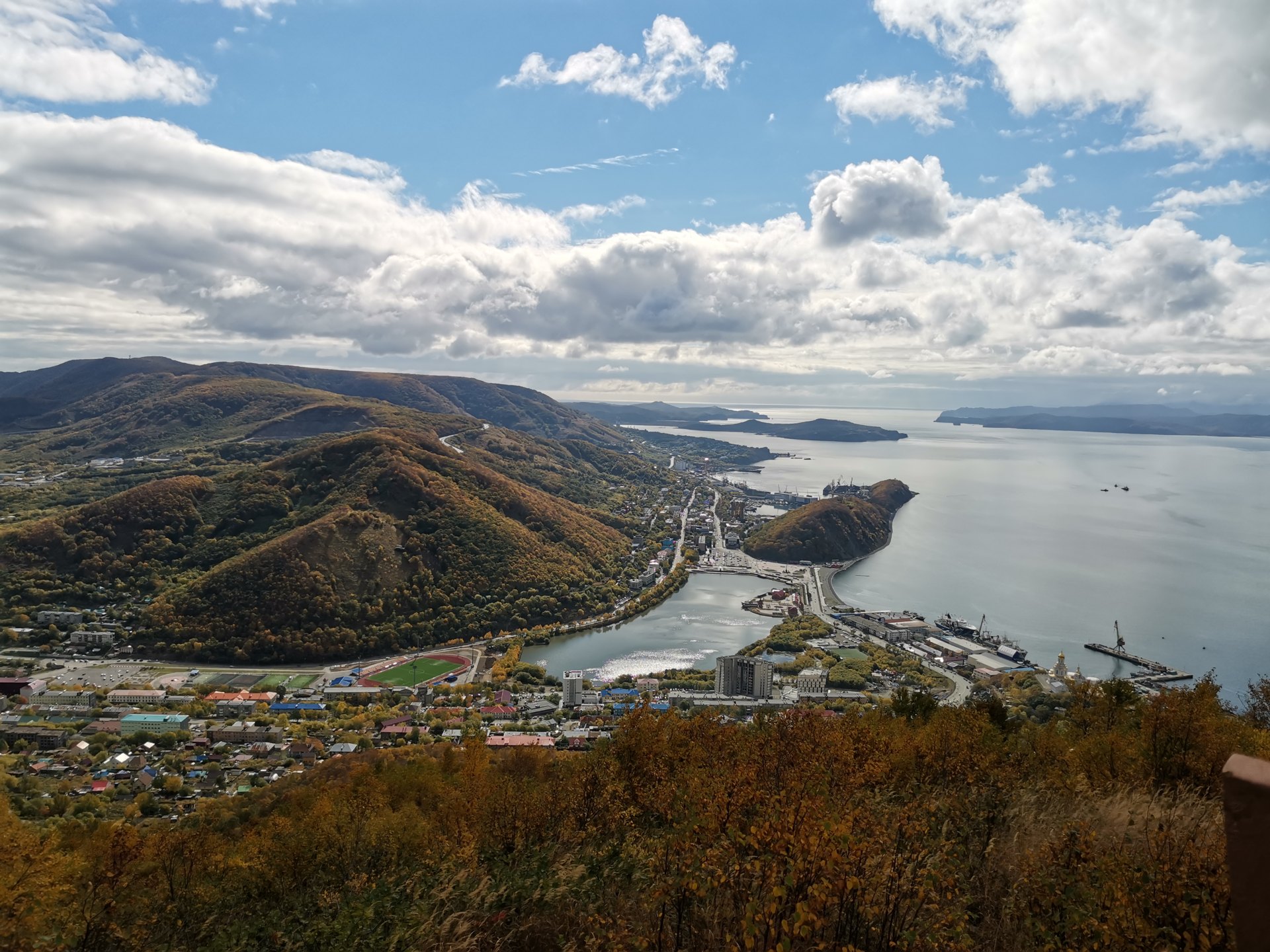
Then, at about 12:48 p.m., the warning was withdrawn. The earthquake that actually happened — at 03:35 UTC, 12:35 p.m. Japan time — was a magnitude 6.9 located 76 kilometres northeast of Ozernovskiy on Russia's Kamchatka Peninsula, at a depth of about 143 kilometres, according to the U.S. Geological Survey (event us6000u2mq). It carried a Green alert, the lowest concern level. The Pacific Tsunami Warning Center stated at 03:43 UTC that there was no tsunami threat. No damage and no casualties have been reported. The strongest shaking actually observed in Japan was intensity 1 in Hakodate, Hokkaido — the level at which some people indoors notice something, and most notice nothing at all.
Eight minutes, reconstructed
The timeline the JMA laid out reads like a system sprinting away from the truth before catching itself. The agency's network first detected the earthquake's waves at 12:38:10 p.m. Its automated estimate of the quake's size climbed fast — from magnitude 7.3 to, at 12:39:23, magnitude 9.9. The system also placed the epicentre in the Kuril Islands, at 48.2°N, 153.4°E and a depth of 140 kilometres — which is to say, it put a colossal earthquake much closer to Hokkaido than the real, smaller one off Kamchatka. At 12:40:02 the first emergency warning went out, and an update at 12:40:41 held the estimate at 9.9. Only at about 12:48 — roughly eight minutes after the warning — was it cancelled.
Every element of the error compounded the others. The depth estimate, around 140 kilometres, was close to the USGS figure of 143 kilometres; it was the location and the magnitude that ran away. A deep 6.9 far offshore is a curiosity. The same depth attached to a 9.9 in the Kurils is a national emergency, and the warning system, doing what it is designed to do with the numbers it had, told the country to brace. Understanding Friday's failure means holding both halves of that sentence: the numbers were wrong, and the system faithfully broadcast them.
A country that stopped, briefly
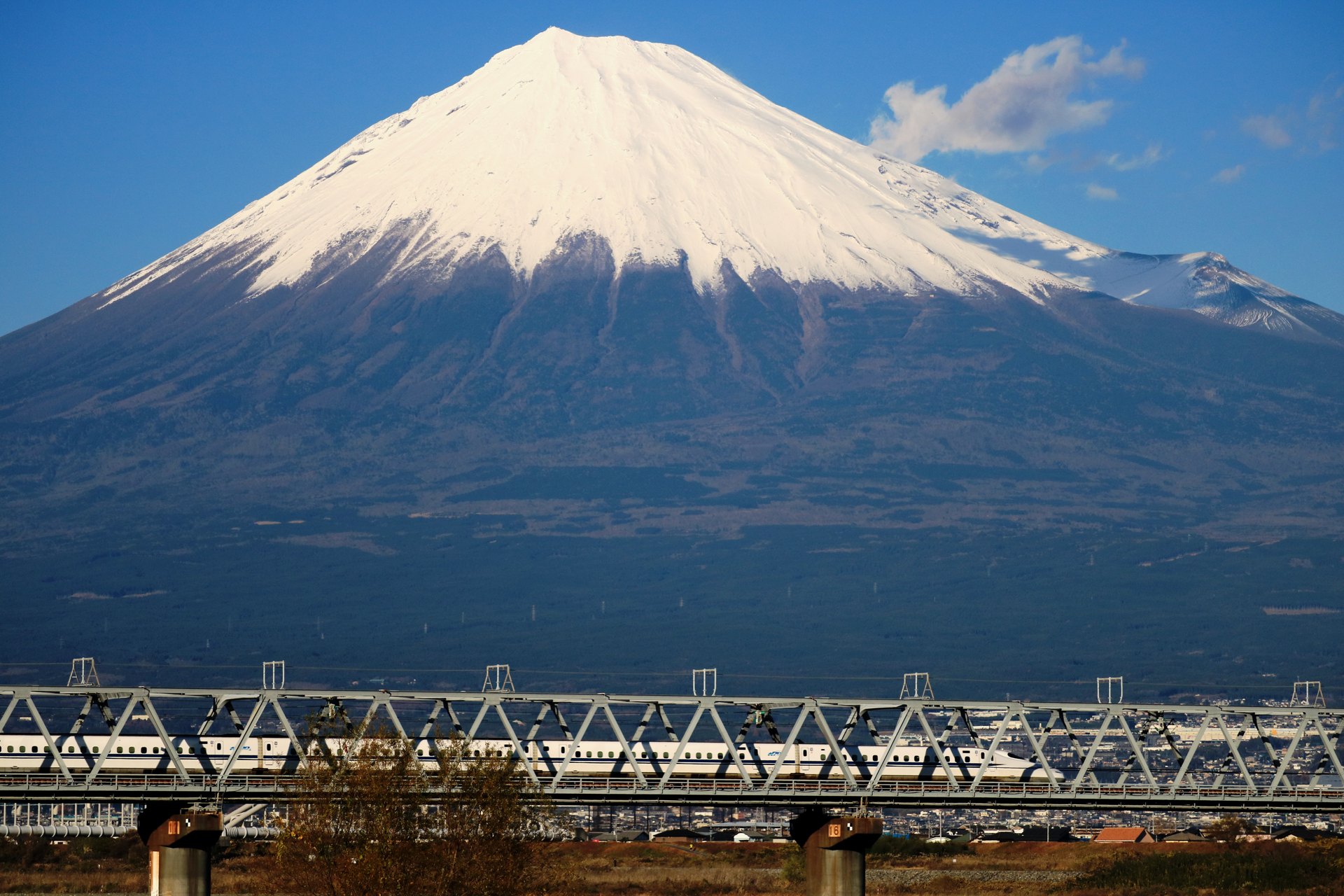
The warning's footprint in those eight minutes — and in the confusion that outlasted them — shows how deeply the alert is wired into Japanese life. On the Tokaido Shinkansen, the protection system automatically cut traction power when the warning landed, and JR Central suspended services in both directions between Shin-Yokohama and Toyohashi for about fifteen minutes, according to reporting via FNN; trains resumed around 1:00 p.m., with some westbound delays running into the afternoon. JR Hokkaido suspended some conventional-line services. Yahoo Japan's search service was disrupted by the surge of people doing exactly what people do when their phone tells them the world is ending: searching for what is happening.
The state paused too. Chief Cabinet Secretary Minoru Kihara postponed a Diet budget committee session for roughly forty minutes while briefings were held at the Prime Minister's Office — a small fact that says a large thing: for the better part of an hour, the machinery of Japan's government was organised around an earthquake that, at the advertised size, had not occurred. And when the all-clear came, it came with its own controversy: the audible cancellation alerts drew criticism from some members of the public, a reminder that in a warning system, every sound is a decision about how much alarm to spend.
The apology, and the unanswered question
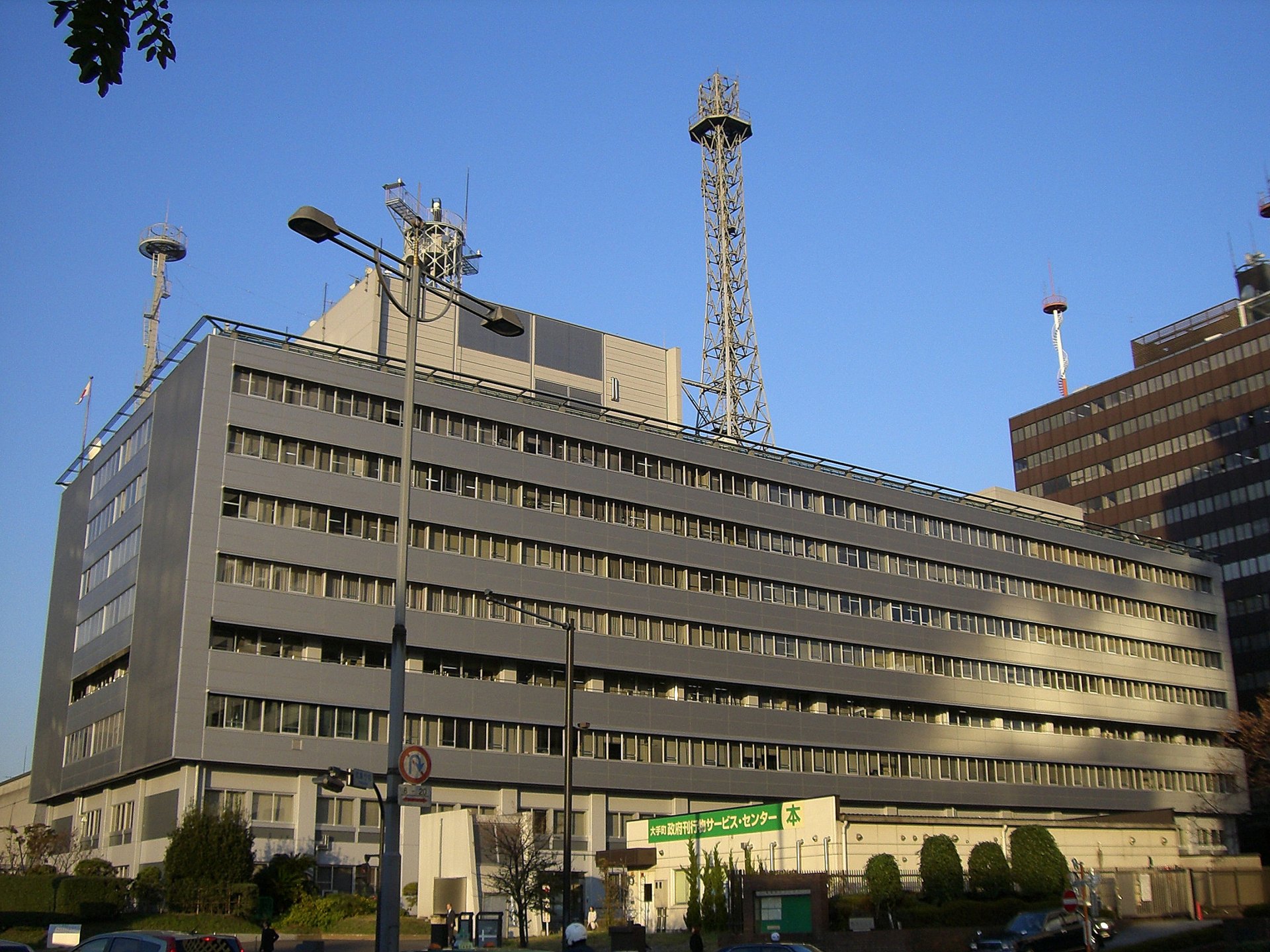
At 2:00 p.m., the JMA faced the cameras. Ayataka Ebita, director of the agency's Earthquake and Tsunami Monitoring Division, apologised for the erroneous warning. Officials said the cause remains under investigation, that there is no indication of a cyberattack, and that the problem appears to lie in information processing rather than hardware. The system, they stressed, remains operational.
One possible factor hangs in the air without, so far, official confirmation: geography. The JMA's domestic station network reaches its northern limit around Nemuro, in eastern Hokkaido. Kamchatka lies beyond that network — outside the fence of instruments the system was built around, in the waters of a neighbouring country's coastline. An earthquake there arrives at Japanese sensors from outside the array, which is precisely the geometry that can make automated location and magnitude estimates unstable in their first seconds. The JMA, to its credit, did not seize on that explanation: officials explicitly did not establish the offshore, out-of-network location as the cause. The honest summary of the 2:00 p.m. briefing is narrower and, for a scientific agency, more creditable — we were wrong, we are sorry, we do not yet know why, and it was not, so far as we can tell, an attack.
Why this matters
Start with the historical marker, because the JMA itself set it: this was the first time the agency has ever withdrawn an earthquake early warning issued at its highest alert level. Japan's system, operating since 2007, is the world's most mature — studied, copied and envied by seismologists everywhere, including along the Pacific coast of the Americas, where quakes of the Kamchatka type are a standing concern; the contrast with regions still building their detection capacity is one this site drew recently in covering Panama's earthquake emergency and its aftershock sequence. A first-ever cancellation at the top level is therefore not a footnote. It is a stress test the system failed in public, and the failure mode matters more than the failure.
The defence of early warning is real, and it should be stated plainly. These systems work by reading the first, faster, weaker waves of an earthquake and estimating the shaking to come — which means they are, by construction, decisions made from partial data in the first seconds. An early-warning system that waits for certainty is not an early-warning system; it is a news service. Seconds of warning stop trains, pause surgeries, open elevator doors and get children under desks, and on the day a genuine 9.1 arrives off Tohoku, nobody will wish the system had been more cautious. If Friday's error makes the JMA slower to warn next time, the trade could cost far more than eight minutes of fear.
But the cost side of Friday is real too, and it is denominated in trust — the only currency a warning system actually has. A false alarm at magnitude 9.9 is not like a false alarm at 6.5. It asked tens of millions of people to contemplate the largest earthquake in recorded history, and some of them will remember the feeling the next time the tone sounds. Warning scientists have a name for the risk: cry-wolf decay, the slow erosion of response when alerts outrun events. The USGS estimates for the real quake — about 14,000 people feeling moderate shaking and 214,000 feeling light shaking, almost all of them in Russia's Far East — underline the mismatch: the population that actually shook was a rounding error next to the population that was warned. Every false alarm spends credibility; the question the investigation must answer is whether Friday's was an unavoidable price of speed, or a fixable defect in how the system handles quakes arriving from outside its own network — because as the Panama earthquake reminded the Americas this month, the next big one will not announce which category it belongs to.
The quake itself, in its real proportions
Lost in the false alarm is the actual earthquake, which deserves its own paragraph of proportion. A magnitude 6.9 at 143 kilometres deep, 76 kilometres offshore from Ozernovskiy, is a significant but routine event for one of the most seismically active coastlines on Earth. Kamchatka sits on the Kuril-Kamchatka trench, where the Pacific Plate dives beneath the peninsula along the Ring of Fire; this is the same arc that produced a magnitude 8.8 earthquake in 2025, among the largest ever recorded. Depth was Friday's quiet mercy twice over: at 143 kilometres down, the 6.9's energy dissipated long before it could trouble the surface, which is why the ledger reads Green alert, no tsunami, no damage, no casualties — and why the strongest Japanese observation, intensity 1 in Hakodate, would not have rattled a teacup. The earth did something ordinary on Friday. It was the measurement that did something extraordinary.
What happens next
The investigation is now the story. The JMA has to explain how an estimate climbed from 7.3 to 9.9 and held there through two issuances — what its algorithms did with waves arriving from beyond the network's northern edge, and whether safeguards for out-of-network events need to change. Expect the questions to be technical and the stakes to be institutional: the agency has already said the system stays live, so whatever fix emerges will be applied to a running machine that Japan cannot switch off. Watch, too, for the regional ripple. South Korea, Taiwan, Russia's Far East and the U.S. West Coast all watch the same Pacific arcs; how Japan handles the world's most-watched false alarm will shape how far — and how fast — everyone else is willing to automate their own warnings. And the practical advice for the public, implicit in everything officials said on Friday, is unchanged: when the tone sounds, act first and verify second. Friday does not change that calculus. It just makes the verification half of it a national conversation — which, handled honestly, may be the healthiest outcome a false alarm can have.
Sources: U.S. Geological Survey event page us6000u2mq (magnitude 6.9, 76 km NE of Ozernovskiy, Kamchatka, 03:35 UTC October 16, 2026, depth ~143 km, Green alert, felt-population estimates); Japan Meteorological Agency statement and press conference of October 16, 2026 (warning timeline, withdrawal, apology by Ayataka Ebita, investigation status); Pacific Tsunami Warning Center statement of 03:43 UTC (no tsunami threat); The Watchers reporting on the JMA false warning; Japanese news reporting by NTV and FNN (Tokaido Shinkansen suspension via JR Central, JR Hokkaido suspensions, Yahoo Japan Search disruption, Diet session postponement). Figures for the warning timeline are Japan Standard Time as given by the JMA.