Trump pocket rescission
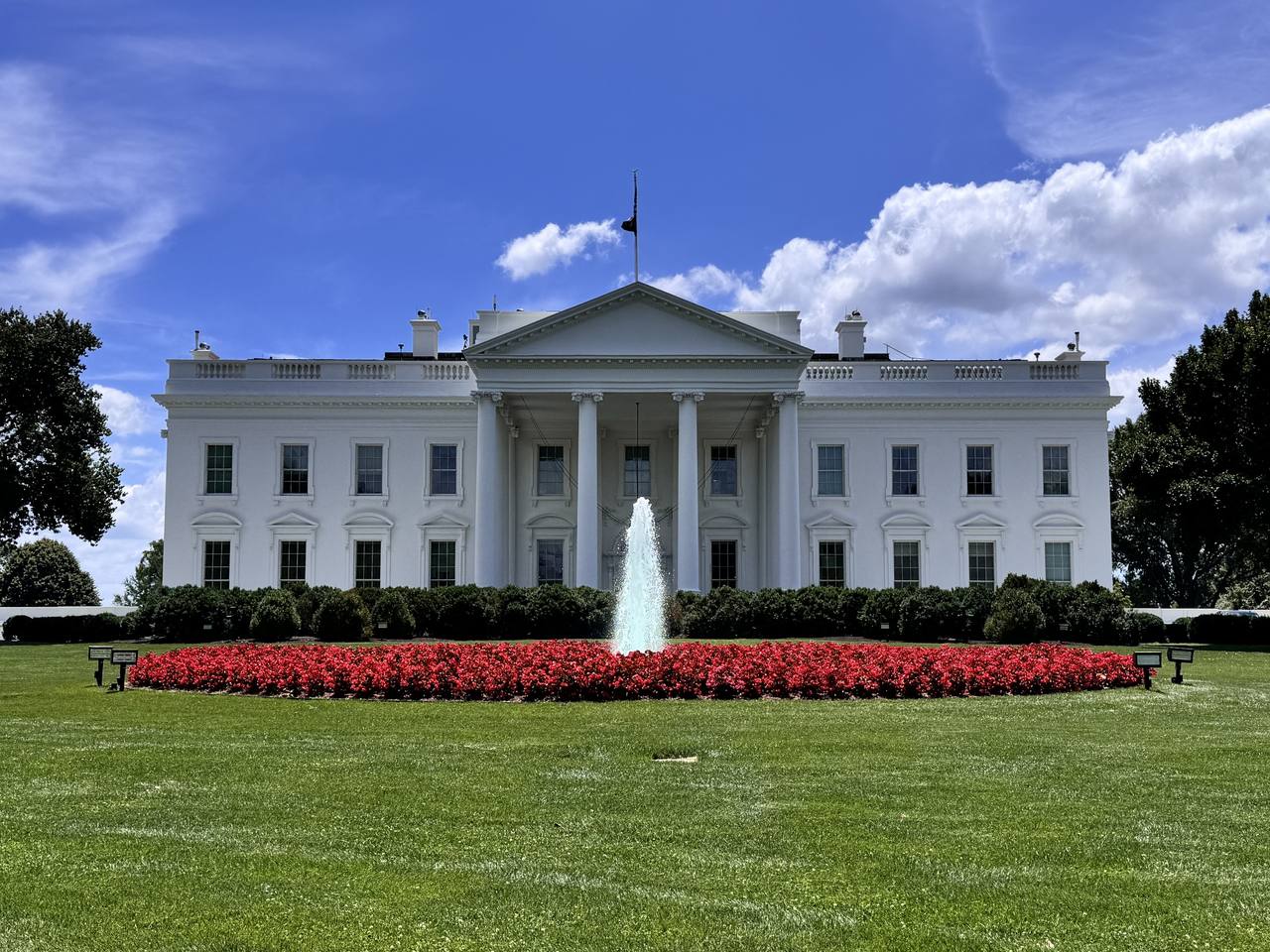
WASHINGTON — President Donald Trump is canceling nearly $1 billion in spending approved by Congress, the White House announced on Friday, using a rare and contested power to axe funding for immigrant services and diversity-focused initiatives. Trump's Office of Management and Budget described the funding cut as focused on “the most harmful government spending.” It is the second “pocket” rescission in 50 years — and both have been issued by Trump during his second term.
The announcement, made Friday evening with just five days left in the federal fiscal year, sets up a direct confrontation with Congress over the Constitution's power of the purse — and drew an unusually sharp rebuke from a Republican ally, Senate Appropriations Committee Chairwoman Susan Collins of Maine.
Why it matters
This is not a routine budget trim. A pocket rescission strikes at the core of how American government spending works: Congress appropriates, the president executes. By proposing the cancellation so close to the September 30 end of fiscal 2026 that lawmakers have no realistic chance to vote on it, the White House effectively lets the money expire unspent — achieving by timing what it could not achieve by persuasion. The Government Accountability Office says the maneuver is illegal. If it becomes a normalized end-of-fiscal-year ritual, Congress's appropriations power becomes advisory rather than binding, and every future spending deal carries an asterisk.
What is being cut
Most of the cuts target services for immigrants, including nonprofits that serve refugees and unaccompanied minors accused of being in the country illegally, according to the Associated Press. The administration says the funds are no longer necessary because illegal border crossings have diminished considerably.
Also targeted, per the AP: a Department of Education program for migrant students, a Department of Justice office focused on reducing racial tensions, a business development initiative for minority entrepreneurs, housing counseling services from the Housing and Urban Development Department, and a series of Health and Human Services grants the administration called “outright harmful and blatantly ideological.”
The Washington Examiner reports the package strips about $810 million across immigration and refugee programs, foreign debt-relief programs, grants for minority-owned businesses, and various research and education programs. A White House press release announcing the rescissions notes that some of the affected organizations are led by people who worked in the administration of Democratic President Barack Obama.
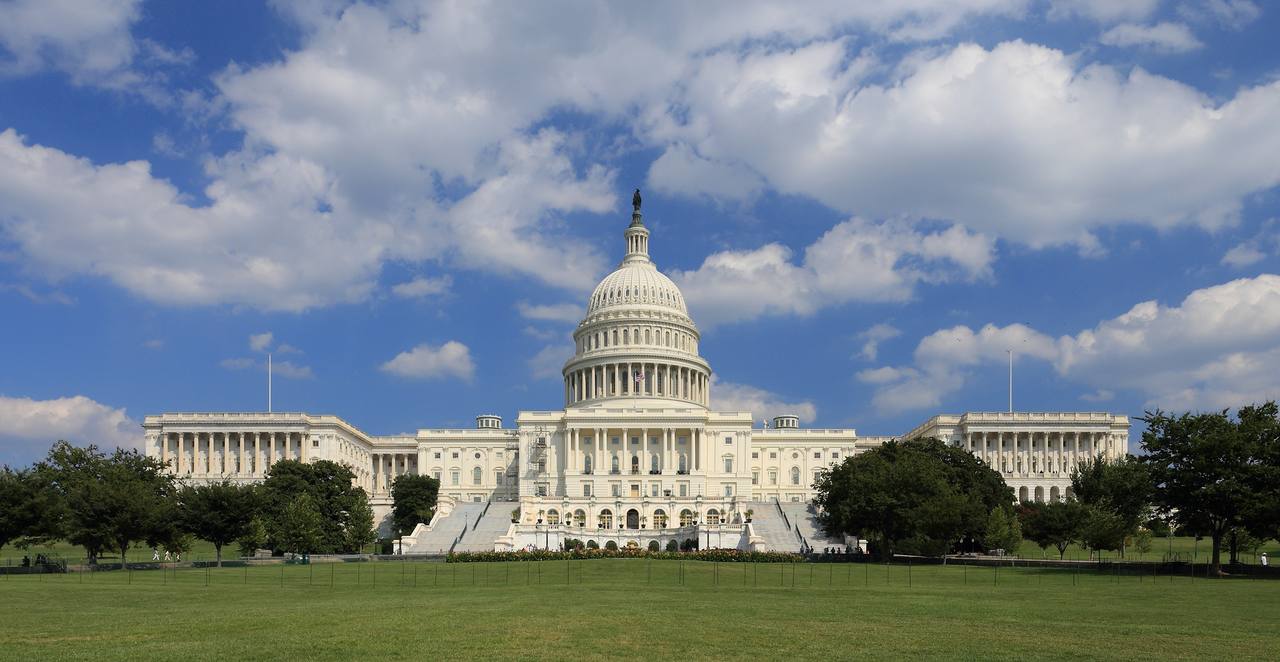
The “pocket rescission” maneuver, explained
Under the Impoundment Control Act of 1974, a president may ask Congress to rescind funding it already approved — but Congress normally gets 45 days to consider the request. A “pocket” rescission exploits the calendar: the request is submitted inside the final 45 days of the fiscal year, so the money expires on September 30 before lawmakers can act. Friday's package arrived with five days to spare, making congressional review all but impossible.
The Government Accountability Office, Congress's own watchdog, says the maneuver is illegal. The White House framed the package differently — as part of Trump's “commitment to the American taxpayer,” tied to his drive against government fraud, waste, and abuse through the Department of Government Efficiency and the White House anti-fraud task force.
The backlash: “a usurpation of Congress's appropriations powers”
The sharpest criticism came from inside Trump's own party. Senator Susan Collins, a Republican in a tough re-election campaign and chair of the Senate Appropriations Committee, condemned the move, saying it came without warning or consultation and that she would work with colleagues to address “these illegal actions.”

Collins called the rescission “the most recent attempt by this Office of Management and Budget to undermine Congress's Constitutional power of the purse.” Her rebuke follows another recent congressional confrontation over executive war powers: the Senate's 50–49 vote rejecting an Iran war-powers resolution.
The first time: 2025's $4.9 billion foreign-aid rescission
Trump issued the first pocket rescission in five decades in 2025, canceling $4.9 billion in spending on foreign aid. Friday's package is smaller in dollars but broader in domestic impact — and it confirms the maneuver was not a one-off. Two uses in two years, both in the closing days of the fiscal year, establish a pattern: controversial cuts are now timed to outrun the 45-day congressional review window the law provides.
The dispute is part of a wider argument over the limits of presidential control. Signal Post News has also covered the federal ruling blocking Trump's White House press ban and the earlier lawsuit challenging that access policy.
Who wins and who loses
Winners, in the near term: the White House, which converts a campaign promise on waste and immigration into immediate action without a congressional vote; and supporters who see nearly $1 billion in contested spending erased.
Losers: the nonprofits and agencies serving refugees, unaccompanied minors, migrant students, and minority entrepreneurs, which lose funding overnight; and Congress as an institution — particularly Republican appropriators like Collins, whose constitutional role is diminished when the executive branch can nullify bipartisan spending deals by watching the calendar. For taxpayers, the claimed savings are real but symbolic relative to the overall federal budget; for the programs affected, the cuts are existential.
What happens next
The money expires with the fiscal year on September 30, so the practical window for Congress to intervene is essentially closed — but the legal fight is just opening. Collins says she will work with colleagues to address what she calls illegal actions, and impoundment disputes have historically ended up in court, where the GAO's illegality finding carries weight even though the watchdog cannot enforce it itself.
Watch for lawsuits from affected organizations, a formal GAO legal opinion, and whether Congress attempts to tighten the Impoundment Control Act to close the pocket-rescission loophole. The deeper question is precedent: having used the maneuver twice, the White House has a template it can reach for every September.
Sources
Reporting note: The spending figures, affected programs, administration rationale and quoted congressional response are attributed to the Associated Press and Washington Examiner reports listed above. Legal characterizations are attributed to the Government Accountability Office and Senator Susan Collins.