Ukraine Black Sea maritime truce 2026
Lead
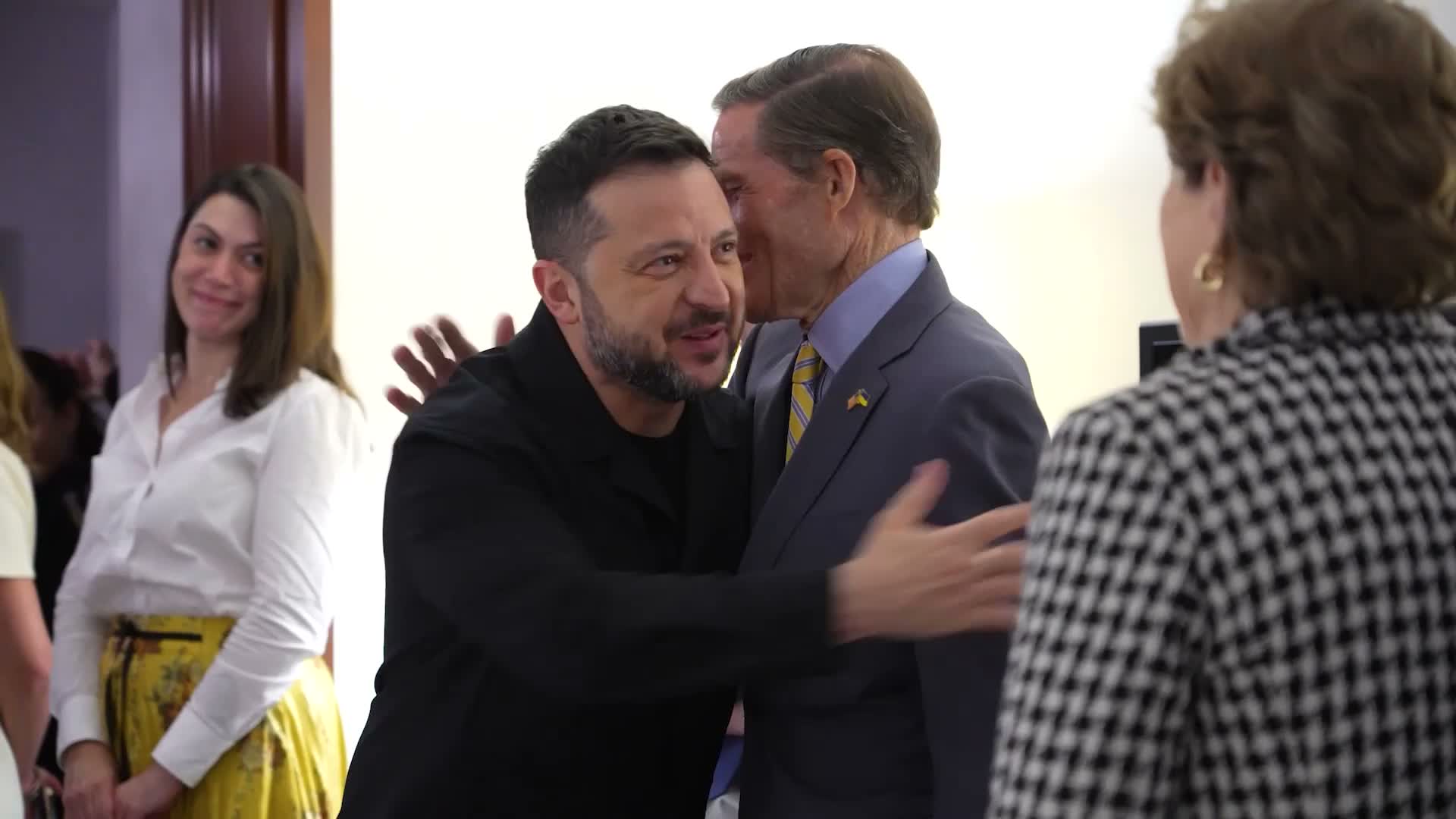
President Volodymyr Zelenskyy said at the Crimean Platform summit on the sidelines of the U.N. General Assembly on September 23 that Ukraine accepts a maritime truce framework based on proposals from Egypt, India and Turkey. The Ukraine Black Sea maritime truce 2026 offer would cover safe navigation and food security, while leaving Russia to decide whether it will take reciprocal steps.
“We are waiting for Russia's response. Ukraine is ready... to ensure safe shipping and food security in the Black Sea if Russia is ready to take real steps towards de-escalation too. We have to start somewhere.”
The statement confirms Kyiv's willingness to pursue a limited deal; it does not establish that a deal exists. The Kremlin has not publicly accepted the proposals, and the public record reviewed for this report contains no signed text, start date, monitoring mechanism or enforcement clause.
Why this matters
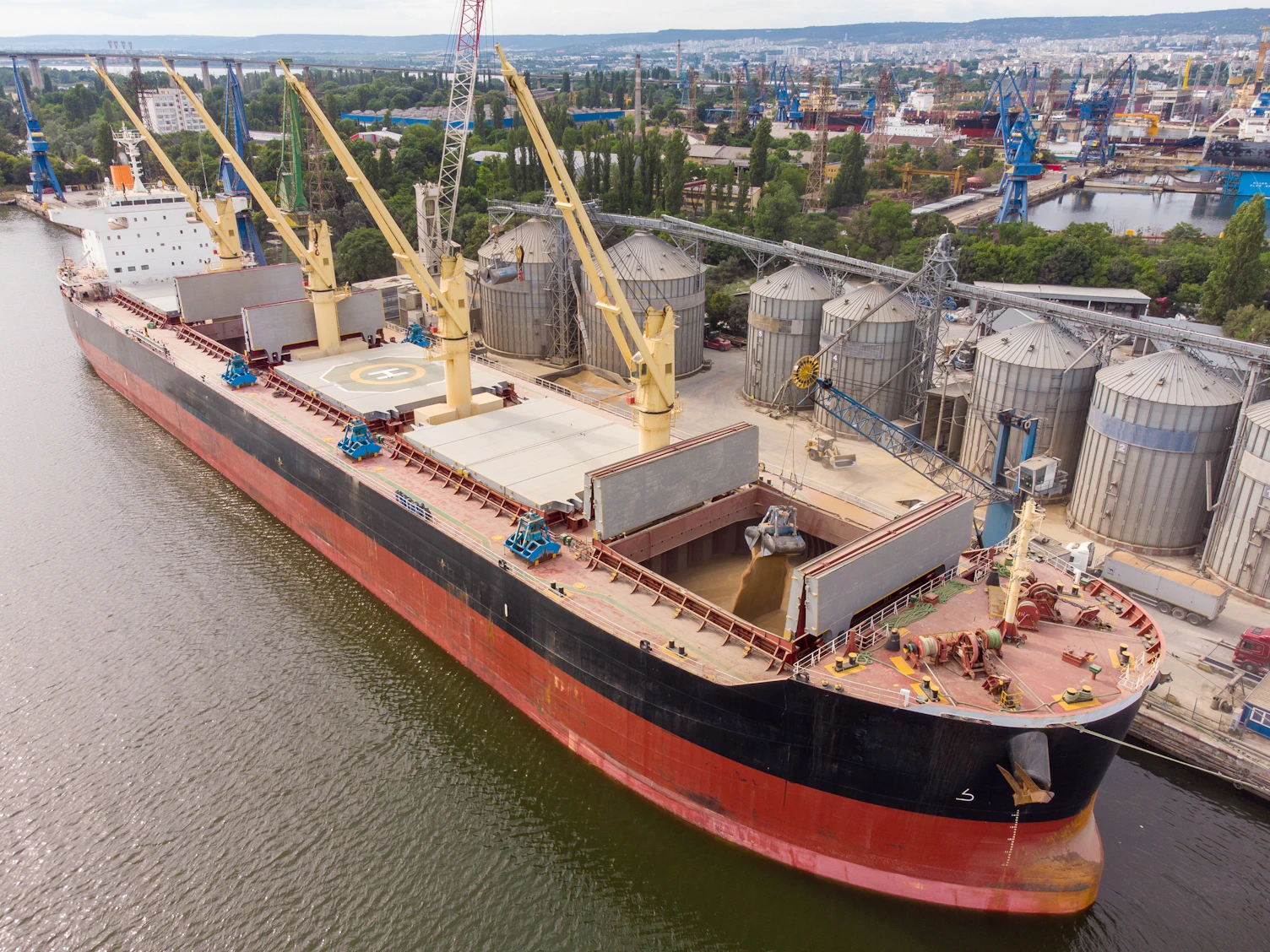
A Black Sea grain ceasefire between Ukraine and Russia could matter far beyond the battlefield. Reuters reported that cargo traffic was near a standstill after heavy attacks by both sides on vessels and port infrastructure, while major wheat importers in Asia, the Middle East and Africa were struggling to secure supplies and global wheat prices had risen sharply. A credible pause could reduce risk premiums, improve scheduling for civilian carriers and ease pressure on food-importing economies.
But the value of the Zelenskyy maritime truce proposal lies in verifiable behavior, not diplomatic wording. A narrow maritime agreement can create a first channel for de-escalation without pretending that the territorial war is settled. It can also fail quickly if either side interprets port facilities, naval drones, mine-clearing or dual-use cargo differently. The practical test is whether ships sail safely and whether violations can be investigated.
What was actually offered
Zelenskyy said Egypt, India and Turkey had outlined options to restore safe navigation for merchant shipping. Those three states have distinct stakes: Egypt is a major grain importer, India is a large food and energy economy, and Turkey controls access between the Black Sea and Mediterranean through the Turkish Straits. Their involvement gives the Egypt India Turkey Black Sea proposals commercial and diplomatic weight, but the public comments do not reveal one agreed document.
The scope described in public is narrower than a general ceasefire. It is a reciprocal pause around shipping and food security, potentially linked to a separate Ukraine energy ceasefire proposal. Ukraine's Deputy Prime Minister Vsevolod Chentsov had already described a sector-specific arrangement for safe passage of civilian vessels carrying grain and other agricultural products, saying it would need verification and reciprocal Russian steps. Kyiv also opposed politically motivated easing of European Union sanctions as the price of a grain arrangement.
The day around the offer
The announcement came during a crowded day of Ukraine diplomacy in New York. U.S. Secretary of State Marco Rubio said after meeting Russian Foreign Minister Sergei Lavrov that both Russia and Ukraine had expressed interest in a limited ceasefire involving grain and energy. That is evidence of overlapping interest, not evidence that the parties agreed on definitions, sequencing or enforcement. Read Signal Post News' coverage of the Rubio–Lavrov UNGA meeting.
Zelenskyy had discussed a possible mutual pause on strikes against energy targets with U.S. President Donald Trump the previous day. The Trump–Zelenskyy meeting and energy-ceasefire discussion therefore supplied a second, parallel track. Later, Zelenskyy's General Assembly address urged governments not to remain silent about Russia; see the full account of his “Don't stay silent” UNGA speech.
Battlefield violence did not stop while diplomats spoke. Any casualty information from that day's attacks is presented as reported by Ukrainian officials and was not independently confirmed by Signal Post News. That distinction matters because a diplomatic offer can coexist with continuing combat and competing wartime claims.
Background: the war at sea
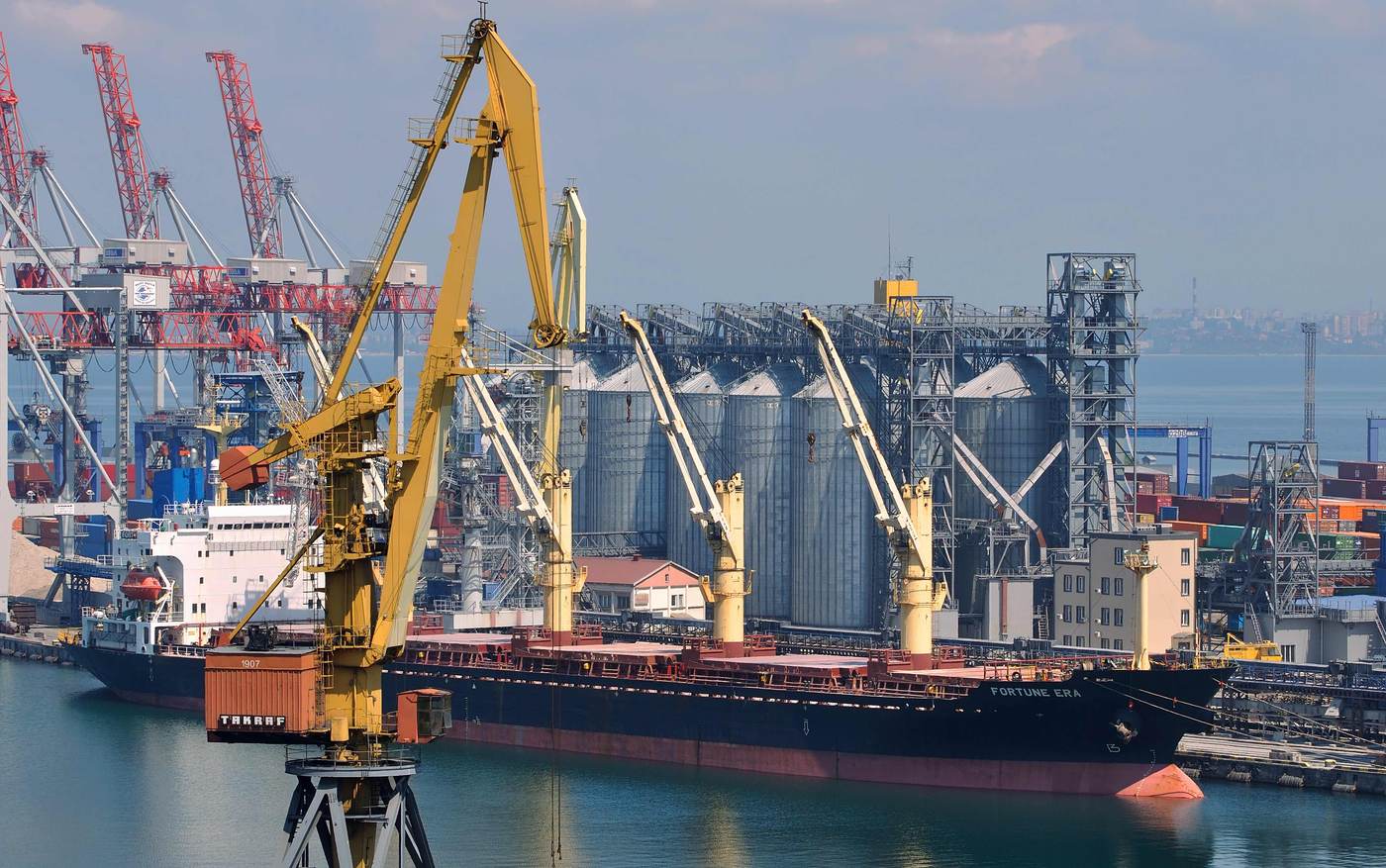
The Black Sea has been both an economic corridor and a military theater throughout the full-scale war. Ukraine depends on maritime exports for agricultural revenue; many import-dependent countries depend on the region for wheat and corn. Russia, meanwhile, exports its own grain and has repeatedly tied shipping arrangements to sanctions, banking, insurance and access for Russian agricultural trade.
Earlier corridor mechanisms showed that trade can continue during war when routes, inspections and guarantees are specific. They also showed the fragility of arrangements that rest on political consent without an independent enforcement system. The Black Sea grain corridor attacks of 2026 raised the cost of insurance, exposed port workers and crews, and made every scheduled voyage dependent on a security calculation.
Who gains and who loses
Ukraine would gain safer export routes, more predictable foreign-currency earnings and lower risks for port communities. Grain buyers in vulnerable markets could gain steadier deliveries. Turkey, Egypt and India could strengthen their roles as practical intermediaries, while shipowners and insurers could benefit if a monitored truce lowers the probability of loss.
Russia could gain a channel for its own agricultural exports and a way to test limited reciprocity without accepting a general ceasefire. It could also use negotiations to seek sanctions concessions that Ukraine and European governments oppose. The losers in a credible truce would be those who benefit from disruption, opaque shipping charges or coercive leverage over food routes. The losers in a weak truce could be crews and port workers asked to trust guarantees that cannot be verified.
What the numbers mean
Reuters described Black Sea cargo movement as near a standstill and global wheat prices as having soared, but the report did not provide a single traffic count or price series. Those descriptions establish urgency, not a measurable settlement dividend. Analysts should watch vessel departures, port throughput, freight and war-risk insurance rates, and benchmark wheat prices before claiming that an announcement changed the market.
The same discipline applies to the phrase “both sides expressed interest.” Interest is a diplomatic signal, not a countable commitment. A real Rubio grain energy ceasefire would require written categories: which ports and energy assets are protected, what counts as an attack, how long the pause lasts, who monitors it and what happens after an alleged breach.
What happens next
The immediate question is whether Moscow answers the proposal publicly and with operational detail. Before the Rubio–Lavrov meeting, Kremlin spokesman Dmitry Peskov said: “For now, there are no prerequisites for moving on to a peaceful negotiating track, although we, as the Russian side, remain open to peace talks.” That statement concerns the broader negotiating track and is not a formal rejection of the narrower maritime offer, but it shows the distance between openness in principle and agreement in practice.
A workable next step would specify protected routes and infrastructure, create a verification channel involving the proposing states or another mutually accepted body, and establish rapid communication after an alleged violation. Evidence of success would be observable: merchant vessels moving, ports operating, insurers repricing risk and both governments publishing consistent terms. Until then, the proposal is an opening—important because Kyiv has accepted it, incomplete because Russia has not.
Sources
Reporting and source material: Reuters on Zelenskyy's maritime-truce statement and Rubio's comments; TelegraphNews on Kyiv's earlier grain-truce position. Signal Post News distinguishes confirmed public statements from attributed reporting and analysis.