Kremlin rejects Ukraine peace talks
TopicsKremlin rejects Ukraine peace talksPeskov: no prerequisitesZelenskyy trilateral meetingUNGA diplomacy

When the Kremlin rejects Ukraine peace talks one day after Kyiv offered a three-leader summit, the message is not really about scheduling. Kremlin spokesman Dmitry Peskov told reporters in Moscow on Wednesday that there are "no prerequisites" for moving to a peaceful negotiating track — while adding that Russia "remains open to peace talks." Within hours of the statement, the pattern of UNGA week came into focus: Zelenskyy offering any format, Trump hardening his language on Moscow, and the Kremlin keeping every diplomatic door bolted except one — a private meeting between Putin and Trump.
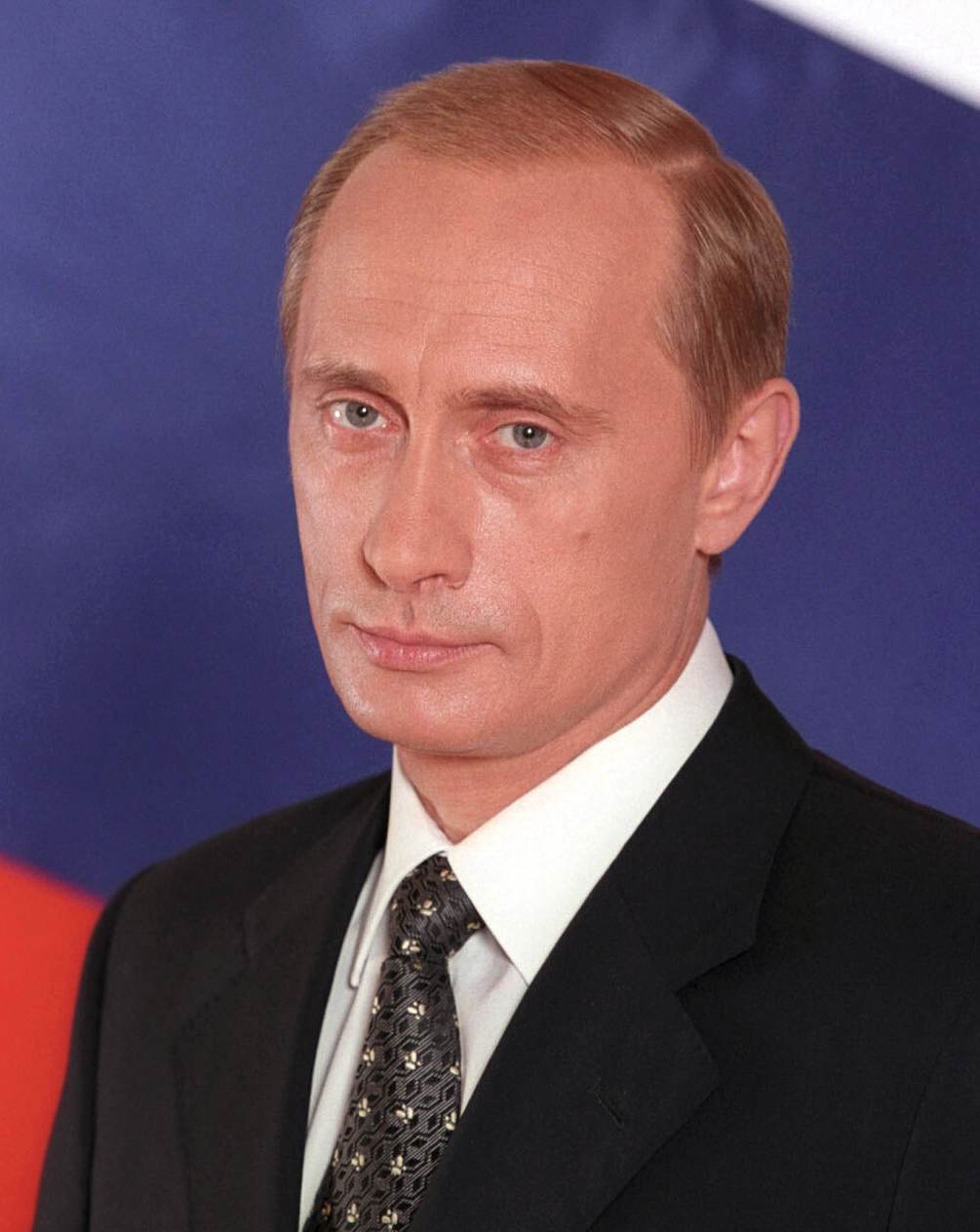
What Peskov said
Speaking in Moscow on September 23, ahead of the planned meeting in New York between US Secretary of State Marco Rubio and Russian Foreign Minister Sergey Lavrov, Peskov was asked about the state of the peace process. "For now, there are no prerequisites for moving onto a peaceful negotiating track, although we, as the Russian side, remain open to peace talks," he said, according to Reuters.
Peskov added that Putin stood ready to meet Trump one-on-one if both leaders judged such a meeting necessary — but made clear Moscow's stance on a Putin–Zelenskyy meeting had not changed. The Kremlin has said Zelenskyy would need to come to Moscow, having already taken the decisions Russia has been pushing for. Kyiv has repeatedly dismissed that as unacceptable, insisting any talks could only be held in a neutral country.
On the prospect of a leaders' summit, Peskov was dismissive: "Generally speaking, in any other circumstances, it would be inappropriate to hold a summit meeting before the groundwork has been laid at expert level, as this would be a waste of time."
The offer Moscow answered
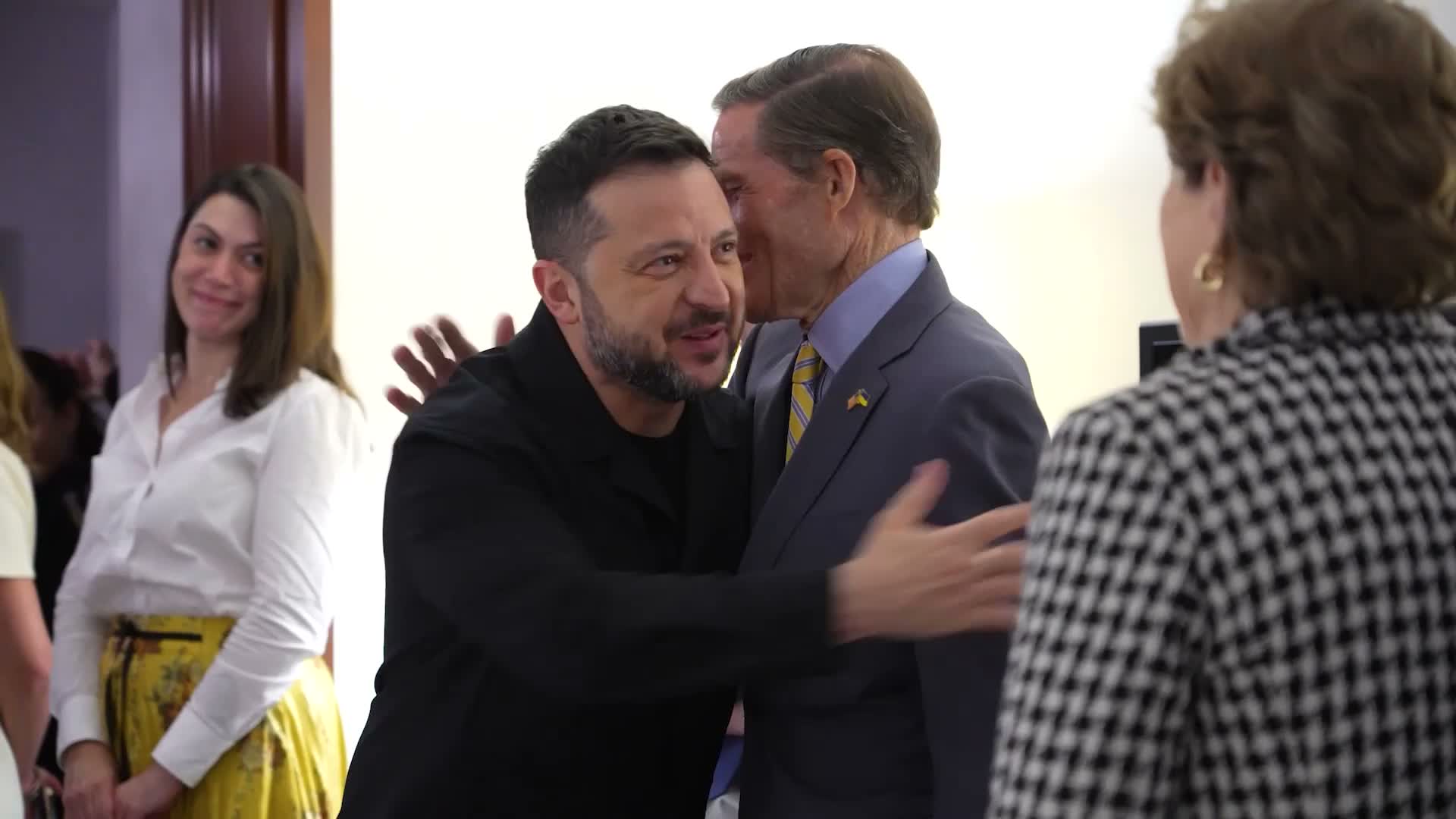
The statement was a direct reply to what Zelenskyy said on Tuesday. After a 40-minute meeting with Trump at the United Nations, the Ukrainian president told reporters he was ready for a trilateral meeting with Putin and Trump — and asked the American president to organize it. "I'm ready for a trilateral meeting. It means that I'm agreed to end the war," he said.
At the same time, Russia sent a different kind of signal. Around 9 a.m. Kyiv time on Wednesday, Russian forces launched a major wave of drones — including dozens of fast jet-powered models — against Kyiv, killing two people and injuring more than 20, hitting railway infrastructure, fuel stations and a business center. The strikes, detailed in our report on the Kyiv daylight attacks, landed hours after Zelenskyy's summit offer and minutes into UNGA's highest-profile diplomatic day.
Why this matters — analysis
Peskov's formulation is doing three jobs at once. First, "no prerequisites" is a calibrated way of saying the war continues on Russia's terms: Moscow does not see the battlefield or the negotiating table as having moved since the Alaska summit in August. Second, "waste of time" reframes the refusal as prudence rather than intransigence — the groundwork excuse is the same formulation Lavrov used in August when he said meetings must be prepared "step by step, gradually, starting from the expert level." Third, the one-on-one offer to Trump keeps the bilateral channel warm while freezing Kyiv out entirely.
The sequence matters. Zelenskyy offers a trilateral; Moscow counters with Putin–Trump alone. That is not a negotiation about formats — it is a contest over who sits at the table and therefore what can be decided. A trilateral presumes Ukraine's consent to any settlement. A bilateral presumes great powers can sketch one over Kyiv's head. The difference between those two rooms is the difference between two theories of how this war ends.
Background: how the week built to this
The diplomatic tempo has been relentless. On August 15, Trump and Putin held their three-on-three summit in Anchorage; Rubio and Lavrov were both in the room. On September 5 and 6, Trump's special envoys Steve Witkoff and Jared Kushner workshopped a new Ukraine deal in Moscow and Kyiv. On September 18, Trump signed the Lindsey Graham sanctions act, giving himself authority for tariffs up to 100% on major buyers of Russian oil.
Then came the UN week whiplash. Trump met Zelenskyy and wrote that Ukraine could "WIN all of Ukraine back in its original form," called Russia a "paper tiger," and said NATO countries should shoot down Russian aircraft that violate their airspace. Peskov answered on RBC Radio that Russia was a "real bear," not a paper tiger, and that the Kremlin would continue its "special military operation" because it saw "no alternative." Wednesday morning, Rubio and Lavrov sat down behind closed doors for more than 50 minutes and produced two terse readouts and no breakthrough — the subject of our analysis of the Rubio–Lavrov talks. Peskov's Wednesday statement closes the loop: the process is alive, but the positions have not moved a millimeter.
Who benefits, who loses
Moscow benefits from the current geometry. Every week without a deal is a week in which Russia keeps its battlefield pressure on, absorbs sanctions, and demonstrates — to Trump, to Europe, to its own public — that it cannot be talked into concessions it has not chosen. The one-on-one offer preserves access to the one interlocutor Moscow values most: Trump himself.
Zelenskyy loses momentum. The trilateral offer was his strongest public play since the war's diplomatic track reopened — an unconditional readiness to meet his adversary face to face. Moscow's instant rejection, paired with a morning of drone strikes, makes the offer look like an appeal rather than a move. Kyiv's consolation is that the rejection is now on the public record: Ukraine can show it is ready while Russia is not.
Trump is put in a bind. His "paper tiger" rhetoric raised expectations that continued stalemate would change US policy. But a one-on-one with Putin, without Ukraine at the table, would hand Moscow exactly the bilateral stage it wants — and would be read in Kyiv and European capitals as sidelining the invaded country. The Witkoff–Kushner plan, promised "in the coming weeks," now has a credibility deadline.
Europe's hawks are the quietest losers. The EU this week locked in its Russia sanctions for three years; diplomacy's failure makes that economic track the only functioning one.
The numbers behind the stalemate
- 0: publicly agreed negotiating texts after the Anchorage summit — the reason Peskov's "expert groundwork" line bites. August produced an "understanding," not a document.
- 50+: minutes of closed-door Rubio–Lavrov talks that produced no joint statement and no breakthrough.
- 82: jet-powered drones in Wednesday's Kyiv attack (per reporting cited by Narativ), part of a ~161-drone wave — the weapons Moscow is using to show that diplomacy does not slow its campaign.
- 2 killed, 20+ injured: Kyiv's toll on the morning Moscow said there were no prerequisites for talks.
- Up to 100%: tariff authority Trump now holds under the Graham act against major buyers of Russian oil — the pressure lever that has not yet been pulled.
- 20 months: since Trump took office promising to end the war. The calendar is becoming the loudest critic of the process.
What happens next — three scenarios
- The winter pressure play. Trump uses the Kremlin's public rejection as justification for the next sanctions, tariff or weapons step — potentially the Graham act's first major application. Moscow then faces a choice between real economic pain and real negotiations. Watch the Witkoff–Kushner plan's promised unveiling.
- The bilateral trap. Trump takes the one-on-one offer and meets Putin without Zelenskyy. Moscow gets its preferred room; Kyiv and Europe get nervous. The danger is a framework sketched in bilateral that Ukraine is later pressured to accept — the Anchorage dynamic replayed at leader level.
- Managed stalemate through winter. Talks continue, energy strikes continue, and UNGA week becomes another entry in the long file of processes that survived but settled nothing. The cost is measurable: the UN Human Rights Monitoring Mission verified 372 civilians killed and 2,349 injured in Ukraine in August alone, after 448 killed in July. Delay is not neutral.
The bottom line
Peskov's statement is not the end of diplomacy — it is the clearest map yet of where diplomacy stands. Russia will talk to Washington at length, meet Trump alone, and negotiate on paper through experts; it will not meet Zelenskyy, will not attend a summit, and will not stop the drones while any of this happens. Zelenskyy's trilateral offer exposed that geometry in a single news cycle. What Trump does with the exposure is now the only open question in the room.
Sources
- Reuters (Dmitry Antonov), Sept. 23, 2026: “Kremlin signals before Lavrov–Rubio meeting that its stance on Ukraine peace talks remains unchanged.”
- TBS News (Reuters), Sept. 23, 2026: “Kremlin signals Lavrov–Rubio meeting its stance Ukraine peace talks remains unchanged.”
- Narativ, Sept. 23, 2026: “Putin rejects Zelensky's proposal for three-way talks, offers a one-on-one with Trump alone.”
Reporting cutoff: September 23, 2026, 11:45 a.m. Pacific time. The casualty figures and reported drone counts retain the uncertainty and attribution in the cited reporting. Analysis is identified as Signal Post News analysis.