Health / Explained — What is Shamonda virus? It is a midge-borne livestock virus isolated from a cow's blood in Nigeria in 1965, filed away for sixty years as an animal-only pathogen — until France confirmed it in a human being this week.
What is Shamonda virus? Start with the short answer. Shamonda virus — abbreviated SHAV — is an insect-borne virus that infects livestock, mostly cattle. It belongs to the orthobunyaviruses, a large genus of viruses carried by biting insects, and within that genus to the Simbu serogroup, a clan of mostly animal viruses named after a virus found in South Africa. For sixty years after its discovery, Shamonda was a veterinary footnote: real, occasionally costly to farmers, and — every textbook and agency agreed — incapable of infecting humans. On October 22, 2026, France announced the first documented human infection, in a man in his 60s near Lyon who died in early October while being treated for a serious illness that had severely weakened his immune system. Our news report on the case is here: France confirms the first human Shamonda virus case. This explainer covers what the virus is, where it came from, and why it spent six decades hiding in plain sight.
Track it live: Live outbreak tracker — disease outbreaks worldwide
A blood sample in Nigeria, 1965
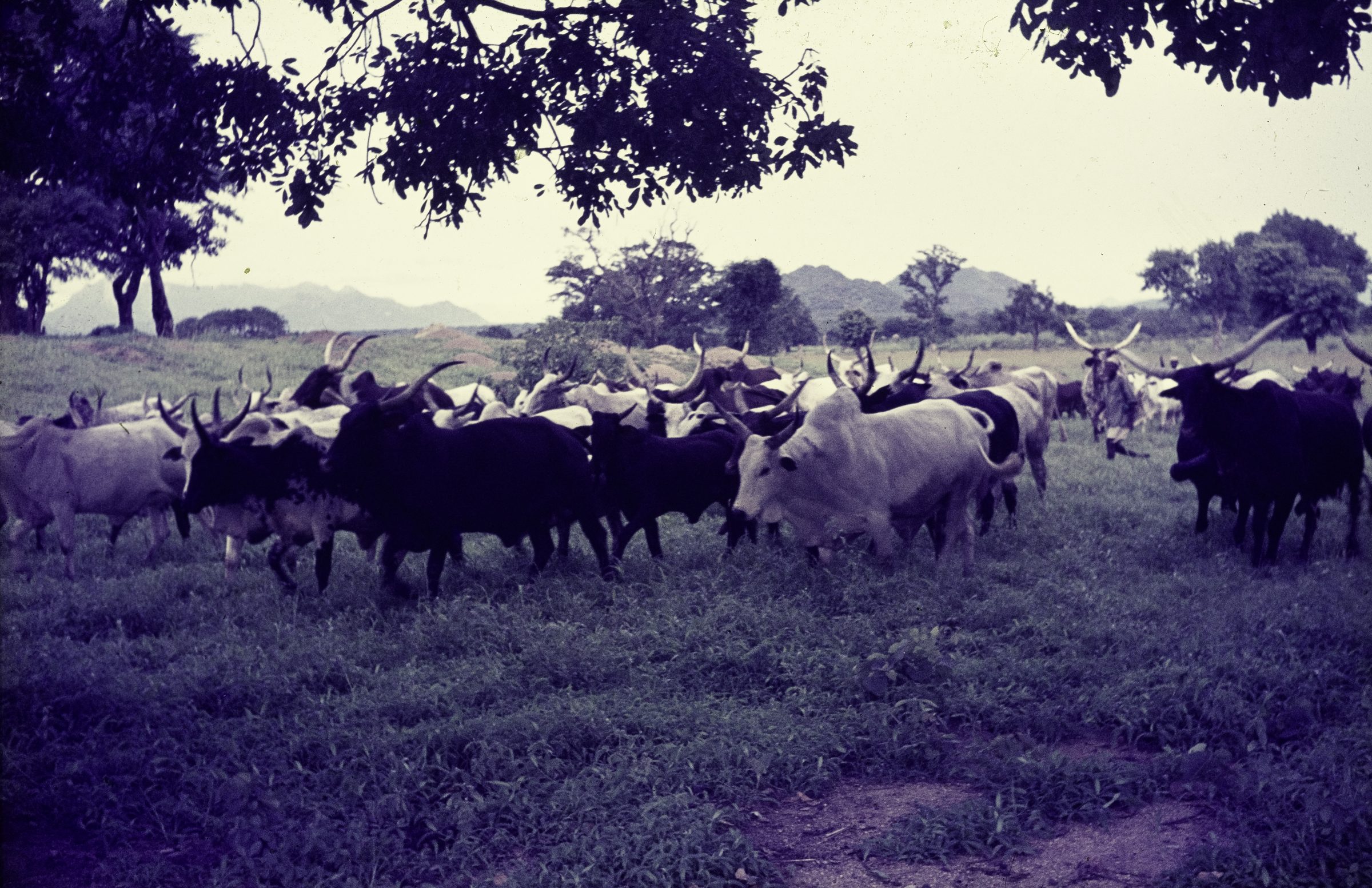
Shamonda virus enters the scientific record in 1965, when researchers isolated it from a sample of cattle blood in Nigeria — the World Organisation for Animal Health (WOAH) gives that as the first isolation, and a 2023 molecular study in the journal Pathogens describes the same origin: a bovine blood sample, Nigeria, 1965. Viruses isolated in that era were typically named for the place they were found, and Shamonda joined a long list of African arboviruses — viruses transmitted by arthropods, the scientific umbrella for insects and ticks — catalogued by the tropical-medicine institutes of the period.
What happened next is the most telling fact about Shamonda: almost nothing, for decades. The virus was reported sporadically in parts of West, East and Southern Africa. Thirty-seven years after the Nigerian isolation, it turned up in Culicoides biting midges in Japan — a sign, noted by the South African research team, that its range was always wider than the handful of veterinary reports suggested. Between 2012 and 2017, researchers detected it again in South Africa's Gauteng province. In 2021, South African scientists running surveillance on animals with neurological signs or unexplained abortions found it in an aborted goat fetus — the first detection in South African animals, written up in Pathogens in 2023. Each appearance was a paragraph in a veterinary journal. None triggered a headline, a vaccine programme, or — crucially — any routine testing of sick people.
The family: a three-piece genome and a talent for mixing
Taxonomically, Shamonda sits in the genus Orthobunyavirus, family Peribunyaviridae. The genus is big — the main Signal Post News report on the French case notes roughly 138 known orthobunyavirus species — and its members share an architecture that matters for understanding Shamonda: a genome split into three separate segments of RNA, called L (large), M (medium) and S (small). A segmented genome is a virus's version of a modular design. When two related viruses infect the same cell, their segments can be shuffled into new combinations — a process called reassortment. It is how influenza produces pandemic strains, and it is how this corner of the virus world evolves.
Within the genus, Shamonda belongs to the Simbu serogroup, a set of more than two dozen related viruses, most of them livestock pathogens of Africa, Asia and Australia. Its relatives repay attention. Akabane virus, an Asian and Australian Simbu virus, has caused epidemics of congenitally deformed calves for decades. Aino and Sathuperi viruses circulate in ruminants. And Schmallenberg virus — the Simbu virus that erupted across European farms in 2011 — turned out, when European scientists dissected its genome, to carry S and L segments closest to Shamonda's, with its M segment closest to Sathuperi virus, according to the European Food Safety Authority's disease profile. In plain terms, one of the most damaging livestock viruses of the past twenty years is built partly from Shamonda-like parts. Shamonda was never an obscure nobody; it was a close relative, and partial ancestor in the molecular sense, of a virus Europe already fears. The family's one proven human pathogen is Oropouche virus, a Simbu serogroup member in South and Central America that has infected more than half a million people over four decades with a dengue-like fever — proof, sitting in the same branch of the family tree, that the human barrier is not absolute for these viruses.

What Shamonda does to animals
In adult cattle, Shamonda is usually a short, miserable, rarely fatal illness: fever, diarrhoea, weakness, loss of appetite, and a steep fall in milk production. Irish and British veterinary briefings on the 2026 European detections describe affected farms seeing disease lasting roughly 14 to 21 days; a French animal-health study of nine dairy farms found milk output down as much as 75 percent in the worst-hit herds, though Spanish field reports describe 10 to 20 percent drops over a week or so as more typical. Sheep and goats are infected too — clinical signs are generally milder than in cattle — and the virus has been found in horses and alpacas as well.
The severe harm is done to the unborn. Like Akabane and Schmallenberg, Shamonda can cross the placenta of a pregnant animal and infect the fetus, and the South African study describes it replicating in fetal tissue. The results are abortions, stillbirths, and calves and lambs born with malformations of the limbs, spine and brain — the arthrogryposis and hydranencephaly pattern that made Schmallenberg infamous. Timing is everything: infection early in pregnancy tends to kill the embryo; infection while the fetal nervous and musculoskeletal systems are forming produces the deformities. There is no commercially available vaccine against Shamonda and no treatment that eliminates it, WOAH says — a sentence that also appeared in our coverage of the livestock disease emergency in Siberia, and one that defines the farmer's problem across this whole virus family.
Two variants, one very fast European summer
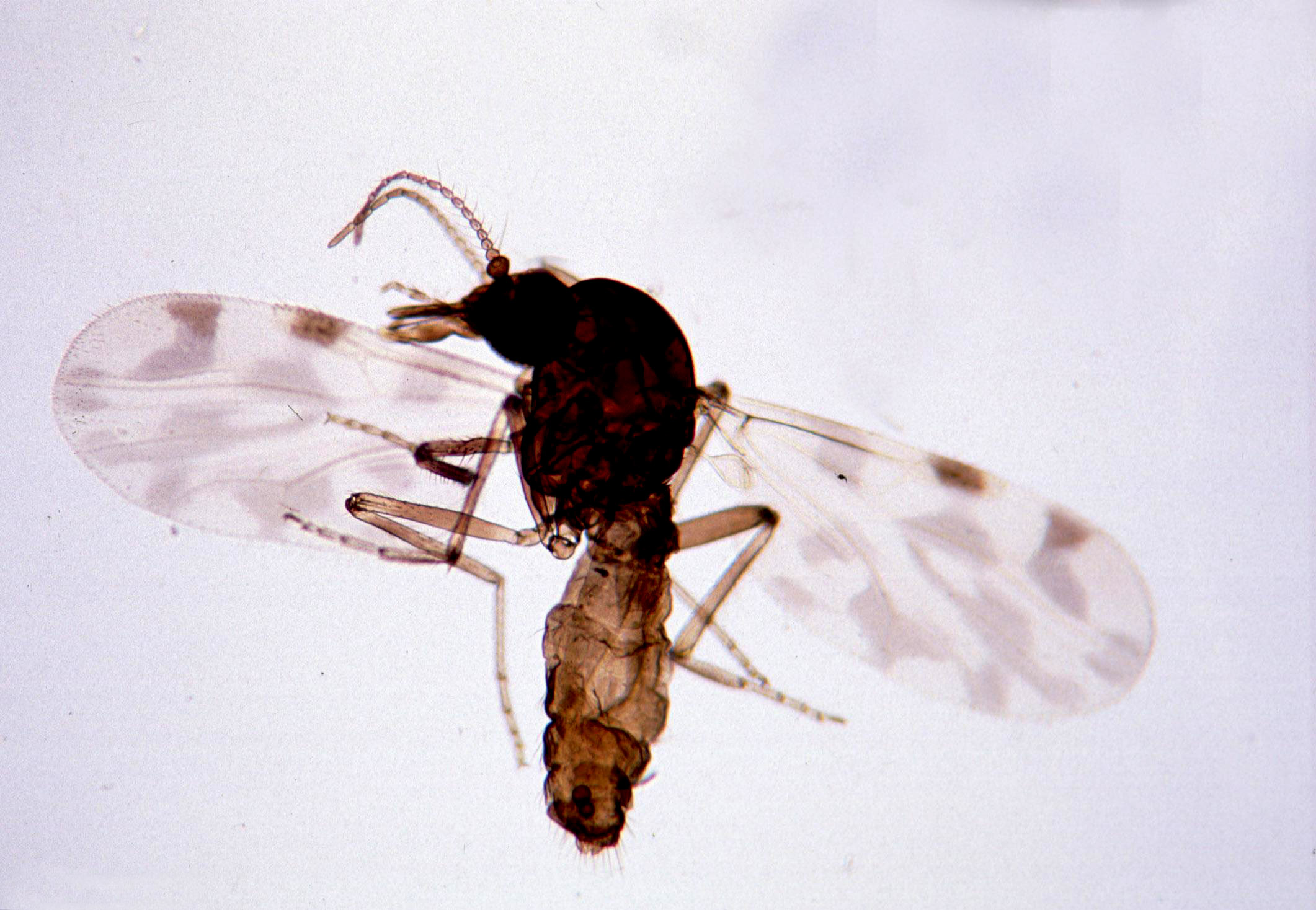
Shamonda's European chapter opened in late July 2026, when genomic testing of sick cattle in southern Germany, Switzerland and eastern France identified it — work reported by Germany's Friedrich-Loeffler-Institut (FLI), the federal animal-health laboratory. WOAH now says the 2026 European outbreaks are caused by two distinct variants, designated Shamonda virus Europe 1 (SHAV-EU1) and SHAV-EU2. Within three months, France's weekly animal-health bulletin listed detections in Austria, Belgium, Ireland, Italy, Liechtenstein, Luxembourg, the Netherlands, Portugal, Slovenia and Spain, plus the UK's Jersey — a spread our main report maps in full. Ireland confirmed its first detection on October 2, in cattle samples from two farms in County Cork; Spain confirmed it on seven cattle holdings in Córdoba and Toledo. Nobody knows how it arrived in Europe, and the British Agriculture Bureau's briefing is blunt that the origin is unclear. What is clear is the vehicle: Culicoides midges, the same insects that move bluetongue around the continent — the subject of our companion piece on how Shamonda virus spreads.
Why nobody tested humans for it for sixty years
The most important question about Shamonda is not biological but institutional: how does a virus circulate near people for six decades without a single human test coming back positive? The honest answer is that the tests were barely done. Human diagnostic panels for fever and encephalitis are built from lists of known human pathogens. Shamonda was on the animal list, so human laboratories did not look for it; because they did not look, it was never found; because it was never found, it stayed on the animal list. The loop is self-sealing, and it is not unique to Shamonda — it is the default state of the several hundred animal arboviruses that science has catalogued and then deprioritised.
There are technical reasons too. Antibody tests within the Simbu serogroup cross-react: a blood test that lights up for a Simbu virus may be showing Schmallenberg, Akabane or Shamonda exposure, and distinguishing them takes specialised assays that few laboratories run on human samples. Direct detection — finding the virus itself — requires catching a patient during the brief window when virus circulates in blood, and sequencing capacity aimed at veterinary samples, which is what finally identified Shamonda in Europe: not a clinician suspecting it, but genomic screening of sick cattle. The French human case fits the pattern. The patient was severely immunocompromised — precisely the kind of patient in whom an unusual infection can establish itself long enough to be detected — and even now, the full clinical and laboratory account has not been published. It is entirely possible, as specialists noted this week, that earlier human infections in immunocompromised patients elsewhere were attributed to other causes and never sequenced. Shamonda's sixty invisible years say as much about the architecture of surveillance as about the virus.
Why this matters
Shamonda matters, first, as a classification error with a long tail. "Non-transmissible to humans" was always a stronger claim than the evidence supported — the accurate statement was "never observed in humans, in the near-absence of looking" — yet the strong version is the one that travelled into agency statements, including a Portuguese veterinary association assurance issued this very month. When a categorical claim collapses, the cost is credibility at exactly the moment officials need it, which is why the careful wording from the WHO ("an isolated human case", "unlikely to lead to wider spread") and the ECDC (investigation ongoing) deserves more trust than the old certainty did.
Second, Shamonda is a case study in how much virus discovery still depends on where sequencers are pointed. Europe found Shamonda in its cattle within weeks of its arrival because the FLI and its counterparts run genomic screening on unexplained livestock illness — a system built after Schmallenberg. The same virus circulated in Africa for decades with a fraction of that instrumentation. The geography of what science "knows" about animal viruses is, to an uncomfortable degree, a map of laboratory budgets.
Third, there is the family lesson. A segmented genome, a proven human-infecting cousin in Oropouche, a partial genetic contribution to Schmallenberg, a livestock range now spanning at least twelve European countries and territories, no vaccine, and no place in the EU's official disease-control law: each fact is manageable alone. Together they describe exactly the profile that pandemic-preparedness frameworks say should be watched — not feared, watched. Whether Shamonda is dangerous to people in any general sense is a separate question, and we take it up directly in Is Shamonda virus dangerous to humans? For tracking Shamonda alongside other emerging infections — from the first Nigerian Ebola case in over a decade to new drug approvals like the first functional-cure hepatitis B therapy — see the live outbreak tracker linked at the top of this article.
Sources
World Organisation for Animal Health (WOAH), "Shamonda virus: what do we know about its effects on animals?" (Oct 2026) — woah.org; Steyn et al., "Identification and Molecular Characterization of Shamonda Virus in an Aborted Goat Fetus in South Africa", Pathogens (2023) — pmc.ncbi.nlm.nih.gov; British Agriculture Bureau, "Novel Shamonda-like orthobunyavirus in Ireland" (2026) — britishagriculturebureau.co.uk; EFSA, Schmallenberg disease fact sheet / disease profile (genome segment analysis) — EFSA; Reuters, "France reports first human case of livestock virus Shamonda after patient dies" (Oct 22, 2026), and the French agriculture ministry, ECDC and WHO statements reported therein; Friedrich-Loeffler-Institut, Schmallenberg virus pages — fli.de.