Health / France — The Shamonda virus first human case was confirmed by France on Thursday: a livestock virus carried by biting midges, known to science since the 1960s and long considered unable to infect people, has been detected in a man who died in early October.
France on Thursday, October 22, reported the first human case of the Shamonda virus ever documented anywhere in the world. The patient, a man in his 60s from the Lyon area in eastern France who was being treated for a serious illness that had severely weakened his immune system, died in early October. French health and agriculture officials stressed two things at once: this is, on the evidence so far, an exceptional and isolated event — and whether the virus caused or contributed to the man's death is still under investigation, not settled.
That distinction matters, and it runs through everything officials said on Thursday. The French agriculture ministry put the scientific significance plainly: "Until now, the Shamonda virus was considered non-transmissible to humans. This patient's infection with the Shamonda virus thus constitutes the first documented and reported detection of the virus in humans." The ministry added that, according to investigations already carried out, the cerebral complications observed in the immunocompromised patient before his death were very likely linked to the infection. The European Centre for Disease Prevention and Control (ECDC), Europe's disease agency, was more cautious in its own statement, saying it is "carefully monitoring the situation" and that "investigations into whether the virus caused or contributed to the patient's death and how the infection was acquired are ongoing." Both can be true at once: a first-of-its-kind detection, in an unusually vulnerable patient, whose precise role in his death has not yet been proven.
Track it live: Live outbreak tracker — disease outbreaks worldwide
What French officials say happened
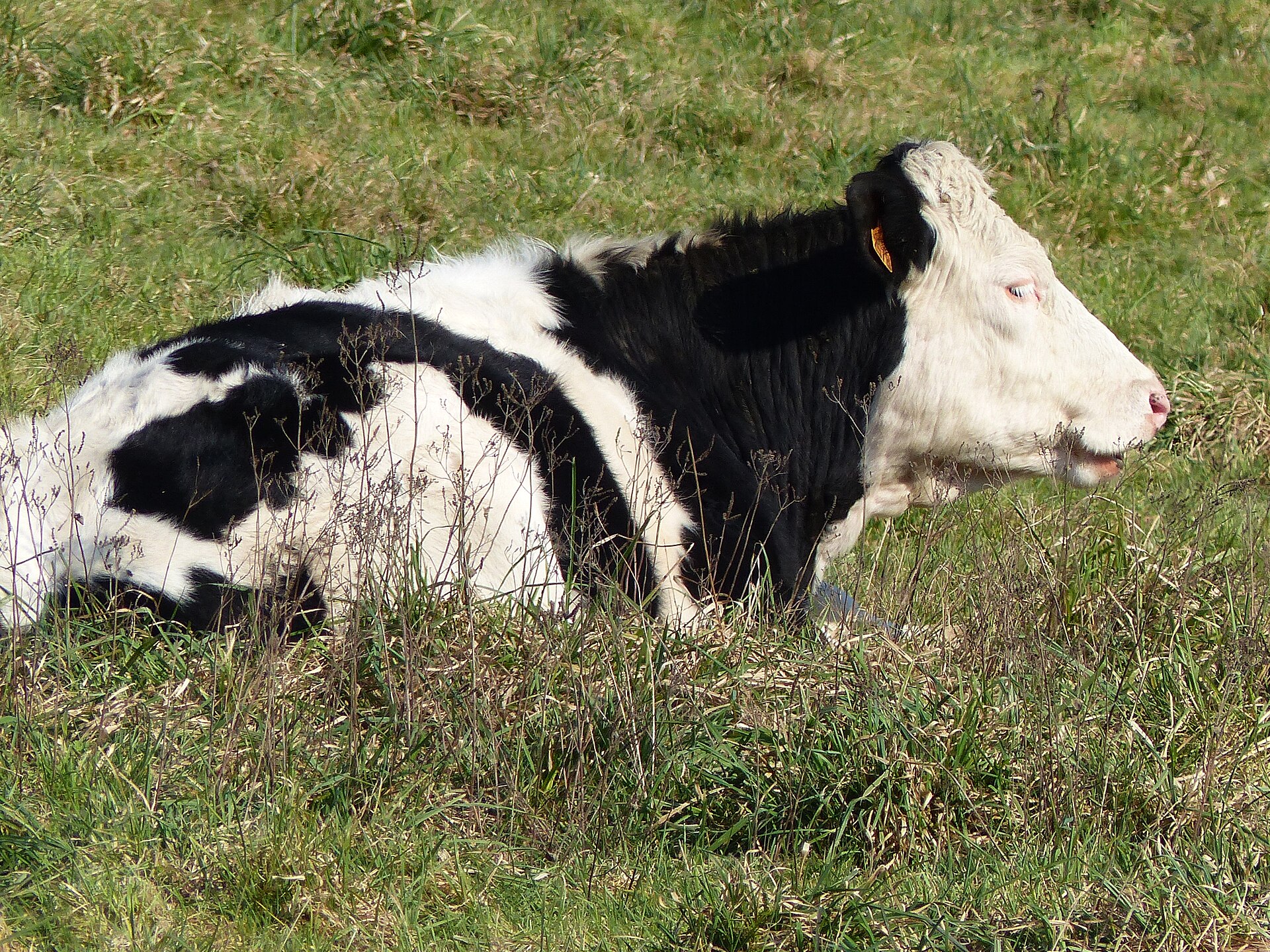
The leading hypothesis, set out in the French government's announcement and reported by Reuters, is that the man was infected by the bite of a Culicoides midge in eastern France — the same region where the virus had been circulating in animals through the spring and summer of 2026. He was treated at a hospital in Lyon, the Hospices Civils de Lyon, and died in early October, weeks before Thursday's public announcement. Local newspaper Le Progrès identified him as a man in his 60s living in the Lyon area. The ECDC noted that he had been receiving treatment for a serious illness that made him more susceptible to infection than the general population.
On the question the public will ask first — is anyone else at risk? — every authority that spoke on Thursday gave the same answer. "Based on the knowledge available regarding this virus, no health risk to the general population has been identified to date," the French announcement said. The World Health Organization, which said it is in contact with the French authorities, went a step further: "Based on current information and knowledge of the transmission of closely related viruses, this is an isolated human case and it is unlikely to lead to wider spread at this time." Shamonda is not known to spread from person to person; its route to animals, and apparently in this single case to a person, is the bite of an infected midge. There is no suggestion of human-to-human transmission, and no second human case has been reported.
What is the Shamonda virus?
Shamonda virus (SHAV) is an orthobunyavirus — a large genus of mostly insect-borne viruses with roughly 138 known species — and a member of the Simbu serogroup, which makes it a close relative of the Schmallenberg virus that swept through European livestock in the early 2010s. It was first identified in Nigeria in the mid-1960s and, for six decades, its known range was animals in parts of Africa and, later, Japan. Its hosts are livestock: most commonly cattle, but it has also been found in horses, sheep, goats and alpacas, according to the World Organisation for Animal Health (WOAH).
In cattle, the illness is usually brief and, in adult animals, comparatively mild: fever, diarrhoea, weakness and loss of appetite, with a sharp drop in milk yield. The serious damage is done before birth. Like Schmallenberg, Shamonda can cross the placenta during pregnancy, and infection in a pregnant animal is associated with abortions and with foetal malformations of the musculoskeletal and central nervous systems. There is no commercially available vaccine against Shamonda virus, WOAH says, and no specific treatment that eliminates it in animals. In Europe this year it has also been detected in some horses with neurological disease, including in Germany and Switzerland — an association vets are still investigating, and one that gives Thursday's human case, with its reported cerebral complications, an uncomfortable echo that scientists will now examine closely.
How a Nigerian cattle virus reached eastern France
Shamonda's arrival in Europe is recent and fast. It was first confirmed on the continent in late July 2026, after genomic testing of sick cattle in southern Germany, Switzerland and eastern France identified it, Germany's Friedrich-Loeffler-Institut (FLI) reported. Within weeks it had been found across a widening arc of Europe. France's weekly animal-health surveillance bulletin lists detections in Austria, Belgium, Ireland, Italy, Liechtenstein, Luxembourg, the Netherlands, Portugal, Slovenia and Spain, as well as the UK's Jersey. Ireland's agriculture minister, Martin Heydon, confirmed the island's first detection on October 2, in bovine samples from two farms in County Cork; Spain confirmed it across seven cattle holdings in Córdoba and Toledo.
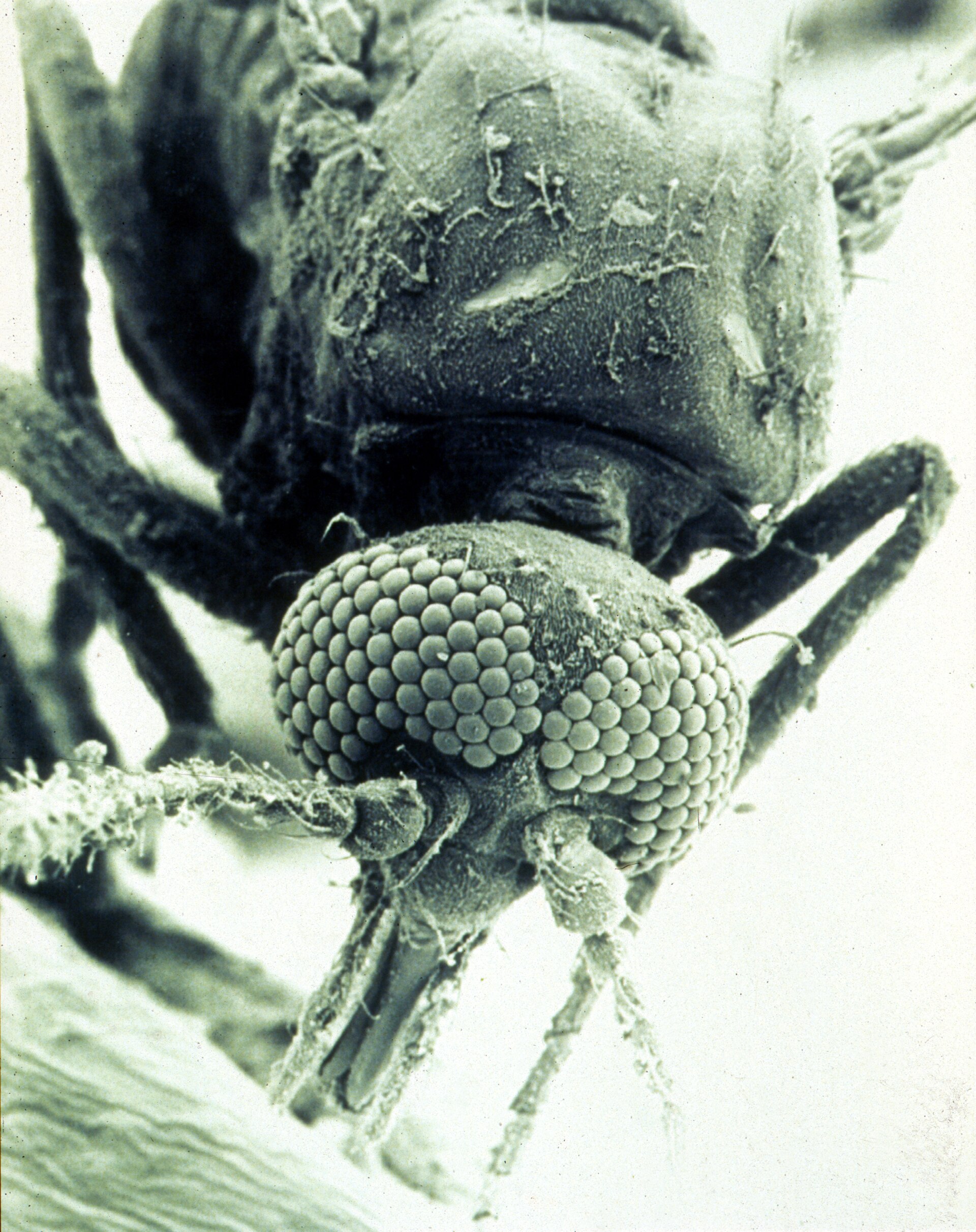
The speed is a function of the messenger. Culicoides midges are tiny, numerous, carried on the wind, and almost impossible to exclude from farmland — the FLI warned early on that midge transmission "makes implementing prevention and control measures difficult." The same midges spread bluetongue and epizootic haemorrhagic disease, and European farmers have spent two summers learning, expensively, that a midge-borne virus arriving in a naive livestock population does not stay local for long. Britain's Animal and Plant Health Agency noted that the Jersey detection put the virus in the British Isles and "in close proximity to Great Britain," underlining the potential for further spread across north-west Europe. Until Thursday, every official assessment of that spread ended with the same reassurance — Portugal's veterinary association stated it as recently as this month: "There is currently no evidence that Shamonda virus can be transmitted to humans." That sentence is now out of date, which is precisely why a single case in Lyon is international news.

Why this matters
A single case in a severely immunocompromised patient is not an outbreak, and nothing in Thursday's announcements suggests the start of one. So why does it matter? First, because a categorical scientific claim has just been falsified. For sixty years, Shamonda sat on the long list of animal viruses that do not infect humans. That classification shapes real decisions: how hard laboratories look for the virus in sick people, whether clinicians test for it, whether surveillance systems count it at all. A virus that is never tested for in humans will never be found in humans — which means the honest question Thursday raises is not only "how did this happen once?" but "has it happened before, unnoticed, in other immunocompromised patients whose illnesses were attributed to something else?" Dr Ben Brennan of the MRC–University of Glasgow Centre for Virus Research, reacting through the Science Media Centre, called the detection "an important scientific finding" while adding the necessary perspective: the patient had a serious underlying illness that left him particularly vulnerable, and it is not yet known whether Shamonda contributed to his death.
Second, it matters because of where the virus now lives. Shamonda is no longer an exotic African livestock pathogen; since July it has been an established, spreading presence in the herds of at least a dozen European countries, in a region with dense livestock farming, dense human settlement and abundant midges. Every additional animal infection is another lottery ticket for the virus to encounter an unusually susceptible person. The overwhelmingly likely outcome, on the WHO's assessment, remains nothing further — related orthobunyaviruses have coexisted with European farming for years without becoming human diseases, and Schmallenberg itself, for all its devastation of lambing and calving seasons, never made the jump. But the base rate has changed: the exposure side of the equation is now much larger than it was a year ago, and it will grow again next summer if the virus overwinters in European herds, as midge-borne viruses in Europe have repeatedly shown they can.
Third, there is a regulatory gap that Thursday's news exposes. Shamonda is not classified as a disease under the EU Animal Health Law, Reuters noted, and is therefore not subject to official surveillance or control measures. Its European spread this year was tracked by veterinary laboratories and weekly bulletins, not by a mandatory control programme; there is no vaccine to deploy even if one were ordered. A virus does not need to be a human threat to be economically serious — French animal-health authorities reported that a study of nine dairy farms found milk production fell by up to 75 percent in affected herds — and it does not need to be economically serious to deserve monitoring once it has demonstrated, even once, that the species barrier is thinner than the textbooks said.
The numbers in context
Put the figures side by side and the shape of the story becomes clearer. One human case, ever, in roughly sixty years since the virus was identified in Nigeria in the mid-1960s — against animal detections in at least twelve European countries and territories in under three months since late July. A maximum recorded milk-production fall of 75 percent across a nine-farm French study, against the 10 to 20 percent drops over seven to ten days that veterinary reports from Spain described as more typical — both figures can be true, and the gap between them is the difference between a bad week on a dairy farm and a disastrous one. Zero vaccines, commercially, anywhere. And one death, in a man whose immune system was already compromised by serious illness and its treatment, with the virus's contribution still formally unproven. Those numbers describe an event that is scientifically significant and, for the general public, reassuring at the same time — which is an unusual combination, and exactly why officials in Paris, Stockholm and Geneva chose their words so carefully on Thursday.
What is not known yet
Three questions now sit with investigators. The first is causation: did Shamonda kill this patient, contribute to his death alongside his underlying illness, or merely coincide with it? The French ministry's assessment — that his cerebral complications were very likely linked to the infection — is the strongest statement made so far, and the ECDC's insistence that the investigation is ongoing is the necessary qualification; the full clinical and laboratory account has not been published. The second is route: the midge-bite hypothesis is exactly that, a hypothesis, based on where he lived and where the virus circulated in animals. The third is uniqueness: whether retrospective testing of stored samples from other severely immunocompromised patients — in France or elsewhere in the virus's new European range — turns up earlier, missed infections. That work, if it happens, will determine whether Thursday's case is remembered as a one-off tragedy or as the moment surveillance started finding something that had quietly been there.
What happens next
In the near term, expect process rather than drama. The ECDC says it is in contact with the French authorities and European partners to investigate the potential public health implications; the WHO is in contact with Paris as well; and French clinical, biological and environmental reviews are under way. For farmers, nothing about Thursday changes the practical picture, which remains the difficult one they have faced since July: no vaccine, no treatment, and a vector that cannot be fenced out — only the usual mitigations of midge control around housing, prompt veterinary investigation of fever, diarrhoea and milk drop, and heightened attention to pregnant animals, where the virus does its worst damage. For everyone else, the officials' bottom line stands and deserves to be reported as plainly as the headline: no risk to the general population has been identified, human-to-human spread is not a feature of this virus, and the single known case involved a man whose health made him, in the ECDC's words, far more susceptible than the general population. The story to watch is the scientific one — the published case report, any retrospective testing, and whether Europe decides that a virus capable of this, even once, still belongs outside its official surveillance list. The wider pattern of animal viruses testing the species barrier is one Signal Post News follows closely, from the first Nigerian Ebola case in more than a decade to the livestock disease emergency declared in Siberia; and in a year when regulators also approved the first functional-cure drug for hepatitis B, the Shamonda case is a reminder of how much of infectious-disease science still begins with a single patient nobody expected.
Sources
Reuters, "France reports first human case of livestock virus Shamonda after patient dies" (Oct 22, 2026) — duke.fm; French Ministry of Agriculture statement as reported by UNILAD and Deutsche Welle (Oct 22, 2026); ECDC statement (Oct 22, 2026) as reported by Reuters; IB Times Singapore, "What Is Shamonda Virus? First Human Case Reported in France" (Oct 22, 2026) — ibtimes.sg; Agriland, "Midge-borne Shamonda virus detected in Ireland" — agriland.co.uk; Veterinary Record, "Shamonda detected in Ireland" (2026); UK Animal and Plant Health Agency and Defra statements on the Jersey detection (2026); WOAH disease information on Shamonda virus.