Siberia cattle disease outbreak
Moscow blames pasteurellosis and rabies for the Siberian outbreak; a USDA report citing local sources suggests the scale of the culling may point to unconfirmed foot-and-mouth disease — a claim Russia's agriculture watchdog calls 'not true.'
The Siberia cattle disease outbreak has pushed Russia's Novosibirsk region into a state of emergency, with thousands of cattle being culled as authorities battle what they describe as an aggressive outbreak of pasteurellosis complicated by rabies. But a U.S. Department of Agriculture report, citing local sources and trading contacts, suggests the scale of the response “may indicate an unconfirmed outbreak of foot-and-mouth disease” — a far more consequential diagnosis that Moscow firmly rejects. The standoff has sparked rare farmer protests, calls for officials' resignations, and a livestock export ban across 15 Russian regions.
Track it live: follow disease outbreaks on the live outbreak tracker.
What Moscow says — pasteurellosis and rabies
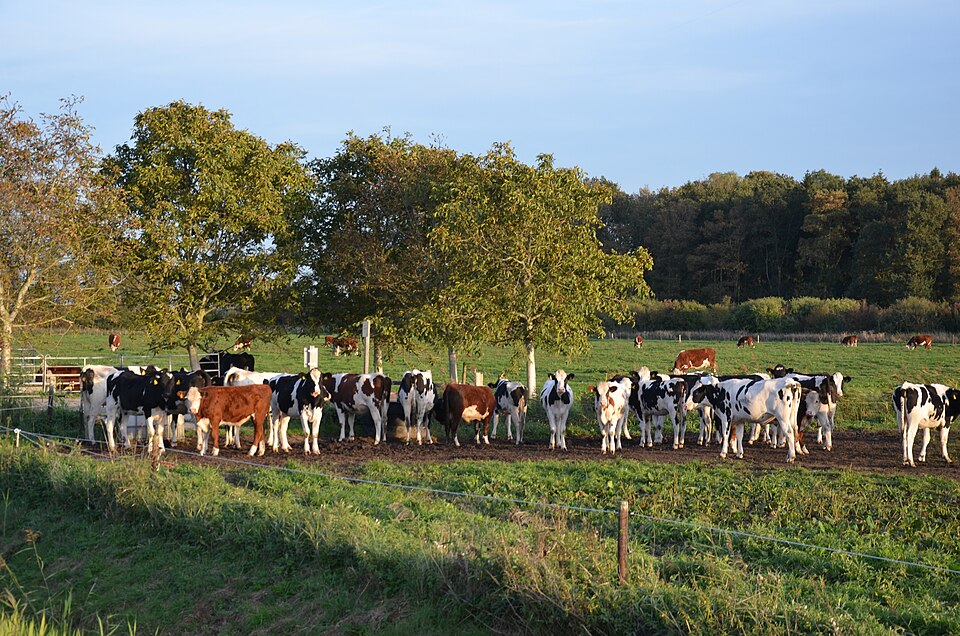
Russian officials say the emergency is not evidence of foot-and-mouth disease. Sergei Dankvert, head of the government commission dealing with the outbreak, told Komsomolskaya Pravda: “This concerns an outbreak of a dangerous infectious disease, pasteurellosis, complicated by other illnesses, and incurable rabies.” According to the official account, laboratory work found that the pasteurellosis strain had mutated and was behaving more aggressively than usual.
Pasteurellosis is a bacterial infection that can cause severe pneumonia, fever and sudden death in cattle, especially when animals are stressed or crowded. Rabies adds a separate, fatal threat. On that explanation, the culls are a containment measure for a dangerous combination of confirmed illnesses rather than proof of a different virus.
Russia's agriculture watchdog told Reuters that the USDA report's allegations “were not true.” It urged governments and traders to rely on reports submitted to the World Organisation for Animal Health, or WOAH, rather than “claims from anonymous sources.” That is Moscow's central argument: internationally recognized disease reporting, not inference from the size of the response, should decide the diagnosis.
What Washington suggests — the foot-and-mouth question
The USDA Foreign Agricultural Service stopped short of declaring that foot-and-mouth disease had been found. Its report, citing “local sources and trading contacts,” said only that “the scale of these measures may indicate an unconfirmed outbreak of foot-and-mouth disease.” The distinction is essential. This is an assessment of what the response might signify, not a laboratory confirmation.
FAS also published an official Russian document dated February 25 that showed a ban on livestock exports from 15 affected regions across Siberia and central Russia. A wide geographic ban, mass slaughter and animal-burial operations are all measures that can be used against highly contagious livestock disease. They can also be used as a precaution when authorities face several illnesses at once. The measures alone cannot establish which pathogen is driving them.
Why this matters
The dispute is about more than the name of a disease. Russia obtained WOAH recognition in 2025 as a territory free of foot-and-mouth disease. That status lowers friction for livestock and animal-product trade because importing countries can rely on a shared international standard. A confirmed outbreak could put that recognition at risk, trigger broader restrictions and force Russia to prove containment before normal trade resumes.
The timing also touches President Vladimir Putin's agricultural strategy. Putin has ordered officials to increase agricultural exports by 50% by 2030. Livestock disease can work against that target twice: directly, by destroying herds, and indirectly, by making buyers impose bans even on products that are not themselves infected. The question for trading partners is therefore not whether the USDA language sounds alarming, but whether Russia can produce transparent, internationally accepted test results quickly enough to contain the commercial damage.
Background — how we got here
The regional context is unusually sensitive. Foot-and-mouth disease was reported in Kazakhstan and Mongolia in 2025, keeping veterinary authorities on Russia's southern and eastern borders alert. In February 2026, Kazakhstan temporarily banned imports of live animals, meat, dairy products and feed from affected Russian regions. That move did not prove the presence of foot-and-mouth disease in Russia; it showed how quickly neighbors act when the cost of waiting could be a domestic outbreak.
Russia's 2025 WOAH recognition raised the stakes. That achievement was valuable because foot-and-mouth disease spreads rapidly among cloven-hoofed animals and can close export markets even when mortality is limited. Pasteurellosis is different: it is bacterial, often linked to respiratory disease, and does not carry the same global trade consequences. That is why the competing explanations lead to such different policy outcomes.
This cattle emergency is separate from the Irkutsk plague laboratory worker incident. The Irkutsk case involved a worker at an anti-plague institute and prompted a distinct public-health response. It is not evidence about the cattle deaths in Novosibirsk, and the two events should not be merged into one outbreak narrative.
The farmers' revolt
The policy dispute became personal in Kozikha, a village about 70 kilometers southwest of Novosibirsk, where culls continued as residents challenged the authorities' explanation and demanded accountability. Protester Svetlana Panina said she lost 150 head of cattle. Her case has become a symbol for farmers who say compensation cannot replace breeding stock, years of work or trust in veterinary oversight.
Panina was briefly detained for questioning as a witness in an arson case involving an animal-burial site. Authorities did not accuse her of setting the fire. Her detention nevertheless intensified the protest because it connected two already volatile issues: anger over the culls and suspicion surrounding how carcasses were being disposed of. Demonstrators have called for officials to resign, while the government says the destruction of animals is necessary to stop further spread.
Who gains, who loses
Farmers lose first. Culled animals represent immediate income, future calves and genetic stock. Even when compensation is paid, delays and disputed valuations can shift the burden onto households and small producers. Feed suppliers, processors and rural employers can then feel the second-round effects.
Exporters and the Russian government face the wider risk. If buyers accept Moscow's diagnosis and WOAH reporting confirms that foot-and-mouth disease is absent, restrictions could remain targeted and temporary. If confidence weakens, importers may act more broadly than the science requires simply because the downside of bringing the disease home is so high.
Kazakhstan, Mongolia and China are the key watchers. They have large livestock sectors, shared or nearby trade corridors and strong reasons to insist on surveillance. Kazakhstan's temporary February ban shows the precautionary approach. Mongolia and China will be watching test results, movement controls and any change in Russia's WOAH status before deciding whether more barriers are needed.
Critics of Moscow's explanation argue that the scale and geography of the culls deserve fuller disclosure and independent verification. Critics of the USDA report answer that anonymous commercial contacts and circumstantial measures cannot substitute for laboratory results. Both critiques can be true at once: Russia should publish enough evidence to support its account, and outside observers should not turn an unconfirmed possibility into a confirmed diagnosis.
What happens next — three scenarios
Scenario 1: WOAH reporting confirms pasteurellosis and rabies only. Russia's explanation holds, the outbreak is contained, and importing countries gradually remove emergency restrictions. Farmers still bear heavy losses, but Russia preserves its foot-and-mouth-free status and the episode becomes a test of compensation, veterinary capacity and transparency rather than a trade-system crisis.
Scenario 2: Foot-and-mouth disease is confirmed. Russia would face a much harder containment campaign, potential suspension or zoning changes to its WOAH status and broader bans from trading partners. The culls could expand, export plans would take a direct hit, and neighboring countries would intensify border controls.
Scenario 3: The diagnosis stays in limbo — the likeliest near-term outcome. Moscow continues reporting pasteurellosis and rabies, the USDA assessment remains unconfirmed, and trade partners keep precautionary restrictions while waiting for more data. That middle state may be less dramatic than a formal foot-and-mouth declaration, but it can still be expensive: uncertainty itself is enough to slow commerce, depress cattle values and sustain farmer anger.
Until internationally recognized testing resolves the gap, the responsible conclusion is narrow. Russia has confirmed a serious cattle disease emergency and attributes it to aggressive pasteurellosis complicated by rabies. A U.S. report has raised an unconfirmed foot-and-mouth disease possibility. Russia rejects that suggestion. The next decisive evidence must come from laboratory results and transparent WOAH reporting, not from the volume of speculation on either side.
Sources
- Reuters via SRN News — “Russia says multiple cattle illnesses are complicating Siberian outbreak” — srnnews.com
- Dairy Business Middle East & Africa — “USDA flags possible foot-and-mouth disease in Russia amid livestock outbreak” — dairybusinessmea.com
- Cyprus Inform — “Russia defends Siberian cattle culls as US report raises foot-and-mouth disease concerns” — kiprinform.com