A Nigeria Ebola case in Abuja is now confirmed. Nigeria’s health ministry said on Tuesday, October 20, that a woman who arrived from Uganda has tested positive for Ebola in the capital, and that contact tracers are already following 44 people who may have been exposed to her — the first Ebola case recorded in Africa’s most populous country in 12 years.
Health / A traveller from Uganda, days in a capital-city hospital before the diagnosis landed, and the largest Bundibugyo outbreak in history moving across Africa — why one contained case is a test for the whole region
Track it live: follow Ebola and other disease outbreaks on our live outbreak tracker.
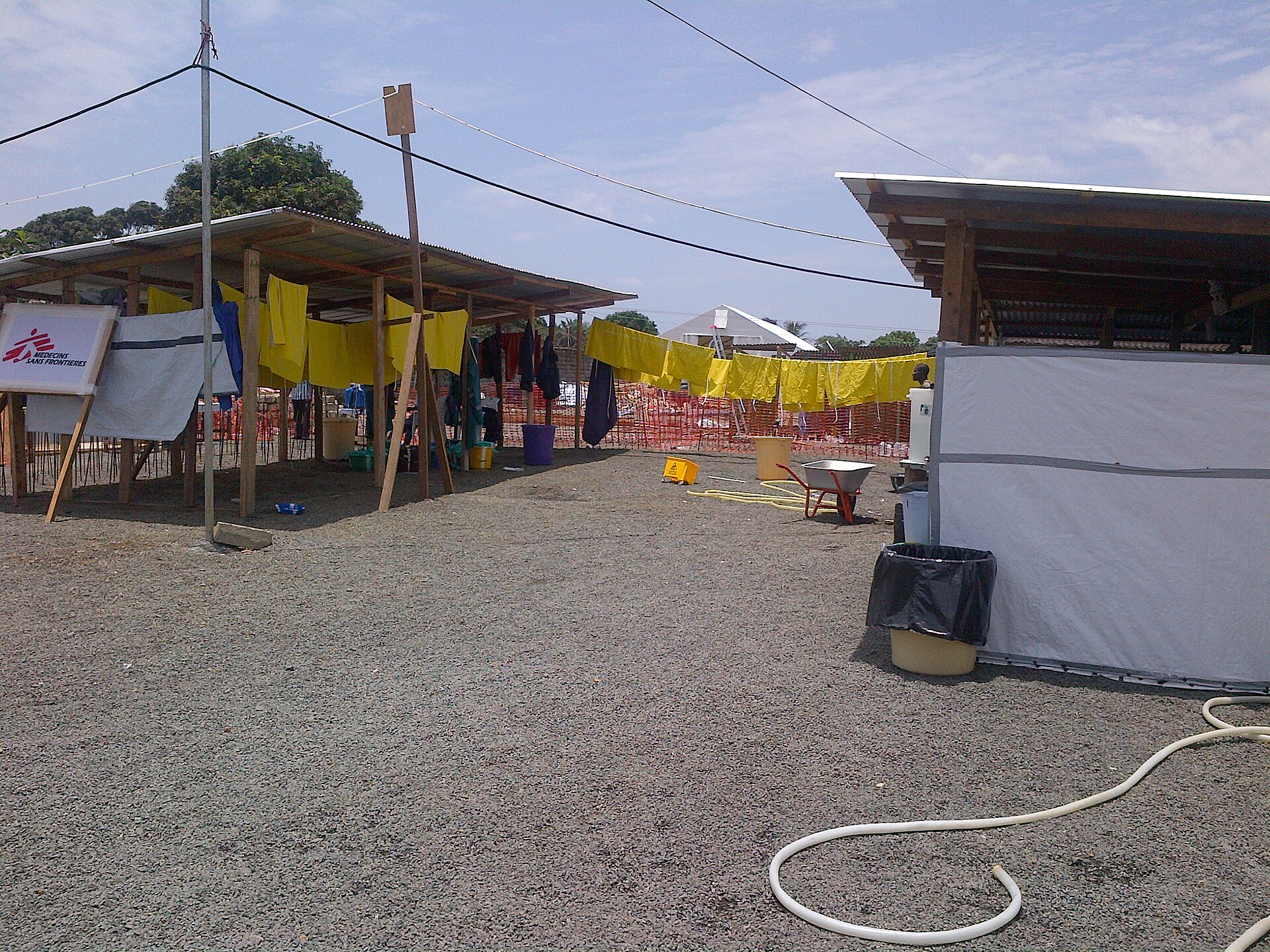
What officials have confirmed
The timeline Nigerian officials gave on Tuesday is precise, and it matters. The woman began showing symptoms on October 7. She was admitted to a private hospital in Abuja on October 11, where she received care for several days before laboratory tests confirmed Ebola on October 20. She is now in isolation and receiving medical care, and the minister described her condition as stable. The Federal Ministry of Health and Social Welfare said the confirmed infection is Bundibugyo ebolavirus — the same species driving the Congo outbreak — and that the response is being coordinated with the Nigeria Centre for Disease Control and Prevention (NCDC), the FCT Health Services Secretariat, the World Health Organization and the Africa CDC.
The 44 contacts identified so far include healthcare workers, other patients, caregivers and travel contacts, according to the ministry — people exposed in the hospital, around her care, or on her journey. Public health teams are still working to identify anyone else who may have been exposed, surveillance has been intensified at entry points, and the private hospital where she was treated is receiving support to strengthen infection prevention and control. Pate urged hospitals nationwide to keep a high index of suspicion, isolate suspected cases quickly and report them immediately, and he urged Nigerians to observe hand hygiene and avoid contact with the blood or body fluids of anyone suspected of having Ebola. The symptoms officials listed — fever, severe weakness, headache, vomiting and diarrhoea — overlap with malaria and typhoid, which is part of what makes early detection in West Africa genuinely hard.
The question officials have not answered: where she caught it
One detail in Tuesday’s announcement needs care, because the two governments involved are not saying the same thing. The patient arrived in Nigeria on an international flight from Uganda, and several Nigerian statements describe the case as imported. But officials have not said where she contracted the infection, and Uganda’s government spokesperson Alan Kasujja said there was no Ebola in Uganda, Reuters reported. Uganda did record Ebola cases earlier in this regional outbreak — 20 confirmed cases, according to the U.S. Centers for Disease Control and Prevention’s outbreak roundup — but its last confirmed patient recovered in July and the outbreak there was declared over in August. A traveller’s route is not proof of where an infection happened, and on the public record so far, the honest position is the narrow one: a confirmed case in Abuja, a recent arrival from Uganda, and an infection source that has not been established.
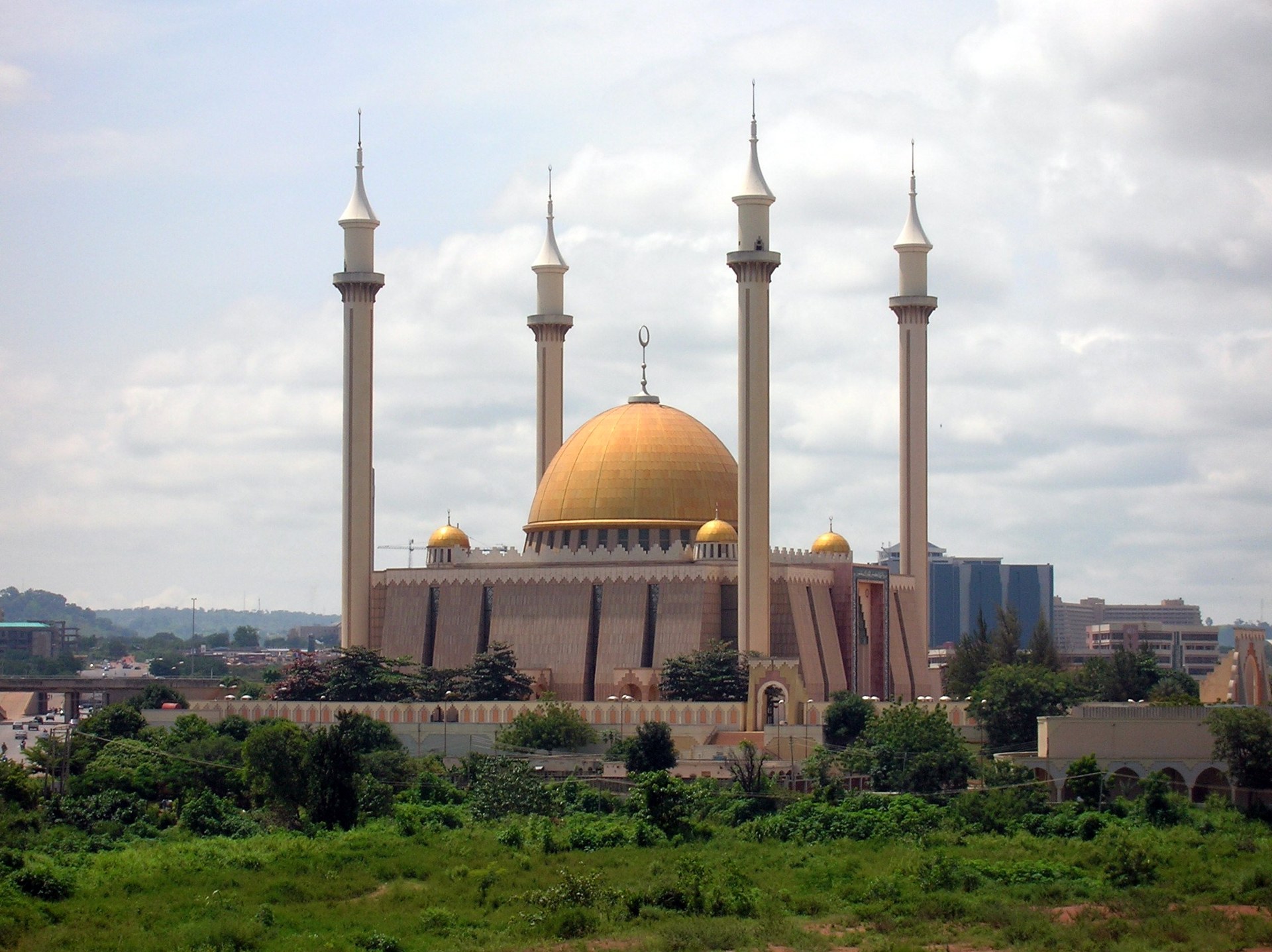
Update — October 21: the patient’s condition deteriorates
UPDATE — The patient’s condition deteriorates: At the Nigeria Centre for Disease Control’s first incident management meeting on the case, held in Abuja on Wednesday, the agency’s Director of Public Health Laboratory Services, Olajumoke Babatunde, said the patient’s condition has deteriorated to multi-organ failure. “The patient’s condition has deteriorated,” Babatunde said. “We did three levels of tests, but all were molecular. The strain was Bundibugyo.” The World Health Organization has also confirmed the strain. There is no approved vaccine and no specific approved treatment for Bundibugyo — care is supportive only — which makes the deterioration a grave turn in what officials had described a day earlier as a contained case.
The National Ebola Response Incident Manager, Dr Odianosen Ehiakhamen, restated the timeline at the same meeting: symptoms began on October 7, and the patient presented at a private hospital in the Federal Capital Territory on October 11, where she was first treated for malaria-like symptoms before Ebola was suspected. The 44 close contacts — healthcare workers, fellow patients, caregivers and travel contacts — remain under 21-day observation, and officials said surveillance has been escalated and response teams deployed following the meeting. Reports still differ on who the patient is and how she reached Abuja: Nigerian outlets describe a female diplomat who arrived from Uganda on October 3, while Reuters describes a Ugandan woman living in Abuja — her husband, a Swiss national, is among the contacts — who arrived via Addis Ababa on October 5, an account Ehiakhamen gave on Arise TV. The two accounts are carried here separately; officials have not reconciled them, and where she was infected remains unknown.
The wider outbreak has also grown since the case was confirmed. Reuters reported on Wednesday that the Congo outbreak at its centre has killed 4,646 people since May, with more than 9,500 cases across eight provinces, citing Uganda’s health ministry — a later, separately compiled tally than the Associated Press figures carried above, and kept separate from them here. Nigeria is the fourth African country, and by far the most populous, to be drawn into what health officials call the fastest-spreading Ebola outbreak on record. Africa CDC Director General Jean Kaseya wrote on X on Wednesday: “Ebola is now affecting three regions of Africa. The situation demands urgent action and political leadership at the highest level.”
Update sources: Reuters, October 21, 2026; NCDC incident management meeting remarks reported by Daily Post Nigeria and other Nigerian outlets, October 21, 2026.
Why this matters
A single imported case is not an outbreak, and Nigeria’s officials were right to stress containment. But place this case on the map and its weight changes. Nigeria is Africa’s most populous country and its biggest travel hub in West Africa; Abuja is a capital of diplomats, connecting flights and constant movement to Lagos, one of the largest cities on earth. Ebola’s danger has never been raw contagiousness — it spreads through direct contact with the blood and body fluids of someone who is sick, not through the air — it is the head start. This patient was symptomatic from October 7 and in a hospital from October 11, yet the diagnosis was only confirmed on October 20. Every day between symptom onset and isolation is a day in which nurses, fellow patients, caregivers and family can be exposed without knowing what they are dealing with. The 44-person contact list is the measure of that head start, and the next three weeks of monitoring those 44 people will decide whether Tuesday’s announcement stays a one-case story.
The strain matters too. The Bundibugyo species behind this outbreak has no approved vaccine and no specific cure; care is supportive, and containment rests entirely on the unglamorous machinery of finding cases early, isolating them, tracing contacts and protecting health workers. Africa CDC Director-General Dr. Jean Kaseya said on X that “we are facing an extremely serious threat,” with a fatality rate of nearly 50 percent of cases, adding: “This Bundibugyo Ebola outbreak has already become the most geographically extensive in history, affecting several countries spread across three regions of Africa.” When the head of the continent’s disease agency uses language like that about an outbreak that has just produced a case in a country of Nigeria’s size, the case stops being only Nigeria’s story.
The outbreak this case belongs to
The wider epidemic began in the Democratic Republic of Congo in mid-May 2026 and was declared a Public Health Emergency of International Concern by the WHO within days. By the Associated Press’s October 20 accounting, the Bundibugyo virus has infected more than 9,000 people and killed more than 4,300 — already the second-largest Ebola outbreak ever recorded, the fastest-spreading on record, and, in the WHO’s assessment reported by AP, on track to exceed the deadliest, West Africa’s 2014–2016 epidemic, which killed about 11,000 people. Congo’s outbreak has spread across eight provinces, and the virus keeps crossing borders: Kenya confirmed its first case earlier this month — a traveller who arrived from Congo — and has since recorded nine infections, several of them health workers. Our earlier reporting followed the Congo death toll past 4,000 and Kenya’s first imported case as the regional picture darkened.
Read those numbers as a contact tracer would. In Congo, Africa CDC has warned that identified contacts number in the tens of thousands against an estimated need in the hundreds of thousands — most new infections there are appearing in people who were never on a contact list at all. Nigeria’s situation is the opposite end of that problem, for now: one known case and a list of 44 names. The entire strategy of modern Ebola response is to keep it that way, because the difference between 44 traced contacts and an untraced chain is the difference between an incident and an epidemic.
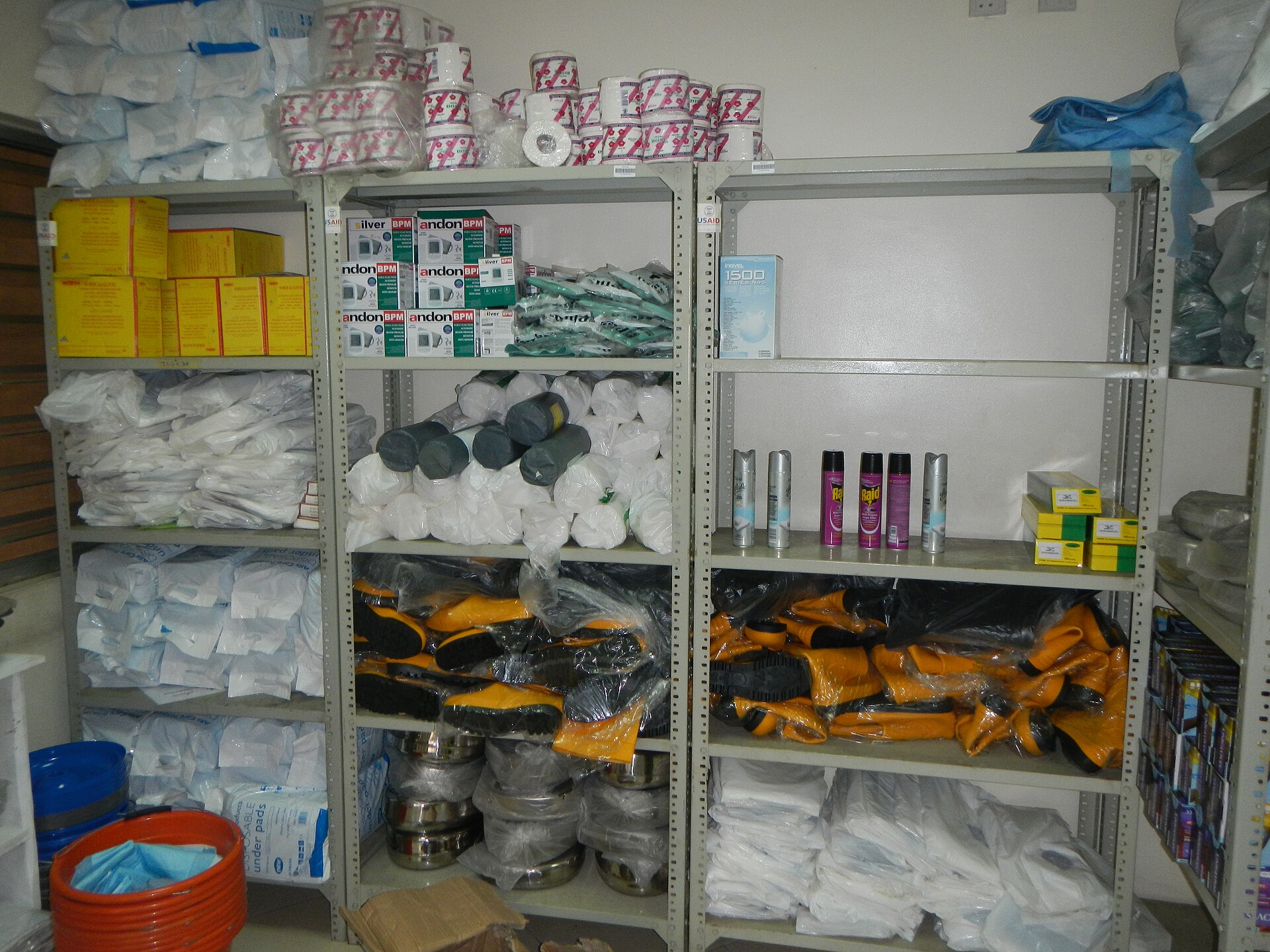
Nigeria has been here before — and prepared for this one
Nigeria’s confidence on Tuesday was not improvised. In 2014, a Liberian-American traveller, Patrick Sawyer, arrived in Lagos gravely ill and set off the country’s only previous Ebola outbreak: 20 cases and eight deaths, contained within about three months after tracers identified 894 contacts and made some 18,500 follow-up visits — a response still taught as a model of contact tracing under pressure. The institutional memory of 2014 runs through everything Abuja did this year. Nigeria established an Ebola task force in June, weeks after the Congo outbreak began. “We do not want a repeat of what happened during the last outbreak when a carrier entered the country, and everyone was scrambling to respond,” Femi Gbajabiamila, chief of staff to President Bola Tinubu, said when the task force was announced. “We have covered a lot of ground and established structures to address any potential threat.” And when Kenya confirmed its first case, the NCDC said two weeks ago it was stepping up surveillance and preparedness, focused on “early detection, isolation and referral, laboratory diagnosis, infection prevention and control, contact tracing, risk communication and protection of health care workers.” The system, in other words, was watching for exactly this arrival. Whether it caught it fast enough is the question the next 21 days answer.
Who gains, who loses, and what critics will watch
If the 44 contacts complete their monitoring without a secondary case, the government gains something valuable: proof that the post-2014 system works, and a rare public-health success story in the middle of a regional catastrophe. The costs of failure are asymmetric — a single missed chain in Abuja or Lagos would trigger emergency spending, hospital fear, travel screening across West Africa and a reputational hit to a country that markets itself as the region’s anchor. Health workers carry the sharpest risk either way: they are on the contact list first, as they were in Kenya, where several of the nine infections were among staff who treated the first patient, and as they were in 2014, when Nigerian doctors and nurses were among the dead. The fair criticism available today is narrow but real — a symptomatic traveller spent days in a private hospital before the diagnosis was confirmed — and officials will have to show that the gap was a testing timeline, not a recognition failure. The unfair criticism would be to treat one imported case as a collapse; on the evidence released so far, the detection and tracing machinery did engage.
What happens next
Ebola’s incubation period runs from 2 to 21 days, so the contacts identified on Tuesday will be monitored into early November; any fever among them becomes an immediate isolation and test. Expect three things to be watched closely. First, whether the contact list grows — flight contacts in particular can be slow to find. Second, whether testing confirms any secondary case, which would change this from a contained importation into a transmission chain with its own clock. Third, whether entry-point screening tightens further for arrivals from affected countries, as it did across the region in 2014. The outbreak tracker will follow the regional count as Congo’s epidemic — and now Nigeria’s response — develops. For today, the accurate headline is also the calm one: one confirmed case, a stable patient in isolation, 44 people being traced, and a country that has beaten this virus before racing to do it again.
Related reporting: Kenya’s first Ebola case, imported from Congo · Congo’s Ebola death toll passes 4,000 · Inside the Ebola vaccine trial in DR Congo
Sources
Associated Press, October 20, 2026 (Nigeria confirms an Ebola case in Abuja; patient timeline, 44 contacts, Kenya’s nine infections, Africa CDC’s Dr. Jean Kaseya, NCDC preparedness, June task force and 2014 background) — via NPR/WESA. Federal Ministry of Health and Social Welfare, Nigeria, statement and media briefing by Prof. Muhammad Ali Pate, October 20, 2026 (Bundibugyo confirmation, contained case, contact categories, hospital support and public guidance) — as reported by BusinessDay, the National Record and Punch. Reuters, October 20, 2026 (Uganda government spokesperson Alan Kasujja: no Ebola in Uganda; Kenya cases linked to Congo travel) — as reported in regional coverage. U.S. Centers for Disease Control and Prevention outbreak roundup, October 2026 (Uganda’s earlier 20 cases and July recovery; regional case distribution). Signal Post News outbreak tracker and prior reporting on the Congo and Kenya cases, linked above.