The US ordered departure Gulf embassies story moved from preparation to an issued order on Wednesday: the State Department ordered non-emergency employees and their families out of Saudi Arabia over Houthi attacks on the kingdom, and officials say family members at other Gulf missions will also be told to leave.
War / Middle East — Washington spent Wednesday morning preparing to pull people out of the Gulf. By the afternoon, for Saudi Arabia, the order had been given.
Track it live: Live wars tracker · Middle East war tracker
What was ordered on Wednesday
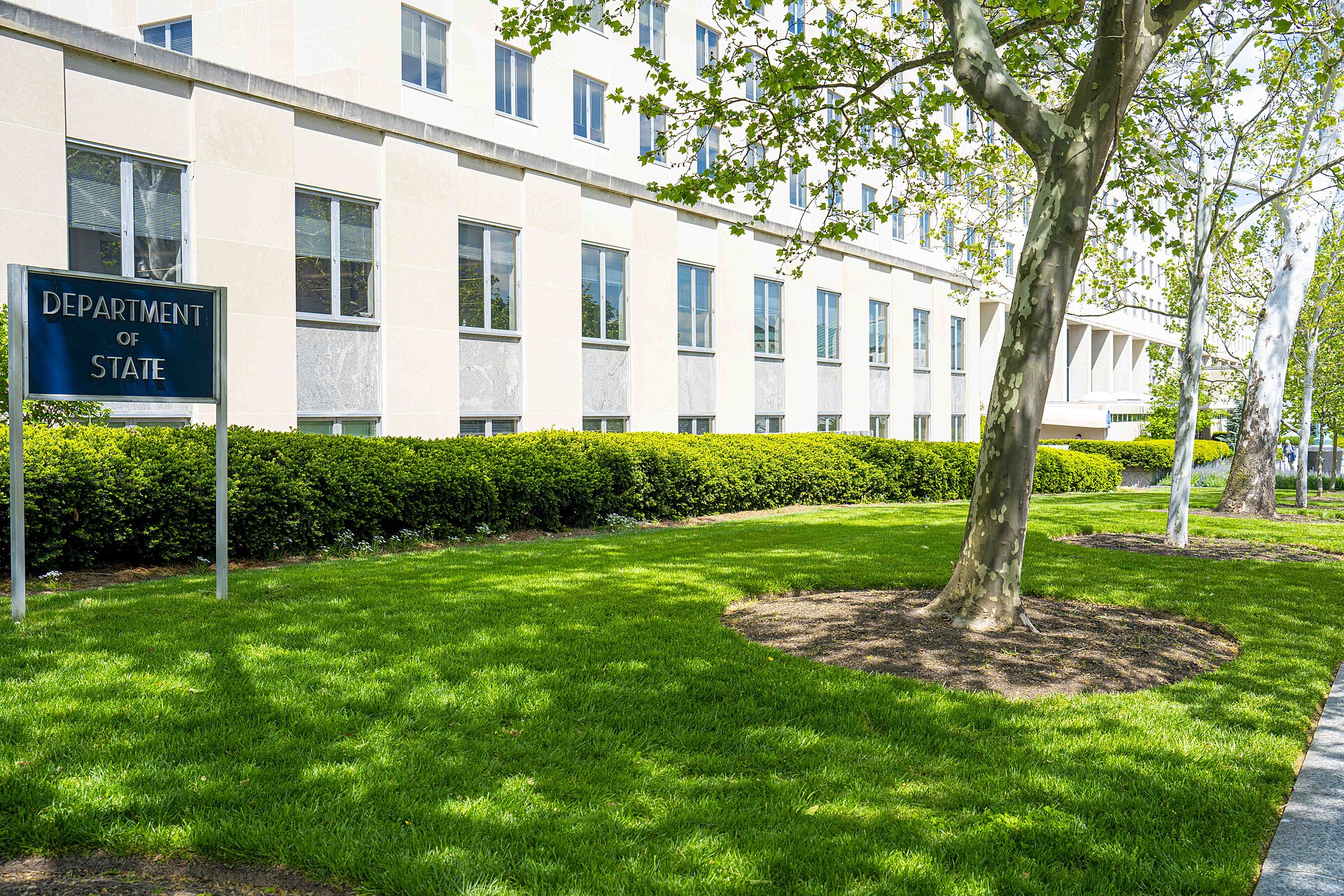
The State Department has ordered the departure of non-emergency US government employees and their family members from Saudi Arabia, department spokesperson Tommy Pigott said in a post on X, citing attacks by the Iran-aligned Houthis in Yemen on civilian targets. Reuters, updating its earlier reporting through the day, said the order covered some diplomats and family members at US missions in Saudi Arabia, and CNN independently reported the same step for the embassy in Riyadh: “The US State Department ordered the departure of non-essential staff and family members at its embassy in Riyadh” amid intensifying strikes on Saudi Arabia by the Iran-allied Houthi rebels.
The sequence matters. On Wednesday morning, Reuters reported that the department was preparing to issue an ordered departure for some personnel and family members from US embassies across the Gulf region, according to three US officials, two of whom said the move was due to a possible resumption of hostilities, particularly with the Houthi militia. By Wednesday afternoon the preparation had become an issued order for Saudi Arabia — the country whose airports have taken the heaviest fire this month.
Pigott’s statement addressed Saudi Arabia only. Four US officials told Reuters that US missions in other Gulf states would also be ordering family members to leave; Pigott did not address changes to missions outside Saudi Arabia, and CNN reported that a few other US diplomatic posts in the region are also adjusting staffing in response to the Houthi threat, citing a source. “This is about the Houthis,” a State Department official told CNN. Signal Post News is carrying the wider Gulf picture exactly as those sources framed it: an issued order for Saudi Arabia, and family departures planned or under way at other missions — not a blanket evacuation of every Gulf embassy.
The alert behind the order: Riyadh’s airport is still shut
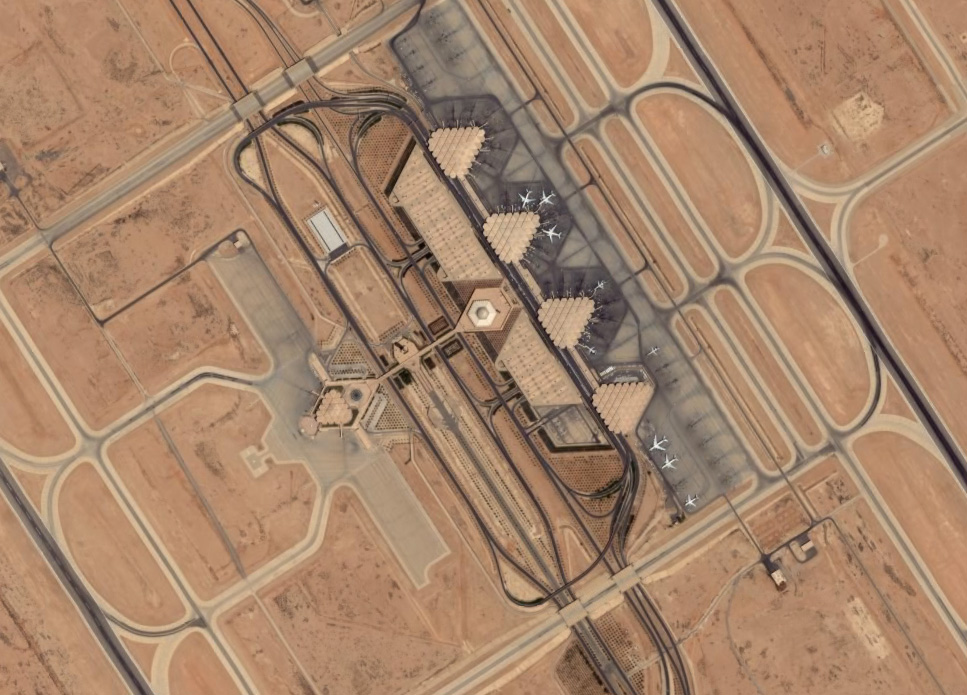
The same day, the US Embassy in Riyadh issued a countrywide security alert for Saudi Arabia — a Level 3 “Reconsider Travel” destination — recording that Iranian-supported Houthis have engaged in hostilities against the kingdom, including attacks on civilian airports and other critical infrastructure resulting in civilian casualties and severe travel disruptions, and that the hostilities have the potential to escalate rapidly. Operations at King Khalid International Airport in Riyadh remain suspended, the alert said; King Abdulaziz International Airport in Jeddah and King Fahd International Airport in Dammam are operational with some delays and cancellations. US government employees in Saudi Arabia require special authorisation from the Chief of Mission to use any airport in the country following the recent missile and UAV attacks.
The alert’s detail underlines how constrained movement inside the kingdom has become. US government employees are not allowed to travel within 20 miles of the Yemen border and need special authorisation for travel to the Jizan, Asir and Najran provinces and the cities of Qatif, Yanbu and Taif. Land border crossings, including the King Fahd Causeway to Bahrain, remain operational, as do highways in and around Riyadh, Jeddah and Dhahran, and neighbouring international airports — Bahrain, Amman, Muscat, Doha and the UAE’s Abu Dhabi, Dubai and Sharjah — remain operational. The embassy also carried a Saudi Ministry of Interior warning that filming, publishing or sharing information about missile and drone interceptions and impact sites exposes people to legal liability, noting that US citizens have been detained for not adhering to it, including for taking photos of government buildings, airports and impact sites. Regular and emergency consular services remain available.

What an “ordered departure” actually means
An ordered departure is the State Department’s compulsory version of a drawdown. Unlike an “authorised departure,” which lets eligible staff and families leave voluntarily at government expense, an ordered departure requires the named categories — here, non-emergency employees and family members — to go. Embassies do not close: essential personnel remain, consular services continue, and the mission keeps operating with a smaller footprint. It is, deliberately, a visible act. Governments issue ordered departures when they judge that the risk to dependants and non-essential staff has crossed a threshold — and, just as deliberately, other governments, markets and adversaries read the move as a measure of how seriously Washington takes the threat.
The context Reuters attached to the order cuts both ways. Washington had returned some personnel to the region in recent months after pullbacks when Tehran launched attacks on US facilities after the US-Israeli war on Iran began in late February — and the embassy in Riyadh and a CIA station hosted there came under drone attack in early March. The Saudi mission was, in other words, still rebuilding its presence when this month’s Houthi campaign against the kingdom’s airports began.
Why now: a month of fire aimed at Saudi airports
The Houthis have spent October firing missiles and drones at Saudi Arabia’s civilian aviation infrastructure. Saudi authorities confirmed earlier this month that Houthi strikes on airports including Riyadh’s killed three people — coverage Signal Post News followed in Saudi Arabia confirms Houthi airport strikes killed 3 — and airlines suspended flights to Riyadh as the attacks continued, as reported in airlines suspend Riyadh flights amid Houthi airport attacks. Wednesday itself brought two more deadly incidents in the kingdom’s Eastern Province — debris from an intercepted drone killing two workers at Aramco’s Shaybah oilfield and an attack on King Fahd International Airport in Dammam killing one resident — detailed in King Fahd airport attack kills one in Dammam as Shaybah drone debris kills two oil workers.
Allied capitals have been moving in the same direction. Britain’s Ministry of Defence announced on October 20 that RAF Typhoons will fly defensive missions over Saudi Arabia. Turkey’s foreign minister has ruled out an offensive role while backing Saudi defence — the position examined in Turkey rules out an offensive role in Saudi defence support — and Saudi-backed forces aligned with Yemen’s internationally recognised government have expanded operations against Houthi positions across multiple frontlines while Saudi air power provides cover, CNN reported. Saudi Arabia has framed its posture throughout as defensive: the kingdom has sought allied defensive help rather than announcing retaliation, and its statements have concentrated on interceptions and civilian harm. The Houthis, for their part, have presented their campaign as a response to the blockade and the war in Yemen and have warned airlines against using Saudi airports; their claims about Wednesday’s specific incidents are carried in the linked coverage, attributed as claims.
Why this matters
An ordered departure is information. Whatever officials say publicly, the decision tells every observer — Riyadh, Sanaa, Tehran, the oil market and the aviation industry — that the US government rates a further escalation of Houthi-Saudi fighting as plausible enough to move families out of range. That has second-order effects the order itself cannot control: it pressures commercial carriers and insurers already retreating from Saudi airspace, it complicates the energy sector’s expatriate rotations through airports that are closed, delayed or under attack, and it raises the diplomatic cost of the next strike, because any attack that now harms Americans lands on a government that has publicly said it saw the risk coming. Supporters of moving early argue that the March drone attack on the Riyadh embassy compound is the standing lesson in what waiting costs. Critics of evacuation decisions argue the opposite: that drawdowns can feed the very panic and escalation they respond to, and hand the Houthis a strategic effect — an emptying Gulf — that their missiles alone could not achieve. Both arguments were being made in Washington on Wednesday; the order, for Saudi Arabia at least, has settled which one prevailed.
What happens next
Three things to watch. First, the mechanics: how quickly the Saudi drawdown proceeds, whether the other Gulf missions’ family departures are formally announced, and whether any mission moves beyond family members to a fuller evacuation. Second, the airports: King Khalid International’s suspension is the single most disruptive fact in the kingdom’s aviation picture, and its reopening — or another strike — will say more about the trajectory than any statement. Third, the Houthi response: the group has historically treated Western drawdowns as evidence its pressure works, while Saudi and allied air defences are being reinforced, including by the RAF deployment announced this week. An ordered departure is meant to reduce risk. Whether it also reduces the temperature is a different question, and Wednesday’s strikes are not encouraging evidence.
Sources
Reuters — US orders departure of embassy staff in Saudi Arabia, officials say (October 21, 2026, updated wire: preparation reporting, Pigott statement, four officials on other Gulf missions). CNN — US orders departure of embassy staff in Saudi Arabia (October 21, 2026). U.S. Embassy & Consulates in Saudi Arabia — Security Alert: U.S. Mission to Saudi Arabia — October 21, 2026. The Times — reporting on the Pigott statement and officials’ accounts of family departures at other Gulf missions (October 21, 2026).