World / Saudi Arabia was hit at both ends of its Eastern Province on Wednesday: debris from an intercepted drone killed two foreign workers at Aramco's Shaybah oilfield, and an evening attack on King Fahd International Airport in Dammam killed one resident and injured eight — hours before Washington ordered embassy families out of the kingdom.
The King Fahd airport attack on Wednesday evening killed one resident and injured eight other people at King Fahd International Airport in Dammam, Saudi Arabia's General Authority of Civil Aviation (GACA) said — the second deadly incident in the kingdom's Eastern Province in a single day, after falling debris from an intercepted drone killed two workers at Saudi Aramco's Shaybah oilfield and injured two more.
Track it live: Middle East war tracker · Live wars tracker · Oil price tracker
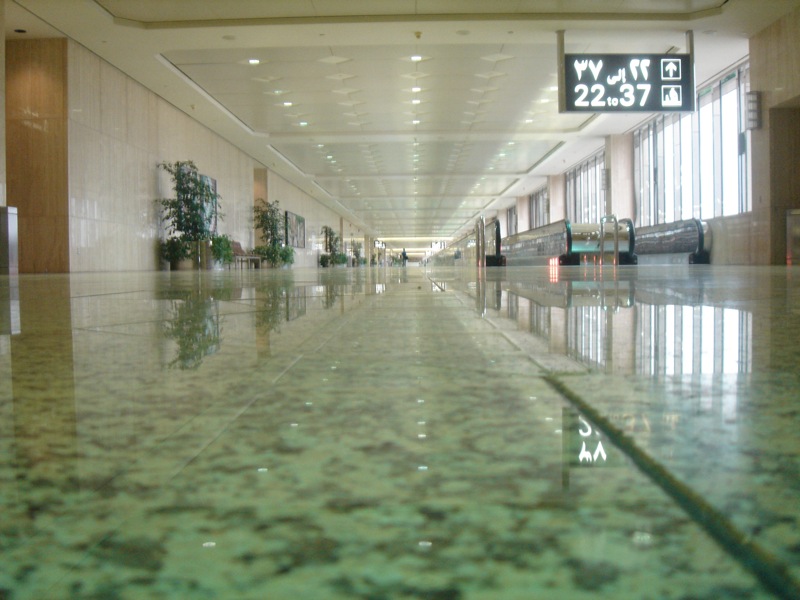
What happened at King Fahd airport
An attack on King Fahd International Airport in Dammam on Wednesday evening killed one resident and injured eight others, the General Authority of Civil Aviation said in a statement reported by Reuters. The statement said material damage was still being assessed. GACA did not say what weapon was used or who carried out the attack, and The Times of London, reporting the same casualty figures, noted it was not yet clear who was responsible for the strike. No group had publicly claimed the airport attack in the first hours after it.
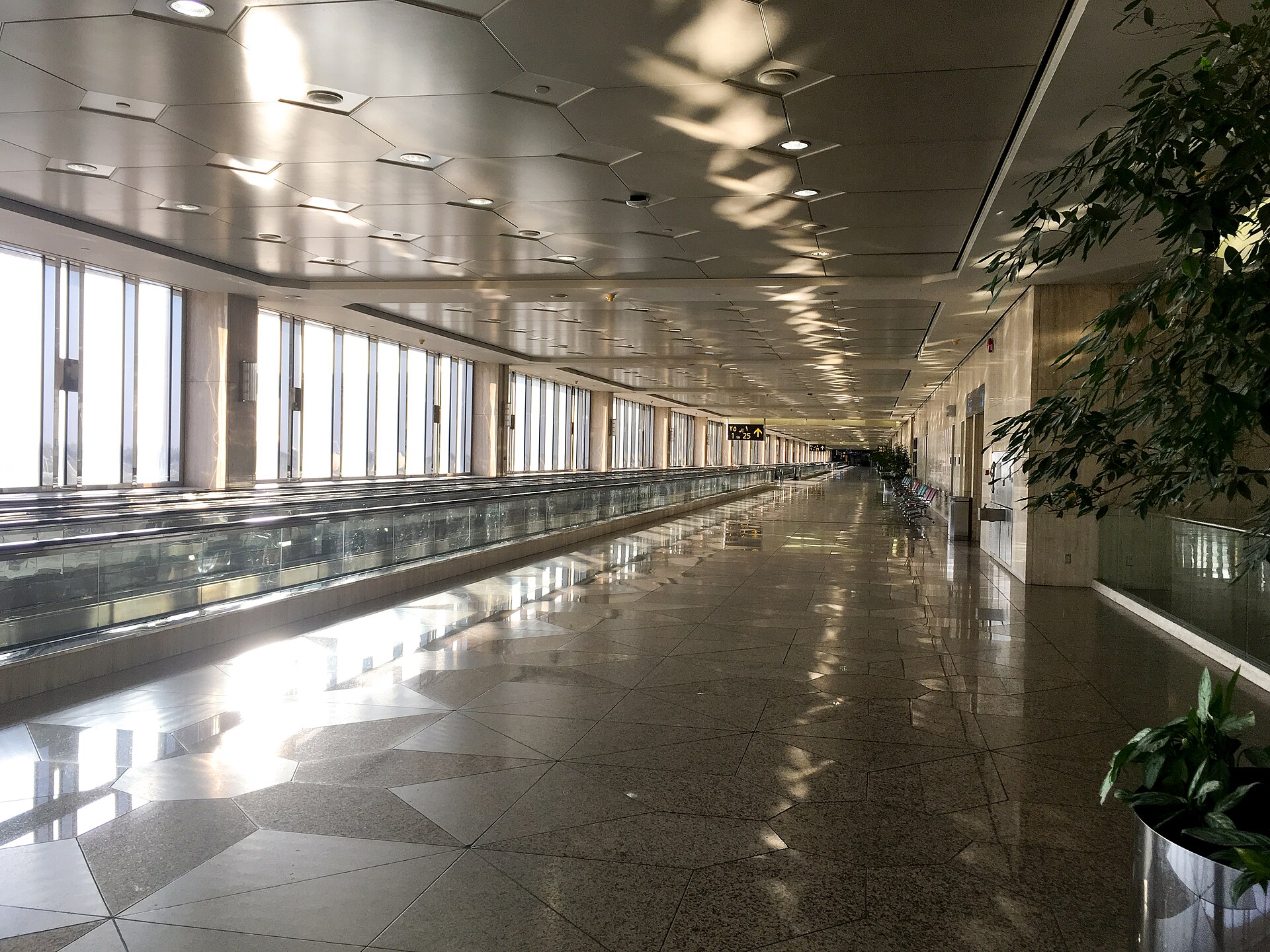
King Fahd International is the main gateway to Saudi Arabia's Eastern Province — the oil-producing region that hosts Aramco's headquarters in Dhahran, the Ras Tanura export terminal and the kingdom's largest onshore fields. Covering some 776 square kilometres, it is the largest airport in the world by land area, and it had already been targeted earlier in October during the series of Houthi missile and drone attacks on Saudi airports between October 6 and 12, which Saudi and international reporting put at at least 20 people killed and more than 370 injured across Riyadh, Abha and Dammam.
Shaybah: the interception that still killed
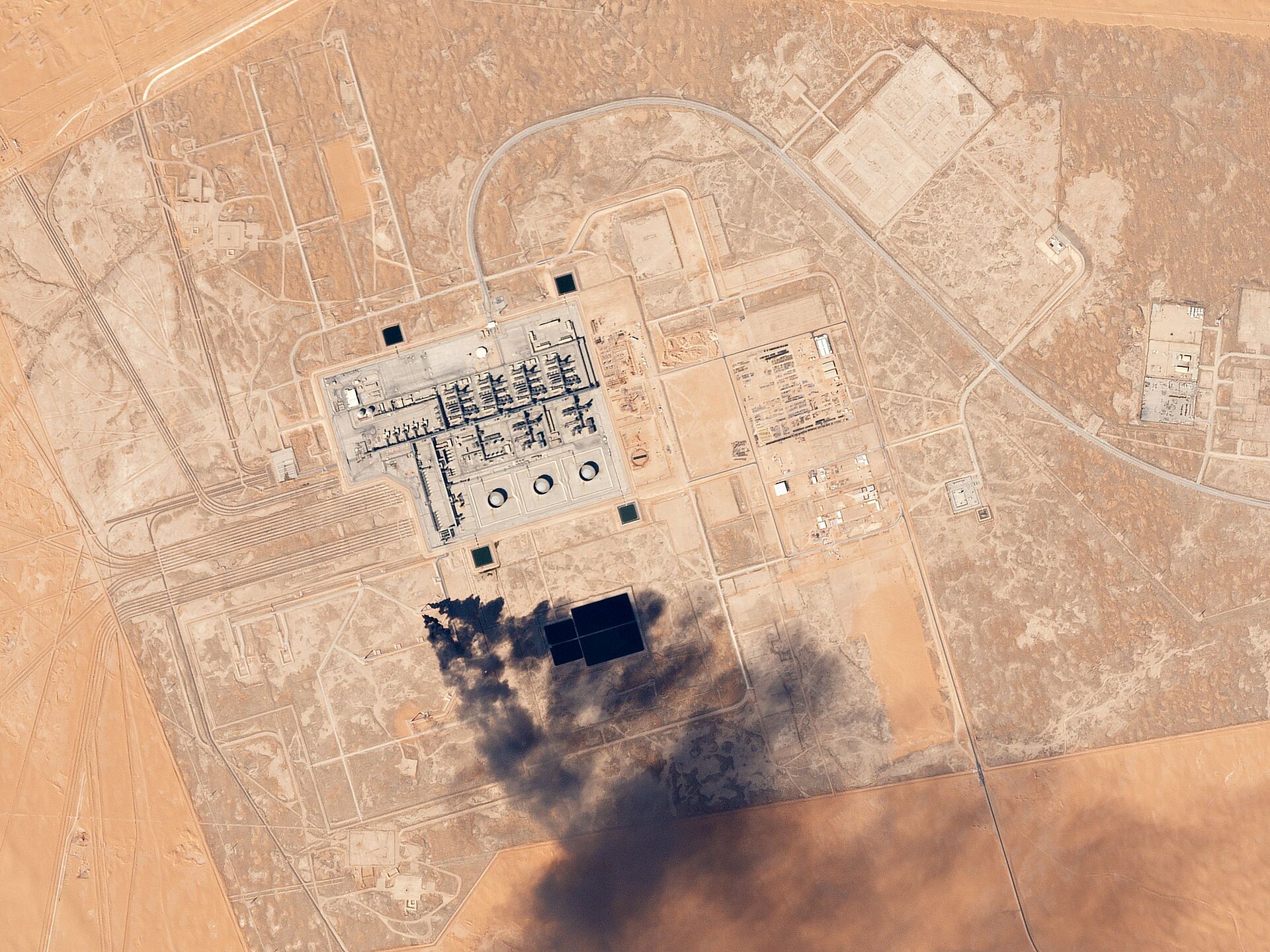
Hours earlier and some 800 kilometres to the south, Saudi air defences intercepted a drone attempting to strike a facility at Aramco's Shaybah oilfield in the Empty Quarter desert, the Ministry of Energy said. The drone never reached its target — but the interception itself was lethal. Falling debris set fire to a contractor's vehicle outside the facility's perimeter, killing two residents, one Filipino and one Nepali national, and injuring two others, one Pakistani and one Indian, according to the ministry statement carried by the Saudi Press Agency and reported by the Associated Press and Reuters.
The ministry said the incident did not affect operations at Shaybah, a super-giant field with an estimated 14 billion-plus barrels of reserves that produces roughly a million barrels a day of Arab Extra Light crude at full capacity. The ministry's statement did not attribute the drone to any party. The AP reported the attack came amid a campaign of strikes on Saudi airports and oil facilities by Yemen's Houthi movement, which has acknowledged attacking Riyadh's airport this month; the Houthis had not, in the reports available Wednesday night, specifically claimed the Shaybah drone.
Why this matters
Wednesday's two incidents expose the uncomfortable arithmetic of air defence. At Shaybah, the defence worked exactly as designed — the drone was destroyed before it could hit the plant — and two men still died, killed not by the weapon but by its wreckage, in a vehicle outside the fence. Interception rates are the figure governments quote; debris fields are the figure workers live under. Last month, debris from an intercepted Houthi drone killed a Yemeni resident of Saudi Arabia in what the AP described as the first civilian casualty of the renewed campaign. Shaybah is the second time falling wreckage, not a direct hit, has produced the fatalities.
The four Shaybah casualties also share a profile that runs through this entire escalation: all were foreign workers — Filipino, Nepali, Pakistani and Indian nationals — part of the expatriate labour force that staffs the Gulf's energy infrastructure. The October airport attacks likewise killed and injured large numbers of travellers and workers. The human exposure in this conflict sits disproportionately on people who are neither combatants nor citizens of the states fighting it, a fact with diplomatic consequences of its own: four Asian governments now have nationals among Wednesday's dead and wounded.
Geography matters too. The October 6–12 campaign centred on Riyadh's King Khalid airport and Abha in the southwest. Wednesday's attacks were both in the east — the airport that serves the oil province, and a flagship oilfield near the UAE border — on the same day the United States ordered non-emergency embassy staff and families to leave Saudi Arabia, with State Department spokesman Tommy Pigott citing Houthi attacks "on civilian airports and other critical infrastructure resulting in civilian casualties and severe travel disruptions." When the protecting power starts moving its own families out, the threat assessment has changed in kind, not just degree.
How we got here
The current escalation follows the collapse in June of the four-year truce between Saudi Arabia and the Houthis. On October 3, a fire erupted at an Aramco refinery south of Riyadh after a strike the Houthis were blamed for. Between October 6 and 12, ballistic missiles and drones hit airports in Riyadh, Abha and Dammam in the deadliest series of attacks inside the kingdom in a decade; Riyadh's King Khalid International Airport was struck repeatedly, killing at least 12 people on October 10 alone and injuring more than 300, and major international carriers suspended Saudi services — a disruption we covered in airlines suspend Riyadh flights after the Houthi airport attacks and in our report on the Aramco Riyadh refinery fire. Saudi Arabia has responded with strikes on Houthi missile-launcher sites inside Yemen, Reuters reported, and says it has intercepted many of the ballistic missiles fired at the kingdom.
King Khalid airport in Riyadh had only just reopened to domestic flights on Wednesday, according to the AP, citing FlightAware data showing Saudia and Flynas operating — while Lufthansa and Air France have cancelled Saudi services through mid-November. Wednesday evening's Dammam attack now puts the eastern gateway into the same risk category airlines have already applied to the capital.
What is confirmed, and what is not
Confirmed by Saudi official statements reported by at least two independent wire services: one resident killed and eight injured in the King Fahd airport attack (GACA); two workers killed and two injured by debris at Shaybah, with operations unaffected (Ministry of Energy). Not confirmed: who fired on King Fahd airport — no attribution was made in GACA's statement and no claim of responsibility had been verified by Wednesday night — and who launched the Shaybah drone, which the energy ministry likewise did not attribute. The Houthis have claimed previous attacks in this campaign, including on Riyadh's airport, and the group's spokesmen have warned airlines against using Saudi airports; readers should treat any claim about Wednesday's two incidents that appears later as a separate report requiring its own verification.
What happens next
Three things to watch. First, GACA's damage assessment for King Fahd airport and whether Dammam operations are suspended — a closure would leave the Eastern Province dependent on Bahrain's airport and road causeway for international access. Second, attribution: a formal Saudi statement naming a perpetrator for either incident would likely precede further Saudi strikes on launcher sites in Yemen, following the pattern Reuters described earlier in the campaign. Third, the airline and insurance response — with one capital airport already on reduced service and major European carriers out until mid-November, a second attacked gateway raises the prospect of Saudi Arabia being treated, commercially, as a war-risk aviation zone, with consequences for the expatriate workforce rotations the energy sector depends on. The US ordered departure, meanwhile, will be read across the region as a signal of how Washington rates the kingdom's air-defence coverage — whatever the interception statistics say.
Sources
Reuters — Saudi civil aviation says one killed, eight injured in attack on King Fahd airport (October 21, 2026). Associated Press — Saudi authorities say 2 killed by falling debris at oil facility following a drone attack (October 21, 2026). Reuters via BOE Report — Two killed after drone intercepted near Saudi Aramco's Shaybah oilfield (October 21, 2026). Qatar News Agency / Saudi Press Agency via Fana News — Saudi Arabia says drone intercepted near oil field, two killed (October 21, 2026). The Times — US withdraws diplomats from Saudi Arabia after deadly Houthi attacks (October 21, 2026).