Riyadh airport flights cancelled
Riyadh airport flights cancelledHouthi attack Riyadh airportLufthansa suspends Riyadh flightsAir India cancels Riyadh flightsKing Khalid airport closedSaudi airspace warning airlinesRiyadh airport status todayflights to Saudi Arabia cancelledHouthi airline warningKing Khalid International Airport departures cancelled
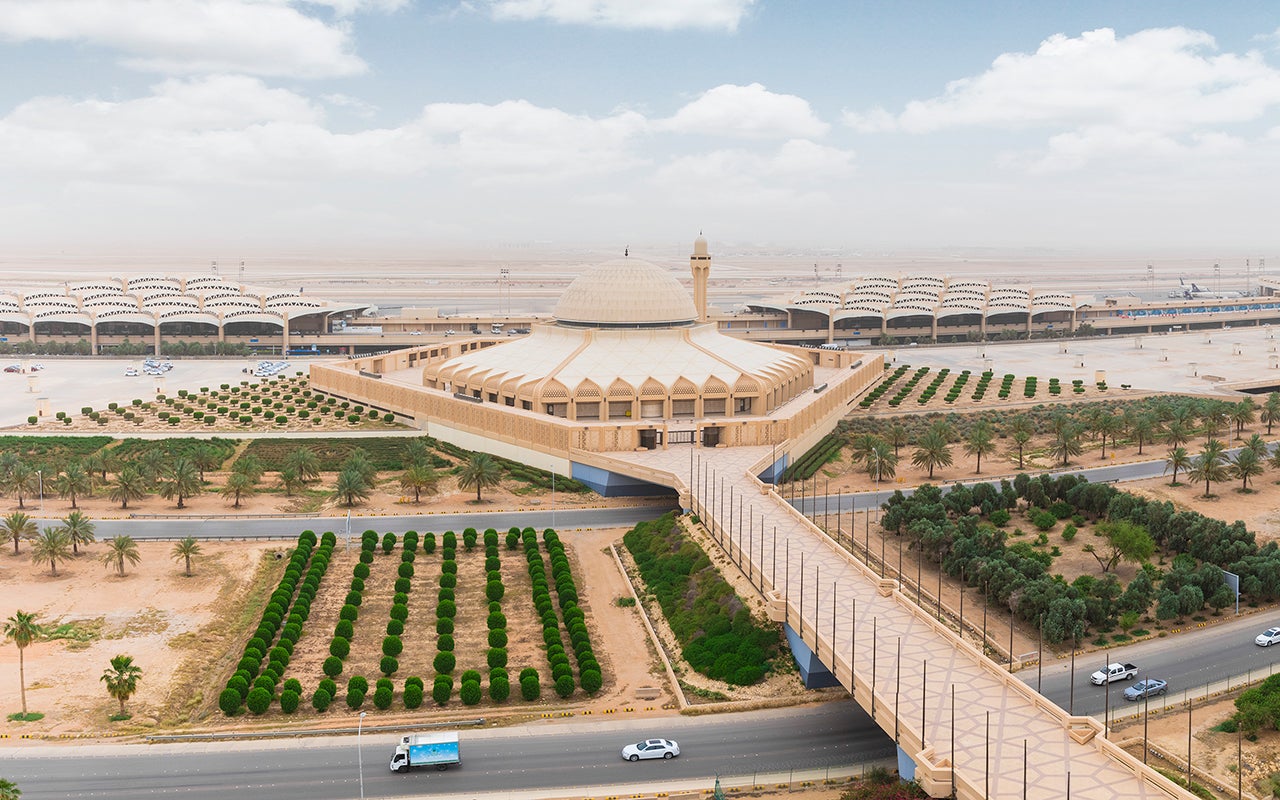
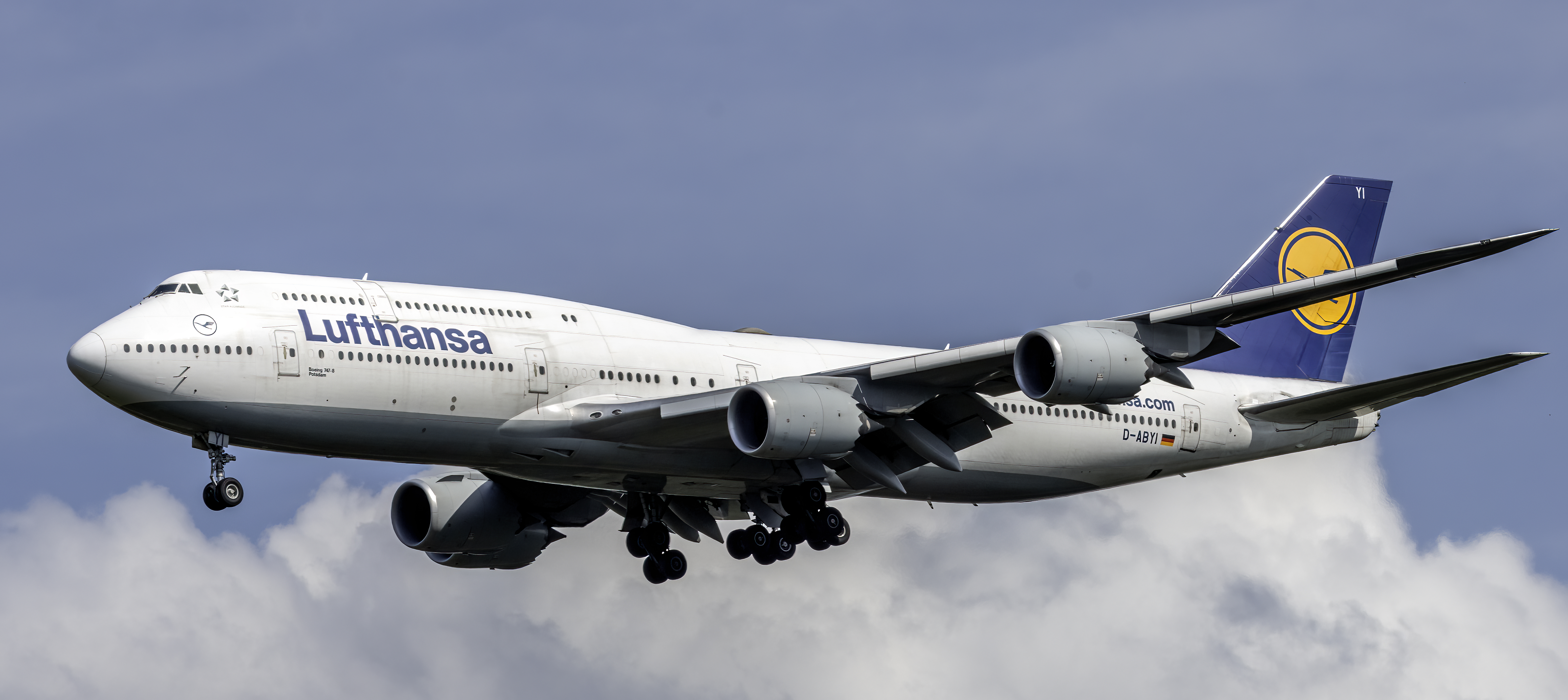
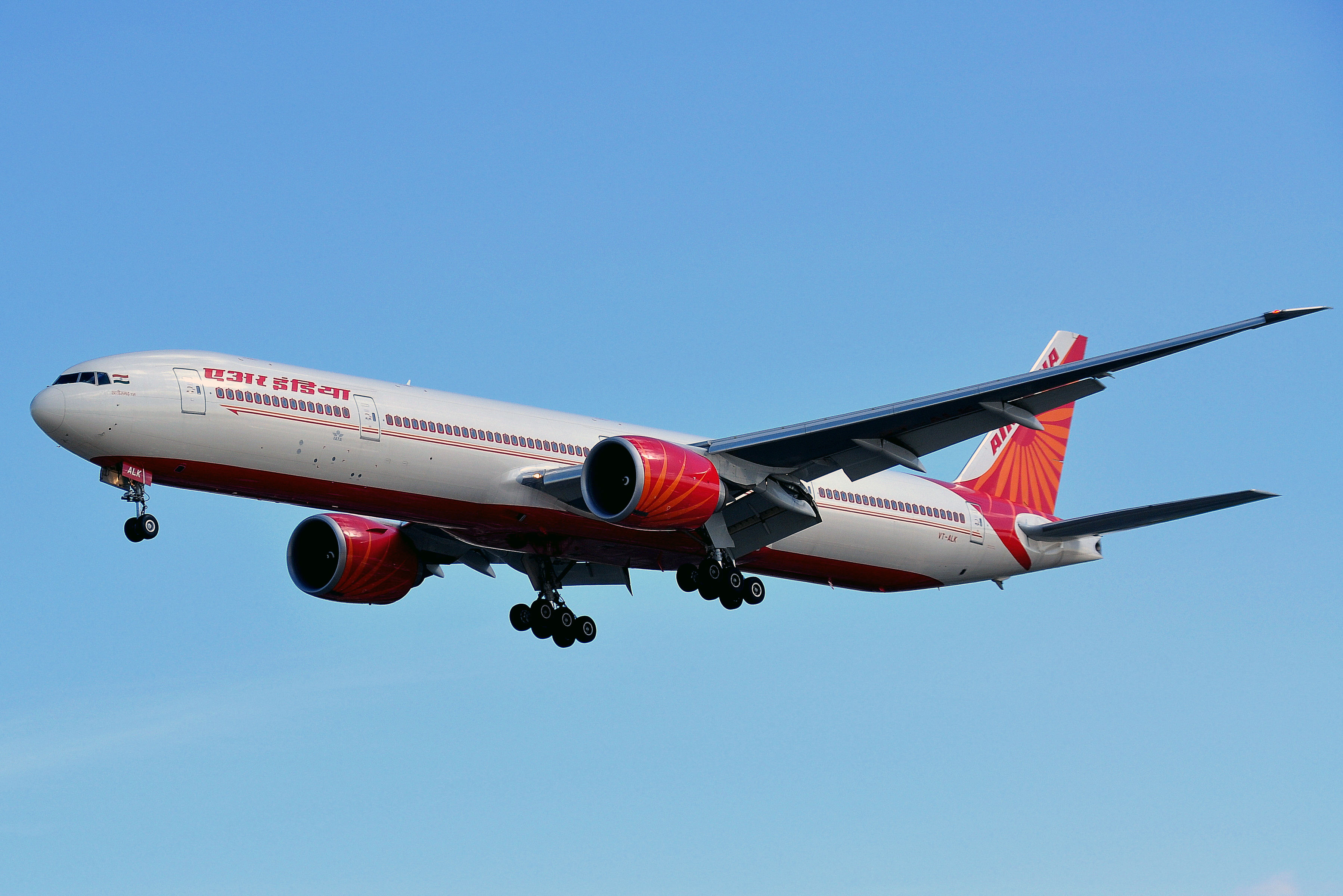
RIYADH — Riyadh airport flights cancelled — that is now the reality for passengers booked to Saudi Arabia's capital, as a string of Houthi missile attacks on Saudi airports pushed some of the world's biggest carriers to walk away from Riyadh. Lufthansa Group airlines will suspend flights to Riyadh through October 16, citing “current developments in the Middle East,” a Lufthansa spokesperson told Reuters. India's aviation heavyweights followed within hours: Air India cancelled all flights to and from Riyadh until October 10, IndiGo — India's largest airline — cancelled all Riyadh services until October 9, and both Air India Express and Akasa Air scrapped their Riyadh schedules until October 10. Flightradar24 data showed more than 150 departures cancelled at King Khalid International Airport on Thursday afternoon, about 39 percent of scheduled services, with Cirium putting the cancellation rate at 49.7 percent by 1500 GMT.
What happened on Thursday
The trigger was the Houthis' claim of a ballistic-missile strike on King Khalid International Airport on Thursday, paired with what the group called a final warning to global airlines against using Saudi airspace. Reuters reported smoke rising from a stationary aircraft at the airport, citing a witness and three people briefed on the matter. The Saudi-led coalition said it intercepted two ballistic missiles headed toward Riyadh and one toward Khamis Mushait — the interception claim sitting alongside, and not fully resolving, the question of what hit the ground.
The airline dominoes fell fast: Air India's flight AI2243, en route from Delhi to Riyadh, turned back mid-flight on Thursday; the airline offered full refunds or rescheduling; its low-cost arm Air India Express cancelled its 16 weekly Riyadh flights from Bengaluru, Kochi, Kannur and Kozhikode until October 10; IndiGo cancelled all flights to and from Riyadh until October 9; Akasa Air cancelled its two scheduled Riyadh services until October 10. The numbers tell the scale: 162 departures cancelled by 4:40 p.m. Saudi time, 114 delayed, per Flightradar24 — and Cirium expects 31 more cancellations across Saudi airports on Friday. India's embassy in Riyadh issued an advisory to Indian nationals, urging them not to circulate videos or news of the attacks.
Why this matters
This is the first time in the current phase of the Yemen conflict that major international carriers have treated Saudi airspace as a no-go zone. Airlines are the most honest risk assessors in the world — they do not cancel routes for politics; they cancel them when their safety departments judge the airspace unsafe. A Lufthansa suspension through October 16 is not a blip; it is a verdict on the risk picture around Riyadh.
The deeper significance is the Houthis replicating their Red Sea playbook in the sky: in the Red Sea the group used relatively cheap drones and missiles to impose enormous costs on global shipping — forcing reroutes, raising insurance premiums, turning a waterway into leverage. The same logic now applies to Saudi airspace: a “last warning” to airlines, followed by a claimed missile hit on the capital's airport, and suddenly 40 percent of a major airport's departures vanish without the Houthis needing to win a single battle. Airspace coercion is cheaper than air defense penetration, and it hits the Saudi economy where it is most sensitive: Vision 2030's bet on turning Riyadh into a global aviation hub. There is also the oil dimension: the Houthis have warned civilians away from oil facilities while pressing what amounts to a blockade threat against the world's top oil exporter.
How we got here
The Houthi cross-border missile and drone campaign against Saudi Arabia dates to 2015, when the Saudi-led coalition intervened in Yemen's civil war. What changed this year is intensity and the target set: the Yemeni civil war resumed in July 2026, and the coalition launched a ground-and-air offensive aimed at retaking the Red Sea coast and the Bab el-Mandeb strait — a direct threat to the Houthis' maritime leverage. Earlier this week the escalation turned deadly for civil aviation: Saudi Arabia's General Authority of Civil Aviation confirmed Houthi attacks on Riyadh and Abha airports killed 3 people and injured 36. The coalition responded by striking 82 Houthi military targets across Saada, Al-Hudaydah, Al-Jawf and Marib. Thursday's claimed missile strike on King Khalid airport and the airline warning were the Houthis' answer — escalation begetting escalation, with civilian air travel caught in the middle.
The numbers, in context
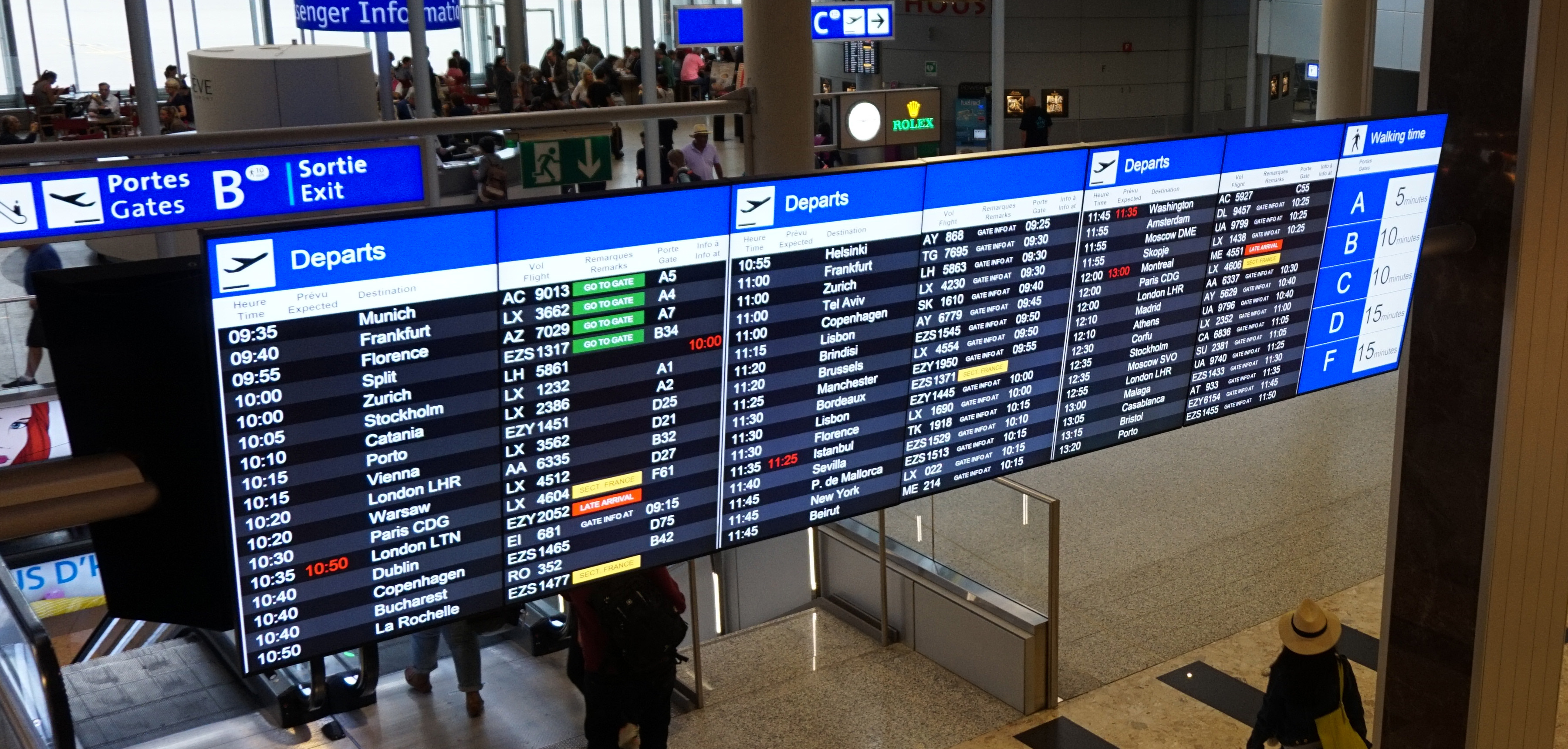
One hundred and fifty-plus cancellations in a single afternoon — roughly 40 percent of departures — is the kind of figure normally associated with a full airspace closure. When Ukraine's airspace closed in February 2022, or when Israel–Iran exchanges shut corridors in 2025, the pattern was the same: official notices lag the airlines' own risk calls by hours. Here the airlines moved before any formal Saudi airspace closure, which is the more alarming signal: carriers are self-grounding, meaning their internal threat assessments are running ahead of official guidance. King Khalid International Airport handled tens of millions of passengers a year before this week's disruption; a sustained 40 percent cancellation rate, extended over days or weeks, would strand tens of thousands of travelers and sever business and pilgrimage flows through the capital.
Who benefits, who loses, and what the critics say
The Houthis benefit most directly: without firing at an airliner, they have imposed costs on Saudi Arabia's aviation sector and forced Riyadh to spend on air defense and crisis management. Every cancelled flight is a small advertisement for the group's leverage — and leverage is what the Houthis are accumulating ahead of any negotiation. The airlines lose revenue and face rerouting headaches, but their calculus is cold and rational: one damaged aircraft or harmed passenger would cost infinitely more than a week of cancelled Riyadh services. Travelers — including the large Indian expatriate community in Saudi Arabia — bear the immediate pain.
Saudi Arabia loses momentum on its aviation-hub ambitions and faces a policy dilemma: a heavier military response risks further escalation and more airline skittishness, while restraint risks looking like acquiescence to the Houthi warning. Critics of the coalition's campaign argue the air offensive has not deterred Houthi long-range strikes and may be hardening them; supporters counter that the 82-target strike package and the ground offensive are the only language the group understands. Both claims deserve to be held against the evidence of the coming weeks.
What happens next
Three trajectories are visible. First, the coalition's retaliation: with 82 targets already hit this week and a ground offensive underway along the Red Sea coast, the next Houthi strike will almost certainly draw a heavier answer — and each round raises the risk to civil aviation. Second, the regionalization question: Syria is weighing aid to the anti-Houthi effort, and Pakistan and Turkey are being drawn into the diplomatic and possibly military picture. Third, the airline timeline: Lufthansa's October 16 date is the number to watch. If carriers extend their suspensions past it, the “temporary disruption” becomes a structural repricing of Saudi airspace risk — with consequences for insurance, ticket prices, and Vision 2030's aviation bets that would outlast any single missile. The honest answer is that nobody knows whether Thursday was a peak or a beginning. The airlines have placed their bet: for now, Riyadh's skies are not worth the risk.
Related coverage
- Houthis Claim Ballistic Missile Struck Riyadh Airport, Issue 'Last Warning' to Airlines
- Saudi Arabia Confirms Houthi Airport Strikes Killed 3
- Aramco Riyadh Refinery Fire: Smoke Rises as Saudi–Houthi Escalation Deepens
Sources: airline schedules, official statements and conflict claims are attributed to the reporting below.
- Reuters — “Lufthansa, Air India suspend flights to Riyadh after Houthi attacks” (Oct. 8, 2026)
- Gulf Business — “Riyadh airport: 150 flights cancelled amid Houthi attacks”
- CNN — Riyadh airport and Houthi attack coverage
- The Daily Jagran — “India issues alert for nationals in Saudi Arabia; Air India cancels flights”
- LaPost — “Lufthansa, Indian airlines suspend flights to Riyadh after Houthi attacks”