World / Japan / Okinawa
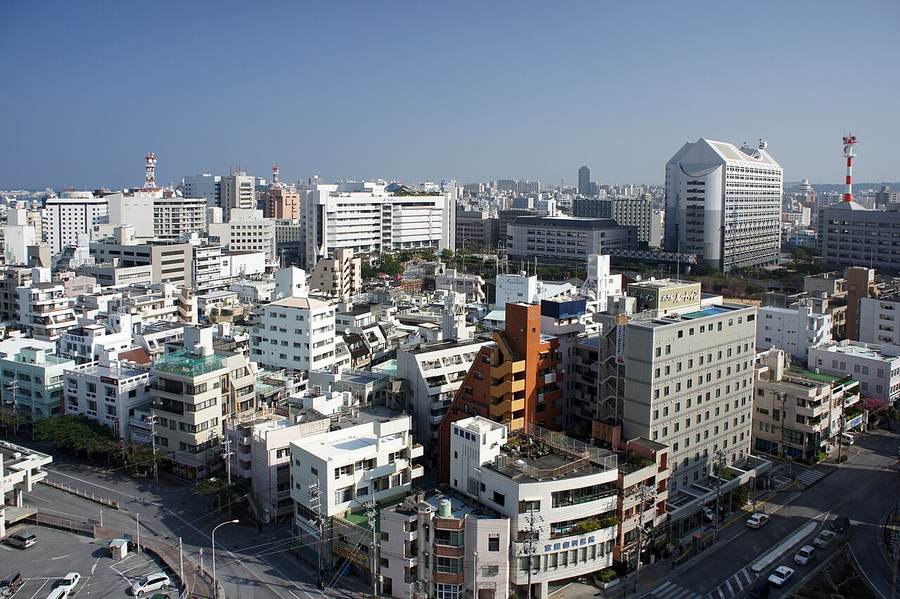
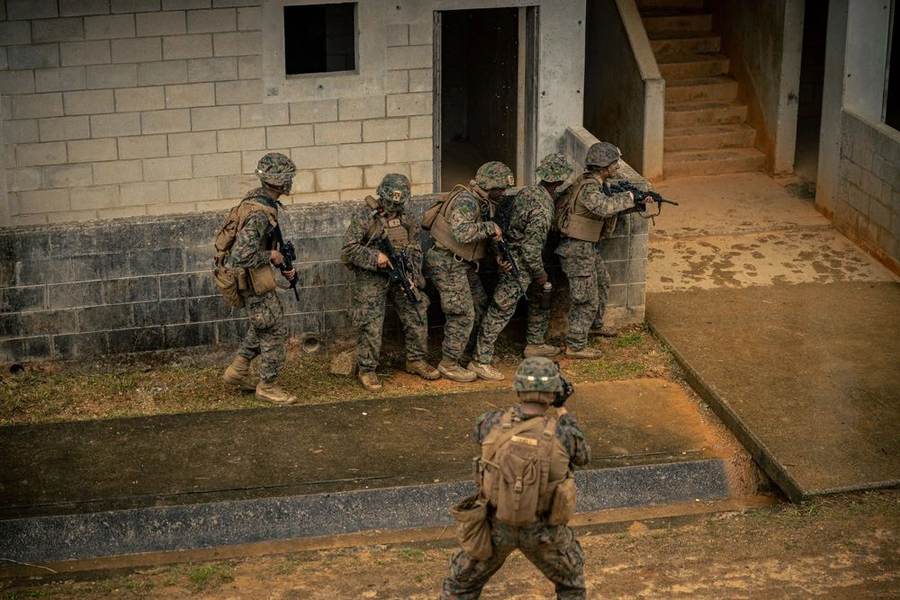
NAHA, Japan — The US Marine arrested Okinawa murder investigation moved rapidly from a hotel room to a diplomatic confrontation on Sunday after Japanese police detained 20-year-old Devin Jacob Ballard on suspicion of robbery and murder. Ballard, stationed at Marine Corps Air Station Futenma and assigned to III Marine Expeditionary Force, denies the allegations. He has not been convicted, and the accusations remain unproved.
Police allege that Anna Yagi, 39, was killed inside the Naminoue Crystal Hotel in Naha. She was found unresponsive early Saturday and pronounced dead at the scene at about 4:30 a.m. local time. Investigators said the condition of her body indicated murder, according to reports by Reuters and CNN.
CCTV reportedly showed a shaved-headed man believed to be a foreign national entering the room with Yagi and later leaving with her belongings. Police allege that her wallet and backpack were taken between about 2:10 a.m. and 4:17 a.m. Saturday. Officers arrested Ballard at around 1 a.m. Sunday while he was walking in Naha’s nightlife district, less than 24 hours after Yagi’s body was found.
Reuters spells the Marine’s surname “Ballard”; some reports, including the New York Post, render it “Ballad.” Signal Post News uses Ballard, the Reuters spelling, while noting the discrepancy because it can complicate public searches and early court-record tracking.
Why this matters: one arrest, three levels of pressure
This is first a death and a criminal investigation, not a geopolitical abstraction. Yagi’s family is entitled to answers grounded in evidence, a process that respects her dignity and a prosecution free from political theater. Ballard is equally entitled to the presumption of innocence and the protections of Japanese law. Those two principles are not in conflict.
But the case also arrives in Okinawa, where crimes involving U.S. personnel carry a political weight unlike almost anywhere else in Japan. The prefecture hosts the bulk of U.S. forces stationed in the country. Residents have lived for decades with aircraft noise, land-use restrictions and recurring safety disputes, while Tokyo and Washington describe the bases as central to deterrence in the western Pacific.
That makes the alleged Naha hotel murder case a test of three institutions at once: Japanese police and prosecutors, who must build a defensible case; the U.S. military command, which must cooperate without prejudging its service member; and Prime Minister Sanae Takaichi’s government, which must show Okinawans that alliance management will not override local justice.
Japan PM protests US Marine arrest as Washington pledges cooperation
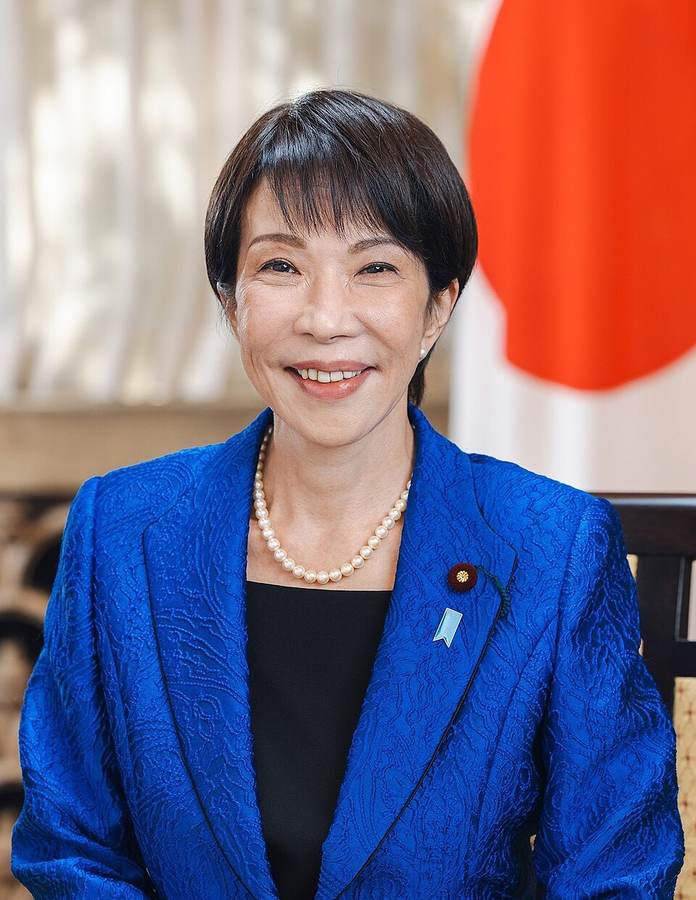
Takaichi said on X that Japan had “strongly protested to the U.S. side.” She called the alleged crime “extremely brutal and heinous” and demanded full cooperation with the investigation, thorough discipline among U.S. military personnel and comprehensive preventive measures.
The U.S. Embassy in Tokyo said it was aware that a service member was in custody following the death of a Japanese national and that American officials were communicating and cooperating with Japan. U.S. Ambassador George Glass said he had spoken with Japan’s Ministry of Foreign Affairs and pledged full cooperation. Marine Corps spokesman 1st Lt. Tyler Thomas likewise said the service was actively cooperating with Japanese authorities over the serious criminal allegations.
For Takaichi, the statement offers a chance to be visibly forceful toward Washington while defending the alliance itself. The gain is domestic: a rapid protest helps blunt the charge that Tokyo treats Okinawan anger as a secondary concern. The risk is that strong language before charging decisions can be portrayed as political pressure on investigators or as prejudgment of a suspect who denies the allegations. The line she must walk is narrow — demand accountability, but let evidence and courts decide guilt.
Okinawa US military crime history keeps the stakes high
The reaction cannot be understood without 1995. The abduction and rape of a 12-year-old Okinawan girl by three U.S. servicemen triggered enormous protests and permanently altered negotiations over the American footprint. Later crimes and accidents repeatedly revived the same argument: Okinawa bears a concentrated share of the alliance’s physical burden while decisions about that burden are made largely in Tokyo and Washington.
Marine Corps Air Station Futenma has become the symbol of that deadlock. Japan and the United States agreed to relocate its functions from crowded Ginowan to a replacement facility at Henoko, but construction, lawsuits, environmental objections and local opposition have stretched the dispute across decades. Each serious incident involving U.S. personnel can harden resistance to the move and strengthen Okinawa bases protests far beyond the facts of the individual case.
The legal argument is often reduced to the Status of Forces Agreement, but this is not simply a US Japan SOFA murder case. Ballard is already in Japanese custody, so the immediate issue is how Japan’s criminal procedure unfolds and how completely U.S. authorities assist with records, witnesses and military information. The larger SOFA debate will nevertheless return, because Okinawan critics view every high-profile case as evidence that the broader accountability system remains structurally unequal.
What the alliance can absorb — and what it cannot dismiss
The U.S.-Japan alliance is built to survive political shocks. Okinawa’s bases are central to American planning for contingencies involving Taiwan, the East China Sea and the Korean Peninsula. That strategic logic will not disappear because of one arrest. But strategy does not neutralize grief, and alliance managers who treat local anger as a communications problem rather than a legitimacy problem will deepen the damage.
The Okinawa anti-base movement gains a painful new rallying point, but its strongest case will depend on discipline: focusing on verified facts, supporting Yagi’s family and pressing for transparent cooperation rather than assigning guilt before trial. U.S. commanders face the parallel burden of demonstrating that “full cooperation” is operational, not rhetorical.
Washington has used temporary curfews, alcohol restrictions, off-base liberty limits, command reviews and renewed conduct training after past serious incidents in Japan. Similar measures may follow here, particularly while investigators establish the timeline. Such restrictions can show urgency, but they are not a substitute for a credible criminal process or for the slower policy choices behind the Futenma relocation deadlock.
Futenma Marine arrested: what happens in the next 48 hours
Police are expected to refer the case to the Naha Public Prosecutors Office within 48 hours. Prosecutors will then decide whether to seek continued detention and what further investigative steps are necessary. Under Japan’s pre-indictment process, detention extensions after arrest can keep a suspect in custody for up to 23 days before a charging decision, a period closely watched by defense lawyers and rights advocates.
Investigators will need to establish far more than presence: the cause and time of death, the reliability and continuity of surveillance footage, possession or recovery of Yagi’s belongings, forensic links and Ballard’s account of the night. Prosecutors must also decide whether the evidence supports robbery-murder allegations, among the gravest combinations under Japanese criminal law, or different charges. None of those decisions should be assumed from an arrest.
Watch next for the formal referral, any detention warrant, a fuller account of the autopsy, confirmation of recovered property, the status of counsel and interpreter access, and specific U.S. command measures. Also watch whether Okinawa’s prefectural leaders join Takaichi’s protest with new demands on Tokyo and Washington.
The political test after the headlines
Cases like this often produce a familiar burst of statements: cooperation, regret, discipline, prevention. The meaningful test comes later. Do authorities release verified information without leaking prejudicial claims? Does the U.S. military preserve and provide evidence promptly? Do Tokyo and Washington consult Okinawan officials before announcing measures? And does Yagi’s family receive the privacy, support and clear answers it needs?
The arrest also lands as Japan debates tougher state policy under Takaichi. Our analysis of her government’s planned permanent-residency fee increase shows the domestic premium she places on visible control and enforcement. Meanwhile, the alliance’s military risks are already acute: eight U.S. Marines were injured in an Iranian missile attack, and questions persist over the vessel carrying Marines in that Hormuz strike. Those security pressures make Japanese public trust more important, not less.
For now, the clearest course is also the least theatrical: protect the integrity of the investigation, cooperate across jurisdictions, center the victim and her family, and reserve judgment on Ballard until evidence is tested. Anything else would weaken both justice and the alliance leaders say they are protecting.