Ukraine strikes Russian missile facilities
Ukraine strikes Russian missile facilitiesUkraine hits Russian missile factoriesTver Redkino missile plant attackNizhny Novgorod missile facility strikeUkraine General Staff missile production targetsICBM disassembly center struckUkraine drone strikes Russia October 2026Ukraine deep strike campaignRedkino plant drone attackRussia missile production Ukraine war

What happened overnight
KYIV / MOSCOW, October 9, 2026 — Ukraine strikes Russian missile facilities in an expanding deep-strike campaign, Kyiv's General Staff said after overnight attacks from Thursday into Friday. The military said three sites across Russia's missile-production chain were hit. Russia had not confirmed Ukraine's description of the targets or the claimed damage, which remain UNCONFIRMED by Russia; Reuters said it could not independently verify the extent of damage at the three sites.
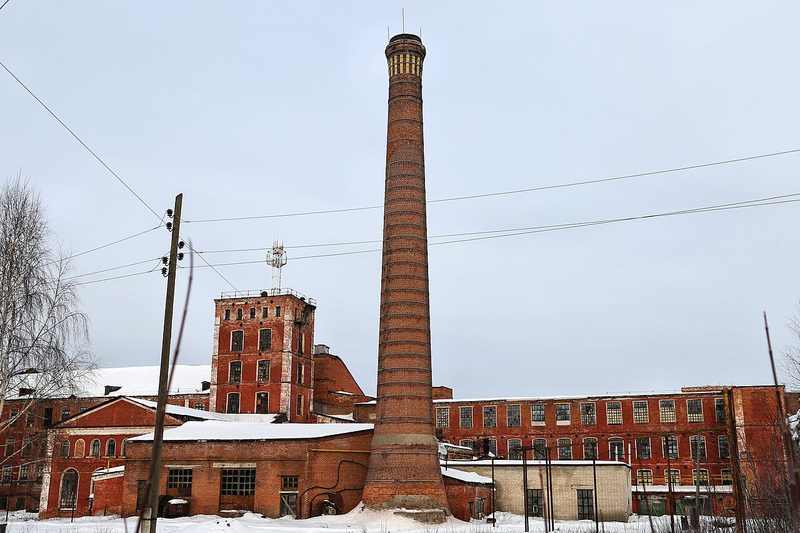
The General Staff named a factory in Redkino, in Russia's Tver region, that it said makes missile components. Tver's regional governor confirmed a drone attack caused a fire at a plant on Friday morning and said the fire was extinguished. The governor did not confirm Ukraine's account of the plant's military role or the scale of any damage.
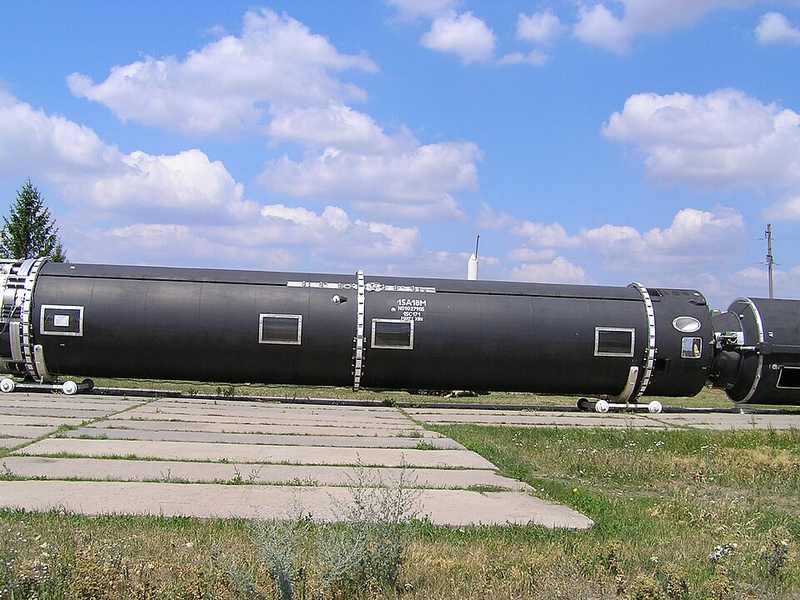
Ukraine also named a centre in the Nizhny Novgorod region for what the General Staff called the “liquidation of intercontinental ballistic missiles.” The regional governor said one serviceman was killed while repelling the attack and that falling drone debris caused “minimal” infrastructure damage. The death and damage assessment are the governor's official statement, reported by Reuters, and were not independently verified.
The Ukrainian statement counted a third missile-production facility but did not individually identify it. The General Staff said the operation was intended to reduce Russia's ability to obtain explosives and rocket fuel. That purpose, the identity of the third site and any resulting damage remain Ukrainian claims UNCONFIRMED by Russia.
Why this matters
Targeting production and dismantlement infrastructure is different from attacking launchers in the field or fuel stocks that sustain operations. It shifts the logic of the campaign toward the factory floor: disrupt components, processing and specialist capacity before weapons enter the operational chain. The effect could be slower and harder to measure than a destroyed launcher, but potentially broader if a bottleneck is real.
The claimed ICBM “liquidation” centre is also a novel target class. It touches infrastructure associated with Russia's strategic arsenal even if Ukraine's stated objective is conventional missile production. That raises the stakes because a strike near nuclear-force support infrastructure may be read in Moscow through a strategic-stability lens, regardless of Kyiv's intended message.
Russian officials confirming drone attacks in both Tver and Nizhny Novgorod makes the underlying attacks in those two regions better attested than many claims in the deep-strike campaign. It does not independently validate Ukraine's target descriptions, the unlisted third facility or the claimed effects. The timing adds a diplomatic layer: the operation came hours before talks in Miami involving US envoys Steve Witkoff and Jared Kushner, giving Kyiv a way to argue that it still has battlefield leverage while negotiations are discussed.
Background: the deep-strike campaign
The missile-facility operation follows an accelerating sequence of Ukrainian strikes far inside Russia. On October 8, Ukraine said it hit Russia's largest oil refinery in Omsk, about 2,500 kilometres from Ukraine. Reuters could not independently verify the claimed effect there either, but the distance illustrated the reach Kyiv is seeking to demonstrate.
Over October 8 and 9, attacks also hit Yandex data-centre infrastructure in the Ryazan and Kaluga regions. The expansion from refineries and ammunition depots toward digital and industrial facilities suggests a campaign aimed at systems that support the state and war economy, not only weapons already deployed near the front.
Russia's fuel export ban amid domestic shortages is the clearest economic signal that repeated refinery pressure has consequences beyond a single blast site. The earlier Toropets ammunition-depot strike offered another precedent: a deep attack can create logistics disruption disproportionate to the aircraft or drone used. Friday's damage claims, however, are not established at that scale.
Who gains, who loses, what the critics say
Ukraine's stated rationale is to degrade Russia's ability to manufacture missiles and to increase the domestic cost of continuing the war. Supporters of the strategy argue that attacking production nodes may reduce future strikes on Ukrainian cities and force Moscow to divert air defences away from the front.
Russian regional officials emphasized that defences were active and infrastructure damage in Nizhny Novgorod was “minimal.” That account supports Moscow's broader argument that many Ukrainian raids are intercepted, though the confirmed fire in Redkino and the reported death of a serviceman also show that interception does not eliminate risk.
Critics and sceptics question whether dispersed deep strikes can materially shorten the war when industrial systems can be repaired, rerouted or protected. They also warn that attacks on sites connected to strategic missiles may invite escalation. Civilian-risk arguments cut both ways: Kyiv says degrading missile production can reduce future Russian barrages; Moscow says long-range drone raids endanger workers, residents and responders far from the front. Neither claim removes the obligation to distinguish military targets from civilians.
What the numbers mean
Three facilities claimed: the headline count comes from Ukraine's General Staff, but only two sites were identified in the initial statement. That gap matters when assessing how precisely the operation can be independently checked.
One serviceman killed: the Nizhny Novgorod governor's statement, as reported by Reuters, is the only fatality figure attached to Friday morning's attacks in the supplied reporting. It should not be conflated with independently confirmed battlefield losses.
Thirty-three reported dead in Kramatorsk: the week's casualty ledger is much heavier on the Ukrainian side. CNN and The Times reported 33 people killed in the October 8 bus-stop strike, while local authorities had confirmed at least 30, making it the deadliest single attack of 2026 in the reporting cited by our coverage. That comparison is not moral equivalence; it is a measure of how rapidly the cross-border campaign and attacks on Ukrainian cities are adding human costs.
A fuel export ban: Moscow's restriction is an economic tell because it shows pressure reaching domestic supply. It does not by itself prove the effectiveness of any one strike, but it is evidence that the cumulative refinery campaign is affecting policy.
What happens next
The most immediate scenario is retaliation. Russia has repeatedly concentrated strikes on Ukraine's power system ahead of winter, and another mass missile-and-drone barrage would fit that pattern. Kyiv, in turn, may keep looking for production, energy and data infrastructure that is difficult to replace and costly to defend.
Diplomatically, the Miami meetings put battlefield facts beside a negotiating proposal. Witkoff and Kushner are due to meet Ukrainian and European officials on Friday. A successful deep strike could strengthen Kyiv's argument that it can impose costs; a limited result could reinforce scepticism that such raids materially change the bargaining balance. Neither outcome guarantees movement in talks, and Moscow's response will also shape the calculation.
The wider question is whether attacks on data centres and industrial sites become a new normal. If both sides expand the target set while treating logistics, power and digital infrastructure as part of the war system, the line between immediate military capacity and the civilian economy will become harder to manage. That increases the need for verifiable evidence, narrow target selection and clear attribution of every casualty and damage claim.
Sources
- Reuters — Ukraine says it hit three Russian missile facilities
- Reuters — Ukraine says it hit Russia's largest oil refinery in Omsk
Ukraine's claims about the identities of the targets, the unlisted third facility and the damage remain unconfirmed by Russia. Reuters said it could not independently verify the extent of damage at the three sites. Russian governors' statements are attributed as official accounts.