Trump attacks Nobel Peace Prize winner
Politics / Diplomacy / Nobel Peace PrizePresident Donald Trump attacks Nobel Peace Prize winner Navi Pillay in his own words for the first time, saying in a nearly 600-word Truth Social post late Friday that he deserved eight prizes for eight conflicts he claims to have settled. Hours earlier at a Syracuse, New York, rally, Trump called the award “an indelible stain on the country of Norway.” The escalation moves the dispute beyond surrogates and into a presidential confrontation with one of the world's best-known international institutions.
The Trump Nobel Peace Prize rant, in his own words
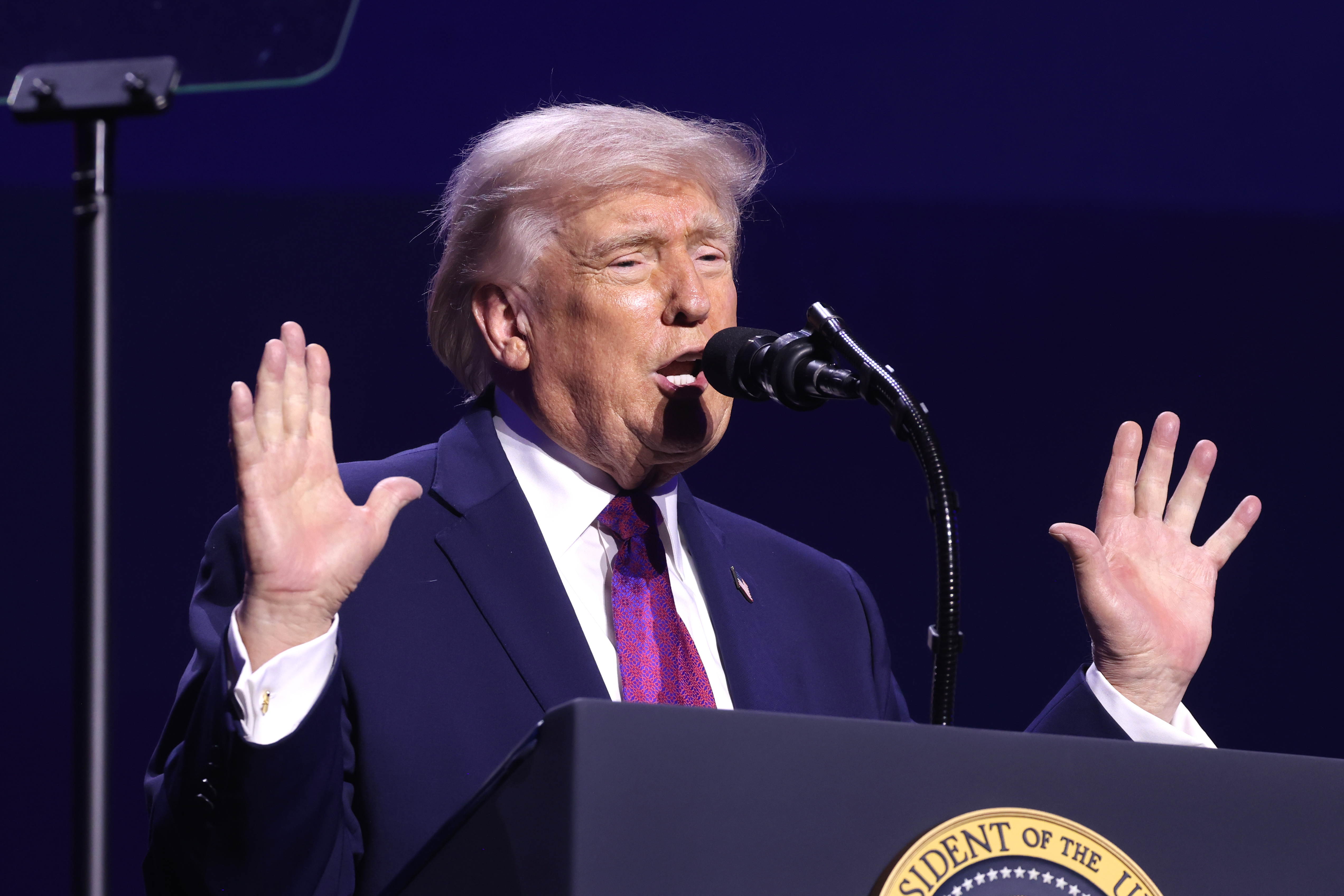
At the Syracuse rally late Friday, Trump said the United States, represented by him, “should have received the Nobel Peace Prize, but didn't.” He said he had never heard of the winner and described the result as a permanent stain on Norway. Shortly before midnight, the Trump Truth Social Pillay post turned that complaint into a personal attack.
Trump wrote that Pillay had received the prize over the United States and its president, whom he said had “settled eight Wars.” He said he knew nothing about Pillay, claimed almost nobody had heard of her and alleged that she “hates Israel.” He then argued: “I should have won 8 Nobel Peace Prizes, not just 1.” Those are Trump's assertions. The committee made a different judgment, citing Pillay's lifetime role in prosecuting war crimes and crimes against humanity.
The Trump Syracuse rally Nobel remarks and the later post are a genuine escalation from Friday morning, when the president's intervention had been limited to reposting attorney David Schoen's criticism. The shift matters because it removes ambiguity over whether allies were speaking for him: Trump is now personally contesting both the laureate and the institution.
Why this matters
A sitting U.S. president is not merely saying that he deserved an honor. He is treating the Nobel Peace Prize itself as a political battlefield, challenging its legitimacy, the host country's reputation and the moral authority attached to international law. That can convert a symbolic disappointment into a live foreign-policy issue.
The administration's case is that the committee is political and failed to credit diplomacy that reduced violence. Trump's supporters see the award as an elite institution overlooking results because of hostility to the president. Critics see a personal crusade built on claims that cannot be independently sustained. The practical question is whether presidential anger stays rhetorical or starts guiding sanctions, bilateral pressure and U.S. policy toward international courts.
Norway is implicated even though the Norwegian Nobel Committee is formally independent. By calling the decision a stain on the country, Trump puts Oslo in the position of absorbing diplomatic pressure for a choice the government does not make. That is why the words matter beyond the ceremony: they test whether an independent prize can be insulated from state-to-state power.
Navi Pillay Nobel Prize 2026: the record behind the choice
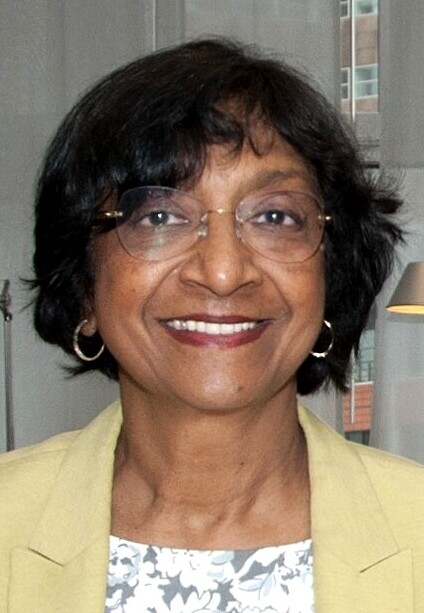
Pillay, 85, is a South African jurist whose career connects the anti-apartheid struggle, international criminal law and United Nations human-rights institutions. She defended activists during the Nelson Mandela era and became the first woman of colour appointed to South Africa's High Court.
As a judge at the International Criminal Tribunal for Rwanda, Pillay helped establish rape as an act of genocide. She later served as an International Criminal Court judge from 2003 to 2008 and as the U.N. high commissioner for human rights from 2008 to 2014. The Nobel Committee emphasized that record when naming the Nobel Peace Prize 2026 winner.
Israel condemns Nobel committee choice
Her more recent work is central to the dispute. Pillay chaired the U.N. inquiry that concluded Israel committed genocide in Gaza. Israel rejects that conclusion. Its foreign ministry condemned the Nobel selection as a “grotesque weaponization” of the award and accused the committee of legitimizing anti-Israel hatred. Pillay answered Trump's campaign with a joke on Friday: “If you clap a little bit more, I may share this prize with Trump.”
For readers following the phrase “ICC sanctions Navi Pillay,” the distinction matters: the U.S. measures described in related coverage target the court as an institution, not Pillay personally. Her service on the court is what connects the sanctions debate to the Nobel dispute.
Background: a Nobel quest becomes an institutional feud
Trump has pursued Nobel recognition for years, repeatedly arguing that his diplomacy received less credit than that of past presidents. The latest Trump Nobel snub reaction is more confrontational because it binds together three separate grievances: the committee's judgment, Pillay's record on Israel and international criminal institutions that the administration opposes.
The escalation happened in stages. First came the long-running public campaign for the prize. Then Trump reposted Schoen's statement after Friday's announcement. U.S. sanctions on the International Criminal Court had already placed pressure on the system in which Pillay once served. Now the president is attacking the laureate directly and suggesting that the prize has been discredited.
The María Corina Machado medal is part of that story. Trump cited the Venezuelan opposition politician's decision to hand him her Nobel medal earlier this year as evidence of recognition from a prior winner. Supporters can read the gesture as admiration for his pressure on authoritarian governments. Critics argue that the transfer followed intense political pressure and illustrates how the quest for symbolic recognition can become entangled with state power.
The Trump eight wars claim, examined
Trump listed Cambodia–Thailand, Kosovo–Serbia, the Democratic Republic of Congo–Rwanda, Pakistan–India, Israel–Iran, Egypt–Ethiopia, Armenia–Azerbaijan and Israel–Hamas. He said letters from presidents and prime ministers had been sent to the Norwegian Nobel Committee and claimed he had recovered all Israeli hostages, including the final 28, living and dead. He also said he had stopped Iran from obtaining a nuclear weapon.
The number eight gives the argument a clear campaign metric, but it also combines conflicts with very different legal and military conditions. A ceasefire, a diplomatic intervention, a de-escalation and a durable peace settlement are not interchangeable. Independent reporting cited by CNN says the central claim that Trump settled more than half a dozen wars is false and notes that he has repeatedly misstated some of the countries involved.
The administration's strongest version of the case is not that every conflict reached a final settlement. It is that direct presidential pressure produced pauses, agreements or reduced immediate risk and that the Nobel process undervalues those results. Critics answer that a prize for peace requires evidence of durability, verification and implementation; counting every intervention as a completed war settlement makes the claim impossible to audit consistently.
Trump added that he was “about to settle, or win” two more conflicts: Iran and Russia–Ukraine. Those statements create measurable tests. Future agreements can be judged by whether fighting stops, parties comply, monitoring exists and civilians remain safer over time. Success would strengthen the president's case. Continued or renewed violence would weaken it.
Who benefits and who loses
Trump and Israel find a shared critique
Trump benefits politically by framing the decision as proof that international institutions discount American power and his record. Israel benefits from the president amplifying its criticism of Pillay's Gaza findings and the committee's choice. The alignment gives both governments a common target: a laureate associated with international scrutiny of Israeli conduct.
Norway's soft power faces a stress test
Norway's global influence partly rests on mediation, diplomacy and the prestige surrounding the prize. If Oslo resists pressure and the committee remains independent, that reputation may be reinforced. If bilateral relations become the price of an independent decision, Norway bears costs without controlling the outcome.
The Nobel Committee and ICC absorb pressure
The committee gains visibility and can argue that controversy proves its independence. It also risks being recast for American audiences as a partisan actor rather than a moral institution. The ICC loses room to operate if the dispute produces more sanctions or discourages cooperation. Yet attacks from powerful governments may also rally supporters who view the court as necessary precisely when political leaders object to its work.
What happens next
The first question is whether rhetoric becomes policy. The administration could pursue more ICC sanctions, review cooperation with Norway or use diplomatic channels to press Oslo. It could also do nothing beyond public criticism. Distinguishing those paths matters because a heated post is politically significant, but sanctions and bilateral pressure have legal and strategic consequences.
The timing also places the dispute inside the U.S. midterm campaign. Trump can use the Nobel grievance to reinforce a familiar argument that global institutions refuse to credit his achievements. Opponents can use the same episode to question his factual claims and priorities. That makes the feud useful to both sides even if it produces no policy change.
Iran and Russia–Ukraine are the larger tests. Trump has now publicly tied future outcomes there to his claim of exceptional peacemaking. Any ceasefire, verification mechanism, prisoner agreement or renewed escalation will become evidence in the argument. The useful standard is not applause from either camp but observable durability: whether violence declines, agreements hold and enforcement survives beyond the announcement.
For the moment, the episode leaves two parallel records. Trump presents himself as a president whose interventions saved lives but were denied recognition by a political committee. The committee presents Pillay as a jurist whose work gave legal force to accountability for atrocities. The clash will be resolved less by who dominates the news cycle than by what happens next in policy, courts and the conflicts Trump says he has ended.