The call before New York
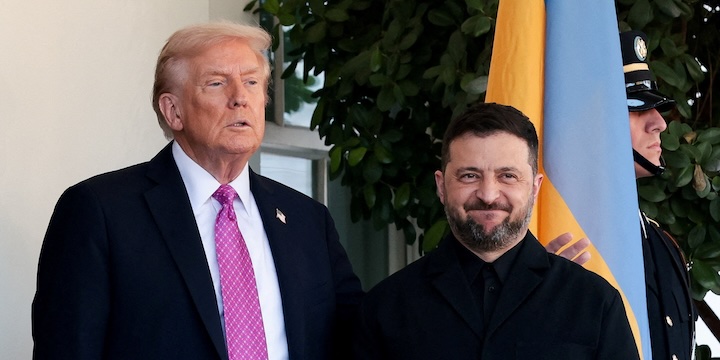
Volodymyr Zelensky said he and Donald Trump agreed during a September 20 phone call to meet Tuesday, September 22, alongside the U.N. General Assembly. “This meeting could change a lot. There is diplomatic momentum,” he wrote. He thanked Trump for signing Russia sanctions legislation, while Ukrainian negotiator Rustem Umerov told Axios that disagreements had narrowed to one or two issues.
Why this matters
Diplomatic momentum is not settlement. But Trump now carries sanctions aimed at buyers of Russian energy; Ukraine has shown it can attack Russian refining at unprecedented scale; and Moscow is turning a controlled parliamentary election into a wartime legitimacy claim. The meeting joins those pressure systems in one room.
The diesel dispute
Axios, relying on unnamed sourcing, reported that Trump urged Zelensky to stop refinery attacks and that “the word diesel came up many times.” That account is not independently confirmed. The logic is plausible: diesel at a reported U.S. record of $6.51 a gallon means Ukrainian attacks can hurt Russia while raising costs for U.S. trucking, farming and construction. Kyiv gains when refinery damage reduces Russian revenue and logistics; consumers elsewhere can lose.
Background and negotiating constraints
Envoys Steve Witkoff and Jared Kushner visited Kyiv on September 6, part of a diplomatic track repeatedly divided over territory, sequencing and security guarantees. Kyiv wants enforceable commitments before concessions; Moscow has sought terms that would limit Ukraine’s military options; Washington is also weighing the effect of refinery attacks on global fuel prices. Those interests overlap only partially, which is why a meeting can be significant without producing a settlement.
What remains uncertain
Zelensky’s account confirms that the leaders agreed to meet, but it does not establish an agreed agenda or a draft framework. The Axios account of Trump’s refinery request relies on unnamed sources and has not been independently confirmed. Analysis should therefore separate the fact of the scheduled meeting from claims about private negotiating positions.
What to watch next
The strongest outcome would be a written framework tying sanctions relief to verifiable Russian steps and specifying security guarantees. A narrower result could set another negotiating round while postponing territorial questions. A public dispute over refinery strikes would weaken coordination without extracting a concession from Moscow. The most useful evidence after the meeting will be concrete verbs—agreed, directed and scheduled—along with any published text, not descriptions such as “constructive.”