War / Middle East
Saudi intercepts Houthi missile fire for a third consecutive day: after falling debris damaged property in Riyadh on Tuesday and a missile was destroyed over Taif on Wednesday, the kingdom’s air defences brought down a ballistic missile bound for the oil-rich Eastern Province early on Thursday — with alerts lifted and no casualties or damage reported.
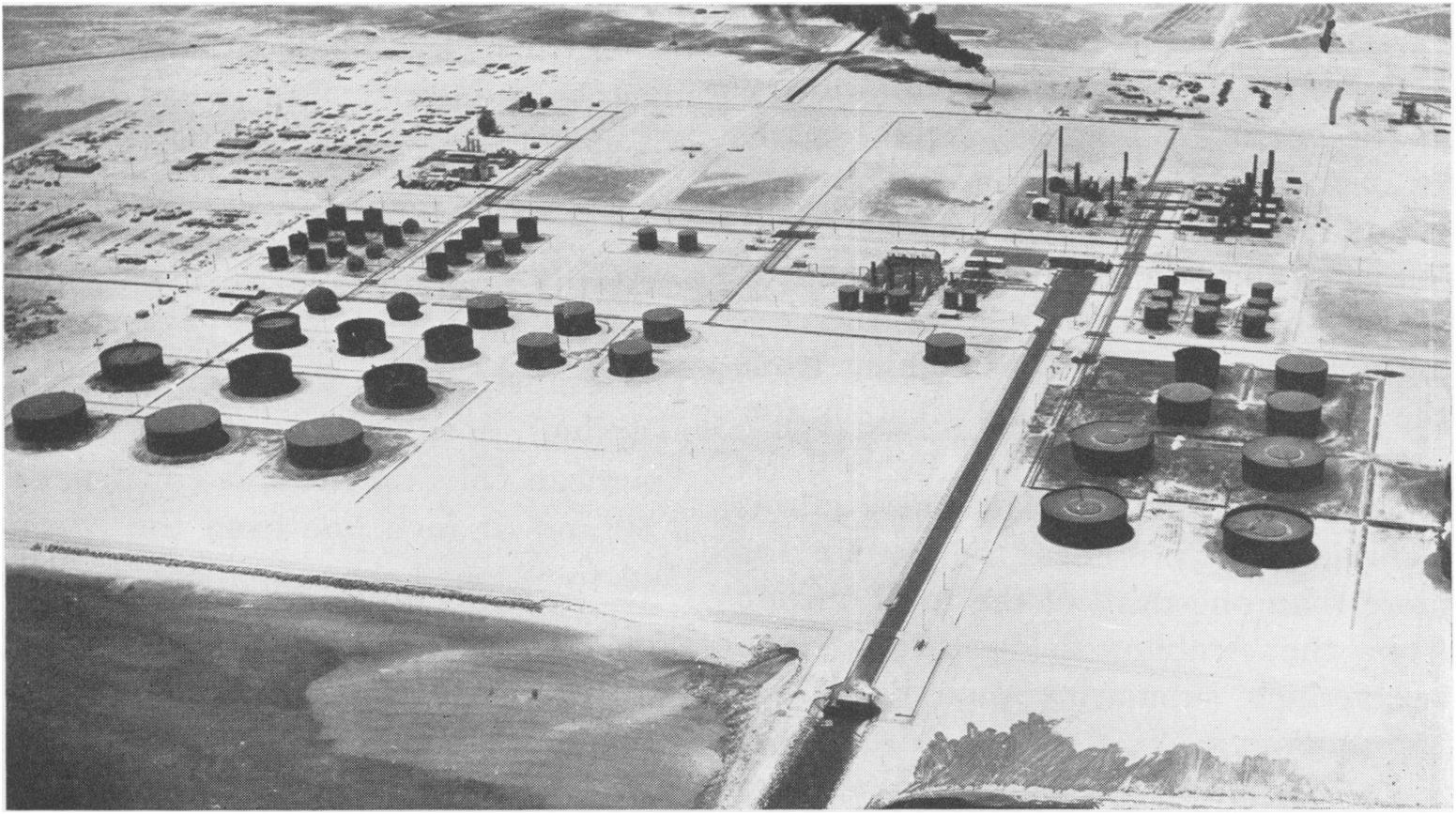
Saudi Arabia said its air defences intercepted and destroyed a ballistic missile launched by Yemen’s Houthi movement toward the kingdom’s Eastern Province early on Thursday, October 29 — the third straight day of Houthi missile launches against the kingdom. Major General Turki al-Malki, spokesman for the Saudi-led coalition fighting in Yemen, said in a statement carried by the Saudi Press Agency and posted on X: “Air defences intercepted and destroyed a ballistic missile launched by the terrorist Houthi militia toward the Eastern Province.” The Turki al-Malki missile interception announcement was reported by AFP and in Reuters live updates on the war.
Before the interception was announced, Saudi Civil Defence had issued alerts covering Najran, in the kingdom’s south, and the Eastern Province, and it later said the danger had passed, Reuters reported. Anadolu reported that al-Malki gave no further details in his statement, and that no casualties or damage were reported for Thursday’s interception. No Houthi claim specifically for Thursday’s launch was reported by the wires.
Track it live: Middle East — live tracker
What happened
Thursday morning followed the pattern that has become familiar this month. The first public signal was not the interception itself but the warnings: Saudi Civil Defence pushed early-warning alerts to residents in Najran and across the Eastern Province, the standard instruction to take cover while a hostile projectile is tracked. Only afterwards came the coalition’s confirmation, in al-Malki’s short statement via the Saudi Press Agency, that a single ballistic missile launched toward the Eastern Province had been intercepted and destroyed.
The all-clear followed the same sequence in reverse. Civil Defence said the danger had passed in the alerted areas, Reuters reported, and daily life in the province’s cities — Dhahran, Dammam and Al Khobar among them — resumed without any official report of falling debris, damage or injury. That absence matters to the record: on Tuesday, debris from interceptions over the capital did cause damage, and officials said so. On Thursday, no equivalent report was made, and Anadolu noted explicitly that neither casualties nor damage were reported.
Two limits on the account should be stated plainly. The coalition did not say where in the Eastern Province the missile was heading, and it did not describe where the interception took place. And the Houthis, who have publicly claimed other launches this week, had issued no claim specifically for Thursday’s launch in the wire reporting available at publication.
Three days, three regions
Thursday’s launch was the third in three days, and each day’s missile was aimed at a different part of the kingdom. The sequence began with the wider barrage the coalition reported on Tuesday — covered in our reporting on how the coalition intercepted Houthi missiles and drones toward the eastern and southern regions — and it has not paused since.
Tuesday: two missiles over Riyadh, debris on the ground
Late on Tuesday, October 27, Saudi air defences intercepted two Houthi ballistic missiles over Riyadh. Falling debris damaged a building, a construction site and a vehicle, according to Saudi Civil Defence, but no injuries were reported, Anadolu reported. Earlier on Tuesday the coalition had reported a wider barrage of missiles and drones, and that same day the Houthis claimed a strike on the Ras Tanura refinery in the Eastern Province — a claim examined below, which Saudi authorities have not confirmed.
Wednesday: the Taif missile intercepted in the west
Early on Wednesday, October 28, the coalition intercepted and destroyed a Houthi ballistic missile fired toward Taif, the mountain city in western Saudi Arabia, Reuters reported from the Saudi Press Agency account. Civil Defence issued early-warning alerts for the Jeddah and Yanbu governorates — Yanbu, on the Red Sea coast, is one of the kingdom’s industrial and petrochemical hubs — and later said the danger had passed in both. The Taif missile intercepted in Saudi Arabia’s west showed the launches were not confined to the capital or the Gulf coast: within roughly 24 hours, missiles had been sent toward the political centre and toward the western highlands and the Red Sea corridor alike.
Thursday: the Houthi ballistic missile and the Eastern Province
Thursday’s missile completed the triangle: capital, west, and now the Gulf coast. The Houthi ballistic missile Eastern Province launch also revived the alert map of the south — the Saudi Civil Defence alert for Najran, the border province that has absorbed the shortest-range fire throughout the Yemen war, was issued alongside the Eastern Province warning before both were stood down. Taken together, the three days describe a deliberate cadence rather than a single salvo: one launch event a day, each in a different direction, each forcing a kingdom-wide defensive response.
Why the Eastern Province matters
An oil heartland held at risk
The Eastern Province is the centre of gravity of Saudi Arabia’s economy. Dhahran hosts the headquarters of Saudi Aramco, the state oil company; Dammam is the province’s principal port city; Al Khobar is its commercial hub. The province’s fields, processing plants and export terminals handle the bulk of the crude on which the kingdom’s budget — and a significant share of global oil supply — depends. A missile fired “toward the Eastern Province,” even one destroyed in flight, is a missile fired at the geography of the world oil market.
The Ras Tanura refinery Houthi claim, still unconfirmed
That geography is why the week’s other Eastern Province claim drew such attention. The Houthis said this week that they targeted the Ras Tanura refinery with a ballistic missile. Ras Tanura, on the Gulf coast north of Dhahran, combines a major refinery with one of the world’s largest crude-loading terminals; the refinery’s capacity is about 550,000 barrels per day, according to AFP. Saudi authorities have not confirmed the claimed strike or any damage to the facility, as Reuters and AFP reporting and the Wall Street Journal have noted. Precision matters here as well: the Ras Tanura claim belongs to earlier this week. It is not a claim about Thursday’s missile, and Thursday’s intended target within the Eastern Province was not named by the coalition.
An interception is not an impact — but markets price the risk
The difference between an interception and a hit is the difference between a scare and a supply shock. A destroyed missile changes no physical flows: no tanks burn, no berths close, no cargoes are cancelled. An actual hit on a complex of Ras Tanura’s scale would be different — it would put export capacity in question, force buyers to price replacement barrels, and test how quickly Aramco could reroute crude. Traders were weighing that risk against diplomacy on Thursday: Brent crude was trading around $114 a barrel on October 29, the Wall Street Journal reported, as markets balanced the missile exchanges against the state of U.S.–Iran diplomacy. The price is a measure of anxiety about what might happen to Eastern Province infrastructure, not evidence that anything has happened to it.
Why this matters
Three regions in three days widens the map of risk
The strategic fact of this week is geographic. On consecutive days, Houthi missiles were fired toward the capital, toward the western highlands and Red Sea coast, and toward the Gulf oil coast. Saudi Arabia air defences intercept missile launches today as a routine, but routine is itself the story: the Houthis are demonstrating that no single region’s defences can be stood down, and that the kingdom must hold interceptors, radars and alert systems at readiness across its whole territory at once. That is a far more expensive defensive problem than defending one city or one coast.
The economics of the shield
Every interception is also a transaction. The interceptors used to destroy ballistic missiles cost far more per round than the missiles they destroy, and stockpiles are finite and slow to replenish. A near-daily cadence of single missiles and small salvos therefore works on the defender’s economics even when every shot succeeds: the attacker chooses the tempo, and the defender pays the higher bill each time. None of this means the shield is failing — on the coalition’s account it has stopped every missile this week — but it explains why a campaign of individually unsuccessful launches can still be strategically worthwhile to the side launching them.
Alerts as pressure, and the cost to ordinary life
The alert system is the third instrument. Each Civil Defence warning — for Najran and the Eastern Province on Thursday, for Jeddah and Yanbu on Wednesday — reaches millions of phones, empties streets and workplaces, and reminds residents that the war can arrive overhead at any hour. AFP has reported that Saudi Arabia has come under sustained Houthi attack this month, including a strike on Riyadh’s international airport that it described as the kingdom’s deadliest in years, with the disruption to flights and daily routines that such attacks bring. Even a perfectly defended kingdom pays for this in normalcy: in sleep, in schedules, in the steady background knowledge that the next alert is a matter of days, not months.
Context and background
Saudi Arabia has led a military coalition supporting Yemen’s internationally recognised government against the Houthis since March 2015. Cross-border missile and drone attacks on the kingdom later fell sharply under an uneasy truce that held, imperfectly, for about four years. That truce broke down this year: fighting in Yemen reignited in July, months into the U.S.–Iran conflict, and the Houthi missile attack on Saudi Arabia in October 2026 is one front of that wider unravelling.
The Yemen side of the same escalation has been visible this week in the south of the country, where the Houthis ordered evacuations around Aden’s airport amid explosions — covered in our report on the evacuation order and explosions at Aden airport — and where a second missile attack on Aden airport coincided with an interception near Yanbu, covered in our report on the second Aden airport attack and the Yanbu intercept. Read together, the Aden strikes and the launches at the kingdom describe one campaign fought at both ends of the coalition’s position: against the government-held south in Yemen, and against the kingdom’s own cities and oil coast.
Iran stands behind the escalation in Riyadh’s account, and Tehran rejects the charge. Saudi Arabia has accused Iran of encouraging the Houthis’ escalation; Tehran has denied involvement in the Houthi attacks, AFP reported. The Houthis, for their part, present their launches as their own campaign. None of those framings changes the verifiable core of this week’s events: missiles were launched, defences fired, alerts were issued and lifted, and the only confirmed physical damage was Tuesday’s debris damage in Riyadh.
What is confirmed, and what is not
Confirmed. A ballistic missile was launched toward the Eastern Province early on Thursday and was intercepted and destroyed, according to the coalition spokesman’s statement reported by multiple wires. Civil Defence alerts were issued for Najran and the Eastern Province and were later lifted. No casualties or damage were reported for Thursday. The preceding two days’ events — two missiles intercepted over Riyadh on Tuesday with debris damage and no injuries, and a missile destroyed over Taif on Wednesday with alerts for Jeddah and Yanbu — are likewise confirmed by coalition statements and Civil Defence reporting.
Not confirmed. Thursday’s intended target within the Eastern Province was not named by the coalition, and it should not be assumed: in particular, Ras Tanura was not named as Thursday’s target. The Houthi claim to have struck the Ras Tanura refinery earlier this week has not been confirmed by Saudi authorities, and no damage to the facility has been confirmed. No Houthi claim specifically for Thursday’s launch was reported by the wires. Any account that goes beyond those lines is going beyond the evidence published so far.
What happens next
The first question is cadence. Three launch days in a row, after a month of near-daily attacks, suggests a campaign rhythm rather than a one-off retaliation; a fourth consecutive day would confirm that reading, and a pause would raise the question of what produced it. The second question is aim. So far this week’s confirmed damage has come from debris, not impact — but each launch at the Eastern Province re-tests the defences around the kingdom’s energy infrastructure, and the consequences of a single missile getting through would be measured in oil markets within hours, not days.
The third track is diplomacy. Qatar has been mediating in the U.S.–Iran war that forms the backdrop to the Yemen Houthi Saudi escalation of 2026, and any de-escalation there would change the incentives on this front too — though the four-year truce’s collapse is a reminder that pauses in this conflict have been easier to announce than to keep. The fourth is the coalition’s response: Saudi Arabia has answered earlier barrages with strikes on Houthi missile infrastructure in Yemen, and whether it does so again, and at what scale, will signal whether Riyadh intends to absorb the current tempo or to raise its price. For now, the confirmed record stands where Thursday morning left it: one more missile launched, one more missile destroyed, and a kingdom entering a fourth day of watching the sky.
Sources: Reuters, October 29, 2026, live updates and reporting on the Eastern Province interception and the Civil Defence alerts for Najran and the Eastern Province, and October 28, 2026, reporting on the Taif interception and the Jeddah and Yanbu alerts; Agence France-Presse (AFP), October 29, 2026, reporting of Major General Turki al-Malki’s statement, the month of sustained Houthi attacks including the Riyadh airport strike, Ras Tanura’s 550,000-barrel-per-day capacity, and Tehran’s denial of involvement; Anadolu Agency, October 27–29, 2026, reporting on the two missiles intercepted over Riyadh, the debris damage and absence of injuries, and the absence of reported casualties or damage on Thursday; Saudi Press Agency, October 28–29, 2026, coalition statements on the Taif and Eastern Province interceptions; The Wall Street Journal, October 29, 2026, reporting on the Ras Tanura claim and Brent crude trading around $114; Qatar News Agency (QNA), October 29, 2026, reporting of the Saudi Press Agency statement. Interception claims are the coalition’s account; the Ras Tanura claim is the Houthis’ account and remains unconfirmed by Saudi authorities.