Houthi missiles intercepted Saudi Arabia — the Saudi-led coalition said early on Tuesday it intercepted and destroyed three Houthi ballistic missiles launched toward the kingdom's Eastern Region and four drones sent toward its Southern Region, as Saudi Civil Defense issued early-warning alerts for the Eastern Region and Kharj and later said the danger had passed.
War / Middle East — missiles toward the oil-producing east, drones toward the south, alerts in Kharj, and no disclosed casualties or damage: what the latest exchange does and does not confirm
What happened on Tuesday
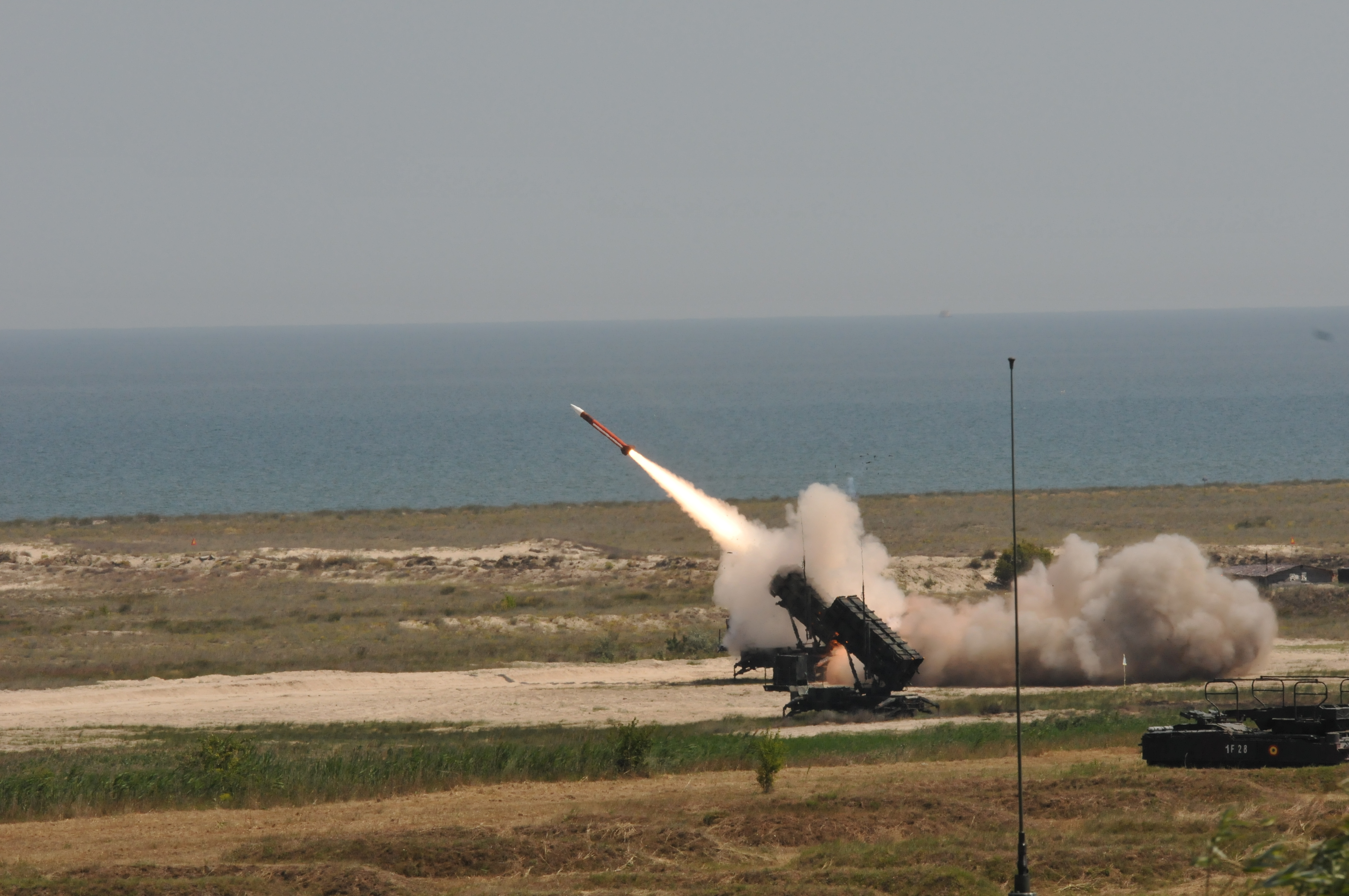
The coalition's account, as reported independently by Reuters and by Anadolu, is specific about the shape of the barrage and silent about its effects. Three ballistic missiles were launched toward the Eastern Region — the province that holds Dhahran, Dammam and Al Khobar, the headquarters of Saudi Aramco and much of the kingdom's oil production and export infrastructure. Four drones were launched toward the Southern Region, the border provinces closest to Yemen that have borne the shortest-warning attacks throughout this war. All seven projectiles were intercepted and destroyed, the coalition said.
The alert pattern matters as a fact in itself. Saudi Civil Defense does not issue public early-warning alerts for routine military activity: it issued them for the Eastern Region and for Kharj, then stood them down, saying the danger had passed in both areas. Kharj, south of the capital, hosts the Prince Sultan Air Base and sits on the approaches to Riyadh — an alert there means the threat picture on Tuesday morning was not confined to the two regions the coalition named as targets.
What neither agency reported is equally important. Anadolu noted explicitly that the coalition did not disclose the missiles' intended targets or provide information on possible casualties or damage. Reuters reported no casualties, no damage and no airport or energy-site disruption in its account. On the evidence of those two reports, Tuesday's barrage was a confirmed launch-and-intercept event — not a confirmed strike on any Saudi facility. Later on Tuesday, however, the Houthis did name a target — Ras Tanura — as the update below reports. That claim has not been confirmed by Saudi authorities, and it does not convert the intercepts into a confirmed strike on the refinery.
Update — Tuesday: the Houthis name Ras Tanura
Later on Tuesday, the Houthis said they had launched an attack on Saudi Arabia's Ras Tanura oil refinery, the biggest in the kingdom, on the Gulf coast in the Eastern Province. Houthi military spokesperson Yahya Saree, in a post on X reported by AFP, said: "The Yemeni Armed Forces were able to target the Ras Tanura refinery in the Eastern Province with a ballistic missile," claiming the strike caused fires — in his words, "massive fires." Reuters, reporting the Houthi claim, noted that Saudi authorities have not confirmed the attack. Bloomberg News reported on Tuesday, citing a person familiar with the matter, that Saudi Arabia had contained a fire near the oil terminal at Ras Tanura in the early hours of the day. A resident in nearby Al Khobar told AFP he heard explosions around dawn and received a mobile-phone alert. Ras Tanura's capacity is 550,000 barrels per day, AFP noted; the complex was hit by a drone attack in early March that forced a partial shutdown.
The precision matters. This is a Houthi claim, plus a Bloomberg-reported contained fire near the terminal attributed to a single person familiar with the matter. It is not a Saudi-confirmed hit, not confirmed refinery damage, and not a confirmed loss of output or exports — and no casualties from the claim were reported by either Reuters or AFP. Ras Tanura sits in the Eastern Province, so the target the Houthis named is consistent with the eastern wave the coalition described — but the coalition has not named Ras Tanura as a target, and until Saudi Arabia or Aramco confirms anything, the claim stays labelled as a claim.
It followed a Monday of drones and coalition strikes
Tuesday's launches did not arrive in isolation. Anadolu reported that on Monday the coalition had announced shooting down three drones over the Riyadh region and southern Saudi Arabia — again without identifying their origin or intended targets — and that coalition forces had carried out strikes against Houthi positions in Yemen targeting ballistic-missile launchers, underground storage tunnels and a missile depot. Coalition spokesman Turki al-Maliki said those operations were intended to weaken the Houthis' ballistic-missile capabilities and disrupt their weapons supply networks, Anadolu reported.
That pairing — coalition strikes on launch infrastructure inside Yemen, followed within hours by a fresh Houthi salvo at the kingdom — is now the recurring rhythm of this front. Each side presents its own actions as a response: the coalition frames its Yemen strikes as degrading a missile capability that keeps being used against Saudi cities and energy regions, while the Houthis frame their launches as retaliation for coalition operations and for the wider regional war. Neither framing is evidence about the other side's losses, and neither agency verified the effect of Monday's coalition strikes beyond the coalition's own description of them.
Why this matters
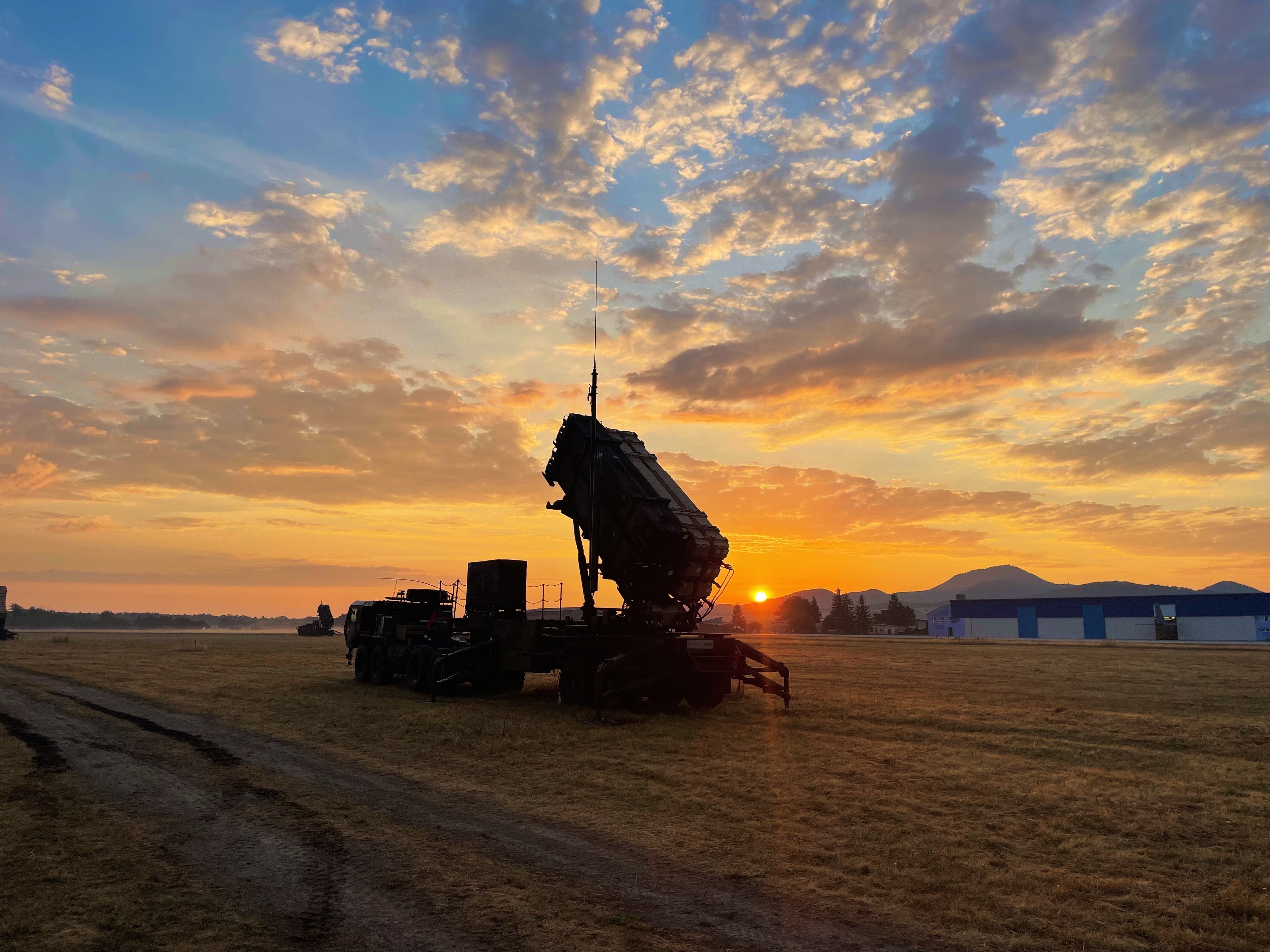
An intercepted missile is not a non-event. Every launch toward the Eastern Region forces the kingdom to defend the geography its economy runs on: the oil fields, processing plants, export terminals and company towns of the Gulf coast. Even when every projectile is destroyed, the costs are real — interceptor missiles are expensive and finite, civil-defence alerts disrupt work and travel, falling debris has injured people in earlier barrages, and each exchange tests whether the defensive shield holds on the next, larger salvo. The Houthis do not need to penetrate that shield to impose costs; they need only keep forcing Saudi Arabia to use it.
The direction of travel is the larger point. Reuters noted that Saudi Arabia has intensified its strikes on the Houthis since the group captured strategic areas along Yemen's Red Sea coast last month, advancing toward the Bab el-Mandeb Strait — the shipping chokepoint at the mouth of the Red Sea — and that the renewed fighting has shattered the 2022 UN-brokered truce that had largely halted attacks between the coalition and the Houthis. Reuters also placed the escalation in its wider frame: another front in the U.S.–Israeli war on Iran, to which the Houthis are aligned. A truce that held, however imperfectly, for years has been replaced by a daily exchange of strikes and salvos with no announced mechanism for stopping it.
Context: how the Saudi–Houthi front restarted
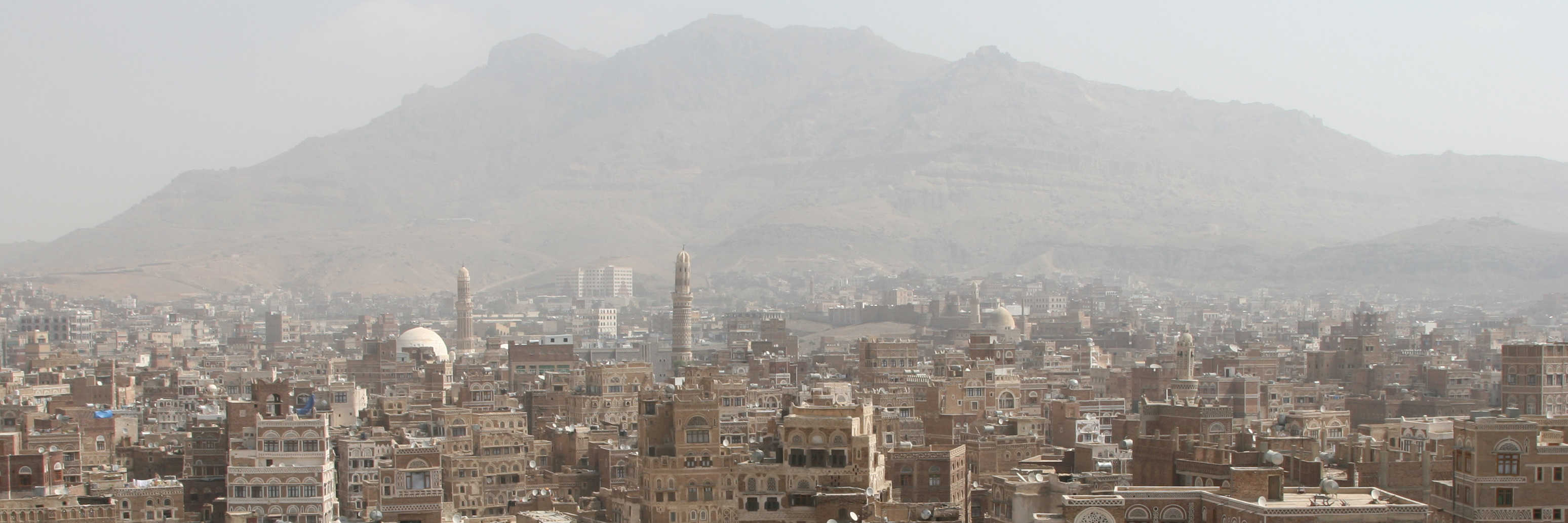
Saudi Arabia has led a military coalition supporting Yemen's internationally recognised government against the Houthis since March 2015; the Houthis have controlled the capital, Sanaa, and much of northern Yemen since September 2014. The 2022 truce cut cross-border missile and drone attacks dramatically even though it was never converted into a final settlement. That bargain has now collapsed in stages — first in the Red Sea, where Houthi advances along the coast toward Bab el-Mandeb threatened the shipping route Gulf producers use on the other side of the Arabian Peninsula from the Strait of Hormuz, and then in the air, with the airport, refinery and infrastructure barrages of recent weeks covered in our reporting on the renewed attacks on Riyadh's airport and Yemen's widening military operations.
Diplomacy has not stopped running alongside the strikes. Senior Saudi, Turkish and Pakistani officials were in Tehran on Monday for talks with Iranian leaders aimed at easing regional tensions — the same day the coalition was announcing drone interceptions and strikes on Houthi missile sites. That simultaneity captures the present state of the conflict: channels are open, messages are being carried, and the missiles are still flying in both directions while the talking continues.
Who gains, who pays — and what the numbers say
Count Tuesday's confirmed figures plainly: three ballistic missiles and four drones launched, seven intercepted, zero casualties or damage disclosed, two civil-defence alert zones raised and then cleared. Set against the weekend's much larger southern barrage — in which the coalition said at least ten ballistic missiles were intercepted on Sunday and debris injured two people — Tuesday's salvo was smaller. Its significance is persistence, not scale: it came a day after coalition strikes specifically intended, on the coalition's own account, to suppress exactly this capability. A capability that answers suppression strikes with a two-region salvo the next morning has not yet been suppressed.
For Saudi Arabia, the exchange sustains the central dilemma of this war: its defences are working, on the coalition's account, but they are being consumed by a tempo the other side chooses. For the Houthis, every salvo that triggers alerts from Kharj to the Gulf coast demonstrates reach without requiring a hit — though each launch also invites the next round of coalition strikes on their launchers, tunnels and depots. For civilians on both sides of the border, none of the arithmetic is abstract: alerts, debris and strikes land where people live, and Yemen's war — including the fighting around Taiz that has displaced hundreds of thousands since August, covered in our report on the severed Taiz–Aden supply route — continues to generate the region's deepest humanitarian emergency.
What happens next
Three things will show whether Tuesday was one more day in a managed exchange or a step up the ladder. First, whether the Houthis claim the launches and name targets — their claims in earlier rounds have run well ahead of what Saudi statements confirm, and the gap between the two accounts is itself a fact to track rather than split. Second, whether the coalition answers with another announced round of strikes on missile infrastructure, and whether those strikes are described as larger or deeper than Monday's. Third, whether the Tehran channel produces anything visible — a pause, a statement, a mediated understanding — while the exchanges continue. Until one of those signals appears, the working assumption from the last several weeks is the bleakest and the best-supported one: the 2022 truce is over in practice, and the Saudi–Houthi air war is now a standing feature of the region's wider conflict.
Sources
Reuters, October 27, 2026, "Saudi-led coalition says it intercepted Houthi missiles, drones attacking kingdom" (Cairo; reporting by Enas Alashray) — coalition account of three ballistic missiles toward the Eastern Region and four drones toward the Southern Region; Saudi Civil Defense alerts for the Eastern Region and Kharj, later cleared; truce and Bab el-Mandeb context. Anadolu, via The Chronicle (Philippines), October 27, 2026, "Saudi-led coalition intercepts three Houthi ballistic missiles targeting eastern Saudi Arabia" (Istanbul) — independent report of the same coalition announcement; no targets, casualties or damage disclosed; Monday's three drone interceptions over Riyadh and the south; coalition strikes on launchers, storage tunnels and a missile depot, per spokesman Turki al-Maliki. Reuters, October 27, 2026, "Yemen's Houthis say they launched an attack on Saudi Ras Tanura oil refinery" — the Houthi claim reported; Saudi authorities had not confirmed the attack; Bloomberg News reported a contained fire near the Ras Tanura oil terminal, citing a person familiar with the matter. AFP, via Malay Mail, October 27, 2026, "Houthis say targeted Saudi oil refinery with ballistic missile" — Saree's statement on X claiming "massive fires"; an Al Khobar resident's account of explosions and a mobile alert around dawn; Ras Tanura's 550,000-barrel-per-day capacity and the early-March drone attack background.