Sports
Fifty-seven years after the franchise was born as the Seattle Pilots, the Milwaukee Brewers are World Series champions. Jacob Misiorowski threw 5 2/3 scoreless innings, rookie Cooper Pratt drove in two runs and set a World Series record for a rookie, and William Contreras was named Series MVP as Milwaukee beat the Tampa Bay Rays 4-1 in Game 5 at Tropicana Field on Wednesday night, closing out the first title in club history four games to one.
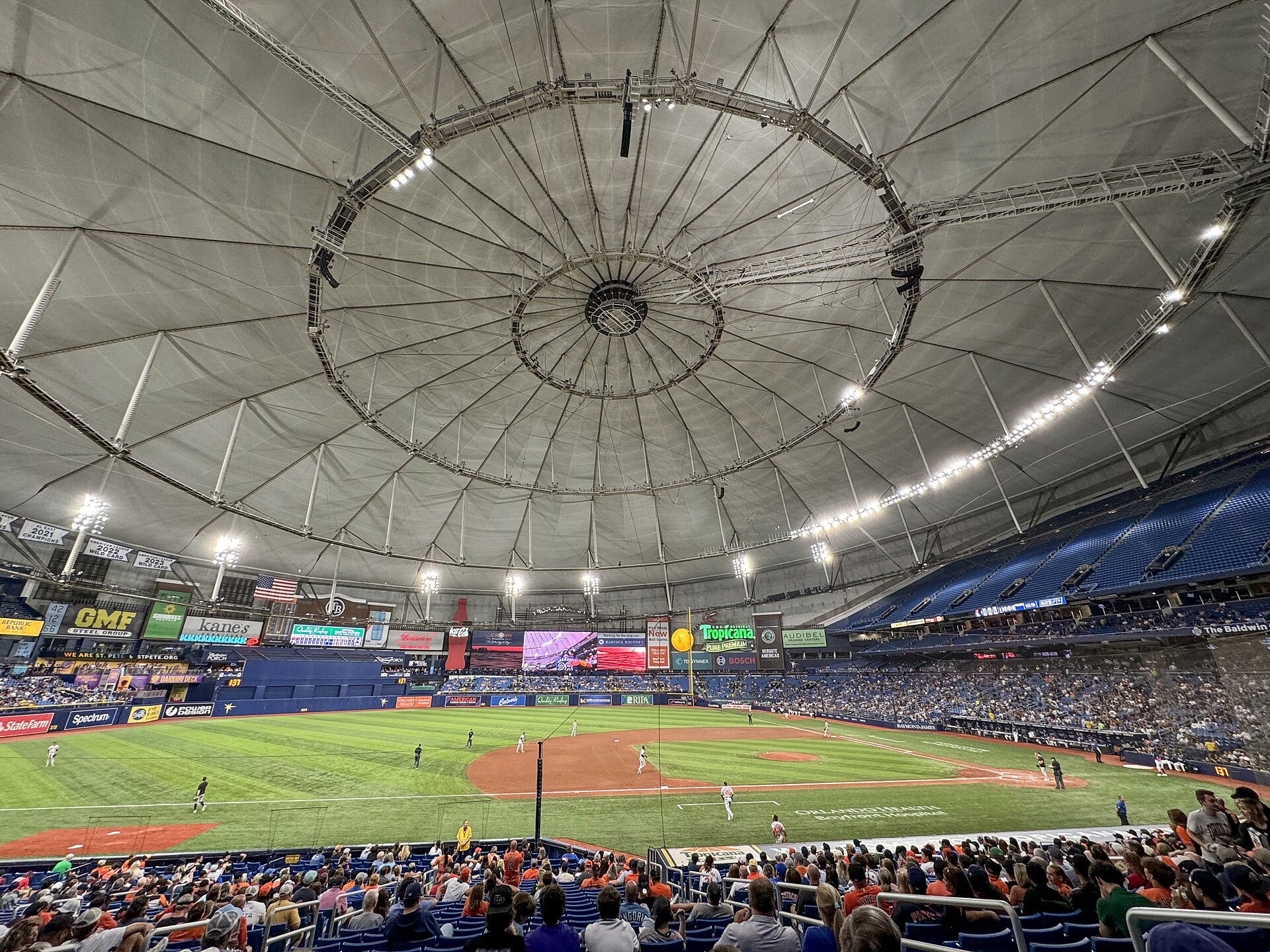
The wait is over, and the sentence Milwaukee has waited more than half a century to read is finally true: Brewers win first World Series title. The Milwaukee Brewers beat the Tampa Bay Rays 4-1 in Game 5 of the World Series on Wednesday, October 28, 2026, at Tropicana Field in St. Petersburg, Florida, taking the series four games to one and ending a championship drought that began with the franchise's founding in 1969. The final out came at about 11:14 p.m. ET, when Richie Palacios grounded out to second base against Trevor Megill. A night earlier, the Rays had walked off Game 4 in 12 innings to stay alive. On Wednesday there was no escape: Milwaukee scored in the second inning, again in the fifth, twice more in the sixth, and never trailed.
The Brewers Rays Game 5 score — Milwaukee 4 runs on 8 hits with 2 errors, Tampa Bay 1 run on 4 hits with none — understates how thoroughly Milwaukee managed the night. Misiorowski, who finished the Series 2-0, held Tampa Bay scoreless into the sixth before a cramp in his right calf ended his start. Pratt drove in two of the four runs. Contreras added an RBI double on his way to the MVP award. And when Tampa Bay finally scored, on Chandler Simpson's two-out RBI double in the ninth, it was a consolation run in a game whose ending had felt settled for innings.
Brewers Rays Game 5 score: the game story, inning by inning
The second inning: Cooper Pratt strikes first
Milwaukee's first run arrived through the two players who would define the night. Brice Turang doubled, and Cooper Pratt jumped on a first-pitch cutter from Drew Rasmussen — Tampa Bay's starter, working on three days' rest — and singled him home for a 1-0 lead. Pratt had produced four hits in Game 4's 12-inning loss the night before, and his first at-bat of Game 5 announced the rookie's October was not finished. The Brewers, needing one win in three possible games, were content to build the night one run at a time. Tampa Bay, needing three straight wins, was chasing from the second inning onward.
The fourth inning: Tampa Bay's one real opening
The Rays' best chance came in the fourth, with an assist. Chandler Simpson reached second after right fielder Sal Frelick bobbled a ball, putting runners at second and third and giving Tropicana Field its loudest moment of the night. One swing could have tied the game or put Tampa Bay in front, and with it the whole evening would have changed. Instead, Misiorowski got Ben Williamson to ground out, ending the threat with the lead intact. Championship games turn on a handful of pitches, and this was Game 5's fulcrum — the one moment Tampa Bay's season genuinely threatened to extend itself.
The fifth and sixth: Milwaukee stretches the lead
Pratt struck again in the fifth, collecting another hit to drive in Milwaukee's second run. The sixth finished the job: William Contreras drove in a run with an RBI double, and David Hamilton followed with an RBI single — his fourth straight game with an RBI — pushing the lead to 4-0. Pratt's streak ended in the same inning, when a sacrifice fly finally recorded an out against him after six consecutive hits. Rasmussen (2-1) took the loss, asked to carry an elimination game on three days' rest against the deepest lineup in the National League. Milwaukee's runs came from everywhere — the MVP catcher, a rookie, a role player with an RBI in four straight games — and there was no inning in which the pressure fully relented.
The ninth: Megill closes the door
Two relievers bridged the game from Misiorowski to Trevor Megill, who took the final two innings. Tampa Bay's only run came with two outs in the ninth, when Simpson doubled home a run to make it 4-1 — the faintest echo of the previous night's walk-off. Megill then got Palacios to ground out to second, and at about 11:14 p.m. ET the Brewers were champions, celebrating a thousand miles from the city that will spend the winter reliving it.
Jacob Misiorowski World Series Game 5: a gem, a cramp and an early exit
The Jacob Misiorowski World Series Game 5 line deserves to be read slowly: 5 2/3 innings, no runs, two hits, one walk, two strikeouts. He was not overpowering in the highlight sense — he struck out only two — but he was utterly in command, working through Tampa Bay's lineup with the calm of a pitcher who understood the Rays needed the game far more than he needed to be spectacular. He finished the World Series 2-0. His exit supplied the night's one moment of real anxiety: in the sixth, a cramp in his right calf forced him out, two outs short of the seventh. A cramp is not an injury, and there was no suggestion of anything structural — but Milwaukee still had to watch its pitcher of the night walk off a mound he had owned.
The bullpen did not wobble: two relievers carried the middle innings and Megill handled the last two. Milwaukee's pitching, which carried the club through a sweep of the two-time defending champion Dodgers in the NLCS, closed the World Series the way it closed everything else in October. Afterwards, Misiorowski's thoughts were with the fans who had waited longest. "They've been nothing but supportive this year and in years prior, and it has been amazing," he said, via Reuters.
Cooper Pratt World Series rookie record: six consecutive hits
Every champion has a player whose October outruns his reputation, and for the Brewers World Series champions 2026, that player is a rookie. The Cooper Pratt World Series rookie record — six consecutive hits, passing Brian Doyle of the 1978 New York Yankees — is the kind of line that follows a player for the rest of his career. Pratt opened the scoring in the second, added the run-scoring hit in the fifth, and reached six straight hits before the sixth-inning sacrifice fly ended the streak. Add his four hits in Game 4, and Pratt produced ten hits across the final two games of the World Series, on the road, in an elimination game and a clincher. Doyle's mark had stood since 1978; it fell to a player who began this postseason as a supporting piece and ended it as one of the series' defining figures.
William Contreras World Series MVP: the case, in numbers
The William Contreras World Series MVP award was the least suspenseful announcement of the night. Contreras hit .381 for the series, going 8-for-21 with 4 RBI, and his RBI double in the sixth inning of Game 5 turned a tight clincher into a comfortable one. Across the full postseason he collected 19 hits, a franchise record. The numbers outside the batting line may have mattered most: in the first four games, Contreras threw out four attempted base stealers, quietly strangling Tampa Bay's running game — one of the Rays' core weapons — before it could become a factor. A catcher who hits .381, sets a franchise postseason hits record, drives in a run in the clincher and shuts down the running game is not merely a plausible MVP. He is the only serious candidate.
Why this matters
Fifty-seven years, one title: the weight of 1969
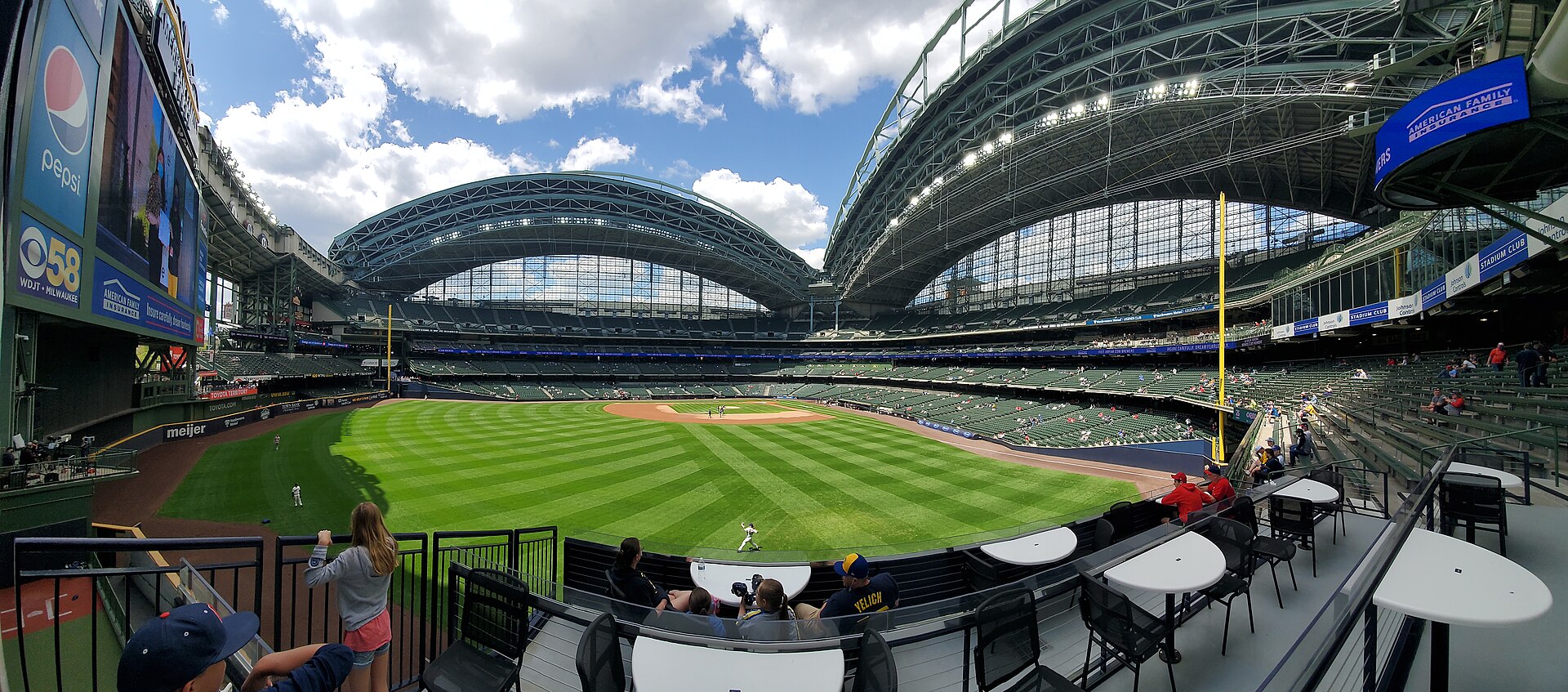
Start with the arithmetic of waiting. The Milwaukee Brewers first championship 1969 connection is the franchise's founding year: born as the Seattle Pilots in 1969, the club moved to Milwaukee in 1970 and then spent fifty-seven seasons without a title. Before Wednesday, its only World Series appearance came in 1982, forty-four years ago. Franchises that wait that long do not merely lack a trophy; they develop a culture organized around its absence. That is what ended at 11:14 p.m. ET on Wednesday. The Brewers did not just win a championship — they retired a way of seeing themselves, and they leave behind the teams never won World Series list for good.
The smallest-market champions: what Milwaukee proved
Milwaukee is the smallest market in Major League Baseball, and it has now produced its champion. The Brewers won 103 games, the best record in the sport, then won 11 of 13 postseason games, sweeping the two-time defending champion Los Angeles Dodgers in the NLCS along the way. This was no wild-card team catching fire for a month; it was the best team in baseball playing like it for six months. In an era when contention is so often treated as a function of payroll and market size, Milwaukee's title is the strongest recent evidence that drafting, development, pitching depth and balance can still beat the arithmetic.
What a first title does to a franchise
A first championship changes a franchise's economics as surely as its identity. The Brewers can now present themselves — to fans, free agents, sponsors and a city asked to celebrate and invest — as champions, a word unavailable to them for fifty-seven years. Season-ticket bases harden after titles; sponsorship valuations and local media leverage move with them. Most durably, the relationship between a city and its team changes character: the Brewers are no longer the beloved underdog Milwaukee supports in hope, but the champion it supports in fact. Christian Yelich, the veteran face of the franchise's modern era, captured it in the celebration. "I know the city has waited a long, long time for this and we're so happy to bring it back to them," he told Reuters. "I can't wait to get back there and celebrate."
From the Seattle Pilots to champions: the long road here
The franchise that won on Wednesday began life in another city and another era. Founded in 1969 as the expansion Seattle Pilots, the club lasted one season in the Pacific Northwest before moving to Milwaukee in 1970 and taking the Brewers name. Its one previous summit came in 1982, when Harvey's Wallbangers — the beloved, hard-hitting Brewers of Robin Yount and Paul Molitor — reached the World Series and lost to the St. Louis Cardinals in seven games. Nothing ever followed it: four decades of Octobers that ended early or never began, and a 44-year gap between World Series appearances spanning generations of fans. The 2026 Brewers finished the errand the 1982 team left undone, and gave the franchise a second defining team — this one with a trophy.
The path: 103 wins, an 11-2 October, and a series that was never really close
The data-driven case for this championship is overwhelming. Milwaukee won 103 regular-season games and the National League Central, beat the San Diego Padres in the Division Series, then swept the two-time defending champion Los Angeles Dodgers in the NLCS to reach its first World Series since 1982. In the Series, the scores tell a story of near-total control: Milwaukee won Game 1, 3-2; Game 2, 5-4; and then produced the rout of the series, a 10-1 demolition in Game 3 at Tropicana Field. Tampa Bay's lone win, the 4-3 walk-off in 12 innings in Game 4, required a final-inning rally in a game Pratt nearly closed out by himself. Game 5, 4-1, restored the pattern: eleven wins in thirteen postseason games, and the best team in baseball winning the World Series decisively.
What happens next: a parade, a winter of questions, and the defense of a title
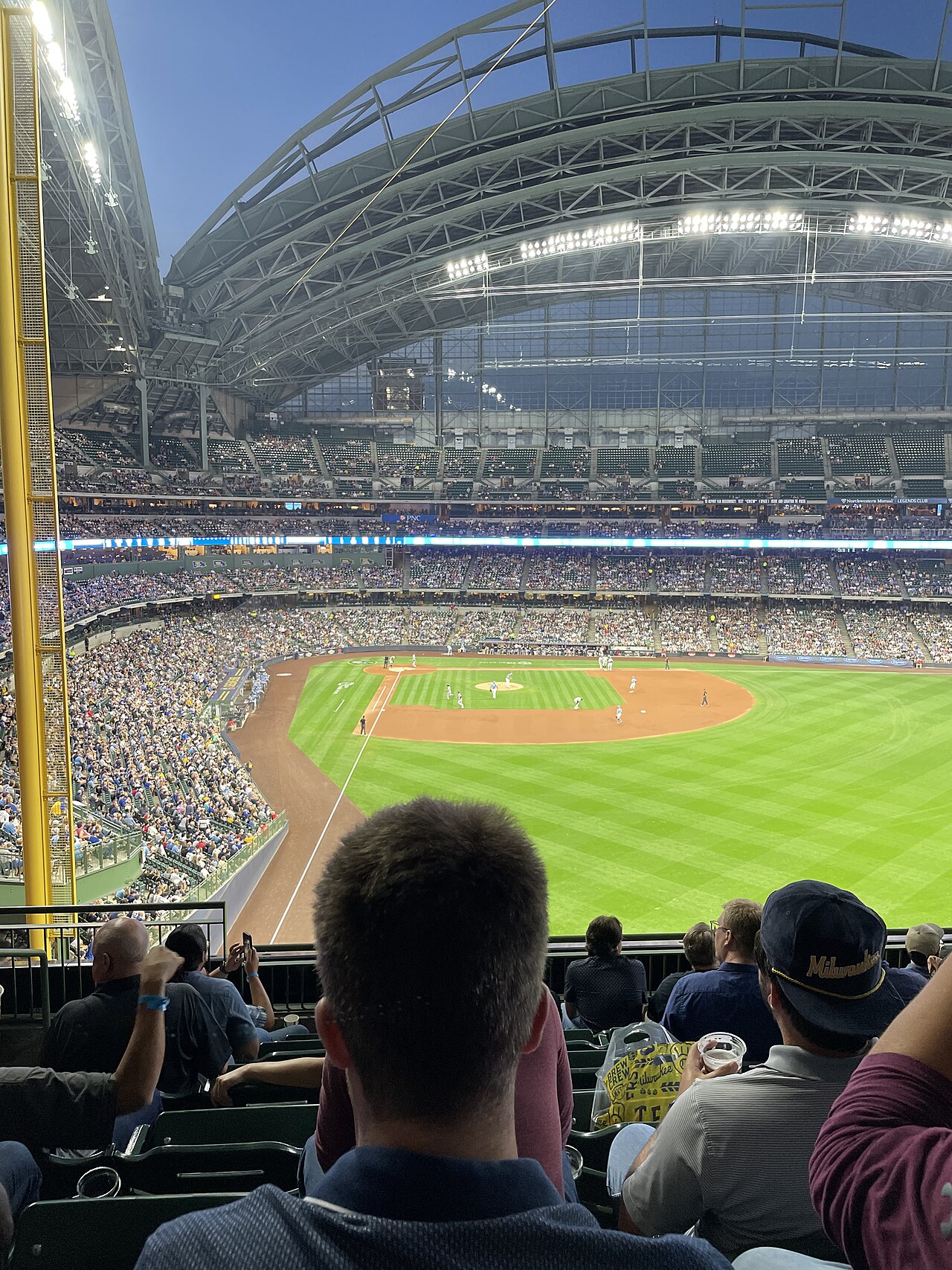
The immediate future belongs to Milwaukee. The Brewers fly home as champions to a city that has waited fifty-seven years for a parade, and the celebration Yelich promised will be the largest sporting party in the city's history. Beyond the parties, the baseball questions arrive quickly: Milwaukee's young core, headlined by Misiorowski and Pratt, is the envy of the sport, but every rival will spend the winter building to beat the team that just swept the Dodgers and took the Rays in five.
For Tampa Bay, the loss means a first title remains unwon: the Rays stay on the list of teams that have never won a World Series, beaten by a deeper lineup, a steadier bullpen and cleaner play in the decisive moments. Their offseason questions are structural — a rotation thin enough that its Game 5 starter worked on three days' rest, and a lineup that produced four hits in the clincher. Tampa Bay's winter begins with harder questions and no parade to soften them. The Rays were good enough to win the American League and take a game off a 103-win champion in extra innings; they were not good enough, in pitching depth or lineup length, to take four. Their front office, among the most admired in the sport, must weigh how close this roster truly is against the evidence of a five-game series whose only win required a 12th-inning rally. And hovering over the franchise is the largest ambition of all: the first title, still unwon, now with one fewer companion on the list of the waiting. Milwaukee leaves that list forever. Tampa Bay's name stays on it — the difference, on Wednesday night, between a celebration fifty-seven years in the making and another winter of almost.
Conclusion
Some championships are coronations and some are exorcisms; Milwaukee's is both. The Brewers were the best team in baseball from April through October, and they proved it on the road, in a dome, against a worthy opponent. The most important number of the night is not in the box score. It is 1969: the year this franchise began, and the year its wait began. The wait is over. The Milwaukee Brewers are World Series champions.
Sources
Sources: Reuters, "Brewers beat Rays 4-1 for first World Series title," October 29, 2026 (reuters.com); Reuters, "Cooper Pratt, Jacob Misiorowski steer Brewers to first Series title," October 29, 2026 (reuters.com) — source of the Christian Yelich and Jacob Misiorowski quotations; USA Today and Fox Sports, World Series Game 5 coverage and MVP reporting, October 2026 — Contreras's .381 average, 8-for-21 line, 4 RBI, franchise-record 19 postseason hits and four caught stealers; Milwaukee Journal Sentinel, Brewers World Series coverage, October 2026. Final box score: Milwaukee 4 runs, 8 hits, 2 errors; Tampa Bay 1 run, 4 hits, 0 errors. This article is original reporting and analysis based on those sources.