Politics · World · US-China
The BGI Genomics import ban is the moment Washington’s forced-labour law reached the genome. On Wednesday the Department of Homeland Security put China’s biggest gene-sequencing companies — BGI Genomics, MGI Tech and their parent BGI Group — on the Uyghur Forced Labor Prevention Act Entity List, alleging their genetic testing in Xinjiang helps feed the region’s forced-labour system. The companies deny it, and on Thursday Beijing condemned the listings and vowed to retaliate.
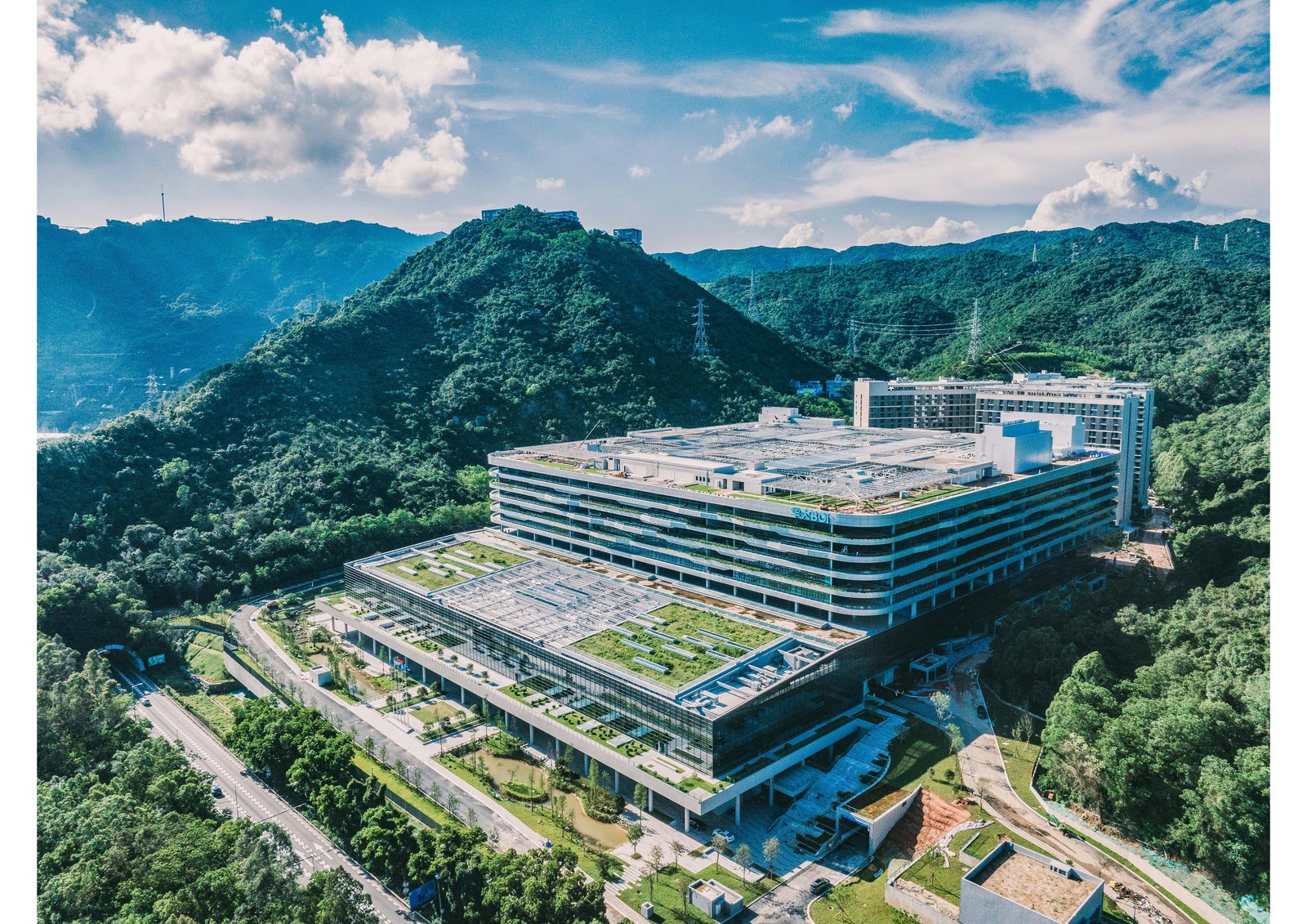
The United States on Wednesday banned imports from three Chinese genomics companies, adding BGI Genomics Co. Ltd. (300676.SZ), MGI Tech Co. Ltd. (688114.SS) and Shenzhen BGI Technology Co. Ltd. — the holding company known as BGI Group or BGI Holdings, and BGI Genomics’ controlling shareholder — to the Uyghur Forced Labor Prevention Act (UFLPA) Entity List, the Department of Homeland Security announced. The additions were made through the interagency Forced Labor Enforcement Task Force, which DHS chairs. From Thursday, October 29, US Customs and Border Protection applies a rebuttable presumption that the three companies’ goods are barred from entering the United States, unless importers can prove that no forced labour was involved in making them. Every allegation behind the listings is Washington’s: all three companies deny any involvement in forced labour, and Beijing rejects the forced-labour case against Xinjiang outright.
What Washington alleges
DHS said the US government has reasonable cause to believe, based on specific and articulable information, that BGI Genomics conducts genetic testing in the Xinjiang Uyghur Autonomous Region alongside the Xinjiang government and as part of government initiatives, and that this testing is used to facilitate the recruiting, transporting, transferring, harbouring or receiving of forced labour. All three companies were listed under section 2(d)(2)(B)(ii) of the UFLPA, the category covering entities that work with the Xinjiang government, or bodies it controls, to recruit, transport, transfer, harbour or receive forced labour or members of persecuted groups out of Xinjiang. BGI Genomics and Shenzhen BGI Technology were additionally listed under section 2(d)(2)(B)(v), covering entities that source material from Xinjiang or from people working with the Xinjiang government or the Xinjiang Production and Construction Corps under government labour schemes. MGI Tech’s alleged role, DHS said, is supplying the sequencing equipment and related support used for the testing. With the three additions, the UFLPA Entity List now totals 190 entities.
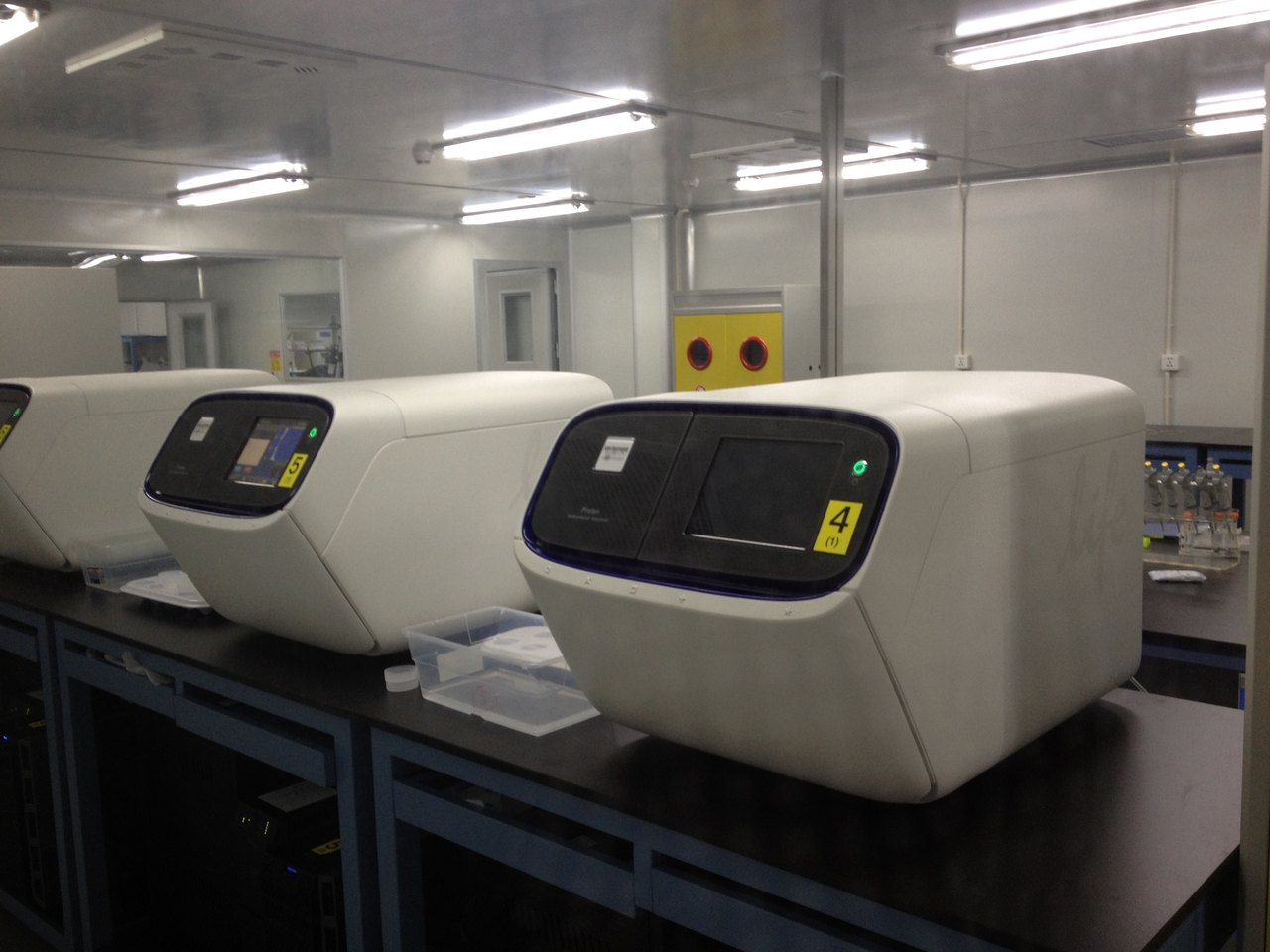
Two features of the mechanism matter for what happens at the border. The presumption is rebuttable, but the burden sits with the importer, not the government: a shipment from a listed company is treated as tainted until the importer proves otherwise, to a standard importers in other sectors have found punishingly hard to meet. And a listing is an administrative determination, not a court finding — DHS acted on what it called specific and articulable information reviewed by the task force, including Chinese government and publicly available material, and the companies had no trial at which to answer it. That gap between allegation and adjudication is the centre of the dispute that followed.
The companies deny it
MGI Tech rejected the allegations as inconsistent with the facts, said it has “zero tolerance” for forced labour in any form, and noted that its business in the United States represents a limited share of its overall business. BGI Genomics and BGI Group have also said they are not engaged in any form of forced labour. BGI Genomics added that its US exposure is limited and that it does not expect the listing to have a significant impact on its results. Those denials were on the record within hours of the announcement — and they frame the commercial question precisely: if the American market is as small for these companies as they say, the ban’s bite is not in lost sales this quarter. It is in the precedent, and in what other governments and customers do with it.
Beijing vows to fight back
China’s answer came on Thursday. The commerce ministry condemned the listings as contrary to the consensus reached by the two heads of state, accused Washington of “political manipulation, smear campaigns, and unreasonable suppression of Chinese enterprises,” and said China would take necessary measures to safeguard its interests. The ministry said workers of all ethnic groups in Xinjiang enjoy freedom and equal employment rights — Beijing’s consistent position, alongside its flat denial that forced labour exists in Xinjiang at all.
The exchange lands on ground both sides have fought over before. In January, a group of UN experts said there was a “persistent pattern” of alleged forced labour affecting Uyghur, Kazakh and Kyrgyz minorities, and Tibetans; Beijing dismissed those findings as groundless. The UFLPA itself was signed in December 2021 and has been enforced since June 2022, and BGI affiliates have spent years on the wrong side of other American lists — export-control blacklists, the Pentagon’s Chinese military-companies list, and the long-running BIOSECURE debate in Congress over whether US biotech should be barred from Chinese contractors. The forced-labour list is a new instrument aimed at a familiar target. And Beijing has a retaliation template ready: in early 2025 it placed Illumina, the American sequencing giant that is BGI and MGI’s chief Western rival, on its unreliable entity list.
Why this matters
Start with what genomics is in the US-China contest. Sequencing is a strategic technology in the same sense semiconductors are: the machines are concentrated in very few hands, the data they produce compounds in value, and the state that sets the standards and owns the installed base shapes the science everyone else can do. Washington has spent four years building fences around Chinese access to advanced chips — and Beijing has answered in kind, most recently with China’s proposed export controls on 40 technologies. The BGI listing extends that logic from silicon to DNA, using a human-rights law rather than an export-control rule to do it.
The second layer is what population-scale genetic testing means in Xinjiang specifically. A cotton ban polices a supply chain; a genomics listing polices a data relationship. Genetic testing conducted alongside a regional government, at population scale, is not only a labour question — it is a surveillance question, because a population’s genome, once collected, can identify, track and categorise the people it came from in ways no other dataset can. That is why this listing reads differently from the solar-panel and tomato-paste listings that built most of the 190: DHS is alleging that the testing itself is an instrument of the system the law exists to punish, with MGI’s machines as the enabling hardware. The companies dispute the allegation root and branch, and readers should hold it as exactly that — an allegation, made by one government, denied by the companies and by the other government. But even as an allegation, it marks the first time the forced-labour law has been aimed at the machinery of genetic surveillance rather than at goods a supply chain can reroute.
What the numbers actually imply
The headline number is 190: the UFLPA Entity List’s new total. The list’s growth is the policy — each addition widens the set of Chinese supply chains an American importer touches at its own legal risk, and three names at once, spanning a parent, its listed testing arm and its equipment maker, closes the obvious corporate-form workaround of buying from the sister company instead.
The second number is the one the companies supplied: limited. Both MGI Tech and BGI Genomics describe their US exposure as a limited share with no significant expected impact, and on the narrow arithmetic of current revenue they may well be right. But the claim cuts both ways. If US sales are small, Washington’s cost of acting was also small — which is precisely why genomics made an attractive place to set the precedent. The real exposure is not the shipments CBP stops this month; it is the tenders, partnerships and listings decisions in third countries where a US forced-labour designation becomes a diligence file that a Chinese biotech champion must now carry everywhere, and the chilling arithmetic for any US-funded lab weighing an MGI sequencer that has just become an import problem.
Who gains, who loses, what critics say
The clearest beneficiary is Illumina, the US sequencing leader whose fiercest global competitor has just been made radioactive to American buyers — though Illumina’s win comes with an asterisk, since it is already on Beijing’s unreliable entity list and its own China business lives under the retaliation cloud. US and allied instrument makers gain a protected home market by default. The losers start with American laboratories that bought MGI’s cheaper sequencers and now face stranded machines, interrupted service and reagent supply lines running through a listed company; they extend to Chinese biotechnology’s global ambitions, for which every new American list is another market teaching itself to buy elsewhere.
Critics divide along the familiar line, but with a genomics twist. Supporters of the listing say the UFLPA’s whole design is presumption-first, that population-scale genetic collection in Xinjiang has been documented by researchers for years, and that a law which waited for courtroom proof from a closed region would never list anyone. Critics of Washington’s approach answer that an administrative listing built on undisclosed “specific and articulable information” gives the accused no meaningful way to clear their names, that the timing — against what Beijing calls a heads-of-state consensus — reads as leverage rather than labour policy, and that folding biotech into the sanctions war accelerates the splitting of global science into two incompatible stacks. Chinese officials make the mirror-image charge: that forced-labour language is the respectable wrapper for the “unreasonable suppression of Chinese enterprises.” Both critiques can be partly true at once, and the record so far supports each side’s narrower factual claims more than its broader ones.
What happens next
Four scenarios, in rough order of likelihood. First, retaliation in kind: Beijing’s vow of “necessary measures” most plausibly means a counter-listing, and the Illumina precedent from early 2025 shows the form it takes — another American biotech or medical-equipment name on the unreliable entity list, calibrated to hurt without closing a door China needs. Second, a legal or administrative challenge: listed companies can petition for removal and importers can litigate detentions, but the UFLPA’s presumption is designed to survive exactly that pressure, and no quick courtroom rescue should be expected. Third, restructuring: BGI and MGI can push more production, service and sales through non-listed affiliates and third countries — the standard response to entity lists, and the reason Washington listed the parent, the testing arm and the equipment maker together this time. Fourth, wider damage: Beijing has explicitly tied the listings to the two presidents’ consensus, so the fight now sits on top of the trade truce, alongside the investment-curb dispute in which China has urged Washington to halt outbound investment curbs and the separate channel of EU-China trade talks where Brussels is running its own version of the same argument.
What is already settled is narrower, and worth stating plainly. From October 29, goods from BGI Genomics, MGI Tech and Shenzhen BGI Technology are presumed barred from the United States as forced-labour products, on allegations the companies and Beijing deny; the entity list stands at 190; and genomics has formally joined chips, cotton and solar as a front in the US-China contest — the first front where the contested commodity is the human genome itself.
Sources
- Reuters, October 28, 2026 — the United States banned imports from BGI Genomics, MGI Tech and Shenzhen BGI Technology over their alleged roles in enabling forced labour in Xinjiang; DHS’s account of the testing and of MGI’s equipment role; MGI Tech’s rejection of the allegations, its “zero tolerance” statement and its limited-US-business comment.
- Reuters, October 29, 2026 — China’s commerce ministry condemned the listings as contrary to the consensus reached by the two heads of state, accused Washington of “political manipulation, smear campaigns, and unreasonable suppression of Chinese enterprises,” and said Beijing would take steps to safeguard its interests; the January UN experts’ “persistent pattern” finding and China’s early-2025 placement of Illumina on its unreliable entity list.
- US Department of Homeland Security, press release, October 28, 2026 — the Forced Labor Enforcement Task Force’s additions to the UFLPA Entity List; the reasonable-cause determination on BGI Genomics’ genetic testing in the Xinjiang Uyghur Autonomous Region; the listings under UFLPA sections 2(d)(2)(B)(ii) and 2(d)(2)(B)(v); CBP’s rebuttable presumption applying from October 29; and the list’s new total of 190 entities.
- GenomeWeb, October 28, 2026 — DHS added BGI Genomics, MGI Tech and Shenzhen BGI Technology (BGI Group) to the UFLPA Entity List, banning imports of their products into the US over the alleged forced-labour involvement.