Saudi Arabia UAE urge Trump Iran pressure
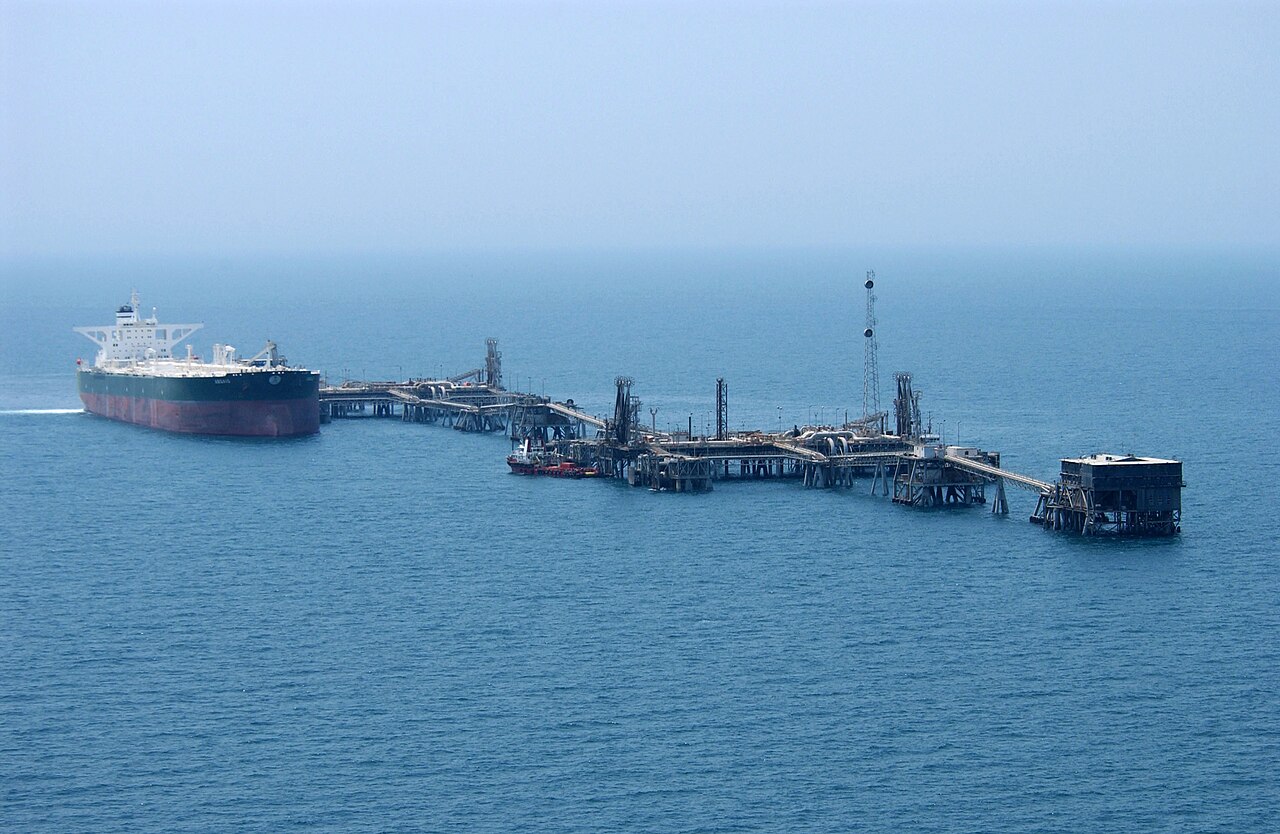
Saudi Arabia and the UAE are urging Trump to keep Iran pressure on, lobbying the White House against any concessions that would ease sanctions or lift the U.S. Navy's blockade of the Islamic Republic, The Wall Street Journal reported Friday. The disclosure lands just as mediators led by Qatar are pressing for a fresh round of talks in Oman — possibly as soon as next week — aimed at reopening the Strait of Hormuz and beginning to wind down a war now in its seventh month. The Gulf's two oil giants want the squeeze to continue; its two would-be peacemakers want the shooting to stop. And that disagreement may matter more than anything said at the United Nations this week.
Why this matters
Wars rarely end when the communiqués say they should. They end when the money runs out, the guns fall silent, or the people paying for both decide they have had enough. In the war between the United States and Iran, the people paying — and the people who control the money — are increasingly the same Gulf monarchies now split over what comes next.
That makes Friday's Journal reporting more than diplomatic color: it identifies the war's new center of gravity. Washington can blockade and Tehran can threaten, but it is Riyadh and Abu Dhabi that decide whether American economic warfare keeps its Arab cover, and it is Doha and Muscat that decide whether a negotiating table exists at all.
When the Gulf's two biggest oil producers swing from peacemakers to hard-liners in the space of a summer, that is not a mood swing — it is a verdict on Iran's strategy. Tehran bet that squeezing the world's oil arteries would frighten its neighbors into forcing Washington to deal. The early returns suggest the opposite: the squeeze has frightened them into demanding Washington never let up.
How we got here: from peacemakers to hard-liners
The wider Middle East war began with American and Israeli strikes on Iran on February 28, spread to Lebanon and the Gulf in March, and escalated in Yemen in recent weeks, according to Reuters. Through the summer, the Arab states led by Saudi Arabia were the loudest voices for negotiations — they pressed for talks with Tehran and were even willing to countenance a deal acknowledging some Iranian sway over the Strait of Hormuz, the Journal reports.
That was the logic of June's preliminary framework: sanctions relief on oil sales, access to frozen assets, and a recognized Iranian role in administering the strait in exchange for reopening the waterway. Then the framework collapsed, and Tehran changed tactics.
Iranian attacks on Saudi ships in the waterway, combined with Tehran's encouragement of Houthi efforts to shut the alternative export route through the Red Sea, convinced Riyadh and Abu Dhabi that Iran was not bargaining — it was extorting. An Iranian-backed militia attack in Iraq even temporarily knocked Saudi Arabia's East-West Pipeline out of service, and Yemeni government, Iranian and regional sources say the Houthi advance down Yemen's Red Sea coast was carried out with direct guidance from Iran's Revolutionary Guard.
This week the economic war went airborne: Treasury Secretary Scott Bessent's secondary-sanctions threat against companies servicing Iranian airlines took effect, the UAE and Oman barred Iranian carriers on Thursday, and on Friday Iraq's remaining airports joined Baghdad in suspending Iranian flights. The summer's peacemakers had become the autumn's enforcers.
The split: Riyadh and Abu Dhabi versus Doha and Muscat
The Journal's account of the split is strikingly specific. Saudi Crown Prince Mohammed bin Salman personally told American officials recently that the United States should continue its blockade until Iran is compelled to sign a new agreement. UAE officials who once said they were eager for a diplomatic end to the conflict are now pouring cold water on talks, arguing that renewed violence and attacks on shipping prove Tehran is in no hurry to return to diplomacy — and that Gulf states should not accept permanent Iranian control of the strait.
A White House official told the Journal the sanctions and blockade have left America in a strong position: “While President Trump is open to talking with Iran under the right circumstances, he has no need to negotiate with the Iranians.”
On the other side stand Qatar and Oman, who argue the region has already suffered enough and that a phased reopening of Hormuz plus a halt to attacks on Gulf states is the only viable exit. Qatar has been working the corridors of the UN General Assembly all week; Iran's foreign minister landed in Doha on Sunday to discuss proposals including a seven-day pause in fighting that could end Iran's attacks on shipping in exchange for Washington lifting its blockade.
The Journal reports that proposal may be dead on arrival: the U.S. has repeatedly told Qatar that Trump has no intention of lifting the maritime embargo. And the messages from Tehran are contradictory — Arab mediators say Iranian diplomats have presented proposals and privately acknowledged a deepening economic crisis, while the Islamic Revolutionary Guard Corps says it will entertain no new formulas and is prepared for a long war, preferring a return to the June terms Washington has already rejected.
What the numbers actually say
Strip away the diplomacy and the balance sheet tells its own story. Front-month Brent crude fell 1.6 percent to $104.89 a barrel on Friday and WTI dropped 2.3 percent to $92.41, as traders weighed the dueling headlines — but the structure of the market screams tension, not relief.
The National Bank of Kuwait notes Brent's front-month spread sits around $4 to $5 a barrel, versus less than $1 in February: the market is paying a steep premium for oil it can get today rather than tomorrow, the classic signature of a supply system under siege. Kpler's head of crude analysis, Homayoun Falakshahi, cautioned that diplomatic headlines should be treated skeptically until there is a concrete step — an easing of the blockade or actual resumption of oil transits.
Before the war, the Strait of Hormuz carried about 20 percent of the world's oil exports. Every week it stays effectively closed is a week the global economy pays a war tax. Inside Iran, the pressure is no abstraction: mediators tell the Journal that Iranian diplomats privately acknowledge a deepening economic crisis, and a retired teacher in Tehran told Reuters by text message, “We are living in an open-air prison.” The flight bans now severing Iran's air links deepen that isolation by the day.
Who wins, who loses — and what the critics say
The winners, for now
Start with Washington: the White House believes the blockade has given it something rare in this conflict — leverage without a timetable. “No need to negotiate” is the sound of an administration content to let economics do what airstrikes could not. Riyadh and Abu Dhabi win a veto over any settlement they dislike; no American president will lift a blockade over the objections of the two Arab capitals whose oil, bases, and purchases anchor U.S. Gulf policy. And quietly, every oil producer outside the war zone — from Texas to Guyana — wins from triple-digit crude.
The losers
Iran's economy absorbs the heaviest blow, and ordinary Iranians absorb it most unfairly: sanctions are a siege weapon, and sieges always starve the besieged before they sway the besiegers. Global consumers pay at the pump for a war most of them did not choose. And Gulf shipping itself is caught in a vise of Tehran's making — squeezed at Hormuz by Iran and at the Red Sea by the Houthis, the very double chokepoint that was supposed to be Saudi Arabia's alternative route.
The critics' case
Oman and Qatar make the serious counter-argument: pressure without an off-ramp does not end wars, it perpetuates them, and a region that has “already suffered significantly” cannot afford a long war of attrition on its doorstep. Tehran's camp has its own suspicion — that Washington's talk of talks is a delaying action to get past the November midterm elections before returning to attack, a fear the Journal says is genuinely held in Iran.
And the Revolutionary Guard's long-war posture is a standing rebuke to the whole premise: an adversary prepared to suffer indefinitely cannot be squeezed into surrender, only into stalemate. Behnam Ben Taleblu of the Foundation for Defense of Democracies offers the hawkish synthesis: “These are the costs and consequences of Iran overplaying its hand.” Whether that is analysis or wishful thinking will be decided by how long Iran's economy — and its rulers — can hold.
What happens next: three scenarios
One: Oman hosts talks next week that go nowhere. This is the likeliest near-term outcome. The minimum terms do not overlap — Tehran's Guard wants the June framework back, Washington says it has no interest in it, and the maritime embargo stays. Talks become theater, and the war grinds on.
Two: the squeeze tightens further. Secondary sanctions spread to more third-country firms; Iran's isolation deepens; and Mohammad Mokhber, an adviser to Iran's supreme leader, has already threatened retaliation in kind — “If Iran does not have the possibility to fly and receive airport services, then no country in the region will have this possibility either,” he posted, raising the specter of regional aviation as the next front. Meanwhile Saudi Arabia, Turkey and Pakistan have signed a joint defense pact in Mecca, Reuters reports, formalizing the anti-Houthi alignment.
Three: the Houthi wildcard detonates Riyadh's strategy. Saudi Arabia is demanding the blockade continue while its own oil exports are being strangled at both Hormuz and the Red Sea. There is a point at which the kingdom must choose between the economic war it wants Washington to wage and the shipping lanes its own economy needs — and Tehran knows it.
The ledger now drives the diplomacy
The striking feature of this week's diplomacy is how little of it is about diplomacy. The Journal's reporting describes a war that has migrated from the battlefield to the ledger: blockades, secondary sanctions, flight bans, pipeline attacks, and oil spreads.
In that war, Saudi Arabia and the UAE have just cast the decisive vote — not for escalation, which they oppose, but for indefinite economic strangulation. Qatar and Oman are betting there is still a negotiated exit through Hormuz. Both cannot be right. What is certain is that the next move belongs not to the generals but to the mediators landing in Muscat — and to whether anyone in Tehran or Washington is willing to pay the price of saying yes.
Sources
- The Wall Street Journal — “Why the Gulf Wants Trump to Hold the Line on Iran,” September 25, 2026.
- The Wall Street Journal — “Oil Prices Fall as U.S.-Iran Diplomacy and Regional Tensions Remain in Focus,” September 25, 2026.
- Reuters via LA Post — “Allies unite behind Saudi Arabia as more Iranian flights curtailed,” September 25, 2026.
- JFeed — “Gulf states divided on approach to potential U.S.-Iran negotiations,” September 25, 2026.
Related coverage
- Iran and the UN General Assembly: live updates
- Senate rejects the Iran war-powers resolution 50–49
- Iran's seven-day Hormuz plan: Araghchi's offer explained
Reporting cutoff: September 25, 2026. Market prices and diplomatic positions are a dated snapshot and do not update at page open.