A refusal that changes the alliance
Saudi Crown Prince Mohammed bin Salman called President Donald Trump twice seeking U.S. strikes on Houthi positions, according to CNN. Washington’s answer was that American forces would defend U.S. personnel and assets but would not launch offensive attacks for Saudi Arabia. That distinction is operationally narrow but politically consequential: Riyadh has long assumed the partnership includes help against threats that could disrupt the kingdom’s energy and logistics system.
Why This Matters
The immediate contest is about missiles, drones and maritime chokepoints. The larger one is about alliance credibility. If a formal friend cannot obtain help against an Iranian-aligned force attacking its infrastructure, Gulf governments will hedge—buying more defenses, reopening channels to Tehran and diversifying security ties. The Houthis gain leverage without defeating Saudi forces conventionally; they only need to show that expensive defenses and U.S. assurances do not reliably protect economic nodes.
The history behind the rupture
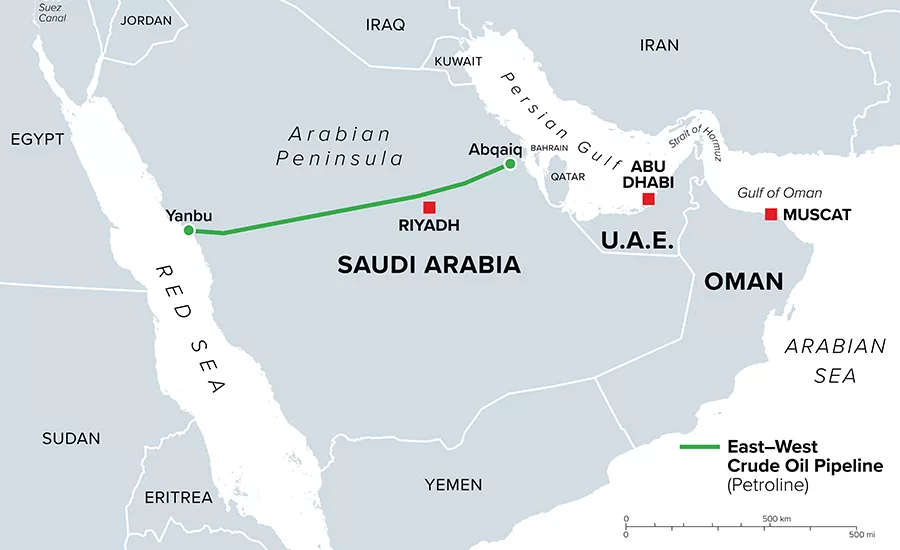
Saudi Arabia entered Yemen’s war in 2015 expecting a short campaign. It became a costly conflict in which air power could not translate into a durable political settlement. The 2019 strike on Abqaiq demonstrated that a small number of precision weapons could temporarily disrupt roughly half of Saudi oil output. Today’s pressure revives that lesson while the broader Iran conflict gives the Houthis a regional narrative and more bargaining power.
Winners, losers and the numbers
The Houthis benefit from asymmetric economics: relatively cheap drones can force costly interceptions, reroute ships and raise insurance premiums. Iran benefits when partners stretch U.S. and Gulf defenses while preserving deniability. Saudi refiners, ports and communities absorb the risk; importers pay through freight and energy volatility. Washington avoids a new offensive front, but risks teaching allies that restraint means strategic distance.
What happens next
The base case is more Saudi interception, emergency repair and quiet diplomacy, not an American air campaign. Escalation becomes likelier if Americans are killed, a major export terminal is disabled or attacks close a shipping lane. De-escalation would require a channel connecting Yemen’s settlement to the Iran war rather than treating each strike as an isolated incident. Watch U.S. rules of engagement, Saudi outreach to Tehran and whether Houthi attacks shift from signaling to sustained infrastructure denial.
Sources: CNN. Facts and figures are a fixed September 19, 2026 reporting snapshot and do not update live.