Iran seven-day Hormuz plan
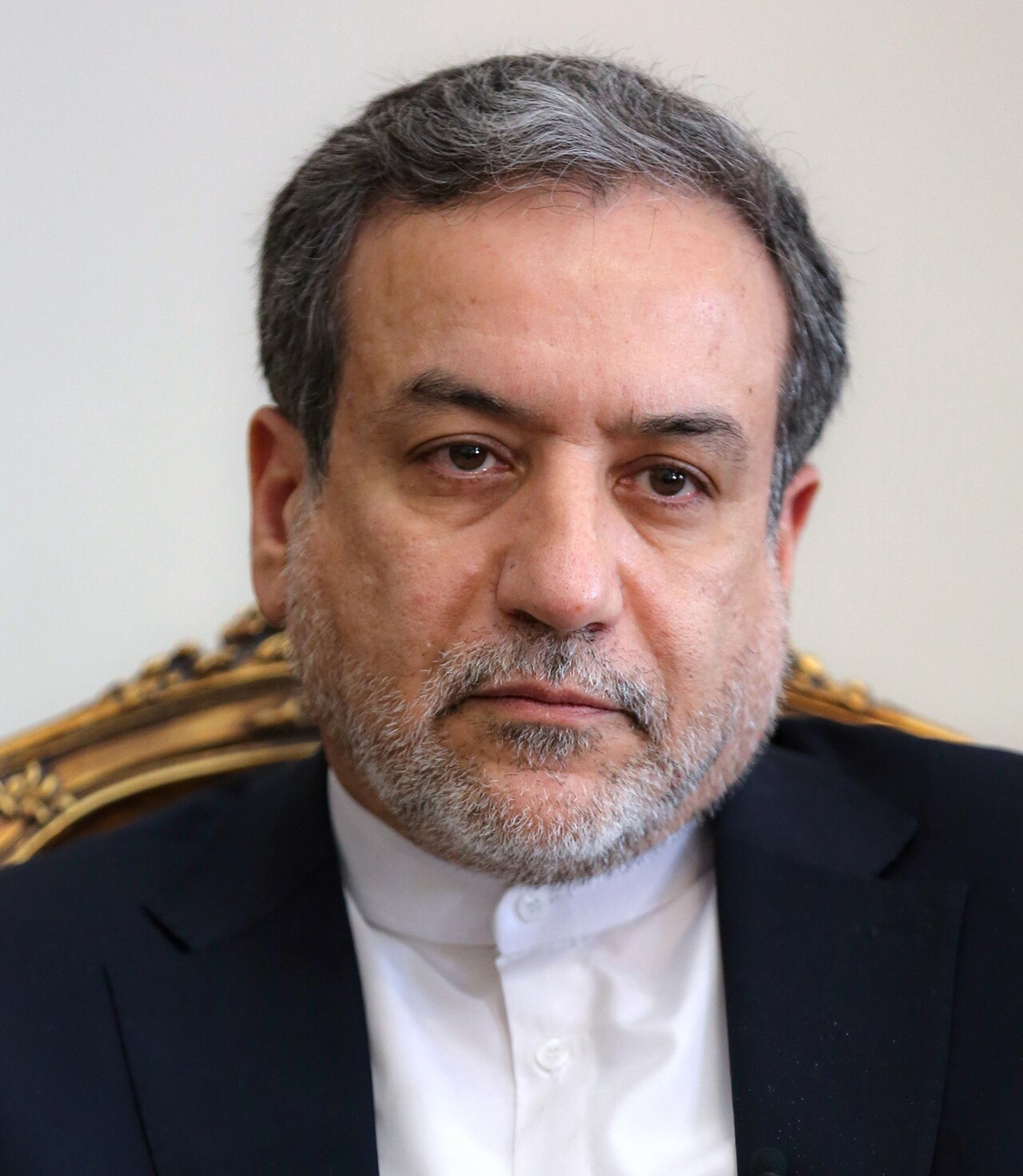
Iran seven-day Hormuz plan is Tehran's most compressed offer yet for converting control of the Strait of Hormuz into a ceasefire and a return to negotiations. At a gathering with reporters and policy analysts in New York on Thursday, September 24, Foreign Minister Abbas Araghchi said Iran would reopen the waterway at the end of a seven-day sequence if Washington accepted a package including an end to the US naval blockade, relief from oil sanctions, release of frozen Iranian assets and a halt to fighting on multiple fronts.
Araghchi said the clock would begin the day after US acceptance. Once the strait reopened, the two sides would move toward a broader settlement that included Iran's nuclear program. No formal US response had been reported by the publication cutoff. That makes this a proposal, not a truce, and several accounts differ over whether Hormuz opens on the sixth or seventh day and whether nuclear talks begin immediately or after a longer pause.
Why this matters
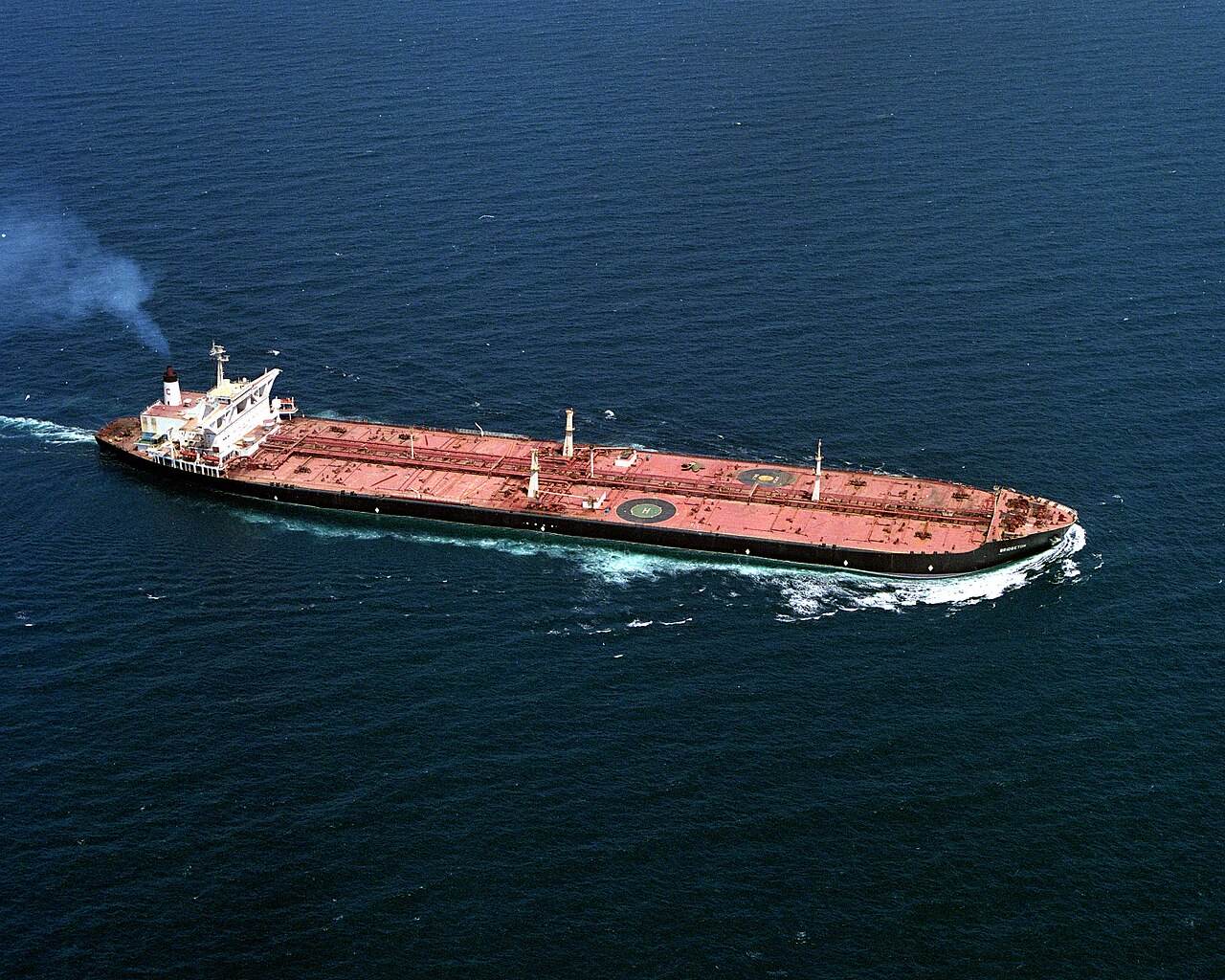
The proposal ties the world's most consequential oil transit route to a diplomatic bargain spanning sanctions, maritime security and regional warfare. Roughly 20 million barrels of oil and petroleum products normally move through Hormuz each day—about one-quarter of global seaborne oil trade. Even partial disruption therefore affects freight, insurance, refinery planning, inflation expectations and fuel prices far beyond the Gulf.
Reports that a deal was being discussed helped push Brent crude below $106 a barrel. That move measures changing expectations, not a reopened waterway. Shipping companies still need evidence that military risk, vessel tolls and insurance exposure are actually falling before normal traffic can resume. The Hormuz oil prices Brent connection is immediate because traders price not only lost barrels but the probability of future disruption.
The offer also arrives after the US Senate rejected a resolution that would have required Congress to authorize the continuing campaign. Our analysis of the 50–49 Iran war-powers vote explains why the administration retains broad operational freedom while diplomacy develops.
What Tehran is asking for
The Araghchi Hormuz seven days proposal contains several linked conditions rather than one maritime trade. Washington would end its naval blockade; lift or waive sanctions on Iranian oil sales; release frozen Iranian assets estimated by reporting at no less than $12 billion; and observe a ceasefire on all fronts, including Lebanon. IRGC spokesman Hossein Mohebi, quoted through AFP reporting, also linked the package to an end to hostilities in Yemen.
Those demands answer the central question behind searches for Iran reopen Strait of Hormuz conditions: Tehran is not offering navigation access in exchange for one concession. It is asking the United States to dismantle several layers of military and economic pressure at once. A US naval blockade Iran lifted commitment would change the military environment. Iran oil sanctions waived would create room to sell more crude. An Iran frozen assets release would provide immediate financial relief. The Iran Lebanon ceasefire demand and reported Yemen condition would widen the bargain beyond the bilateral conflict.
Washington sanctioned Iran's Persian Gulf Strait Authority on Wednesday over alleged vessel-toll extortion, adding a fresh enforcement measure while the offer was moving through mediators. Separately, widening restrictions on carriers have already disrupted regional aviation; our reporting tracks how US sanctions pressure grounded Iranian routes across the Gulf and how Iraq then suspended Iranian flights at four airports.
The June deal that collapsed
The new offer compresses the June memorandum of understanding Iran US framework. That arrangement contemplated a 60-day interim period but quickly collapsed after Iran resumed attacks on shipping. The shorter schedule is meant to deliver a visible result before mistrust, battlefield events or domestic opponents can unravel the sequence.
The wider conflict began on February 28, 2026, according to prior Signal Post News coverage, and the US naval blockade began on April 13. Those dates matter because the proposal is not an attempt to prevent a new confrontation; it is an effort to unwind military and economic measures already operating for months.
Reporting conflicts on the mechanics. Some accounts say Hormuz opens at the end of day seven and negotiations then resume. A Guardian account summarized by NewsCord described the strait opening in six days, with nuclear talks beginning the following day, while also describing negotiations under the memorandum framework as not starting for 60 days. Those versions cannot all describe the same detailed timetable. Until a written text is published, the safest conclusion is that Araghchi has offered reopening within a week, while the exact order and timing of nuclear talks remain unsettled in public reporting.
Kyodo first reported the proposal on Tuesday. Iranian media initially denied it, before Araghchi confirmed the broad outline on Thursday. That sequence is a reminder that unofficial diplomatic reporting can precede public authorization—and that a denial does not necessarily settle whether a proposal exists inside a still-moving negotiation.
Who wins and who loses
Iran could trade maritime leverage for economic oxygen
Tehran would gain access to oil revenue, frozen funds and a less restrictive maritime environment. Trita Parsi of the Quincy Institute said Araghchi suggested a quick agreement could help President Donald Trump before November's midterm elections. Parsi also described “deep suspicion” that Iran might be buying time to sell more oil and ease economic pain. The phrase Trita Parsi Araghchi midterms captures both sides of that assessment: electoral incentive for Washington and time-buying risk for Tehran.
Washington could lower energy risk without conceding the nuclear file
A verified reopening would reduce pressure on fuel prices and remove one source of global economic volatility. But broad, front-loaded sanctions relief would give up leverage before a comprehensive nuclear agreement exists. The US therefore has reason to demand sequencing, monitoring and automatic consequences if shipping attacks resume.
Regional actors gain a larger negotiating table—and greater exposure
Lebanon and Yemen would be drawn into a bargain they did not negotiate as simple bilateral parties. Gulf exporters and Asian importers would benefit from safer passage. Israel and Iranian security hard-liners could view a wide ceasefire as constraining strategic options. The unresolved question inside Iran is whether hard-liners who dominate key security institutions will accept compromises promoted by relative moderates such as President Masoud Pezeshkian.
What the numbers actually mean
Seven days is the proposed implementation window after US acceptance, not a forecast that ships will automatically return on a known calendar date. $12 billion is an estimate of frozen assets in reporting, not a confirmed payment schedule. 20 million barrels a day is the normal scale associated with the chokepoint, not the amount known to be missing from markets during every day of disruption.
The June plan's 60 days and the current plan's seven days describe a sharp acceleration, but speed can transfer risk rather than remove it. A shorter sequence leaves less time to verify sanctions waivers, force posture, ceasefire compliance and maritime safety. Conversely, a long sequence creates more opportunities for a single attack to destroy the process.
What happens next
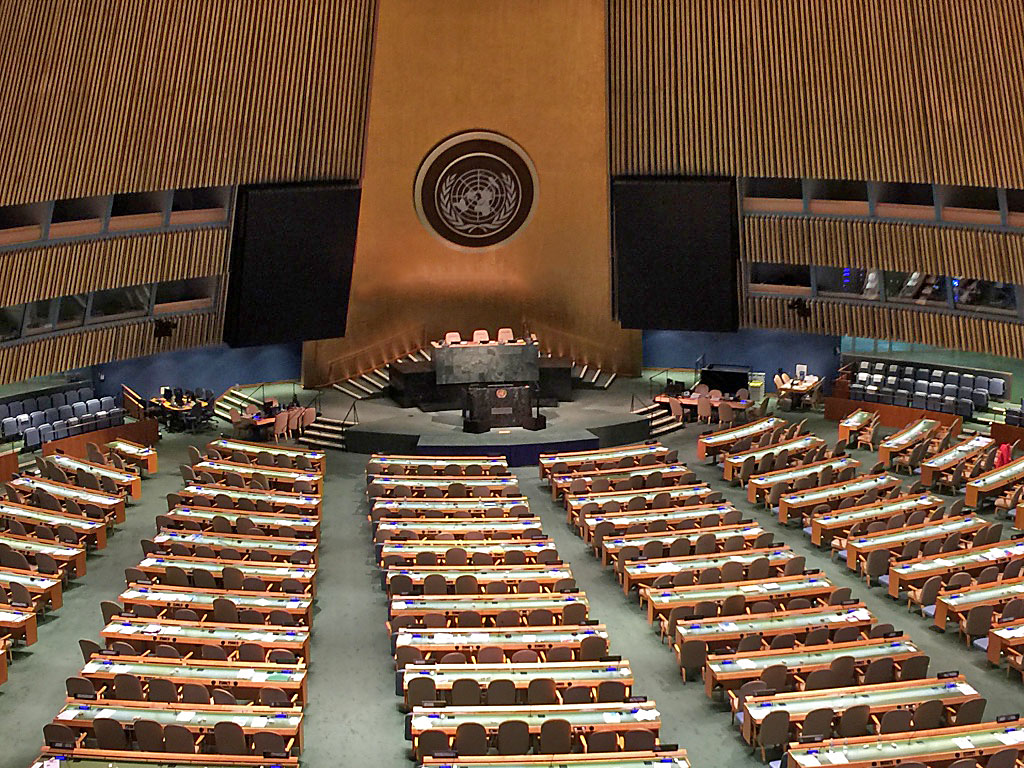
The immediate test is whether Washington answers the package and, if so, whether it accepts the structure or breaks it into verifiable stages. President Trump has said he is in no rush. At the UN General Assembly he warned Iran to accept a deal or face “annihilation,” prompting the Iranian delegation to walk out. The Trump Iran annihilation UNGA warning underscores how negotiation and coercion are proceeding at the same time.
Araghchi met US envoy Steve Witkoff in New York on Tuesday and said China supports the proposal. Qatar remains the key intermediary: Pezeshkian hosted the Qatari prime minister on Friday after indirect contacts during UN week. The Qatar mediator Iran US talks channel matters because it offers both sides a way to test language without publicly committing to it.
Three things would convert the initiative from diplomacy-by-description into a credible process: a written and mutually acknowledged sequence; independently observable steps on shipping and force posture; and a mechanism for deciding whether a violation pauses, reverses or kills the deal. Without those safeguards, each side can interpret the same seven-day clock differently.
The proposal is significant because it places a concrete—if disputed—timeline around the central bargain of the conflict. It is fragile because the conditions span multiple wars, sanctions regimes, institutions and domestic power centers. Hormuz could become the first visible dividend of de-escalation, or the first test that a broader settlement cannot survive.
Sources
- The Oldham Times / Associated Press — the proposal, June memorandum, Trita Parsi's analysis and Qatar's mediation.
- NewsCord — Araghchi's remarks, conditions, frozen-assets estimate and conflicting public timelines.
- Safety4Sea — maritime sequence and shipping context.
- India Shipping News — proposal terms and regional shipping implications.
- Just Security Early Edition — September 25 security and diplomatic developments.
Internal links
- Senate rejects the Iran war-powers resolution 50–49
- US “economic D-Day” sanctions ground Iranian airline routes
- Iraq suspends Iranian flights at all four serving airports
Reporting cutoff: September 25, 2026. The proposal's terms are attributed to Araghchi, attendees and published reports. Conflicting timetable accounts are stated rather than reconciled without a public written text.