Kyiv came under ballistic missile attack twice in one night. At about 9:45 p.m. on Monday, after Ukraine's Air Force warned that ballistic missiles were headed for the capital, Russian missiles struck the grounds of the State Trade and Economics University in Desnyanskyi district — its campus and dormitory area, by Kyoto Park — along with the area near a metro station, residential buildings and a school, killing one person and injuring 10. Hours later, at about 3:30 a.m. on Tuesday, a second wave of explosions shook the city again. Between the two waves, the night's geography widened: Kharkiv and Pavlohrad were also struck, and by the count of the day's reporting, four people were killed and 24 injured across Ukraine.
Track it live: Follow the front line and strike reports on our live Ukraine war map.
What happened on Monday night
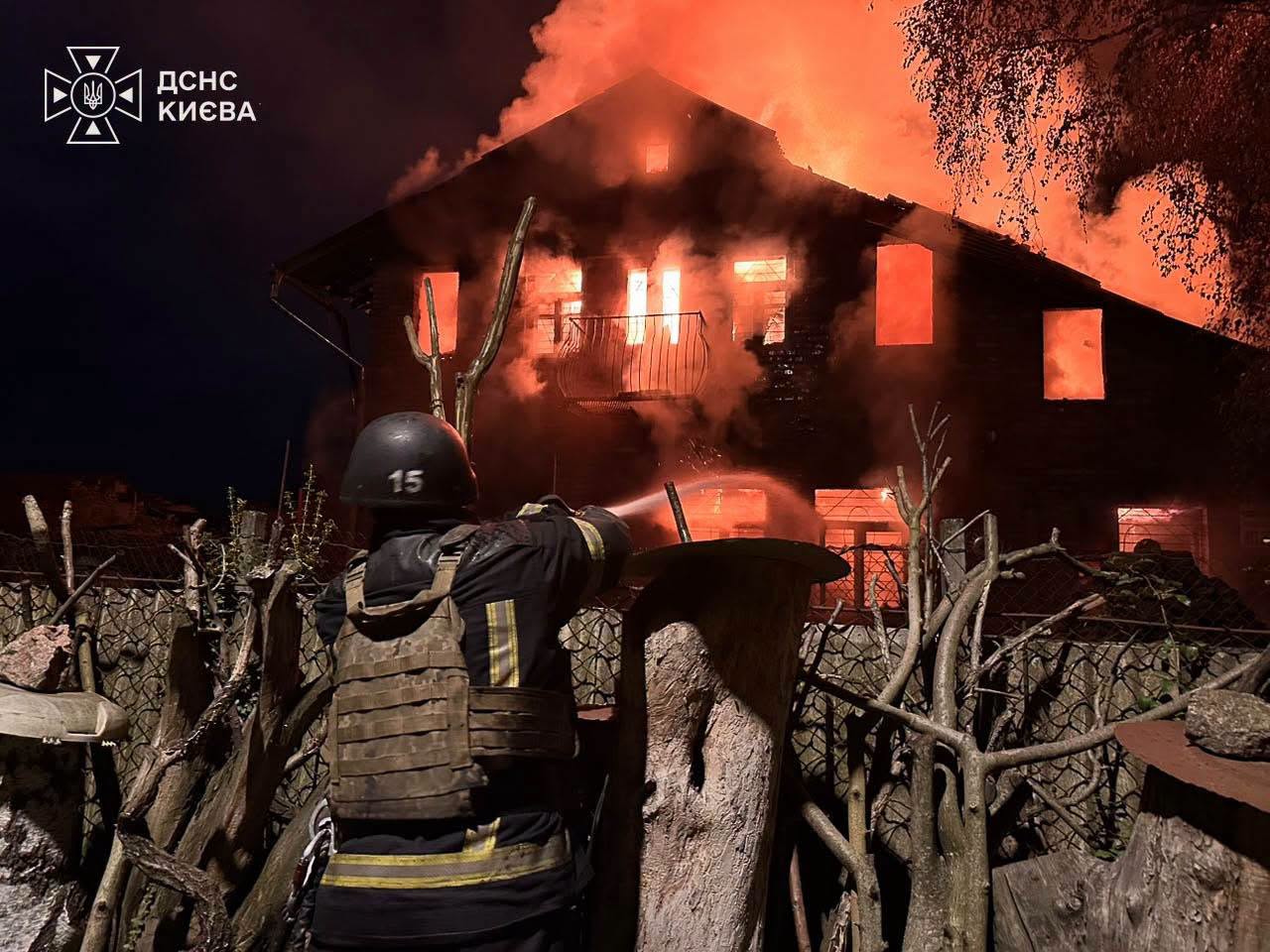
The Monday strike hit the east bank of the Dnipro, in Desnyanskyi district. Kyiv Independent, citing Ukrainian authorities, reported that ballistic missiles struck the university campus and dormitory area, Kyoto Park, the area near a metro station, homes and a school; a three-storey commercial building was partially destroyed. Two medical facilities in neighbouring Dniprovskyi district were damaged, with blast waves shattering windows in an intensive care unit at one of them.
The toll, as reported by Mayor Vitali Klitschko and the State Emergency Service via Reuters, stood at one killed and 10 injured. The person killed was found near a supermarket, by a heavily damaged apartment building. Most of the injured were students who had been outside the dormitory; nine people were hospitalised, three of them in serious condition. The rescue itself came under fire: paramedics responding to the strike were attacked, an ambulance was damaged, and a paramedic and a medical technician were among the casualties, the emergency service said via Kyiv Independent — the pattern Ukrainians call a double tap, in which the responders to a first strike are hit by a follow-on.
Zelenskyy's charge: delays "help terror"
President Volodymyr Zelenskyy condemned the strike on X and Telegram: the missiles struck "the grounds of a university in Kyiv and the area around it, effectively the campus, Kyoto Park, the area near a metro station, and residential buildings." Then he aimed the sentence at Ukraine's partners: "artificial delays in providing air defence to Ukraine help terror." The line lands in a live dispute. The same day, Zelenskyy had said publicly that Ukraine has been waiting nearly a month for U.S. Defense Secretary Pete Hegseth to sign off on Patriot and NASAMS interceptor deliveries — the ammunition Kyiv says it needs before winter, tracked in our Day 1706 war briefing. Ballistic missiles are the threat Patriots exist to stop, and the one against which Ukraine's other defences are thinnest; every ballistic that reaches a dormitory or a hospital ward becomes, in Kyiv's argument, an exhibit in that case.
A second wave before dawn
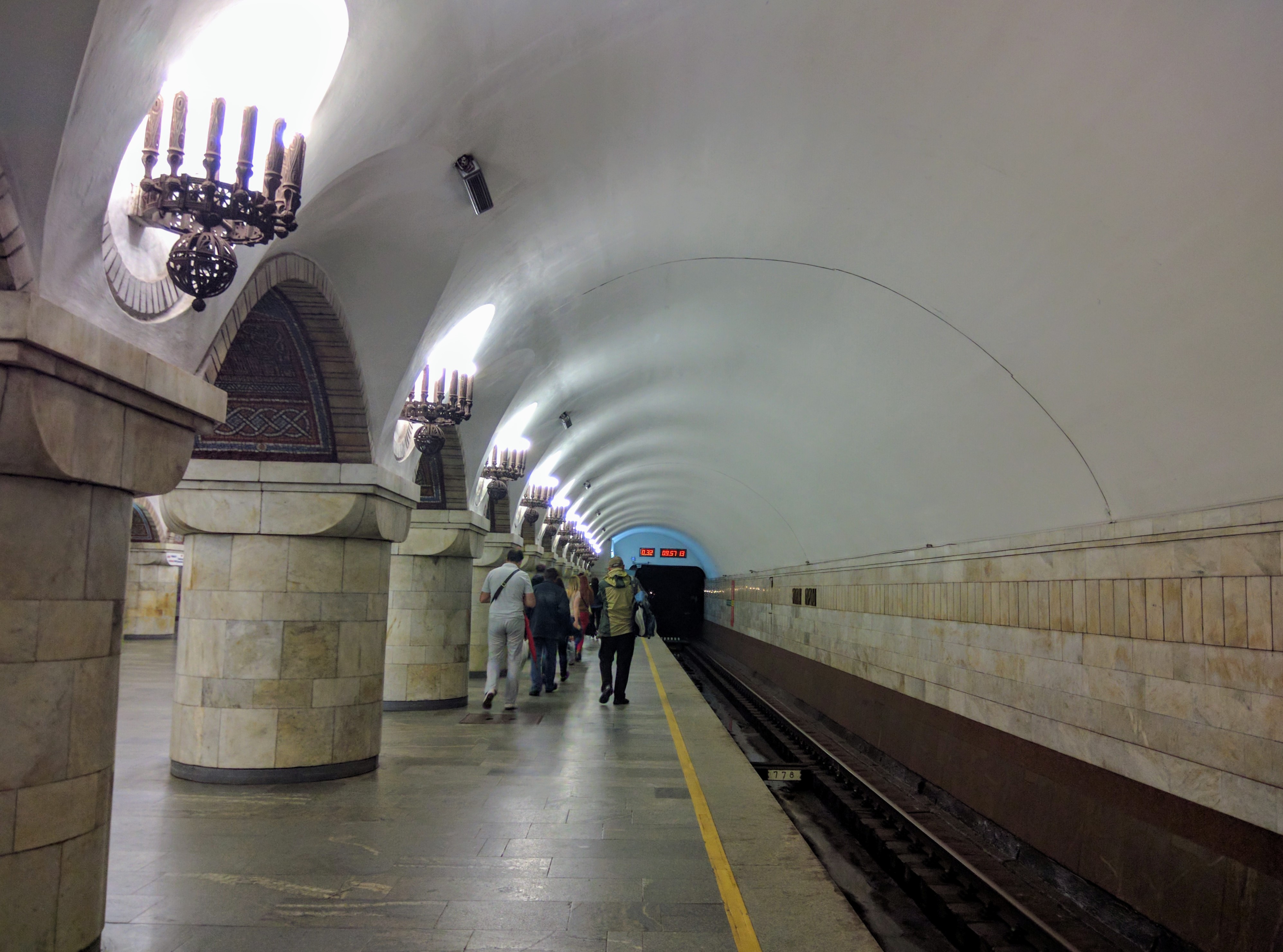
The night was not over. At about 3:30 a.m. on Tuesday, Kyiv Independent journalists counted at least seven explosions in roughly three minutes. Klitschko reported an administrative building hit in Podilskyi district, on the west bank, and non-residential buildings struck in two other locations. The toll from the second wave was unclear at the time of reporting. Reuters witnesses in the capital also heard the Tuesday explosions, and Reuters reported that Tuesday's strikes hit the Southern Bridge and subway infrastructure, forcing a traffic suspension — a picture that was still emerging as the reports came in, and one this article attributes to Reuters rather than stating as confirmed.
The same day, across the country
Kyiv was not the only city hit. In Kharkiv, three missile strikes on a single district killed two people and injured four, damaging a high-rise residential building and private homes, Mayor Ihor Terekhov and regional governor Oleh Syniehubov reported via Reuters. In Pavlohrad, in Dnipropetrovsk region, a drone strike killed one person and wounded 10, three of them seriously, amid more than 50 drone and artillery attacks across the region, regional official Vladyslav Hanzha reported. Taken together, the day's reported toll across Ukraine was four killed and 24 injured — Kyiv's one and 10, Kharkiv's two and four, Pavlohrad's one and 10.
A ceasefire in one town; strikes everywhere else
The second Kyiv wave landed within minutes of a very different deadline. At 4 a.m. Moscow time on Tuesday, the localised ceasefire around Oleshky — the frontline Kherson-region town at the centre of the agreement First Lady Melania Trump announced — took effect, with Russia's Defence Ministry saying it had stopped shelling toward Kherson and Ukraine's human rights commissioner Dmytro Lubinets confirming Kyiv is honouring the start. The contrast is the night's sharpest fact: a negotiated silence in one town, ballistic missiles in the capital, and lethal strikes in two more cities, all inside the same hours. It is also the pattern a UN commission of inquiry has been documenting in the war's conduct — the subject of its latest report on Ukraine.
The pattern behind the night
Monday and Tuesday were not an aberration in Kyiv's autumn. Kyiv Independent's pattern reporting counts fatal ballistic strikes on the capital on October 13–14, which killed five people and injured 25, and on October 22, which killed at least one person and injured 24, with cluster munitions reported. The target set repeats — metro stations, medical facilities, energy and residential districts, and now a university campus — and so does the timing: after-dark ballistic launches, when interception is hardest and the shelter system carries the city's population underground. No Russian Defence Ministry comment on this strike appeared in the reporting drawn on here, and none is invented for it; Moscow has long denied targeting civilians.
What happens next
Three things will carry the story into Tuesday. The second wave's toll and damage list, once Kyiv's administration surveys the Podilskyi administrative building and the other sites in daylight — and whether the reported Southern Bridge and subway damage closes infrastructure the east bank depends on. The state of the interceptor argument in Washington, where Zelenskyy has now attached a dormitory and a metro station to his month-old complaint about an unsigned Patriot and NASAMS approval. And whether the Oleshky silence holds past its first morning — the one place on the map where, on Tuesday, the guns were agreed to stop, on the same night they demonstrably did not stop anywhere else.
Sources
Reuters, "Kyiv under attack, mayor says strike near underground station" (October 26, 2026) — https://www.reuters.com/world/kyiv-under-attack-mayor-says-strike-near-underground-station-2026-10-26/ · Reuters, "Russian missile strikes Ukraine's Kharkiv, kill two, injure four, mayor says" (October 26, 2026) — https://www.reuters.com/world/russian-missile-strikes-ukraines-kharkiv-kill-two-injure-four-mayor-says-2026-10-26/ · Reuters, "Explosions heard in Ukraine's Kyiv, Reuters witness says" (October 27, 2026) — https://www.reuters.com/world/europe/explosions-heard-ukraines-kyiv-reuters-witness-says-2026-10-27/ · Kyiv Independent reporting on the university campus and dormitory strike, the casualties among students and medical responders, the second wave and the autumn strike pattern, via Europesays — https://www.europesays.com/russia/80631/ · President Volodymyr Zelenskyy's statements on X and Telegram, October 26–27, 2026. File photographs: State Emergency Service of Ukraine; Maksym Kozlenko; Dima Sergiyenko (DiscoverWithDima), via Wikimedia Commons.