An overnight barrage of 140 drones tested Ukraine's air defences again on Day 1706, even as Kyiv says a U.S. signature it has awaited for nearly a month is still holding up Patriot and NASAMS missiles its allies have already paid for.
Track it live: Ukraine war map · Live wars tracker
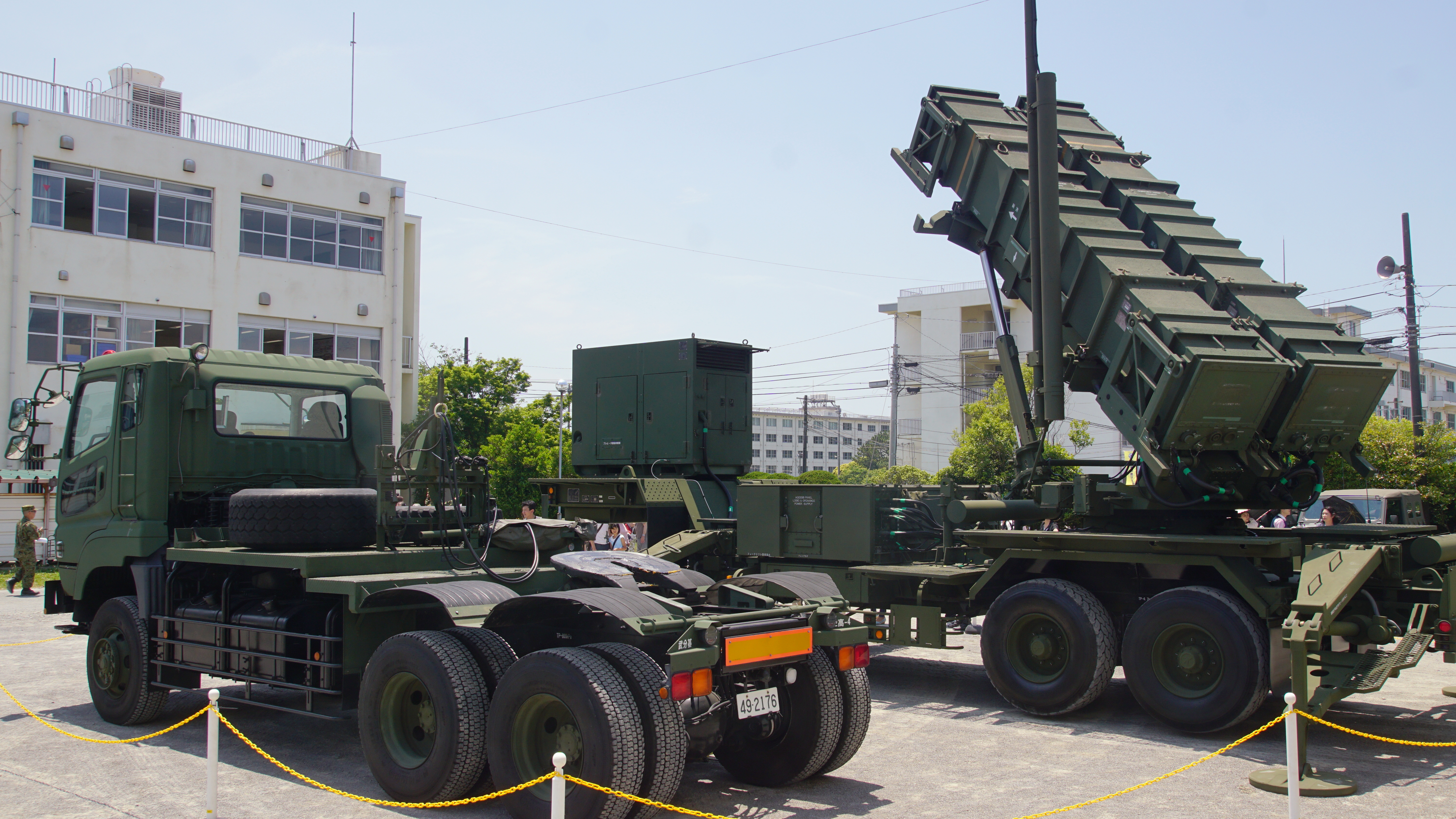
This Ukraine war Day 1706 briefing begins with two numbers that explain each other. Overnight, according to the Ukrainian Air Force as reported by Ukrinform on October 26, 2026, Russia attacked with 140 attack drones and four missiles. By 08:00 local time, Ukrainian air defences said they had downed or suppressed 112 of those drones and all three guided missiles they were tracking. In Kyiv, President Volodymyr Zelenskyy was making a different count: only 24 Patriot interceptor missiles received in three months, against a need he put at roughly 350 a month. One number measures the attack Ukraine faced last night. The other measures the shield Ukraine says it is still waiting to be allowed to use.
All battlefield figures in this briefing are Ukrainian official claims. They have not been independently verified in real time, and Russia had not published a matching account of the overnight operation at the time of reporting. That caveat matters every day of this war. It matters more on a morning when the attack, by Kyiv's own account, was still ongoing as the first summary was issued.
What happened overnight, October 25 to 26
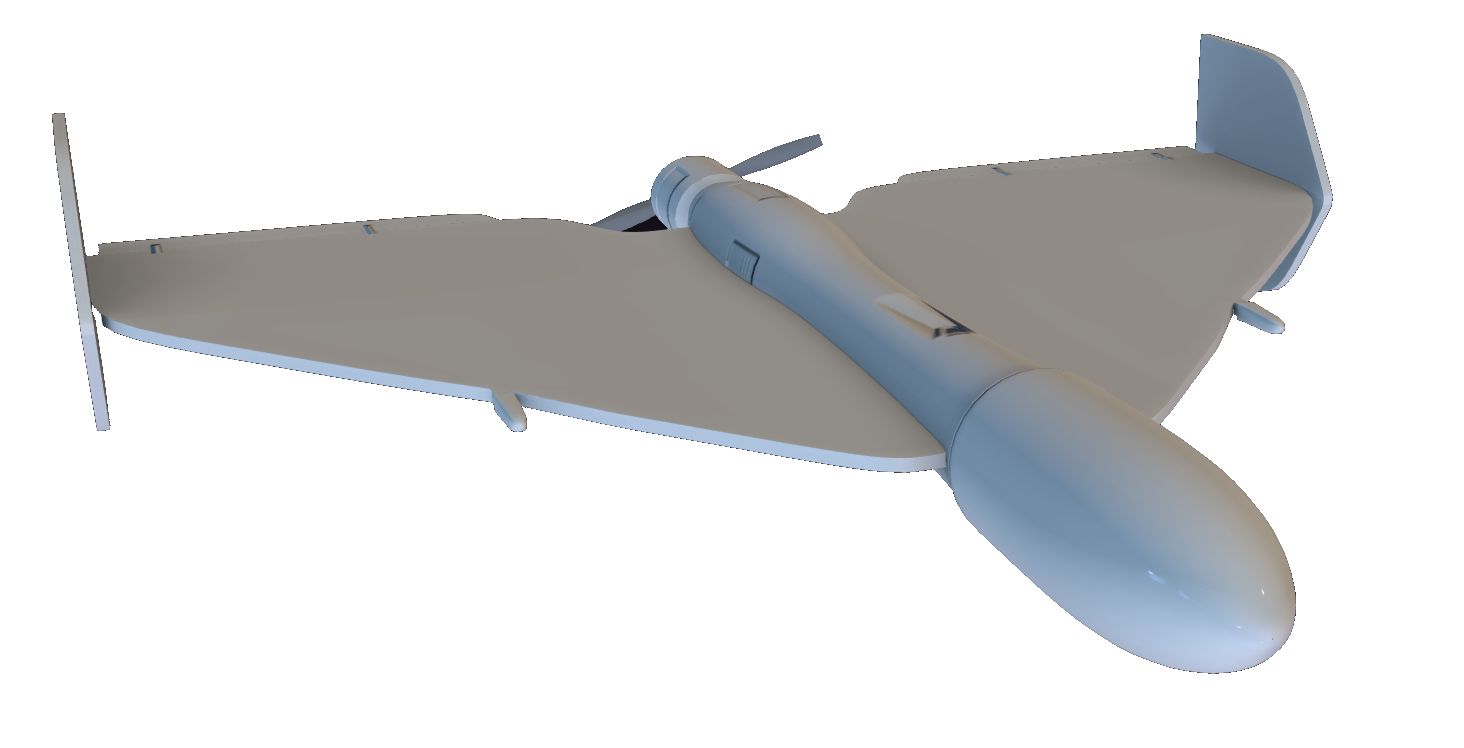
The Air Force said the assault began from 18:00 on October 25 and ran through the night into Monday morning. Of the 140 attack drones, about 70 were described as jet-powered, a category Kyiv associates with faster Shahed-type variants alongside Gerbera and Parodiya decoys designed to exhaust and confuse radar operators. Mixed into the drone waves were one Kh-31P anti-radar missile and three Kh-59/69 guided missiles, which Ukraine said were launched from Russian-occupied parts of the Zaporizhzhia and Kherson regions.
Launch directions listed by the Air Force covered the familiar arc around Ukraine: Oryol, Kursk, Shatalovo and Millerovo inside Russia, and Hvardiiske in occupied Crimea. Of the drones intercepted, 56 were said to be jet-powered, suggesting defenders prioritised the faster threats. Even so, the same statement recorded hits at 15 locations and falling debris at four more. That gap — between a headline interception rate of 80 percent and damage at 19 separate sites — is the defining arithmetic of this phase of the war. A defence can perform well by any historical standard and still leak enough weapons to close power plants, damage housing and keep repair crews working around the clock.
The past week in one grim ledger
Zelenskyy placed the night inside a wider weekly total he has repeated in recent days: roughly 1,600 guided bombs, 48 missiles and about 2,300 attack drones directed at Ukraine over the past week. Averaged out, that is more than 300 drones a day and well over 200 guided bombs a day, on top of the missiles. Last night's 140 drones were therefore not an exceptional spike. They were, if anything, below the recent daily average, which is precisely why Ukrainian officials describe exhaustion, rather than any single spectacular raid, as the strategy they believe Moscow is pursuing.
Why this matters
The Ukraine war Day 1706 briefing matters less for the size of one night's raid than for what the raid collided with in Washington. Reporting by Reuters from Kyiv on Monday, October 26, 2026, said Zelenskyy has waited nearly a month for U.S. Defense Secretary Pete Hegseth to sign off on Patriot and NASAMS missiles purchased by NATO allies for Ukraine under the PURL mechanism, under which European partners buy American weapons for Kyiv. "I instructed our team to raise this with the American side once again," Zelenskyy wrote on X, according to Reuters.
That is a remarkable sentence to parse. The money, on Kyiv's account, has been committed by allies. The weapons exist inside the American system. The obstacle described is a signature. Supporters of the current U.S. approach respond that export and transfer approvals involve stockpile checks, delivery sequencing and legitimate questions about America's own readiness, and Secretary of State Marco Rubio said last week, in remarks reported at the time, that he had acknowledged a batch may not have been delivered while insisting the delay was not political. Critics in Kyiv and in several European capitals answer that a delay does not need to be political in intent to be political in effect: every week without interceptors is a week in which more of the 2,300-drone tempo lands somewhere.
The interceptor mathematics is stark. Twenty-four Patriot missiles in three months is eight a month. Set against Zelenskyy's stated requirement of about 350 a month, Ukraine is describing a supply rate of roughly 2 percent of need for its most capable system. Even if that requirement is a negotiating figure rather than a strict operational minimum, the ratio explains why Kyiv talks about this as an existential bottleneck rather than a procurement irritation. Patriot interceptors are also expensive and scarce worldwide, which cuts both ways: it makes each one precious to husband, and it makes each incoming ballistic or fast cruise missile a terrible choice between spending an interceptor now or saving it for a worse target later.
Context: how Day 1706 arrived here
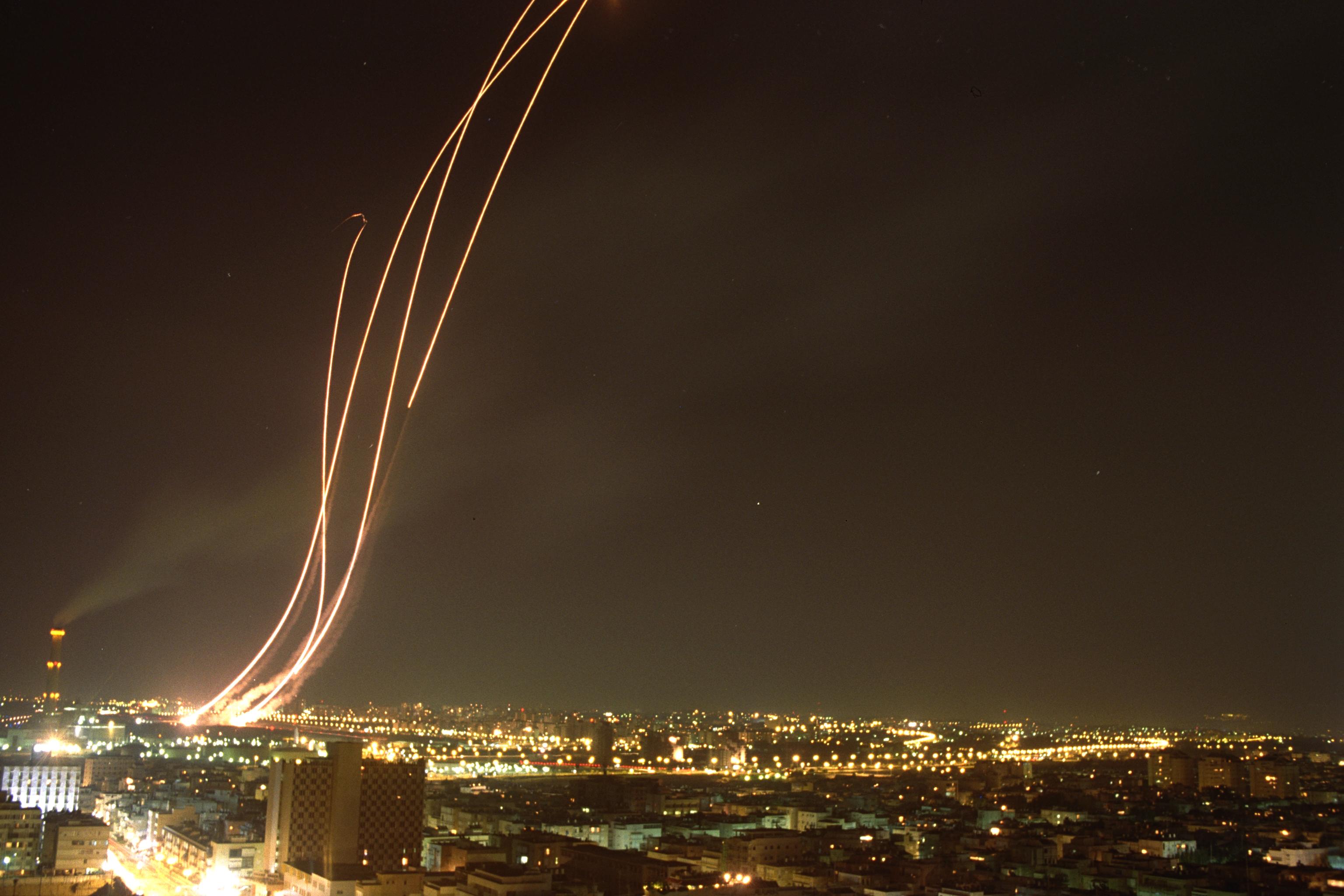
The count itself is worth pausing on. February 24, 2022, the day of Russia's full-scale invasion, was Day 1. Monday, October 26, 2026, is Day 1706 — more than four years and eight months later, in a war many governments initially measured in weeks. Ukraine has survived by layering defences: Soviet-era systems, Western Patriots and NASAMS, mobile gun teams, electronic warfare and, increasingly, interceptor drones of its own. Russia has adapted in parallel, shifting from occasional large missile salvos to a relentless mixed economy of cheap drones, decoys, guided bombs and selective missile use.
Two weekend developments, described by Zelenskyy in a TSN interview and covered separately by Signal Post News, frame Monday's frustration. U.S. missile-attack warnings, a quiet but vital flow of American early-warning information, were restored, and restrictions connected to Starshield satellite capacity were eased. Kyiv presented both as proof that parts of the security relationship are functioning again. That makes the unsigned Patriot paperwork stand out more, not less: if warnings can be restored, Ukrainians ask, why can paid-for missiles not move?
Diplomacy is moving on a separate, slower track. A humanitarian pause around Oleshky has been discussed for around October 27, but its start timing is not jointly confirmed — the White House, Russian and Ukrainian positions have pointed to different clocks, and no side should be reported as having agreed to a start time it has not accepted. Beyond that, technical and trilateral talks are expected in November in the United Arab Emirates, though Russian presidential aide Yuri Ushakov has cautioned that a deal "still needs work." Meanwhile a Trump administration diesel deal with Russia, and U.S. criticism of Ukrainian strikes on Russian refineries, have raised tensions Kyiv feels it cannot afford to voice too loudly, given how much of its air defence still runs through Washington.
Who benefits, who loses
In the narrowest sense, delay benefits Russia's attrition model. Every interceptor not delivered increases the chance that cheap drones do expensive damage, and forces Ukraine to spend its scarcest missiles earlier. Ukraine's energy grid loses, as do civilians in front-line regions under the guided-bomb tempo Zelenskyy cited. European allies who paid under PURL lose credibility if money committed does not visibly become protection. The United States, defenders of the pause argue, preserves stockpile depth and leverage, and avoids a precedent that allied funding alone can compel transfer timelines. Sceptics answer that leverage unused while an ally is struck nightly is indistinguishable, to the ally, from indifference.
What happens next
The immediate watch is procedural, which is itself the story. Kyiv says its team has been instructed to raise the Patriot and NASAMS sign-off with the American side once again. A signature would not put missiles over Ukraine overnight, but it would convert a political argument back into a logistics schedule, and Ukrainian officials would be able to plan battery coverage around known delivery dates rather than hope. Watch also for whether Rubio's formulation — delay acknowledged, politics denied — is repeated or replaced by a firmer delivery commitment.
On the battlefield, expect the pattern in this Ukraine war Day 1706 briefing to repeat rather than resolve: nightly drone waves in the low hundreds, guided bombs along the front, and Ukrainian claims each morning that must be read as claims until corroborated. The Oleshky pause, if its timing is ever jointly confirmed, will test whether humanitarian arrangements can hold even briefly. The November talks in the Emirates will test something larger. Until then, Ukraine's position can be summarised in the two counts from Monday morning: 140 drones came in the night, 112 were stopped, and the missiles Kyiv wants for the next night are, on its account, still waiting on a desk in Washington.
Read next: Ukraine war Day 1705 briefing and Zelenskyy on 2,300 drones in one week.