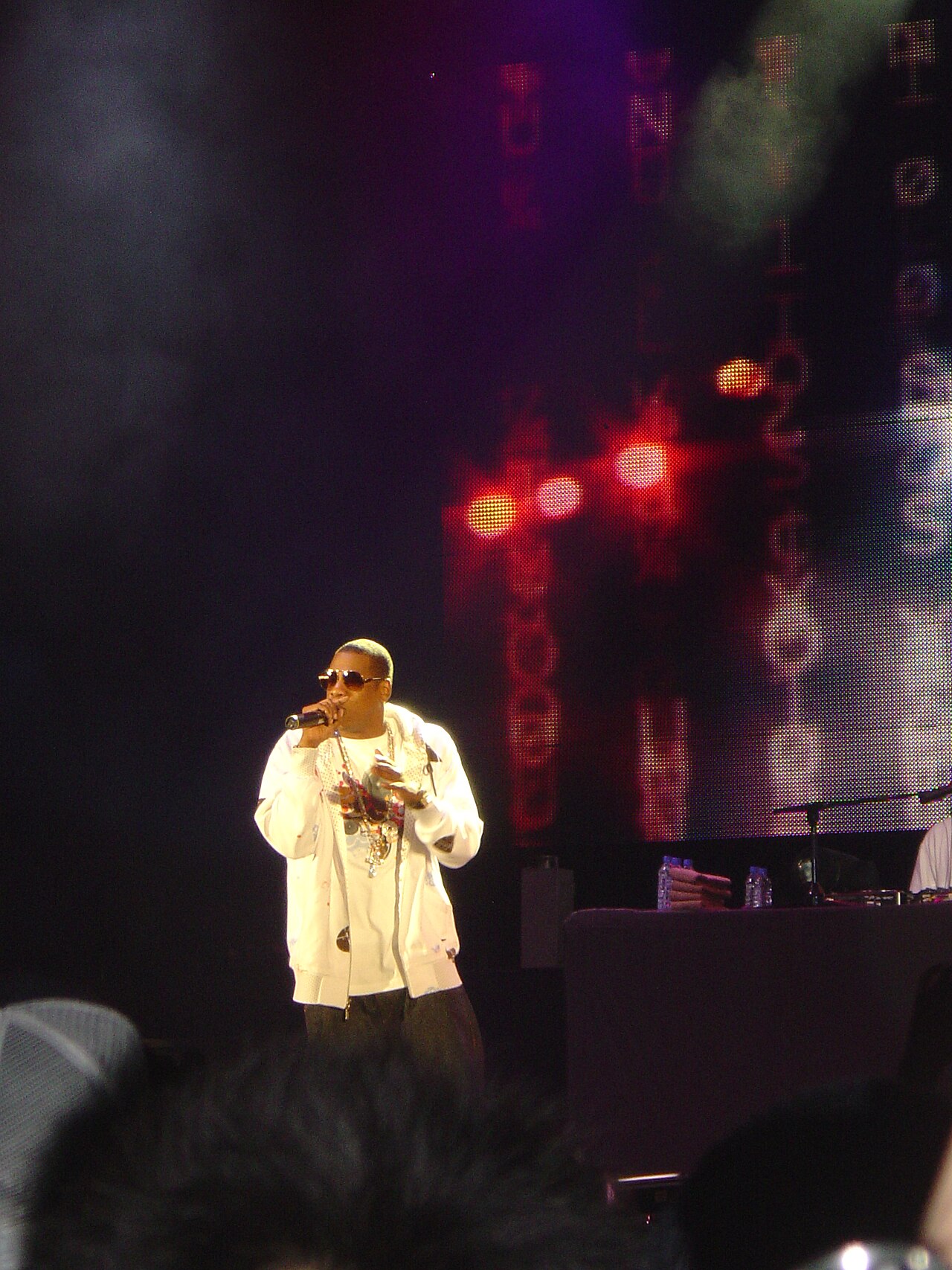
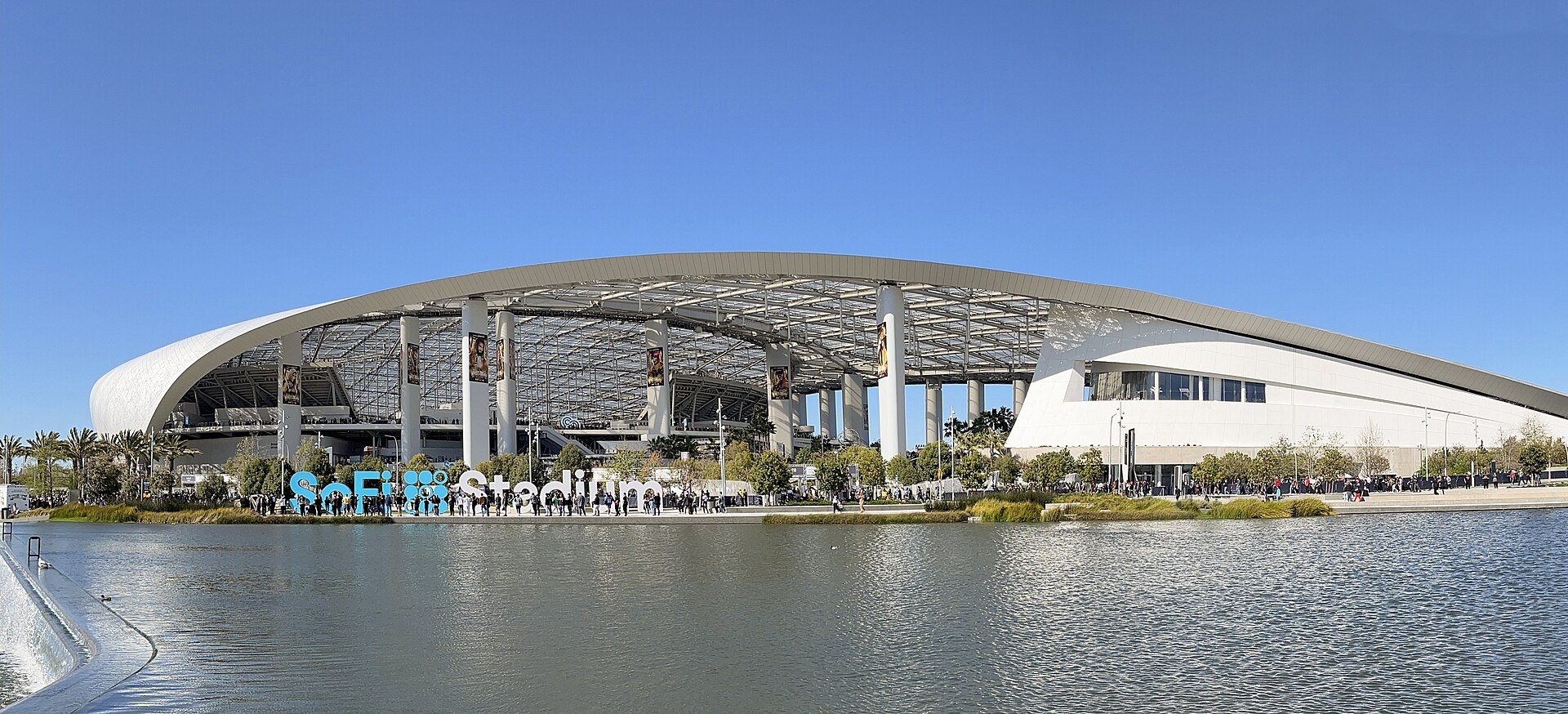
The Jay-Z Super Bowl halftime show is no longer a rumour. The NFL, Apple Music and Roc Nation announced on Monday night that Jay-Z will headline the Apple Music Super Bowl LXI Halftime Show on February 14, 2027, at SoFi Stadium in Inglewood, California — ending a week in which the story leaked, the commissioner refused to confirm it, and the man at the centre of it said nothing at all. The announcement was made at halftime of the Dallas Cowboys–Philadelphia Eagles game at Lincoln Financial Field, the league confirmed, and it resolves the strangest open question in American entertainment: what happens when the person hired to choose the Super Bowl halftime performer finally chooses himself?
From leak to official in six days
The timeline is the story. On Tuesday, October 20, Puck's Dave Brooks reported, citing multiple sources, that Jay-Z had selected himself to headline Super Bowl LXI, passing over Miley Cyrus and Justin Bieber, who were both reportedly considered; TMZ reported that Harry Styles had also been in the running at one point. A day later, NFL Commissioner Roger Goodell was asked about the report at a news conference in New York after the league's owners met — and shut it down without shutting it out. "We haven't announced anything. Until we do, we won't make any comment on that," Goodell said, according to Front Office Sports, adding that he was not sure the report was even a leak. On Monday night, the league announced exactly what Puck had reported. In his statement, as reported by McGraw Media, Goodell said that when the NFL first struck its deal with Roc Nation, his one request was "that JAY-Z take the stage himself one day." Jay-Z, in his own statement, framed the booking as the long road from his 1996 debut album, "Reasonable Doubt," to the halftime stage.
That the confirmation landed during Monday Night Football was not an accident of scheduling. Super Bowl LXI will air on ESPN and ABC, and the announcement — trailed by Apple Music on social media at halftime ("GOAT's out of the bag") — turned a mid-season divisional game into the launch event for a show still more than three months away. It also landed in the building where Jay-Z had spent the weekend: he closed his "Jay-Z 30" anniversary concerts at SoFi Stadium on October 23 and 24, the Associated Press reported, in the same stadium he will now headline in February.
How the man who books the show came to book himself
None of this is possible without the deal that made it look inevitable. In 2019, Jay-Z's company, Roc Nation, signed on as the NFL's live music entertainment strategist — a partnership, reportedly worth about $5 million a year and renewed in 2024, that gives Roc Nation a central role in producing the halftime show and choosing its performer. Under that arrangement, the halftime stage has gone to The Weeknd, the Dr. Dre-led West Coast lineup that played SoFi Stadium at Super Bowl LVI, Rihanna, Usher, Kendrick Lamar and, last February, Bad Bunny. At the time the deal was signed, Jay-Z told Goodell, in the AP's account: "If this is about me performing at the Super Bowl, then we can just end this conversation now." Seven years later, he is ready to perform after all. He had left the door open publicly at least once before: at a red-carpet premiere in January 2024, he told Entertainment Tonight that choosing himself too early would have been selfish — then added, "Maybe one year." This is the year.
The résumé he brings to his own stage
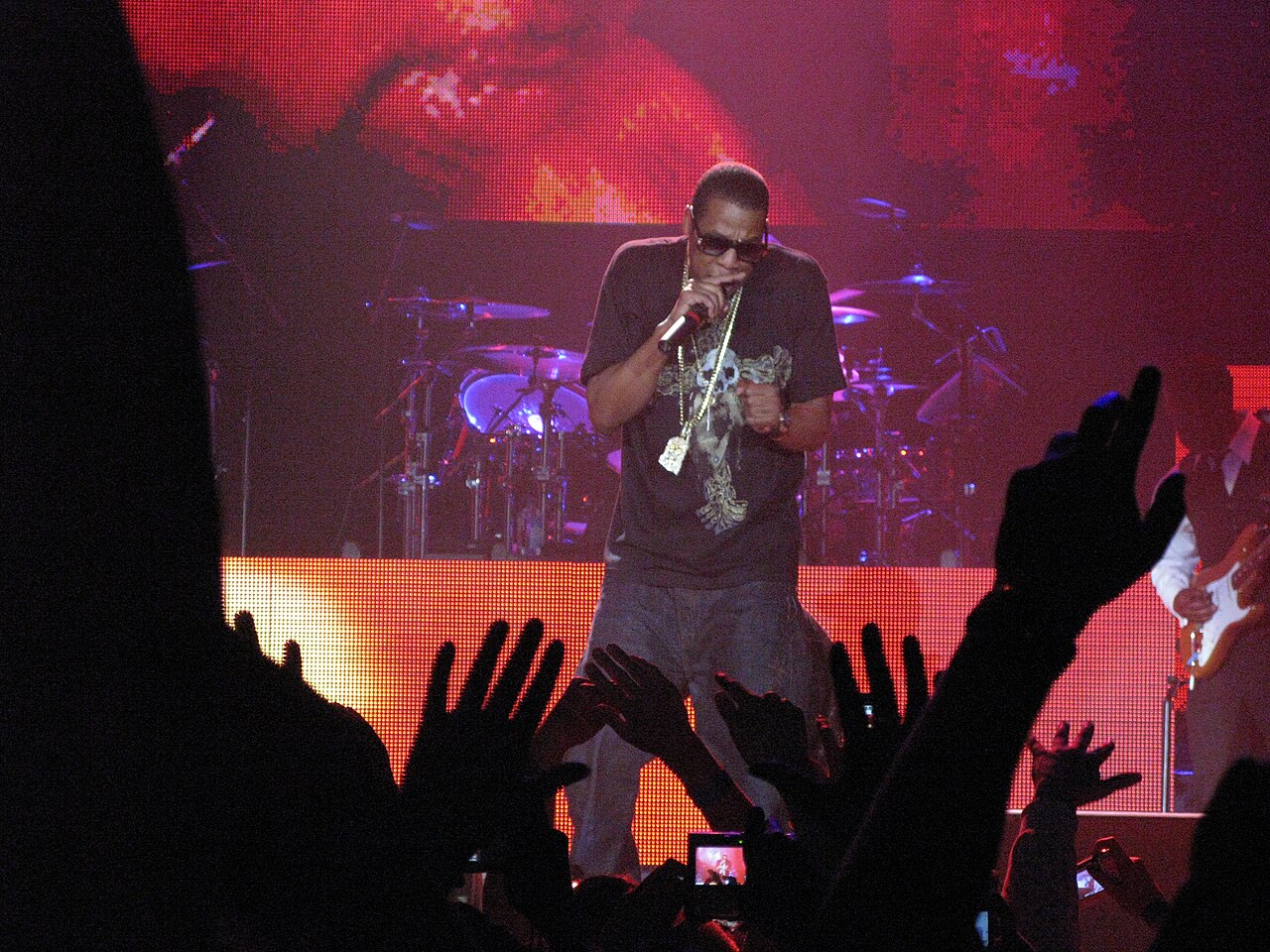
By the numbers, the booking is difficult to argue with. Jay-Z, 56, born Shawn Carter in Brooklyn, has won 25 Grammy Awards from 89 nominations — the second-highest nomination total in history, behind only his wife, Beyoncé, who has performed at two Super Bowls herself. He was the first rapper inducted into the Songwriters Hall of Fame, in 2017, and entered the Rock & Roll Hall of Fame in 2021. His catalogue runs from "Reasonable Doubt" — inducted into the Grammy Hall of Fame last year — through "The Blueprint" and "The Black Album" to "Hard Knock Life," "99 Problems" and "Empire State of Mind," his collaboration with Alicia Keys. The timing is layered with anniversaries: 2026 marks 30 years since "Reasonable Doubt" and 25 since "The Blueprint," and Jay-Z has spent the autumn marking both on stage, with three sold-out nights at Yankee Stadium that reportedly grossed more than $42 million, plus stops in London and Paris. What he has not done is release an album since 2017's "4:44" — or headline the show he has spent seven years producing for other people.
Why this matters
Start with what the halftime show has become under Roc Nation: arguably the most valuable twelve minutes in music. The NFL does not pay halftime performers, but the exposure is its own economy — Bad Bunny's performance last February drove a reported 175 percent jump in his U.S. streams on the Monday after the game. A headliner slot is therefore not a gig; it is a coronation the industry awards to an artist at a commercial peak. That is precisely why Jay-Z's self-selection drew an immediate, predictable line of criticism — the selector selecting himself — and why the league's framing on Monday night mattered. Goodell's "one request" line was doing specific work: it recast the booking not as Jay-Z taking the prize, but as the NFL finally collecting on a wish it had held since 2019. Both readings can be true at once, and both will follow this show to February. The honest test is the one every Roc Nation-era headliner has faced: whether the performance itself settles the argument about how it was booked. Rihanna's, Usher's and Kendrick Lamar's shows all did. If Jay-Z's does, the process story dies by kickoff of the second half. If it doesn't, Monday's announcement becomes the exhibit.
There is a second, quieter significance. The Roc Nation era was sold in 2019 as a cultural bridge — hip-hop, long shut out of the halftime stage, would shape it. Seven years on, the bridge's architect walking across it himself, at 56, on the 30th anniversary of his debut, in a stadium in the city that produced the Dr. Dre halftime show he curated, is the fullest statement of what that era changed. It is also, commercially, the safest bet the league has made in years: a catalogue three decades deep, instantly recognisable across the exact generations that buy Super Bowl advertising, and — after Cyrus, Bieber and Styles were all passed over — a choice that asks nothing of the audience it most needs to keep.
Both sides
The case for the booking is the résumé, the timing and the commissioner's own words: if Goodell really has wanted this since 2019, and if the architect of the modern halftime show was always going to take the stage eventually, then an anniversary year in Los Angeles is the moment. Supporters also note the obvious — prediction markets had Jay-Z as the favourite for weeks, at one point priced above 50 percent, which suggests the public read this as a consensus choice rather than a coup. The case against is the process, and it is not trivial: no other performer in the show's history has held the curator's job while taking the headline slot, and Cyrus, Bieber and Styles were, on the reporting, considered and passed over by a process in which the eventual winner sat at the centre. Critics will call that a conflict of interest whatever the performance looks like. Between the two sits the league's own recent history: the halftime show has survived, and thrived through, controversy in almost every recent year, and the NFL's consistent position has been that the show is the answer. Monday's statements suggest the league intends to run exactly that play again.
What happens next
No guests have been announced, and any names now circulating — Beyoncé, who has joined Jay-Z on stage before and performed at two Super Bowls; the Fugees, whose reunion has been part of his anniversary year; Alicia Keys — are fan speculation, not bookings, and should be read that way until Roc Nation or the NFL says otherwise. What is fixed is the date and the stage: Sunday, February 14, 2027, SoFi Stadium, Inglewood, on ESPN and ABC — SoFi's second Super Bowl in five years and the ninth in the greater Los Angeles region. Between now and then, watch for three things: whether Jay-Z releases new music for the first time since "4:44" to carry into the show, whether the guest list leaks the way the headline booking did, and whether the anniversary tour adds dates that turn the halftime show into the finale of a year-long victory lap. He told the league in 2019 that if the deal was about him performing, the conversation could end. On Monday night, seven years later, he started a different one.
Sources
Associated Press, via theScore, "Jay-Z to headline Super Bowl LXI halftime show," October 26, 2026 — thescore.com (the joint NFL / Apple Music / Roc Nation announcement, the February 14 SoFi Stadium date, the "end this conversation now" 2019 quote, the Grammy totals, the SoFi tour close). Fox Sports, "Jay-Z To Headline Super Bowl LXI Halftime Show in Los Angeles," October 26, 2026 — foxsports.com (announcement during halftime of Cowboys–Eagles, ESPN/ABC, the Roc Nation lineage of headliners). Delaware Online (USA Today Network), "Jay-Z named Super Bowl LXI halftime performer," October 26, 2026 — delawareonline.com (announcement made at halftime at Lincoln Financial Field). McGraw Media, "Jay-Z will headline the Super Bowl LXI halftime show," October 26, 2026 — mcgraw-media.com (the Goodell "one request" statement, Jay-Z's Reasonable Doubt framing, the Puck/TMZ shortlist history, tour grosses). NBC Sports / Pro Football Talk, "Report: Jay-Z selects Jay-Z to do Super Bowl LXI halftime show," October 20–21, 2026 (the original Puck report and Goodell's October 21 refusal to confirm, via Front Office Sports). Sporting News, Cowboys–Eagles live blog, October 26, 2026 (Apple Music's halftime announcement post). File photographs via Wikimedia Commons.