World — First Lady Melania Trump has secured a ceasefire between Russia and Ukraine localized to the city of Oleshky in the Kherson region, the White House announced on Friday, October 23, 2026. Both nations agreed to temporarily stop all military action in Oleshky from October 29 so humanitarian aid can enter and residents can evacuate through a designated safe passageway, the Office of the First Lady said.

Track it live: Ukraine war map, live — Signal Post News tracker · Live war tracker — Signal Post News
WASHINGTON — The Melania Trump Oleshky ceasefire is, on paper, the narrowest agreement of the Russia-Ukraine war: not a general truce, not an energy pause, but a halt to all military action in a single front-line city, for a single stated purpose — to let aid in and let the people who remain there get out if they choose. Reuters reported on Friday that the First Lady had secured the ceasefire between Russia and Ukraine in Oleshky, to begin on October 29, citing the White House announcement. The statement from the Office of the First Lady said both nations agreed to temporarily stop all military action in Oleshky to allow humanitarian aid to enter and to prepare a civilian evacuation through a designated safe passageway.
“The situation in Oleshky is dire. Oleshky is a front-line war city on the brink of disaster,” the First Lady said in the statement. Its remaining population, she said, is comprised primarily of elderly residents who urgently need medical attention, medicine, food and clean water, who have limited electricity, live amid mined roads and endure regular military attacks. “It was abundantly clear that without my intervention, the possibility to bring humanitarian aid into the city and to evacuate the elderly would be impossible.” The announcement is the White House’s account of the agreement; no separate Ukrainian or Russian statement confirming the October 29 start had appeared in Friday’s wire reporting at the time of publication, and this article attributes the agreement accordingly throughout.
What the White House Says Was Agreed
The terms, as the Office of the First Lady described them, go further than a simple pause in firing. The First Lady and her representative worked directly with Russian and Ukrainian leadership to define the agreement’s objectives, technical procedures, timing, processes and terms, in her formal role as “Exclusive Intermediary,” the statement said. Non-military, civilian leaders from both countries will work together to visit Oleshky residents in their homes and determine the level of assistance each household requires. Residents who wish to evacuate will receive coordinated support and transportation to their preferred destination — “I anticipate some will want to go to Russia, and some to Ukraine,” she said.
Two operational details stand out. First, the mechanics explicitly include demining: both nations promptly assigned teams to coordinate the complex mechanics involved, including demining, the statement said — an acknowledgement that the road into Oleshky cannot be used safely until mined approaches are cleared. Second, an impartial American media organization has been secured to accompany and document the Russian and Ukrainian teams on the ground throughout the process, which the First Lady said “will play a significant role in ensuring that the wishes of each family are faithfully respected.” A documentation clause of that kind is unusual in a local truce; it is, in effect, a built-in witness, designed to make any coercion of residents — or any claim of coercion afterwards — harder to sustain.
The Town at the Centre of It
Oleshky sits in southern Ukraine, directly across the Dnipro River from Kherson, occupied by Russian forces since the opening phase of the invasion in February 2022. Before the war, roughly 24,000 people lived there. Today, the White House estimates, 1,700 to 2,000 residents remain — primarily older people who have been unable to leave, along with approximately 50 children — and there has been no formal demographic count in the city since 2022. After the destruction of the Kakhovka Dam in June 2023, approximately 90 percent of the city’s territory was flooded. The arithmetic of that decline is the story in miniature: a city of 24,000 reduced to fewer than one resident in twelve, and those who stayed are, by the White House’s own description, the people least able to leave on their own.
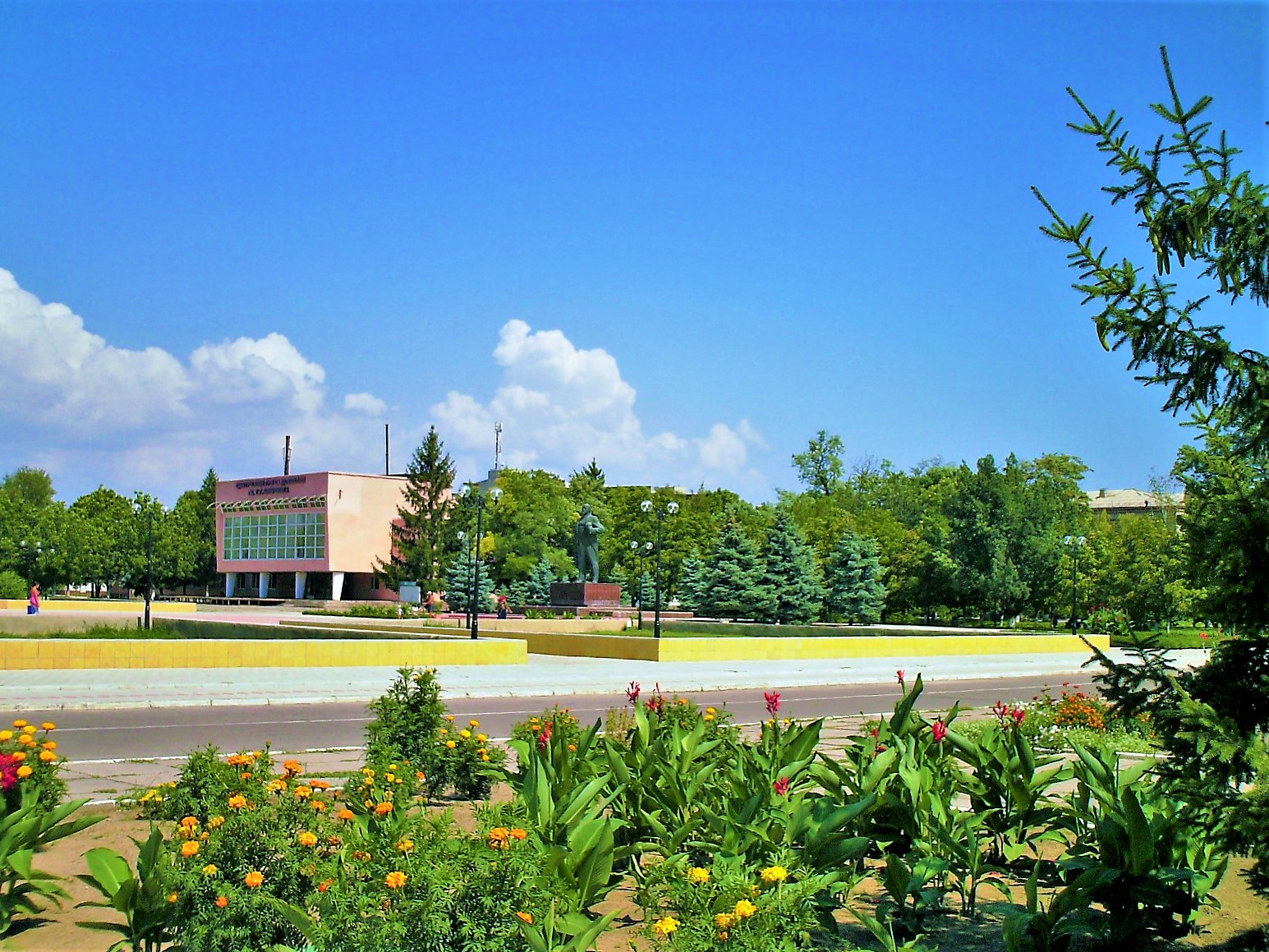
Signal Post News has covered Oleshky’s deterioration in stages. Ukrainian forces have flown food in by drone because the roads could not be used — see Drones Deliver Food to Russian-Occupied Oleshky as Ukraine Improvises Aid — and the town’s remaining access route became known locally as a road of death, as detailed in Starve or Risk the Mines: Inside Oleshky, the Ukrainian Town With No Way Out. Just last week, Pope Leo XIV telephoned President Vladimir Putin to ask for exactly this kind of local ceasefire so food and medicine could enter and civilians could voluntarily evacuate — a plea the Kremlin said Putin agreed to cooperate with, covered in Pope Leo Putin Oleshky Call: Pope Asks Putin for a Ceasefire to Feed a Starving Town. Friday’s announcement is the first claim by any party that a dated agreement, rather than an appeal, now exists.
How This Channel Was Built
The Oleshky file reached the First Lady, by her office’s account, during a private discussion at her Fostering the Future Together event in New York City during the 81st United Nations General Assembly in September. “My representative and I immediately leveraged the communication channel we established with Russia and Ukraine through the previous six reunifications of 34 children,” she said. “Both nations promptly assigned teams to coordinate the complex mechanics involved, including demining. All parties have worked around the clock since that moment.” Those six reunifications — 34 children returned to their families through a channel that began with her August 2025 letter to Putin on children affected by the war — are the factual foundation the White House is standing on: a narrow, case-by-case humanitarian track that produced verifiable handovers before it was ever asked to produce a ceasefire.
The Russian side had publicly acknowledged that channel two days before Friday’s announcement. At his St. Petersburg meeting with U.S. envoy Steve Witkoff on Wednesday, President Putin asked Witkoff to convey his gratitude to the First Lady — for her efforts to reunite children with their families, and, in presidential aide Yuri Ushakov’s account to reporters, for her mediation in resolving the acute situation in Oleshky. That meeting, and the release of American prisoner Stephen Hubbard that opened it, is covered in the St. Petersburg talks report. Putin’s thanks do not by themselves confirm Friday’s specific terms or the October 29 date, but they do confirm, from Moscow’s own briefing, that the First Lady’s office was an active channel on Oleshky before the White House announced a deal.
Why This Matters
The significance of a one-city ceasefire is easy to understate and easy to overstate, and both errors miss what is actually being tested here. The broader war diplomacy remains stuck on the questions that have stalled it for years — territory, security guarantees, sanctions — as President Putin restated in his television remarks this week insisting that talks must produce a final settlement, not a temporary pause. The Oleshky agreement deliberately asks none of those questions. It asks only whether two armies that cannot agree on a country can agree on a town, for long enough to feed it and to offer its elderly residents a documented, voluntary choice of where to go. If the answer is yes, the model — a named intermediary, civilian (not military) teams, demining as a shared technical task, and an outside media witness — becomes a template that could be pointed at other front-line communities. If the answer is no, it fails in full view, with dates and terms on the record.
The comparison that matters is with the war’s previous announced pauses. An “energy ceasefire” announced earlier this month was disputed within hours, with Kyiv reporting continued strikes and no agreed start time ever established. The Oleshky terms are constructed to avoid exactly that failure mode: a fixed future start date (October 29, six days out — time to clear mines and position aid), a defined geography (one city), a defined purpose (aid in, voluntary evacuation out), and a documentation mechanism. None of that guarantees compliance. Local truces in this war have repeatedly broken down, each side blaming the other, and a six-day runway is also six days in which the agreement can unravel before it begins. But judged against the war’s record of vague, instantly contested pauses, this is the most specifically specified humanitarian arrangement yet announced by any party.
What Has Not Been Confirmed
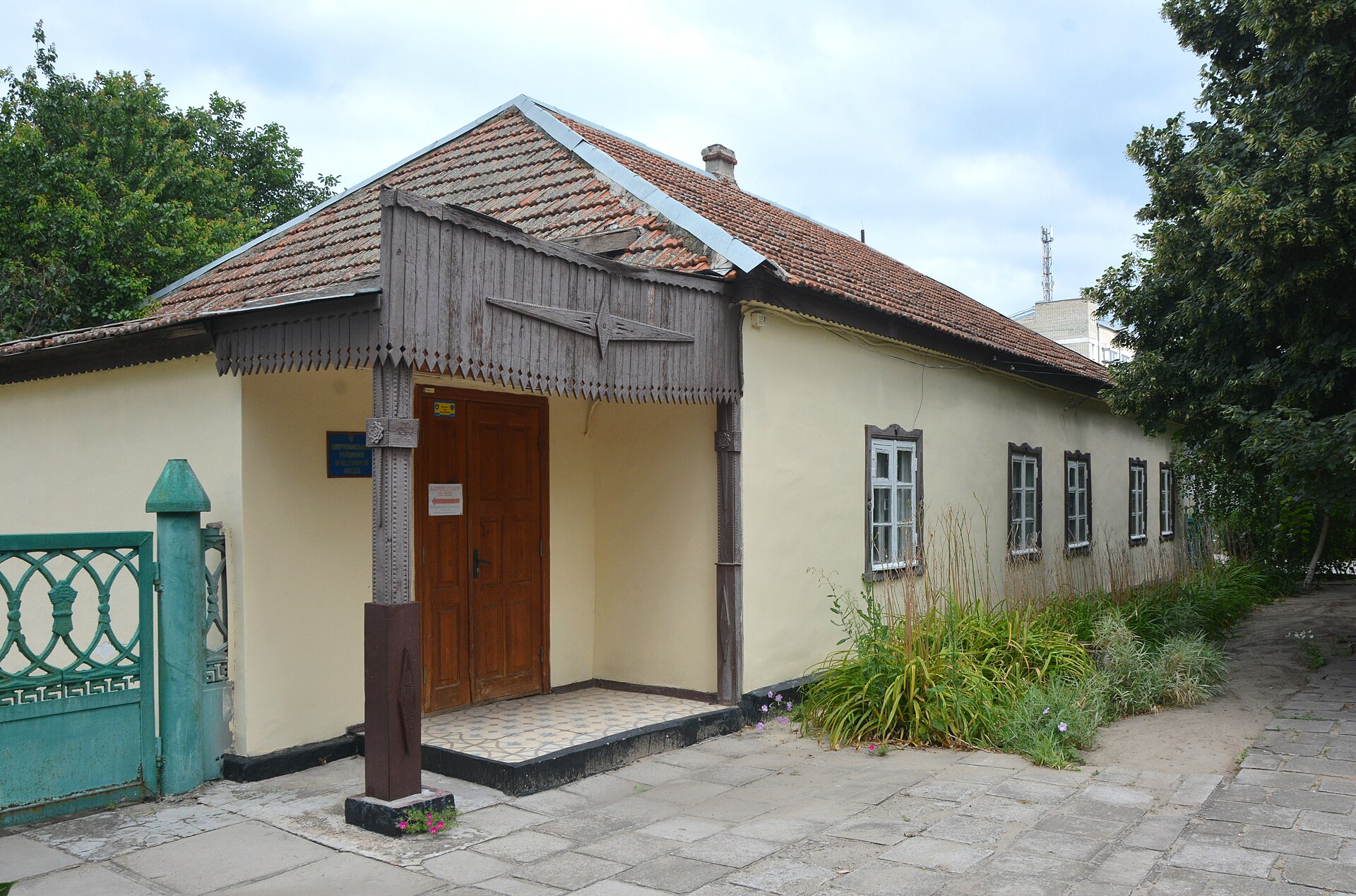
Balanced treatment requires stating plainly what Friday’s announcement is and is not. It is a White House statement, reported by Reuters, that both nations agreed to the terms. It is not yet accompanied, in the reporting available on Friday, by a Ukrainian government statement confirming the October 29 start, a Russian statement confirming the safe-passage arrangements, or any published text of the agreement itself. The two governments’ public positions on Oleshky before Friday were opposed in framing even where they overlapped in concern: Ukrainian authorities and international officials have accused the Russian administration of blocking aid and evacuations and of creating the town’s humanitarian catastrophe, while Russian officials have said their side is working on supply problems and blamed Ukraine for obstructing deliveries. Neither obstruction claim has been independently adjudicated. Ukraine had repeatedly called for a local ceasefire to allow evacuations, and, before Friday, Moscow had made no formal commitment to guarantee safe passage, according to earlier Associated Press reporting on the crisis. Readers should therefore treat October 29 as an announced start date to be verified against events — aid vehicles moving, firing stopping, residents being visited — rather than as a ceasefire already in effect.
What Happens Next
The next six days will supply the first evidence. Watch for three things. First, confirmation: a statement from Kyiv or Moscow acknowledging the agreement in their own words would convert a White House announcement into a two-sided commitment; silence, or a contradictory framing, would be an early warning. Second, preparation: demining teams and aid staging are physical activities that precede any ceasefire day — if they are observed and reported, the machinery is real. Third, October 29 itself: whether firing in and around Oleshky actually stops, whether the joint civilian home visits begin, and whether the accompanying media documentation is present as promised. Three scenarios follow. In the strongest, the pause holds, aid enters, some residents evacuate in both directions by their own documented choice, and the Oleshky model is cited in the next round of wider talks. In the middle scenario, the pause is partial or brief but the home visits and some deliveries occur — a limited humanitarian gain that still leaves a working channel behind. In the weakest, the date passes with no change on the ground, and the announcement joins the war’s long list of paper pauses. For the roughly 1,700 to 2,000 people still living in Oleshky, the difference between those scenarios is not diplomatic. It is food, medicine, clean water — and, for those who want it, a way out.
Sources
Reuters, “Melania Trump secures Oleshky ceasefire between Russia, Ukraine, White House says,” October 23, 2026. Office of the First Lady, The White House, “First Lady Melania Trump Secures Ceasefire Between Russia and Ukraine, Localized to Oleshky,” October 23, 2026 (terms, October 29 start date, town figures, Exclusive Intermediary role, demining and media-documentation provisions, six reunifications of 34 children). Sky News and Xinhua push alerts, October 23, 2026 (corroborating reports of the same White House announcement). TodayPress / TASS account of presidential aide Yuri Ushakov’s briefing, October 21, 2026 (Putin’s thanks to the First Lady for children reunifications and Oleshky mediation, conveyed via envoy Steve Witkoff). Background: Signal Post News Oleshky coverage linked above (drone food deliveries; the road-of-death investigation; Pope Leo XIV’s October call with President Putin).