Russia’s years-long campaign against Ukraine’s energy grid was not collateral damage. It was, a United Nations commission of inquiry concluded on Monday, a deliberate state policy to make civilians suffer — and it amounts to Russia war crimes Ukraine energy attacks on a national scale, alongside crimes against humanity. In a new report submitted to the UN General Assembly, the Independent International Commission of Inquiry on Ukraine found that Russian authorities committed the war crimes of intentionally directing attacks against civilian objects and the crimes against humanity of other inhumane acts through continuous attacks on Ukraine’s energy infrastructure. In a second, separate finding, the commission said it had gathered compelling evidence that Russian authorities trafficked men from 29 countries into their armed forces through deception and coercion. CNN, which reported the findings independently on Monday, said it had approached the Kremlin for comment. Russia’s mission to the UN responded on Monday that Russia does not recognize the commission’s mandate and claimed its findings were based on “falsified data,” the Associated Press reported; Møse noted that Russia has not responded to the commission’s own requests for comment on any of its reports.
Track it live: Ukraine war map · Live wars tracker
What the commission found on energy
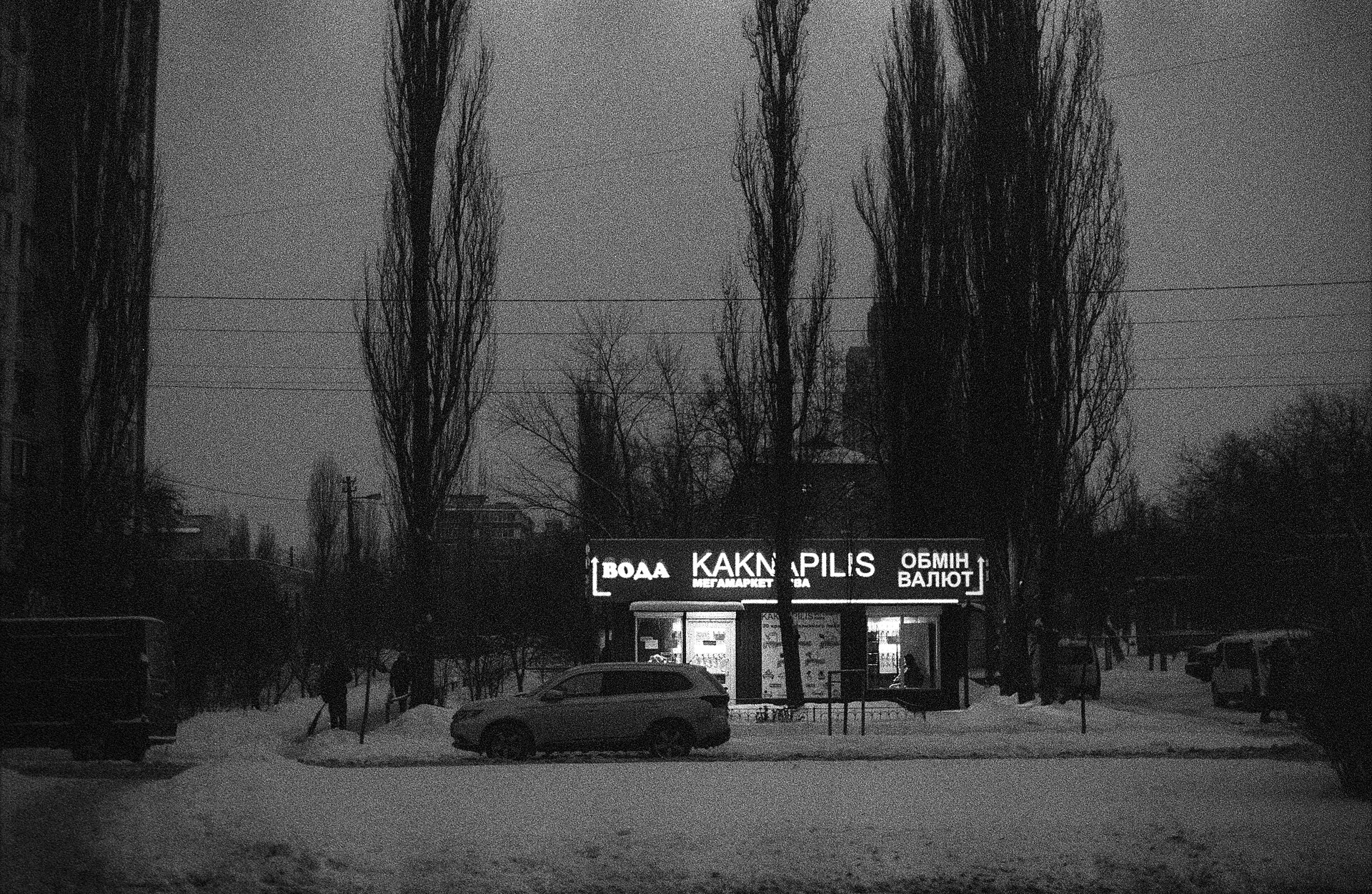
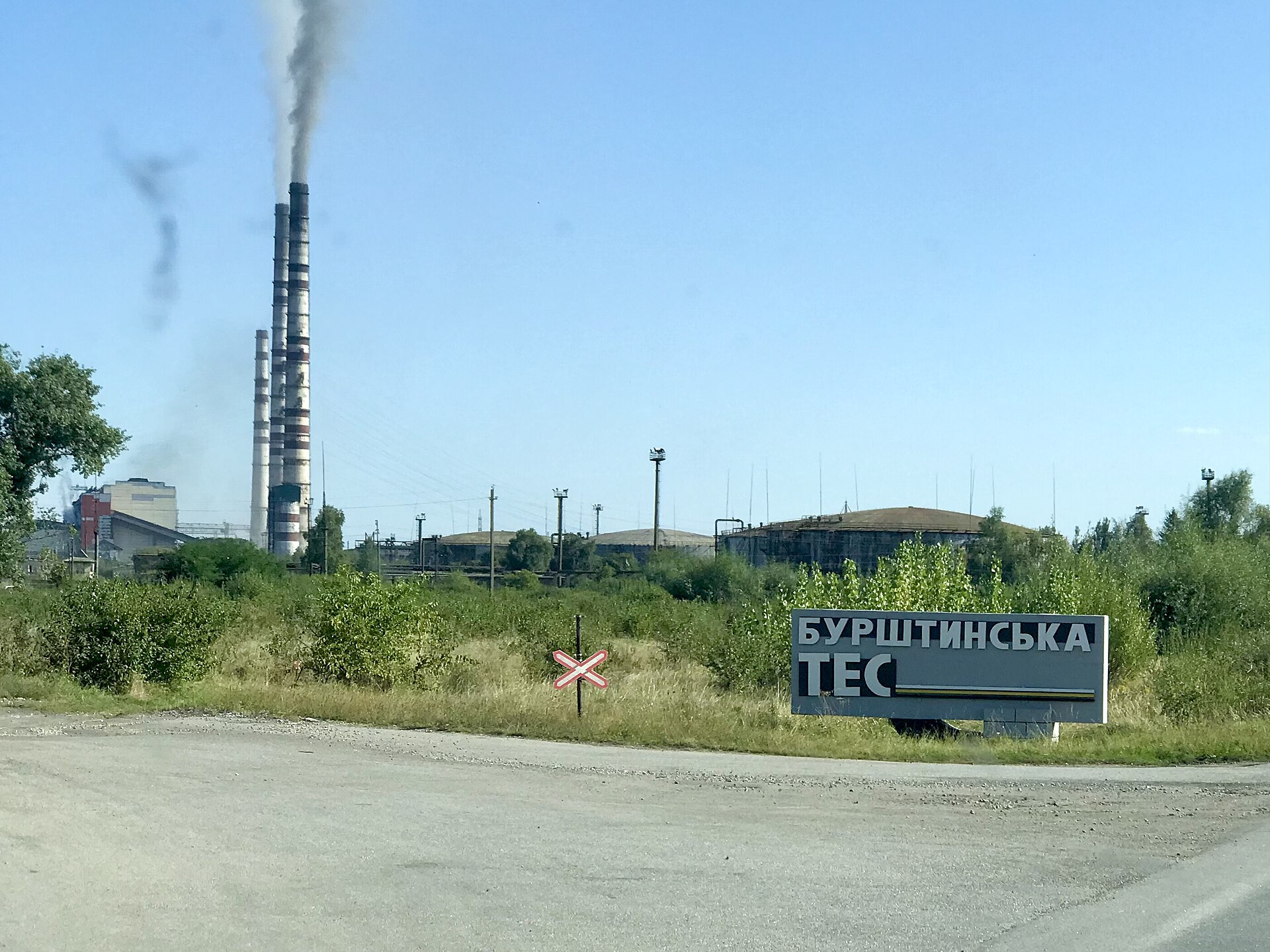
The commission investigated the impact of large-scale Russian attacks on Ukraine’s energy infrastructure during the severe winter of 2025-2026, and their cumulative effect since the waves of strikes began in autumn 2022. The frequency, intensity and geographic range of the attacks — systematic waves of hundreds of drones and missiles at a time — have increased over the years and inflicted significant damage on Ukraine’s energy sector, the report says. Last winter, when temperatures dropped to minus 21°C, millions of people faced lengthy outages of heating, electricity, water and gas. Kyiv has said the attacks cut thermal power generation capacity by 70 percent in the most affected areas, and CNN reported temperatures falling as low as minus 30°C on multiple occasions.
The legal conclusions turn on intent. The commission assessed that the Russian commanders ordering the attacks knew the heating facilities they targeted in large cities were indispensable to the civilian population, particularly in winter, and noted that Russian authorities had made official declarations about further attacks and a plan to carry them out — CNN cited an August declaration by Russia’s Ministry of Defence announcing energy attacks with the words: “In winter you will freeze.” On that evidence, the commission concluded the attacks were carried out with intent and pursuant to a state policy to deprive civilians of electricity and other essential services and cause suffering — the basis for the crimes-against-humanity finding. CNN reported that the report names President Vladimir Putin as having made statements instructing attacks on the energy infrastructure, and holds former defence minister Sergei Shoigu, his successor Andrey Belousov and Chief of the General Staff Valery Gerasimov responsible for planning and overseeing them. The International Criminal Court has previously issued arrest warrants for Putin, Shoigu and Gerasimov over alleged war crimes and crimes against humanity in a separate process.
The winter, in the words of the people who lived it
The report is built on the accounts of 255 people who endured the winter in nine oblasts — Dnipro, Kyiv, Kharkiv, Kherson, Mykolaiv, Odesa, Poltava, Zaporizhzhia and Zhytomyr — as well as Ukrainian authorities, doctors and non-governmental organisations. A 53-year-old man in Kyiv described staying awake at night for fear of dying in his sleep from the cold: “The scariest thing was to fall asleep and not to wake up; it was like torture to be scared of dying from cold.” A 74-year-old woman in Kyiv said: “I lay cold and hungry, without medicine, without anything.” A woman in Dnipro told investigators: “Cold — it paralyzes you; there’s simply no way to get warm, and terrifying thoughts come into your mind.” Hospital staff reported treating frostbite and hypothermia patients who had developed the conditions inside their own unheated homes, and Ukraine’s medical authorities documented deaths from low temperatures in homes and even in hospitals, according to the report.
Older people and those with reduced mobility were hit in a specific, mechanical way the report spells out: because a sudden power cut can trap a lift between floors, many could not use elevators during air-raid alerts, and so remained in unheated flats without electricity, water, life-support devices or access to essential services while alarms sounded. Families faced lengthy school closures during the worst of the energy crisis, and children fell sick in unheated homes. “As the cold season approaches, the attacks have intensified once again, raising serious concerns about the threats to civilians’ lives and health,” said Erik Møse, the commission’s chair, as the new winter begins with Ukraine publicly short of air-defence interceptors. The pattern is the same one our coverage of Russian strikes that cut power to half a million Ukrainians and the UN monitors’ count in Ukraine’s September civilian toll has tracked strike by strike; the commission’s contribution is to name the policy behind the pattern.
Trafficked from 29 countries to the front line
The report’s second major finding concerns how Russia has filled its ranks. The commission found compelling evidence that Russian authorities trafficked persons from 29 countries, using deception and coercion in coordination with agents and agencies operating around the world. The agents presented themselves as legitimate, government-endorsed businesses, processed visas and travel documents for groups of recruits and in some cases travelled with them. On arrival, the men were forced to sign contracts — in Russian — with Russia’s Ministry of Defence. A 35-year-old woman whose husband was recruited from the Caribbean said: “They took his passport and just told him to sign here, here and here on the contract. It was only in Russian. He was totally pressured and had no choice.” Promised payments and bonuses were usually diverted by agents and commanders, passports and phones were confiscated, and contact with families was cut once the men were deployed, CNN’s account of the report adds. Many of the men have been killed or have gone missing; others surrendered or were captured and became prisoners of war. The commission called for all trafficked persons to be discharged from the Russian armed forces.
The commission drew an explicit contrast with Ukraine’s foreign recruitment: testimony it collected showed that those joining the Ukrainian armed forces did so knowingly and voluntarily, understood the contracts they signed and received their salaries. It also examined attacks by Ukrainian forces on energy infrastructure inside Russia and in occupied Ukrainian territory, but said it was unable to investigate their impact because Russia did not allow access and did not respond to its requests for information.
What Russia says — and what this report is and is not
Russia’s mission to the UN responded to Monday’s report by saying Russia does not recognize the commission’s mandate and claiming its findings were based on “falsified data,” the Associated Press reported; CNN said it had approached the Kremlin for comment. Russia has consistently denied deliberately targeting civilians throughout the war and describes its energy strikes as aimed at military-linked infrastructure — a position the commission’s intent findings directly dispute, and which readers should hold alongside Moscow’s past rebuttals of the commission’s earlier reports on deported children and sexual violence. Two distinctions matter. First, a commission of inquiry is not a court: established by the UN Human Rights Council in March 2022, days after the full-scale invasion, the three-member panel — Møse, Pablo de Greiff and Vrinda Grover — gathers and preserves evidence; it cannot convict anyone, and this report, its twelfth written report and fifth to the General Assembly, is written for governments and prosecutors, not judges. Second, its findings land in a live military argument: Ukraine is simultaneously pleading for the Patriot and NASAMS interceptors it says it has waited nearly a month for Washington to approve, the thread running through our Ukraine War, Day 1705 briefing, and Kyiv has eased its own strikes on Russian oil infrastructure after criticism from President Donald Trump, who blamed them for rising fuel prices.
Why this matters
Three things lift Monday’s report above the long shelf of Ukraine war documentation. First, the word “policy.” War-crimes findings about individual strikes are contestable strike by strike; a finding that freezing civilians was a state policy, evidenced by official declarations including an announced intention to make Ukrainians freeze, is built to survive that attrition and to anchor future prosecutions and reparations claims. Second, the trafficking finding widens the war’s legal map far beyond Europe: 29 countries across Africa, Asia, Latin America and the Caribbean now have citizens whom a UN body says were trafficked into a foreign army — each one a potential criminal case in a home-country court and a diplomatic problem for Moscow’s recruitment pipeline. Third, the timing is operational, not ceremonial: the report arrives as the next winter campaign is already intensifying and as Ukraine’s interceptor shortage becomes a public dispute with Washington. A legal finding that the energy campaign is a crime against humanity raises the political cost, for any government, of being seen to slow the air defences that blunt it.
What happens next
The General Assembly’s Third Committee takes up the report, and the immediate tests are concrete: whether the Kremlin or Russia’s Foreign Ministry adds its own rebuttal to the UN mission’s dismissal, whether any of the 29 countries named in the trafficking evidence opens its own investigation or demands its nationals’ discharge, and whether the ICC or national prosecutors cite the energy findings in filings. The honest base rate from the commission’s eleven earlier reports is that none of this changes battlefield behaviour quickly — Russia rejected its predecessors and the strikes continued. What changes, report by report, is the record prosecutors will eventually work from: 255 named-witness accounts, a documented chain of command running to the president, a defence-ministry declaration in its own words, and a number — 29 countries — that turns a recruitment scandal into a documented system.
Sources
UN Office of the High Commissioner for Human Rights, press release, October 26, 2026: “Russian authorities committed crimes against humanity through attacks on Ukraine’s energy infrastructure and trafficked foreign nationals to fight with their armed forces in Ukraine, says UN Commission of Inquiry” (ohchr.org), with the Commission’s accompanying press statement and UN News summary of the report. CNN, October 26, 2026: “UN panel: Russia is committing crimes against humanity by targeting civilians in Ukraine” (Ivana Kottasová). Associated Press, October 26, 2026: reporting of Russia’s UN mission response to the report and of Møse’s press-conference remarks (read via AP syndication), added at drain. The OHCHR and CNN sources were read in full by the staging run; agreed facts only are reported above, with single-source details attributed in the text.