Ukrainian intelligence says Putin orders target civilians in Ukraine without restraint — and a separate intercepted battle plan shows Russia preparing its largest-ever winter assault on the power grid, with nuclear plants in the crosshairs.
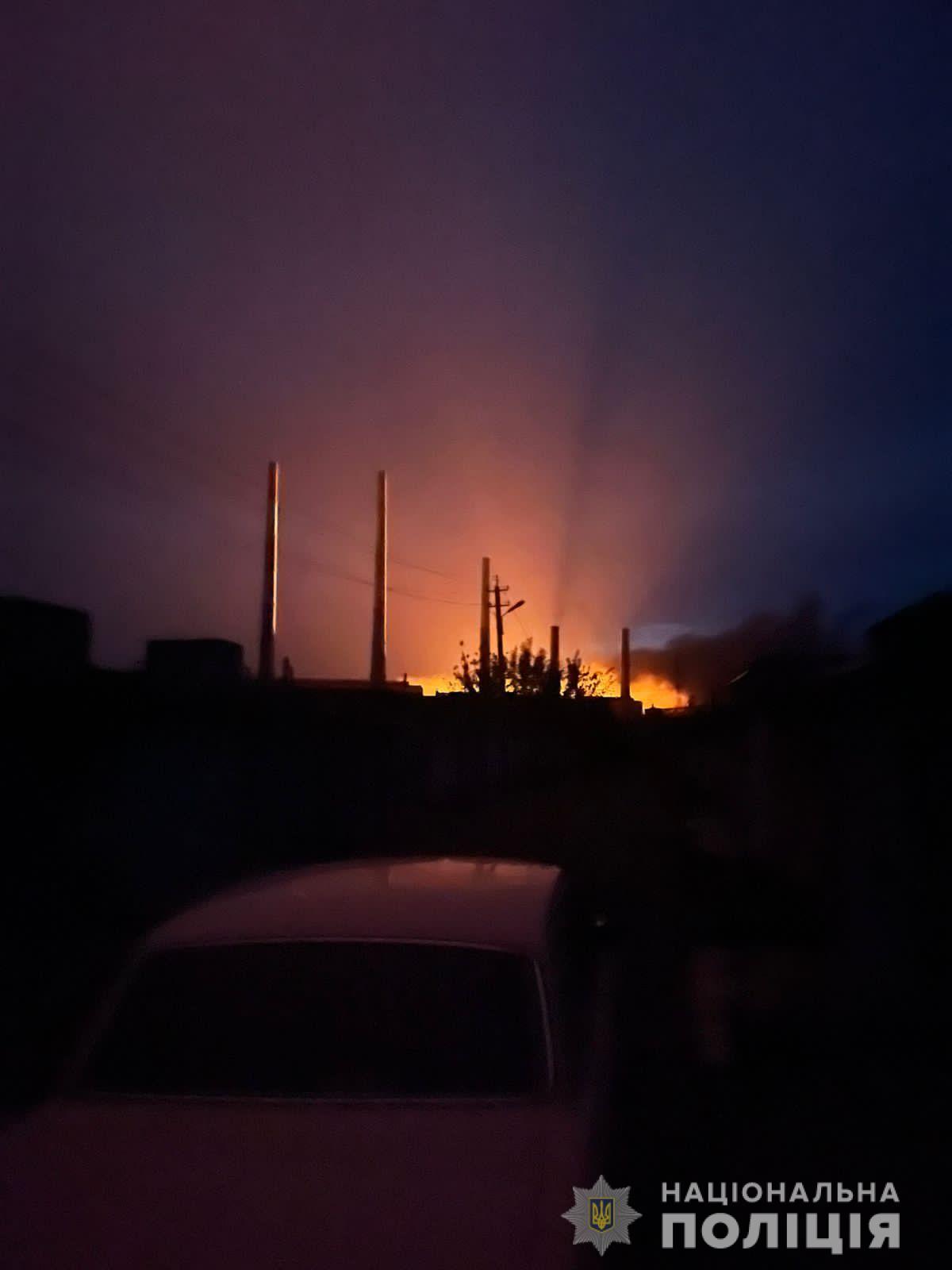
Putin orders target civilians in Ukraine without restraint — that is the allegation Ukrainian President Volodymyr Zelensky leveled this week, telling the Financial Times that intercepted intelligence shows Russia's president instructed his generals in September that "there are no rules now." The claim landed alongside a second, separately reported revelation: an intercepted Russian strategy document outlining Moscow's most devastating winter campaign yet against Ukraine's energy system, including plans to sever the country's three operating nuclear power plants from the electrical grid.
Taken together, the two disclosures sketch a grim picture of the war's next phase. After four and a half years of grinding conflict with a largely static front line, Russia appears to be shifting decisively toward a strategy of civilian punishment — hitting schools, hospitals, data centers, and now, Kyiv warns, the very infrastructure that keeps millions warm through winter.
Why this matters
This is not just another battlefield update. If the Ukrainian claims are accurate, they mark a formal doctrinal shift: the deliberate abandonment of even the pretense of distinction between military and civilian targets. International humanitarian law requires warring parties to distinguish combatants from civilians and to take precautions against civilian harm. A standing order to ignore those rules — if it exists as Zelensky describes — would represent one of the most significant escalations of the war.
The nuclear dimension raises the stakes further. Ukraine's three operating nuclear plants are the backbone of its power infrastructure. Russia does not need to strike the reactors themselves to cause catastrophe: the intercepted plan reportedly targets the electrical switchyards connecting the plants to the grid, situated less than a mile from the reactors. Forcing the plants offline in deep winter would not just darken cities — it would collapse heating, water, and sewage systems for millions.
For European policymakers, the allegations arrive at a moment of war fatigue. Kyiv warns that Moscow's destabilization tactics include triggering new refugee flows into countries like Poland, where anti-immigrant sentiment is already rising. A winter energy collapse would multiply that pressure enormously.
The intercepted order: "no rules now"
Zelensky delivered his warning from the underground bomb shelter of a Kyiv school struck hours earlier by a Russian jet-powered drone. The school's director said 104 students and 60 teachers survived because they reached the shelter before the weapon hit shortly after 9 a.m. The drone's 50-kilogram warhead pierced the floor but failed to detonate; the impact still damaged the building and started a fire.
Speaking to the FT, Zelensky said Ukrainian intelligence had intercepted communications showing Putin telling military leaders in September to abandon the constraints governing earlier air campaigns. "He said there are no rules now," Zelensky quoted. The order coincided with intensified strikes on Kyiv — schools, hospitals, telecommunications facilities, data centers.
Zelensky framed the shift as desperation: with the front line static and Russia unable to capture the eastern Donbas, Putin is now pursuing "massive attack[s], massive killing" — aiming not just to destroy infrastructure but "to pressure people," instill fear, and empty the cities.
Caveats apply. Kyiv has not released the intercepts; their contents could not be independently verified. Kremlin spokesman Dmitry Peskov denied deliberately targeting civilians. Treat the claim as an allegation from one party to the conflict — against a documented backdrop of strikes on civilian sites. Ukrainian records document 4,700+ attacks on educational institutions and 3,000+ strikes on healthcare facilities since 2022.
The winter campaign: up to 1,000 missiles aimed at the grid
The New York Times reported that Energy Minister Denys Shmyhal showed European partners in Paris an intercepted Russian strategy document — dated August, in Russian — detailing a three-stage winter campaign. Stage one: strike substations near the western border to sever European electricity imports. Stage two: hit hydroelectric plants, thermal facilities, and boiler houses. Stage three: force the three operating nuclear plants offline by firing missiles at the switchyards connecting them to the grid. The document estimates nearly 15 gigawatts of generating capacity destroyed.
The Times could not independently authenticate the document. But Putin has publicly threatened an expanded energy campaign, and Russia has run such operations every winter since 2022 — each with better weapons. This winter Moscow holds large ballistic-missile stockpiles and jet-powered drones that Ukrainian air defenses struggle to intercept.
Nuclear plants in the crosshairs
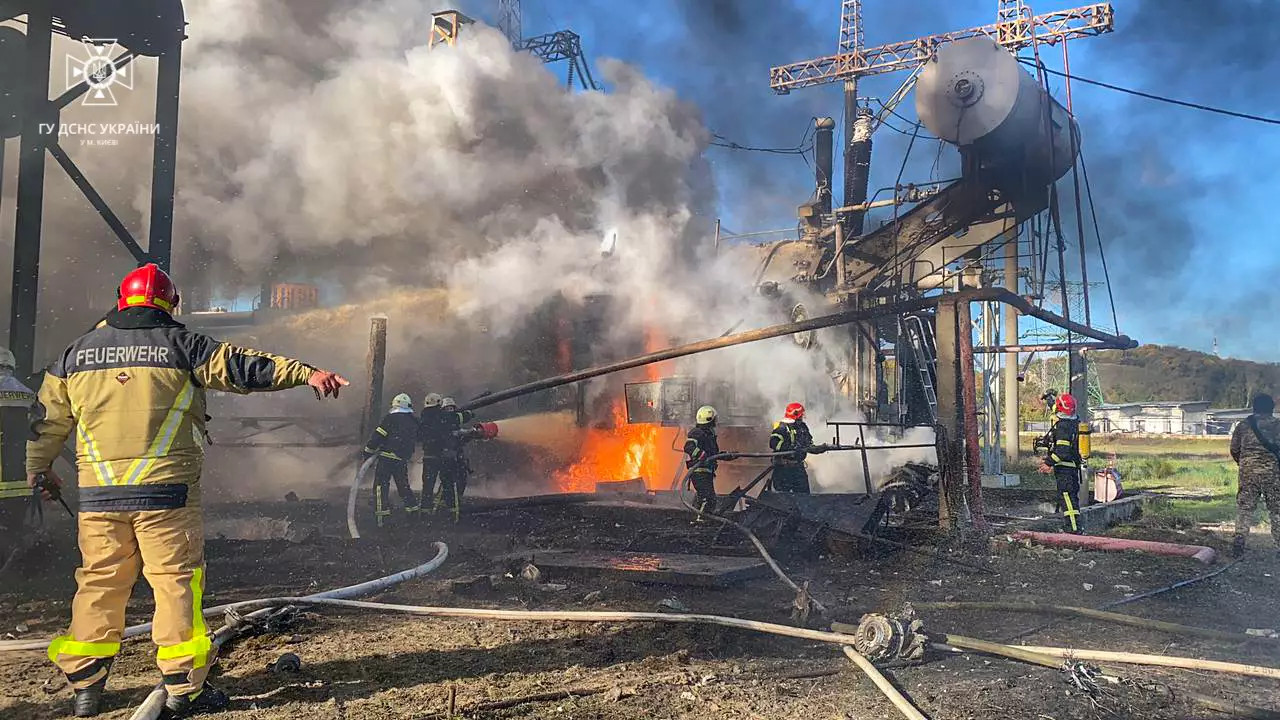
Ukraine operates three nuclear plants (7.7 GW combined); a fourth, Zaporizhzhia, is Russian-occupied and idle. Nuclear now provides up to 80 percent of consumed electricity, because strikes knocked out most thermal generation. Destroying switchyards — not reactors — lets Russia force shutdowns while claiming it never targeted nuclear sites. The switchyards sit under a mile from reactors, so misses carry catastrophic risk. Kyiv, Kharkiv, and Odesa are priority targets, with planners seeking 90 percent cuts to electricity and heating; pumping stations and wastewater plants are also named.
Who benefits, who loses
Russia: stalled on the battlefield, Moscow may see civilian suffering as its best lever — a winter collapse could force Kyiv toward talks on Russian terms in early 2027, while refugee outflows strain war-weary European allies. Ukraine: Kyiv is using the disclosures to rally Western support for air defenses and sanctions. Civilians: pay first — Kyiv's mayor calls the situation "critical"; a 90-percent heating cut in January would be a humanitarian catastrophe. Europe: faces renewed refugee waves and energy-market shocks from any nuclear near-miss.
The data
- 4,700+: attacks on schools documented since 2022
- 3,000+: verified strikes on healthcare facilities
- 1,000: missiles/drones/bombs in the intercepted winter plan
- 15 GW: generating capacity the plan aims to destroy
- 90%: targeted heating/electricity cut for Kyiv, Kharkiv, Odesa
- 80%: of Ukraine's electricity now nuclear-generated
What happens next
Best case: Western air defenses blunt the campaign; repairs hold; a mild winter limits suffering. Base case: severe but not total damage — expanded blackouts, weeks without reliable heat in several cities, mounting pressure for talks. Worst case: switchyard strikes force nuclear plants offline in deep winter; water and sewage cascade; a televised humanitarian emergency forces a crisis Western response. The war is entering its most dangerous winter — and Russia's campaign is converging on the civilian population as the target.
Related coverage
- Putin Abandons Rules of War, Zelenskyy Says in Financial Times Interview
- Russia Intensifies Strikes on Ukraine as Zelenskyy Hits Refineries
- Russia Warns Diplomats to Leave Kyiv Ahead of Massive Strikes
Sources
- New York Post (Oct 2, 2026)
- Financial Times — Zelensky interview (Oct 2, 2026)
- The New York Times — intercepted Russian winter strategy document
- The Times (UK) — winter blitz reporting
- Reuters — nuclear substation blackout analysis
Key phrases: putin orders target civilians ukraine, russia winter energy grid strikes, ukraine nuclear plants russia target