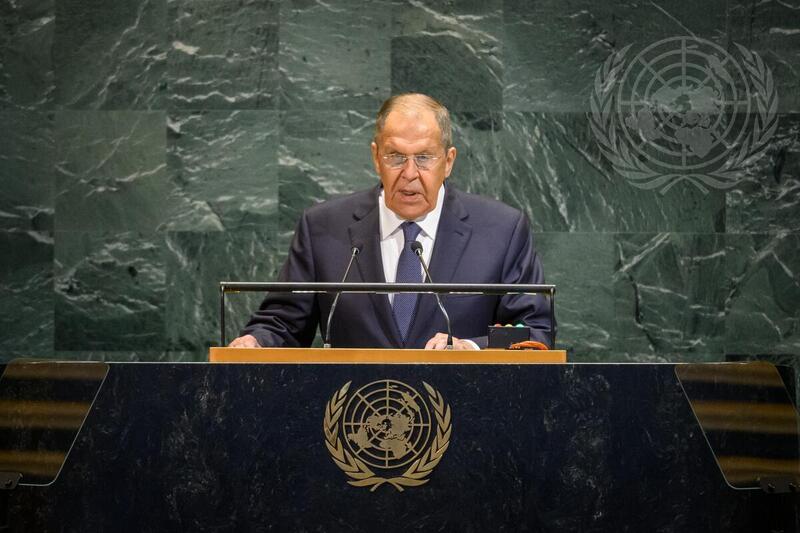
NEW YORK — Russian Foreign Minister Sergei Lavrov and German Foreign Minister Johann Wadephul met on September 26 on the sidelines of the United Nations General Assembly, opening the first Lavrov Wadephul meeting and the first direct Russia-Germany foreign-minister talks since before Russia's full-scale invasion of Ukraine in 2022. Wadephul had requested the meeting a day earlier, then used it to press Moscow to permit Black Sea grain exports and end the war.
The encounter produced no joint statement, no announced follow-up and no visible narrowing of the two governments' positions. Wadephul said Russia “must end its war of aggression against Ukraine and cease its hostile actions against Germany and its allies.” Lavrov's public response was dismissive: reporters asking what he thought of the meeting should “read my statement,” he said, framing the exchange as barely worth the trip.
That frost is the immediate story. The deeper one is that Berlin and Moscow chose to meet at all. In a relationship frozen for more than four years, even a combative conversation can test whether a practical issue — safe commercial shipping in the Black Sea — is capable of carrying diplomacy that the broader political channel cannot.
The frost, up close
There was no diplomatic choreography designed to imply a reset. Neither side announced a new negotiation format, and neither softened its account of the war. Germany remains one of Ukraine's most consequential European backers; Russia continues to describe Western military support for Kyiv as direct participation in the conflict. Their public language after the meeting reflected that strategic collision.
Wadephul's decision to request the discussion nevertheless imposed a useful test. It allowed Berlin to deliver its demands face to face and to hear whether Moscow would separate the grain issue from the wider war. Lavrov, meanwhile, could accept the contact without conceding substance. For both ministers, the format offered a low-cost way to measure the other side while limiting the political risk of appearing conciliatory.
The absence of a communiqué matters. It means there is no agreed wording on objectives, no timetable and no named working group. Analysts should therefore distinguish contact from progress: the meeting is evidence that a channel exists, not that an agreement is close.
Why this matters
Russia-Germany relations have moved from commercial interdependence to strategic hostility since 2022. Berlin abandoned its old assumption that dense energy and trade ties would restrain Moscow, increased defense spending and sent substantial military and financial support to Ukraine. Moscow, in turn, casts Germany as a leading sponsor of Kyiv and accuses it of reviving confrontation with Russia.
Against that background, a ministerial meeting can matter in three ways. First, it reduces the chance that messages pass only through public threats or third countries. Second, it tests whether a limited humanitarian or commercial bargain can be insulated from disputes over territory and security. Third, it gives other European governments a signal that direct contact with Moscow need not equal endorsement of Russian policy.
The risk is equally clear: both sides can use a meeting as theater. Berlin can say it delivered a hard message; Moscow can point to the contact as proof that isolation is failing. Without an agreed next step, the diplomatic value remains potential rather than achievement.
The grain gambit — the one track with substance
Wadephul's emphasis on Black Sea grain exports was not incidental. The earlier Black Sea Grain Initiative moved nearly 33 million tonnes of Ukrainian grain and other foodstuffs before Russia withdrew in July 2023. Re-establishing a durable arrangement would reduce risks to ships, ports, insurers and food-importing countries far beyond Europe.
A new Black Sea ceasefire proposal would also be narrower than a comprehensive peace negotiation. It could focus on merchant shipping, port infrastructure, inspection rules and reciprocal commitments not to attack vessels. Because the benefits are measurable — tonnage moved, insurance costs, port throughput and attacks avoided — compliance would be easier to evaluate than broad political promises.
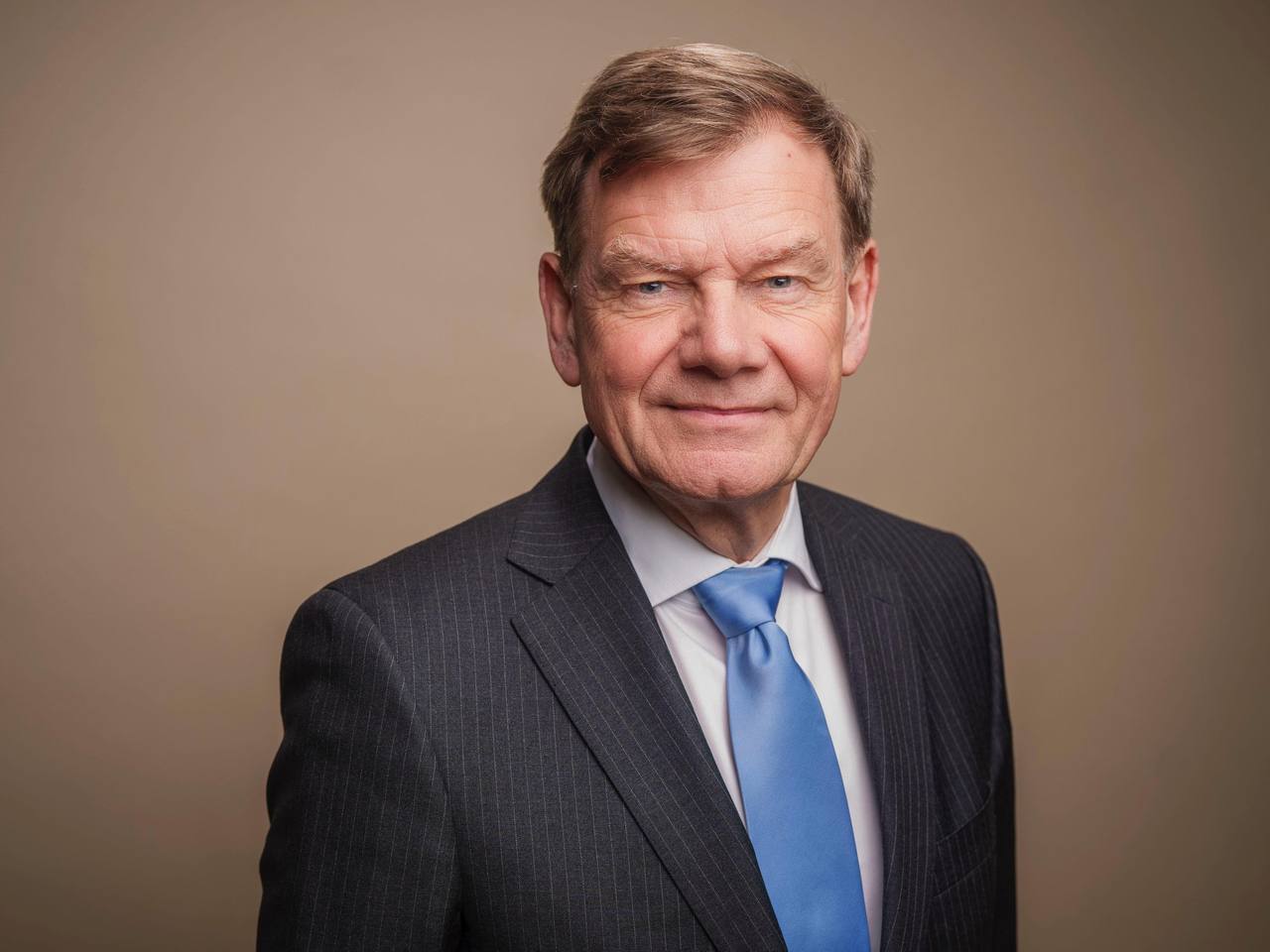
The obstacles are political as well as operational. Russia has previously linked shipping arrangements to sanctions relief affecting payments, insurance and agricultural exports. Ukraine and its partners fear that restrictions on strikes could shelter military logistics or allow Moscow to regroup. A workable deal would need precise geographic boundaries, independent monitoring and consequences for violations — none of which emerged from the New York meeting.
The Leipzig shadow
The talks came amid a separate dispute that has further poisoned relations. Germany attributed an August drone incident at Leipzig/Halle airport to Russia and responded by closing a Russian consulate and a Russian cultural centre. Moscow rejected the allegation as a “fabricated provocation” and “anti-Russian hysteria.”
That disagreement illustrates why even technical diplomacy is difficult. Germany sees hostile activity extending beyond Ukraine into allied territory; Russia denies responsibility and portrays the response as politically manufactured. The claims and counterclaims have not been reconciled in public, and the UNGA conversation did not produce an announced mechanism to do so.
The Leipzig/Halle airport drone incident therefore hangs over the grain discussion. Any maritime monitoring arrangement would depend on trust in attribution and verification — exactly the areas where the two governments now accuse one another of bad faith.
Who gains, who loses
Ukraine could gain if the contact produces safer navigation, steadier export income and reduced pressure on ports. It could lose if a narrow arrangement constrains Ukrainian operations while leaving Russian military logistics untouched, or if partners treat process as a substitute for pressure on Moscow.
Germany gains a direct channel and can present itself as pursuing both deterrence and diplomacy. The cost is political exposure: if Moscow uses the meeting to normalize relations without changing behavior, Berlin may appear to have offered access for nothing.
Russia gains evidence that major European governments still need to talk to it. It could also gain leverage over sanctions-linked shipping demands. But a verifiable grain arrangement would constrain attacks and expose violations, limiting the ambiguity that both militaries sometimes exploit around Black Sea incidents.
Food-importing countries and commercial shippers stand to gain most directly from any durable safe-navigation deal. Lower risk premiums and more predictable cargo flows would matter especially to states exposed to grain-price shocks. They also have the least influence over the political conditions blocking such an accord.
What the numbers say
The most important figure is nearly 33 million tonnes: the volume moved under the previous Black Sea grain initiative before Russia left it in July 2023. That scale shows a negotiated mechanism can operate during wartime, but also how much trade becomes vulnerable when the mechanism collapses.
The second number is four years. The gap since the last direct Russia-Germany foreign-minister talks spans the full-scale invasion, Germany's strategic policy shift and repeated rounds of sanctions and military support. One meeting cannot reverse that history. It can only establish whether officials are willing to define a problem small enough to negotiate.
The third measure is zero: no joint statement and no announced follow-up. For now, that is the clearest indicator of how little institutional momentum exists. Any claim of a breakthrough would go beyond the evidence.
What happens next — three scenarios
Scenario one: bilateral safe-navigation deals. Russia and Ukraine, working through separate intermediaries, make parallel commitments covering commercial vessels and port approaches. This is the most limited path and could advance without agreement on the wider war, but enforcement would remain fragile if each side controls its own interpretation of a violation.
Scenario two: linkage to an infrastructure ceasefire. Black Sea protections become part of a broader bargain covering ports, energy facilities and other civilian infrastructure. That would deliver more value and create a stronger rationale for monitoring, but it would also multiply the number of disputed targets and raise the political price of compromise.
Scenario three: no movement before winter. The meeting remains a one-off exchange, attacks and counterattacks continue, and shipping arrangements depend on unilateral corridors and commercial risk tolerance. This is the default outcome unless officials announce a follow-up channel or a mediator produces written terms.
Signals to watch are practical: whether Berlin or Moscow names working-level officials, whether Turkey or the United Nations is asked to mediate, whether shipping insurers are consulted, and whether Russia and Ukraine frame port protections in reciprocal language. Speeches will matter less than a document that specifies routes, prohibited actions and verification.
Call it the handshake that wasn't. Lavrov and Wadephul left New York without warmth, a joint statement or a promise to meet again. But diplomacy often restarts at the point of maximum disagreement, not after the disagreement has eased. If the contact produces nothing, it will confirm how completely Russia-Germany relations remain frozen. If it produces a tightly drawn Black Sea arrangement, the meeting will have shown that a practical bargain can survive even when the larger political relationship cannot.