Lead
Iran's Revolutionary Guard issued its bluntest warning in weeks on Monday: if the United States escalates the war, Iran will "change the geography of the war." Speaking through state media, IRGC spokesman Hossein Mohebbi declared that "the war is not over," that the Guard had prepared for a long-term conflict, and that it would bring "new weapons with new capabilities" into battle with targets that "will no longer necessarily be the same as before." Within hours of the statement, the British military's maritime trade center reported that an "unknown projectile" had struck a tanker as it headed into the Strait of Hormuz, injuring two crew members.
The pairing of threat and incident captures the strait's current reality: diplomacy is accelerating at the U.N. General Assembly this week, while the waterway itself grows more dangerous by the day. The International Maritime Organization said on September 16 that it had verified 80 attacks on merchant vessels in and around the strait since February 28, with at least 22 seafarer deaths.
What happened
According to the Associated Press, Mohebbi's statement — carried by Iranian state media — was explicit about escalation. "We will certainly change the geography of the war," he said. "We will certainly bring new weapons with new capabilities into the battle." He added that the Guard has targets "that have not yet been struck," and that Iran had prepared for a long-term war. The warning was aimed squarely at Washington, which has tightened a naval blockade on Iranian ports and, per President Trump's UNGA remarks on Tuesday, is weighing a "big decision" on the war's next phase.
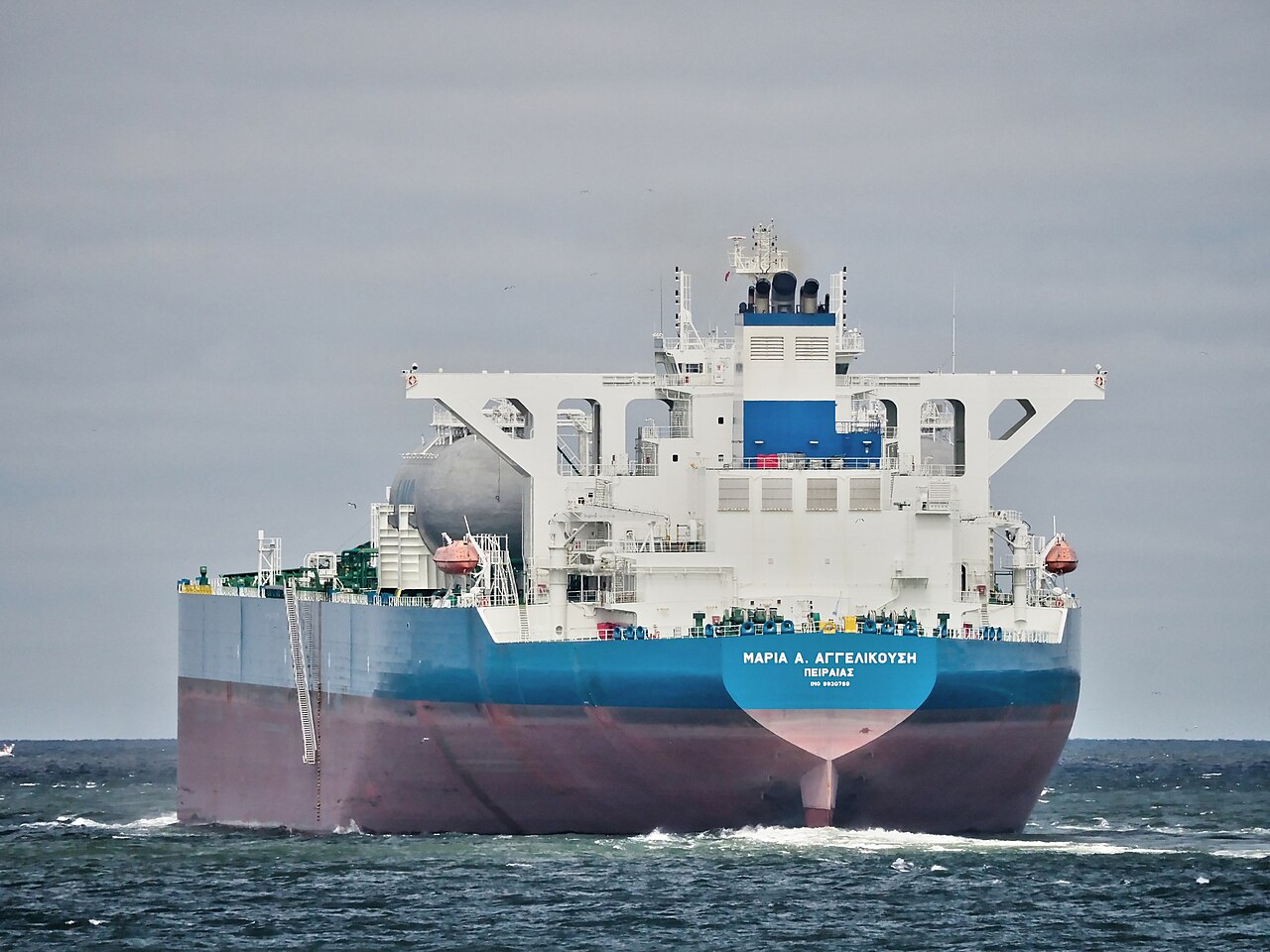
The same day, the United Kingdom Maritime Trade Operations center (UKMTO) — the Royal Navy body that monitors merchant shipping threats — said a tanker was struck by an "unknown projectile" entering the Strait of Hormuz. Two crew members sustained minor injuries. The vessel was continuing to its next port of call under its own power and that there were no reports of environmental impact. No one has claimed responsibility, and the projectile's origin is unknown.
The incident followed Iran's own claimed strike three days earlier. On September 18, Iran's IRGC Navy said it had struck and stopped the Togo-flagged tanker Trend during the night of September 17–18, accusing the vessel of an "illegal attempt" to transit the strait without authorization. IRGC Navy commander Rear Admiral Ali Ozmaei said the vessel was targeted after being "encouraged by the US military," and warned that unauthorized transit would result in "destruction" of the violating vessel. The Associated Press reported it could not independently confirm Iran's account. UKMTO separately reported a tanker struck by an "unknown projectile" while transiting out of the strait in the same window — it remains unclear whether that was the Trend or a different vessel.
Why it matters
The IRGC statement is significant for what it signals about Tehran's internal debate. While Foreign Minister Abbas Araqchi was in New York conveying conditions for reopening the strait (see "Iran Hands Washington Three Conditions to Reopen the Strait of Hormuz"), the Guard was publicly preparing the ground for escalation. That duality — diplomats talking, commanders warning — is the established pattern of this war: every negotiation round has been accompanied by military signaling designed to improve Tehran's bargaining position, or to give it an alternative if talks fail.
"Change the geography of the war" is the phrase to watch. It implies targets beyond the current theater — a threat that regional governments, from Riyadh to the Gulf sheikhdoms, will read as directed at them as much as at Washington. The Guard's reference to "new weapons" follows months of Iranian missile and naval-drone showcases, and its warning that targets "will no longer necessarily be the same" leaves the threat deliberately open-ended.
The tanker incidents matter because they show the strait's collapse is not theoretical. Whether the September 21 projectile came from Iran, its proxies, or another actor, the effect is identical: fewer shipowners willing to risk the transit, higher war-risk premiums, and a thinner margin before a miscalculation turns an "unknown projectile" into a wider confrontation.
What the numbers mean
The IMO's figures — 80 verified attacks on merchant vessels since February 28, at least 22 seafarer deaths — make this the deadliest sustained campaign against commercial shipping in decades. The human cost is concentrated among civilian crews from third countries, and each new incident tightens the insurance market that underwrites the remaining traffic. The AP's September 21 assessment remains the baseline: "Some tankers are again traversing the vital strait, but traffic is well below what it once was."
The military geography is widening in parallel: the same AP roundup noted Britain agreeing to provide aerial refueling for Saudi jets countering Houthi attacks in Yemen, where the WHO reported 164 killed and 516 injured between September 13 and 18 alone, with 674 deaths since August 6. The "resistance fronts" Tehran links to Hormuz diplomacy are active battlefields in their own right — which is precisely why Iran's demand to end the war on all fronts is so difficult to price.
What happens next
The next 48 hours belong to the diplomats in New York, but the strait will keep voting with projectiles. If the UNGA talks produce even a temporary navigation arrangement — Qatar has been pushing for one — the IRGC's warning may be read as successful coercion. If talks stall, the Guard's threat of new weapons, tactics and targets becomes the baseline for October.
Watch for attribution on the September 21 projectile: if evidence points to Iran or its proxies, Washington will treat it as a test of Trump's "big decision" rhetoric; if it stays unattributed, it joins a growing file of incidents in which the strait's dangers speak for themselves. Either way, the direction of travel is clear — the war's center of gravity keeps shifting toward the waterway both sides claim they want to keep open.
Sources and reporting notes
- Associated Press (via Barchart), Sept 21 2026: IRGC "change the geography of the war" warning; UKMTO "unknown projectile" tanker strike; Yemen casualty figures
- Associated Press (via WCIA), Sept 18 2026: Iran's claimed strike on the Togo-flagged tanker Trend; "destruction" warning; AP could not confirm
- Marine Insight, Sept 2026: IRGC account of the Trend interception; separate UKMTO incident report; IMO attack figures context
Reporting cutoff: September 22, 2026. The IRGC warning is reported via Iranian state media through the AP. Iran's claim to have struck the Trend has not been independently confirmed. The September 21 projectile strike is unattributed; UKMTO described the projectile as "unknown." IMO figures (80 attacks, 22+ seafarer deaths) are as reported by the Maritime Telegraph citing the IMO's September 16 statement.