Hezbollah Nasrallah anniversary speech
Hezbollah Nasrallah anniversary speechNaim Qassem speech September 2026Nasrallah killed 2024 anniversaryHezbollah break the resistance IsraelLebanon displaced 340000 housingHezbollah housing project displaced LebaneseIsrael Lebanon war March 2026Beirut southern suburbs Nasrallah ceremonyLebanon war displaced one millionHezbollah reconstruction Lebanon displaced
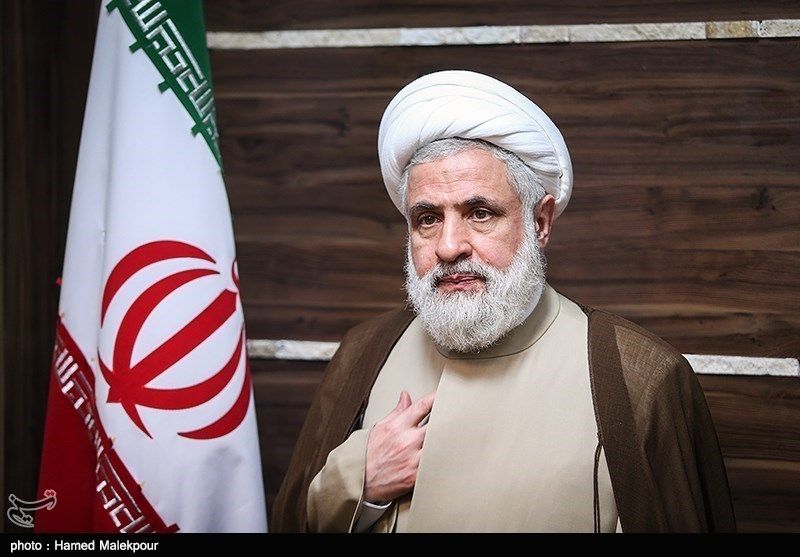
In the Hezbollah Nasrallah anniversary speech that Beirut had waited for, Hezbollah chief Naim Qassem addressed thousands of supporters in the movement’s southern-suburbs stronghold on Sunday, September 27, 2026 — exactly two years after Israel killed his predecessor Hassan Nasrallah — and delivered a double message: defiance of Israel, and a promise to Lebanon’s displaced.
Israel and its soldiers “were unable to achieve their goals to break the resistance, end its existence, consolidate the Israeli occupation and establish settlements in Lebanon,” Qassem said in the televised address, according to AFP. The declaration — that Israel had failed to “break the resistance” — is the core of Hezbollah’s survival narrative two years after the decapitation strike of September 27, 2024.
Qassem paired the defiance with a concrete pledge, reported by Reuters: “The party (Hezbollah) is committed to providing shelter, restoration, and reconstruction with the available resources and donations. The details of a new housing project for residents of villages that were completely destroyed will be announced very soon.” He added that the Lebanese state should have taken responsibility for sheltering and compensating the displaced: “It is still their duty to fulfil their responsibility regarding shelter, compensation, and all obligations related to reconstruction and restoration.”
Why this matters
The anniversary address is Hezbollah’s most important annual legitimacy ritual — and this one arrived at the group’s most precarious moment: it lost its charismatic leader of more than three decades, then watched the November 2024 ceasefire collapse into a new war that Reuters dates to early March 2026. A mass ceremony that proceeds on schedule, with thousands in attendance, is itself the argument Qassem is making: the organization Israel set out to destroy is still capable of filling a square.
The housing pledge matters because displacement is Lebanon’s open wound. More than a million people — nearly a quarter of the population — fled after the war escalated in March; most have since returned, but more than 340,000 remain displaced because their towns were destroyed or lie in Israeli-held areas, according to Reuters. For those families, Qassem’s promise is either a lifeline or a political instrument — or both.
By publicly shaming the Lebanese state while promising party-funded reconstruction, Qassem is reviving Hezbollah’s classic parallel-state playbook. The group’s welfare and reconstruction arms rebuilt the south after the 2006 war, and every rebuilt house was also a rebuilt loyalty. The implicit message to the displaced: the state failed you; we did not.
Israel’s government would dispute the “failure” framing — the IDF says it continues to degrade Hezbollah infrastructure, including a weekend strike on a weapons storage site in Sejoud, according to JNS. But by the maximalist aims Qassem ascribed to Israel — ending Hezbollah’s existence — the group’s continued public mobilization is a visible rebuttal.
Two years after the strike that killed Nasrallah
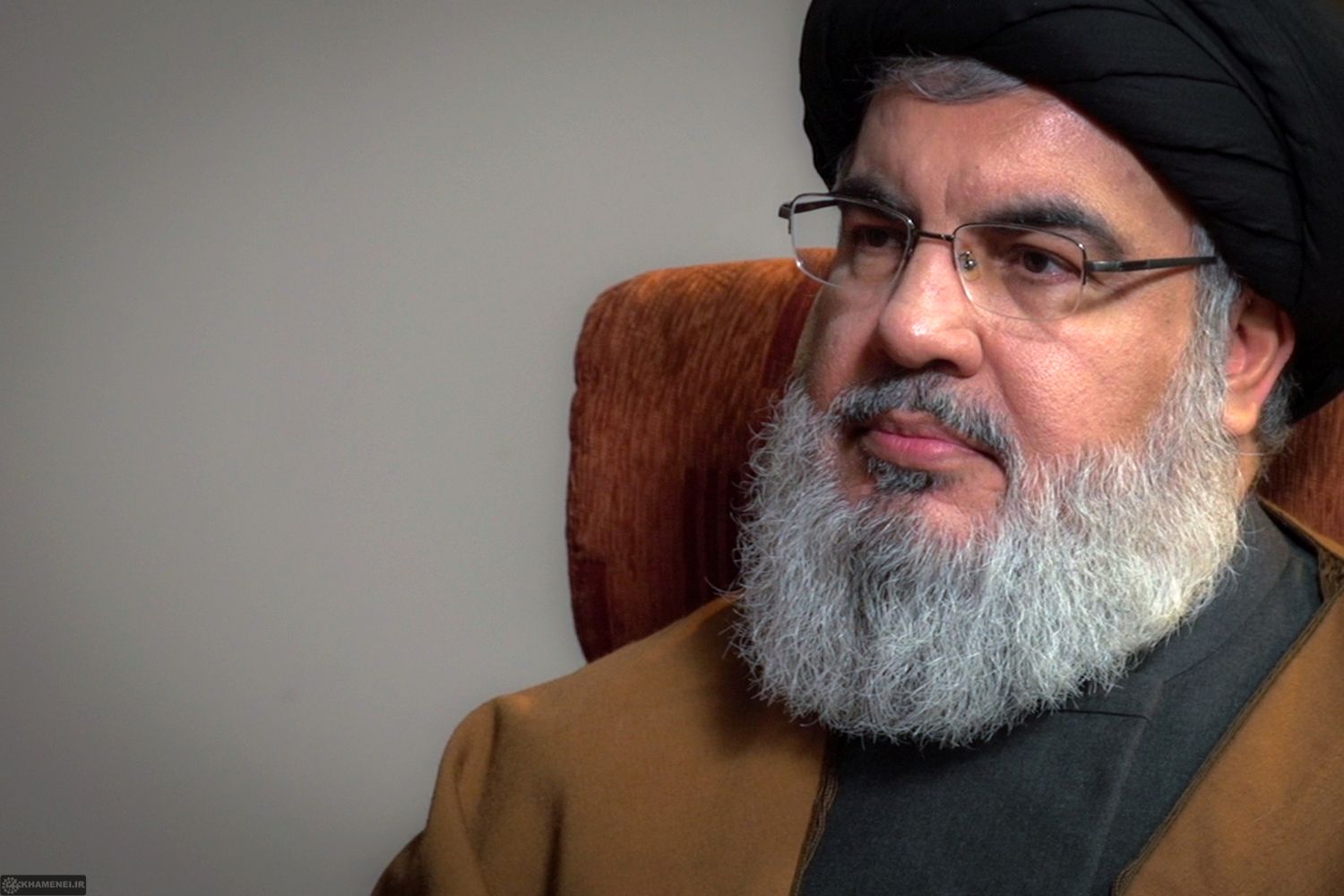
Nasrallah led Hezbollah for more than three decades until an Israeli bunker-buster strike on the group’s headquarters in Beirut’s Dahieh district killed him on September 27, 2024. Qassem, his deputy since 1991, succeeded him.
The November 2024 ceasefire that followed did not hold. Reuters dates the current war’s eruption to early March 2026, and the toll since March 2 is severe: more than 4,300 people killed, including over 250 children, and about 12,000 wounded, including roughly 1,000 children. On June 26, the United States brokered a framework agreement between Jerusalem and Beirut on disarming non-governmental armed forces, with pilot zones for the Lebanese army to take over — but Israeli forces still hold a security zone in the south, and the disarmament timetable is contested.
Sunday’s speech also landed amid fresh cross-border friction. A regional security index noted the first real exchange in over a week: an Israeli account of an explosive drone launched from Lebanon met retaliatory strikes across roughly nine locations, and Israel’s Haaretz reported that long-discussed Israel-Lebanon talks are now expected in October. Meanwhile, the war sits inside a wider bargain: Iran’s foreign minister told AFP this week that Tehran’s Hormuz proposal to Washington included a cessation of hostilities that covered Lebanon.
Who gains from the speech — and who is still waiting
Qassem himself consolidates the succession narrative: two years after inheriting a shattered command, he is still standing on a stage, still drawing thousands.
The displaced are the speech’s stated beneficiaries — but “very soon” is not a timeline, and no funding figure, location, or delivery date was announced. Until details appear, the pledge is politics, not housing.
The Lebanese state was publicly indicted by Qassem for failing its sheltering and compensation duties. Beirut is broke and politically paralyzed; whether the army can credibly fill the vacuum in the south — the premise of the June 26 framework — remains the unanswered question beneath every reconstruction promise.
Israel faces an adversary claiming vindication. Its security zone in southern Lebanon still holds the homes many displaced people cannot return to — the physical fact behind the 340,000 figure.
Iran, Hezbollah’s patron, gains a Lebanon card in its regional bargaining just as its Hormuz proposal puts the front on the table with Washington.
What the numbers actually say
Roughly one in three of those displaced at the war’s peak still cannot go home after nearly seven months. Lebanon’s population is about 5.7 million — so the peak displacement of more than a million people represented nearly a quarter of the entire country uprooted, a scale of internal displacement few modern wars have produced.
The casualty figures Reuters attributes to the toll since March 2 translate to roughly 20 people killed a day for seven months. Children account for more than 250 of the 4,300+ dead — about one in seventeen — and roughly 1,000 of the 12,000 wounded. These are Reuters-reported figures; they describe a war whose heaviest burden continues to fall on civilians.
What happens next
Four things to watch. First, the housing project details Qassem promised “very soon”: who pays, where it is built, and — the political core of it — whether the party or the state delivers. Delivery, not announcement, is the test. Second, the Israel-Lebanon talks expected in October, and whether the disarmament framework’s pilot zones produce a single handover the army can point to. Third, the Iran-US Hormuz track: if Tehran’s proposal — which its foreign minister says covered Lebanon — advances, Beirut’s front could quiet; if it collapses, the week’s first real cross-border exchange may not be the last. Fourth, the displaced themselves: 340,000 people heading into a second winter away from home. Every month without reconstruction hardens a political fact — whoever houses them owns their loyalty.
Sources
- Reuters, “Hezbollah plans to contribute to project to house thousands of Lebanese displaced, chief says” (reporting by Laila Bassam, September 27, 2026): reuters.com
- AFP, “Hezbollah chief says Israel unable to ‘break the resistance’” (September 27, 2026, 15:32 GMT), via PakistanTV Middle East live blog: pakistantv.com
Casualty and displacement figures are those reported by Reuters. Qassem’s remarks are drawn from the Reuters and AFP accounts of his September 27, 2026 televised address; background on the June 26 framework agreement is drawn from JNS reporting, and on the week’s cross-border exchange from a regional security index citing Haaretz. This article reports verified facts and clearly labeled analysis.