Hegseth Awards USS Abraham Lincoln the Presidential Unit Citation Before Its Record Homecoming
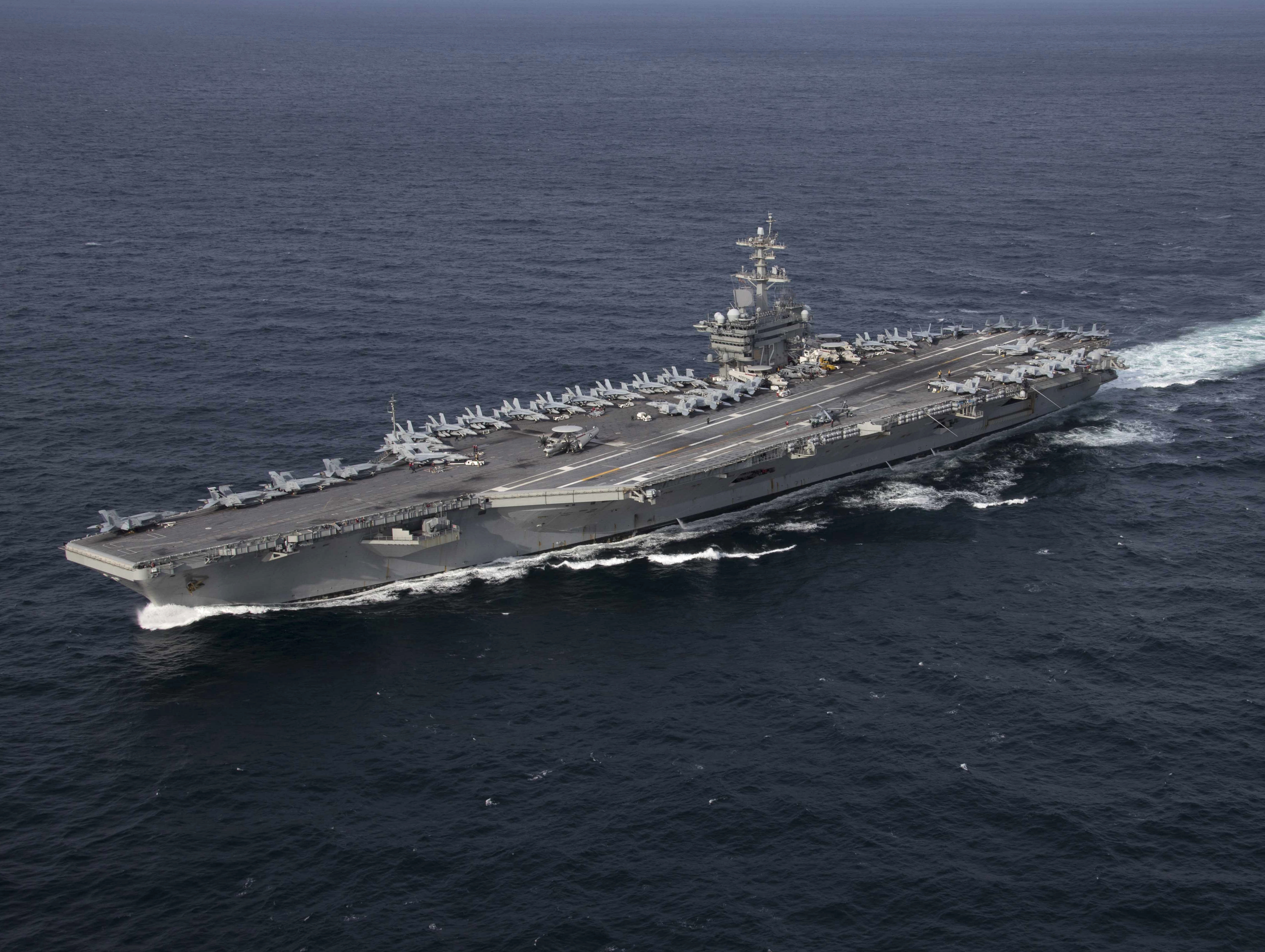
Hegseth USS Lincoln: The secretary of defense personally delivered the award to the crew of the USS Abraham Lincoln on Wednesday, October 7, bestowing the Presidential Unit Citation — the highest honor a military unit can receive, typically reserved for significant achievement in combat — on the carrier and its accompanying ships. Hegseth told the sailors they had “changed the arc of history” during 40 days of combat operations and an “ironclad maritime blockade” against Iran in support of Operation Epic Fury, the Trump administration’s code name for the Iran war.
What the award covers
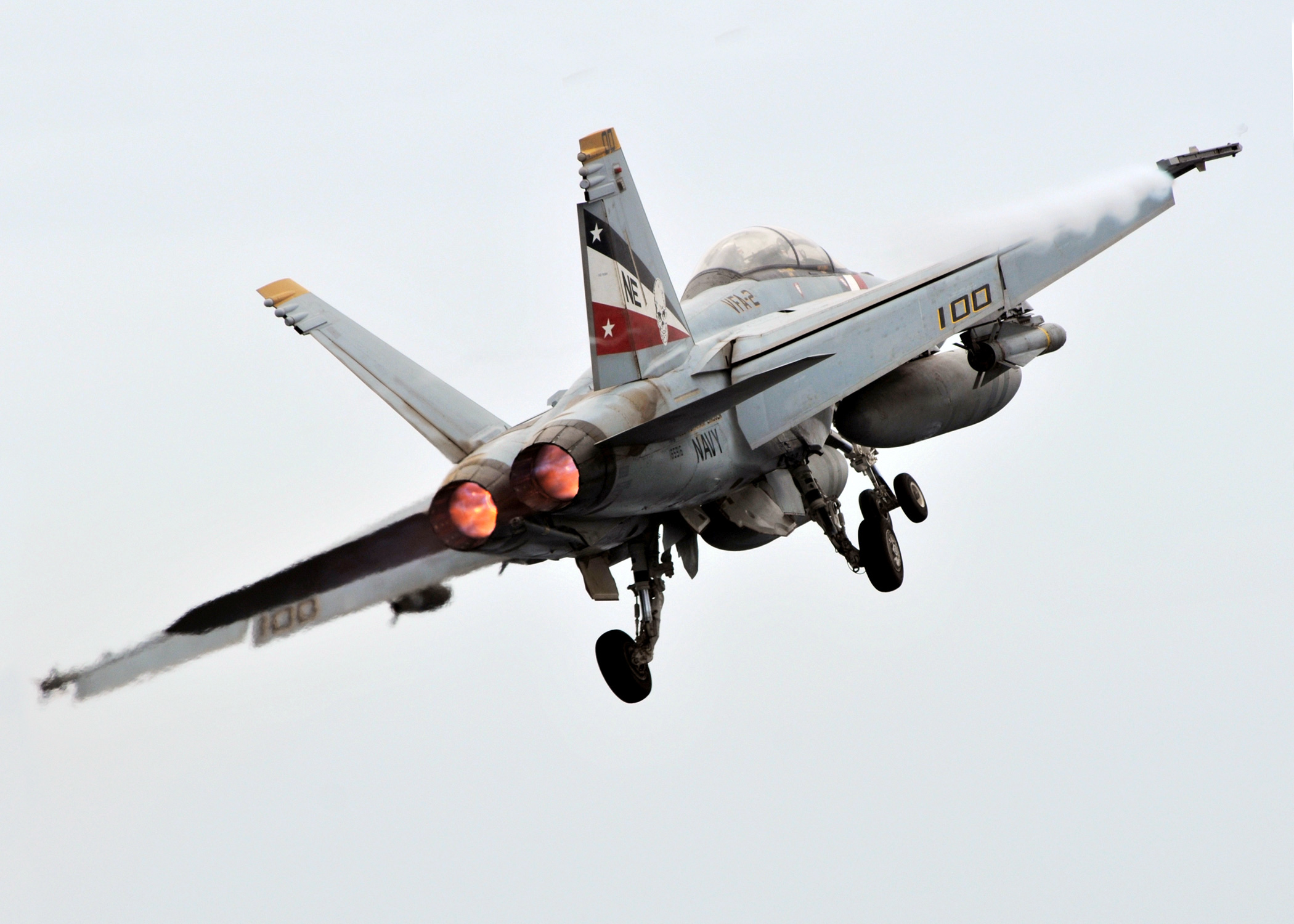
Hegseth read the citation to the crew aboard the ship, laying out the strike group’s combat record in detail: 3,693 combat missions executed, 1.37 million pounds of ordnance delivered, 450 Tomahawk cruise missiles launched, 77 one-way attack drones shot down, 64 Iranian warships sunk, 21 anti-ship cruise missiles destroyed, and defense against four fast attack craft and explosive-carrying ships.
The numbers put the Lincoln’s deployment among the most combat-intensive carrier operations of the modern era. They also explain why the award, though typically rare, followed this ship so directly: it was earned not in a single battle but across more than a month of sustained operations against a state adversary.
The Lincoln is the second carrier to endure an unusually long and arduous deployment supporting the Iran war and the second to receive the top unit award afterward. In May, Hegseth met the crew of the USS Gerald R. Ford on its return from a 326-day deployment — the longest for an aircraft carrier in the past 50 years and a record in the post-Vietnam era.
Hegseth’s message to the crew
The defense secretary acknowledged to the crew that “I’m the only thing standing between you and home” — he flew out to the ship ahead of its arrival Thursday in San Diego — and said his intention was that “once they pull up to the dock, we’re getting out of the way.”
He also delivered a message from the White House, telling the crew that President Donald Trump “tracked your activities from day one and couldn’t be more proud of what you executed.” The ship departed San Diego in late November 2025 and arrived in the Middle East in January 2026; U.S. and Israeli forces launched airstrikes against Iran on February 28.
Hegseth used the visit to push back on critical coverage of the deployment. He said the crew would not be turned into “some sort of a symbol, a symbol of dysfunction or a symbol of low morale or a symbol of a failed mission.” What makes the U.S. military different, he said, is that sailors “adapt and … you’re resilient and you overcome — you finish the mission nonetheless.”
The hardship beneath the ceremony
The award ceremony landed against a backdrop of widely reported problems aboard the ship. The carrier endured a record 265 uninterrupted days at sea, and its extended deployment drew national attention following reports of crew stress and poor mental health, plus supply shortages including food and hygiene products.
The Navy initially played down early reports of supply problems, and Trump said in August that the Lincoln’s lengthy deployment was “not nearly long enough.” Navy leaders eventually acknowledged there were issues aboard. In August, acting Navy Secretary Hung Cao said the Lincoln maintained adequate food supplies, but because combat operations limited resupply opportunities, meal options were reduced from two to one for a short time — though he said in a letter to a Democratic lawmaker that four nutritionally balanced meals were served daily. Navy officials also said combat operations delayed scheduled resupply shipments, and that they prioritized hygiene products with a rotation system to streamline distribution across squadrons.
More recently, the service told lawmakers that eight sailors attempted suicide while on the long deployment. Experts say that number is low for a strike group of 6,000 sailors over 10 months — but it became a national story because of the deployment’s record length and the contrast with the Pentagon’s initial downplaying.
After more than 10 months deployed, the Lincoln’s crew got a stop in Thailand early last month on the way back from the Middle East — a rare break that underscored how few ports of call the record deployment allowed.

Why this matters
The citation does three things at once. First, it writes the official history of the Lincoln’s deployment in unambiguously heroic terms — the exact counter-narrative Hegseth articulated when he rejected the “symbol of dysfunction” framing. Whatever questions were raised about crew welfare, the Pentagon’s closing statement on this deployment is the award citation’s battle record.
Second, it signals to Iran and to the fleet that carrier operations remain the centerpiece of the U.S. posture in the region. There are now two aircraft carriers assigned to the Middle East: the USS George Washington, though usually based in Asia, relieved the Lincoln in August; the USS George H.W. Bush has been deployed for about six months and recently pulled into Phuket, Thailand. U.S. officials have said a third carrier, the USS Theodore Roosevelt, could join them as early as the end of October.
Third, it sets a precedent. Two carriers, two record-shattering deployments, two Presidential Unit Citations. The Navy is now asking its capital ships to do something it has not asked them to do since Vietnam — stay at sea for the better part of a year under wartime tempo — and the top of the Pentagon is blessing the result in person.
Who wins, who loses, what critics say
The crew wins recognition. For sailors who spent 265 uninterrupted days at sea, a Presidential Unit Citation is a permanent, career-defining honor — the kind of award that follows a unit’s veterans for decades and shapes how the deployment is remembered inside the service.
The Pentagon wins the narrative. By presenting the award in person, Hegseth put the administration’s stamp on the deployment’s legacy: resilience and mission completion, not the supply shortages and mental-health reports that dominated headlines in August and September.
Critics lose no ground. Lawmakers and advocates who pressed the Navy on crew welfare will note that the ceremony changed nothing about the conditions it followed — eight suicide attempts, reduced meal options, months without a port call — and will keep pressing for answers on how the next record deployment avoids the same problems.
The families win something quieter. For the families waiting at the pier in San Diego, the citation reframes the sacrifice of the past 321 days: their sailors were not just absent, the argument goes, but making history. Whether that reframe holds will be tested by what the sailors themselves say in the weeks after homecoming.
What the numbers actually say
321 days. The length of the Lincoln’s deployment — the ship departed San Diego in late November 2025 and returns October 8, 2026.
265 days. Uninterrupted days at sea, a modern-era record for time between ports of call.
3,693 combat missions and 1.37 million pounds of ordnance — the strike group’s combat output, per the citation.
64 Iranian warships sunk and 77 one-way attack drones shot down — the citation’s claimed toll on Iranian forces.
326 days. The USS Gerald R. Ford’s deployment, still the longer of the two record runs this year.
What happens next
Watch the pier. The Lincoln arrives home to San Diego on Thursday, October 8, and the homecoming itself — reunions after 321 days apart — will be the emotional close of a deployment that dominated defense news for months.
Watch the fleet. With the George Washington and George H.W. Bush in the Middle East and the Theodore Roosevelt possibly joining by late October, the Navy is sustaining a carrier posture in the region even as the Lincoln stands down.
Watch the precedent. Two record deployments and two top unit awards in one year tell the fleet what the Pentagon now expects: carriers that stay, fight, and are decorated for it. The open question — raised by lawmakers, families, and the eight suicide attempts the Navy disclosed — is what the human cost of that expectation looks like the next time.