Firmus IPO withdrawn
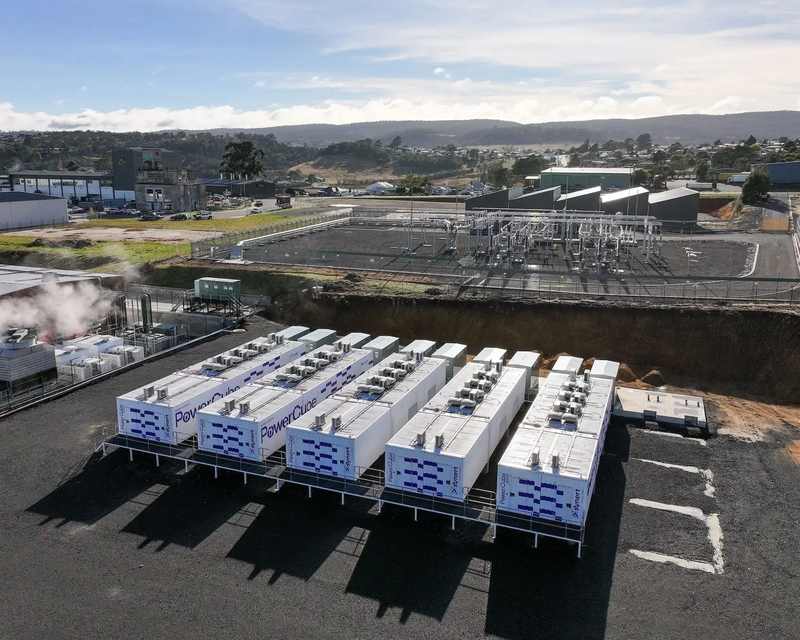
SYDNEY — The Firmus IPO withdrawn on Friday, October 9, was supposed to be the day's great Australian market debut. Instead, Firmus Technologies abandoned an offer designed to raise about A$7 billion at A$11 a share and value the AI data-centre operator at nearly A$44 billion, or roughly US$31 billion. The decision came on the very day the prospectus was due, after lead bankers failed to secure enough institutional demand and an indicative price had already been cut as low as A$8.
Firmus blamed “recent market volatility and prevailing market conditions.” It said the terms on which an offer could proceed “would not appropriately reflect the strength of the Company's business and long-term growth outlook.” The company will now pursue private capital and “alternative public and private-market options.” Those words preserve the possibility of another listing. They also concede the central fact of this attempt: at the proposed price, the public market said no.
Why this matters: a public test for the AI infrastructure trade
The collapse matters beyond one Australian float because Firmus was trying to turn the most aggressive private-market assumptions about artificial intelligence into a publicly traded security. Investors were not merely being asked to buy two working facilities. They were being asked to finance a much larger network of sites, customers and debt that largely exists in contracts, plans and construction schedules.
That makes the deal one of the clearest live tests of AI-infrastructure valuations. Reuters Breakingviews described the result as “fear before FOMO”: institutional buyers saw enough execution risk to resist the fear of missing another AI winner. That is important because public markets impose daily price discovery, liquidity and disclosure on businesses that private investors can value in smaller, less frequent financing rounds.
The withdrawal is not proof of a neocloud bubble. Demand for specialised computing is real, Nvidia's chips remain scarce, and technology companies are signing long contracts to secure capacity. But the result suggests that investors distinguish between demand for computing and any price attached to the companies supplying it. The Firmus Technologies IPO asked the market to accept not only extraordinary growth, but extraordinary growth without ordinary construction, financing or customer-concentration setbacks.
Firmus ASX listing cancelled after the price met resistance
The arithmetic explains the resistance. Firmus was worth about US$1.85 billion just over a year ago. Roughly eight weeks before the planned float, its valuation was about US$15 billion. Days before the withdrawal, the proposed equity value approached A$44 billion. Measured from the earlier figure, that is roughly a 24-fold markup in about 14 months.
Rapid value creation is not automatically suspect. A company can sign transformative contracts, gain strategic backers or secure scarce assets. Firmus did all three. Nvidia, Blackstone, Jane Street and Coatue are among its supporters, and its facilities are intended to rent specialised Nvidia computing capacity to AI developers. Customers connected to planned sites include Meta and OpenAI.
Yet many of the same core investors participated across the private rounds that drove the value higher. A public float would have asked a broader group to validate those marks with new money and continuous trading. It could not find enough of them at A$11. Cutting the indicative price toward A$8 did not close the gap. That makes the withdrawal a price-discovery event even without a single share changing hands.
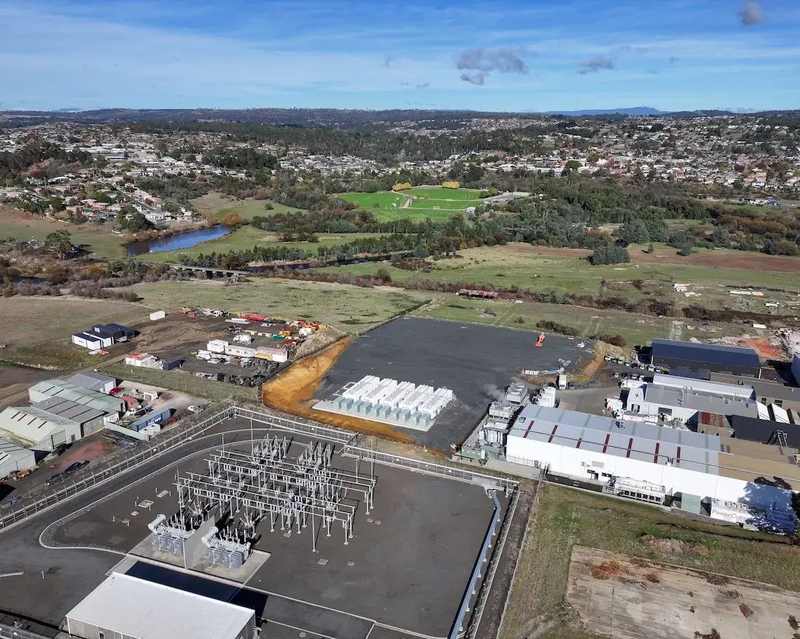
The Firmus $44 billion valuation against two operating sites
Firmus currently has two operating data centres, in Melbourne and Singapore. Against that base, it plans to issue US$30 billion—about A$43 billion—of debt to build many more. About 97 percent of contracted revenue is tied to sites that have not yet been built. In other words, the equity valuation and intended debt stack both depended overwhelmingly on successful future construction.
The comparison is not “A$44 billion versus two buildings” in a simplistic sense; contracts have value, and infrastructure companies routinely finance assets before they are complete. But the concentration of future value changes the risk. Each unbuilt site carries planning, grid-connection, equipment, labour, financing and commissioning uncertainty. A delay can defer revenue while interest continues to accrue. Multiple delays can turn leverage from an accelerator into a constraint.
The planned US$30 billion debt load is almost as large as the proposed equity valuation in U.S.-dollar terms. That does not mean all debt would arrive at once or sit on the parent company's balance sheet in identical form. It does mean lenders, project partners and customers would become as important to the expansion story as shareholders. For an AI data centre IPO, the decisive metric is not only chip demand; it is whether contracted cash flow arrives before capital costs and debt service outrun it.
UniSuper, the A$175 billion Australian retirement fund, declined to invest. Chief investment officer John Pearce called the float “priced to perfection,” adding: “So much has to go right to justify the valuation.” That is a concise description of the mismatch. The business may be strong, but the price allowed little room for a delayed substation, a tougher debt market, lower chip-rental rates or a customer renegotiation.
Nvidia, Blackstone and Firmus: who benefits, who loses
Private backers preserve optionality
The early and recent private investors remain the clearest beneficiaries of the rise so far. A roughly 24-fold markup establishes a powerful reference point for their holdings, even if the failed IPO shows that reference point was not validated by a broad public market. By withdrawing rather than accepting a deeper discount, they avoid crystallising a lower daily-traded value.
Nvidia also benefits strategically when more operators finance installations of its hardware. Blackstone and other capital providers can gain exposure to an infrastructure category that sits between property, utilities and technology. But those benefits depend on projects being funded and built. A failed float shifts more responsibility back to existing investors or private lenders.
Retail investors were spared a priced-to-perfection debut
Potential retail buyers lose the opportunity to own a rare large Australian technology listing, but they were also spared buying into a debut whose institutional book had already signalled discomfort. That is not a verdict that the shares would have fallen. It is a reminder that a record float needs price tension in both directions; here, the adjustment was downward before the prospectus even appeared.
Firmus and its employees lose the credibility, acquisition currency and broad capital access that a successful listing could have supplied. The ASX loses a marquee technology company during a long IPO drought. Bankers lose fees and a flagship transaction. Suppliers and local governments around planned sites now face more uncertainty about timing.
Australia's biggest IPO since Telstra—and the listing that never happened
Had it proceeded, Firmus would have been Australia's biggest IPO since Telstra in 1997 and the second-largest float in the country's history. The comparison was irresistible but imperfect. Telstra brought an established national telecommunications network, millions of customers and visible cash flow to market. Firmus offered exposure to a faster-growing industry, but much of the network underpinning its forecast revenue remains to be constructed.
Australia has endured an IPO drought in which ambitious companies can often secure private money without accepting the scrutiny or valuation discipline of a listing. Firmus was supposed to break that pattern. Instead, it illustrates why the drought persists: vendors anchor to private marks, while public buyers demand a discount for liquidity risk, execution risk and the prospect that today's shortage economics may not last.
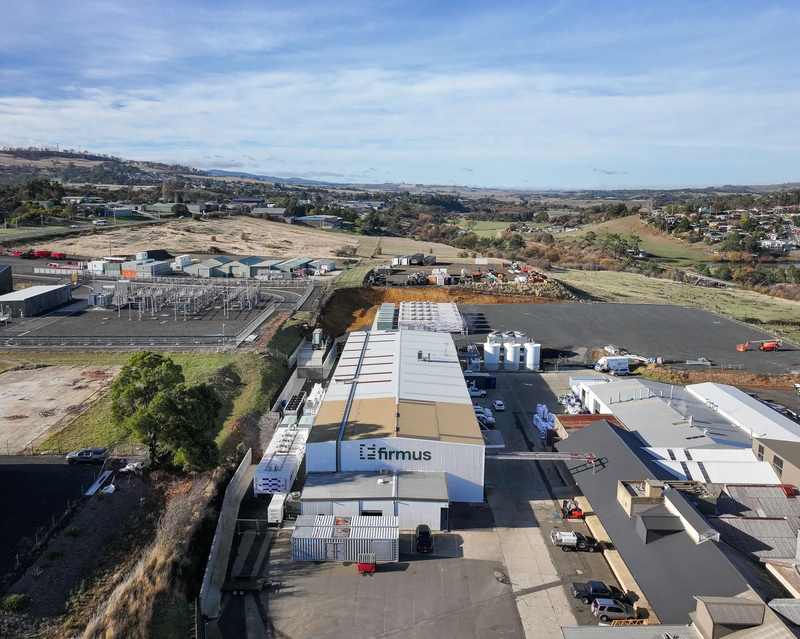
The cancelled float also arrived amid awkward political timing. On Thursday, Firmus abruptly withdrew from a scheduled appearance at a parliamentary inquiry into artificial intelligence. In Tasmania, a data-centre project under construction faces local pushback. Neither development establishes a financial problem, but both sharpen questions about disclosure, community consent, energy use and the pace at which infrastructure plans are being converted into facts on the ground.
What other neocloud listings say about the risk
Firmus belongs to a group often called neoclouds: specialist operators that acquire high-end accelerators and rent computing capacity to AI companies. The model can grow quickly because customers need hardware immediately and do not always want to own facilities. It can also be financially unforgiving because chips depreciate, power infrastructure takes time, and customers with bargaining power can move workloads or push for lower rates.
Reuters Breakingviews made a similar point a day earlier in analysing another shaky multibillion-dollar neocloud listing. The market is beginning to separate the AI software story from the balance sheets built to supply it. A supplier can have full order books and still be a difficult equity investment if debt, customer concentration and technology replacement absorb too much of the upside.
That distinction matters across the sector. Our report on Upscale AI's bid to challenge Nvidia's data-centre economics describes the pressure to cut the cost of moving and processing tokens. Samsung's record profit from the AI chip boom shows that hardware demand can produce real earnings. And SpaceX's US$40 billion Nvidia-chip financing shows how far infrastructure capital is reaching. Together, they underline the same point: demand is powerful, but the financing structure decides who captures it.
What happens next for AI infrastructure funding
Firmus now has three broad paths. It can raise private capital at or near the last mark, proving that strategic investors remain willing to fund the buildout without public-market liquidity. It can restructure projects around asset-level debt and customer commitments, reducing the amount of parent equity required. Or it can return to the ASX at a lower valuation after more sites are operating and more revenue has moved from contracted to realised.
A private raise would buy time, but it would not erase the price discovered by the failed bookbuild. New investors will know that institutions resisted A$11 and were not persuaded at an indicative A$8. A later public attempt would therefore be stronger if Firmus can show completed facilities, diversified customers, secured power and debt terms that leave room for delays.
The contagion risk is primarily financial, not operational. One withdrawn IPO will not reduce demand for AI compute. It may, however, force other infrastructure companies to accept lower equity values, contribute more sponsor capital, pay higher debt spreads or disclose more about customer contracts and unfinished sites. That would slow marginal projects while improving discipline for the ones that proceed.
The failed Firmus float is therefore neither the end of the AI boom nor an irrelevant bout of “market volatility.” It is a boundary marker. Private markets demonstrated how quickly a compelling theme could lift a valuation. Public investors demonstrated that they still ask what must go right—and how much they are being paid if it does not.
Sources and reporting notes
- Reuters Breakingviews, October 9, 2026 — withdrawal, proposed offer terms, valuation history, operating footprint, debt plan and analysis of public-market demand.
- Australian Associated Press — bookbuild pressure, reduced price indications and Australian market context.
- Financial Standard — UniSuper's decision and John Pearce's “priced to perfection” assessment.
- Reuters Breakingviews, October 8, 2026 — comparison with other neocloud listings and the sector's financing risks.
- The Brief — Firmus statement, institutional demand and the company's plan to pursue alternative public and private-market capital.
- Firmus Technologies newsroom — company description of its Tasmania project and “AI Factory Zone”; source page for Firmus project photography used above.
Currency conversions and the roughly 24-fold valuation change are rounded from the reported figures. Contracted revenue from unfinished sites is not the same as recognised revenue, and planned debt is not presented here as debt already issued.