Samsung record profit Q3 2026
Samsung record profit Q3 2026Samsung Q3 earnings 2026Samsung AI chip boommemory chip shortage 2026Samsung operating profit 107 trillion wonHBM memory AI demandSamsung SK Hynix Micron profitschip prices rising 2026AI infrastructure memory demandSamsung stock price record profit
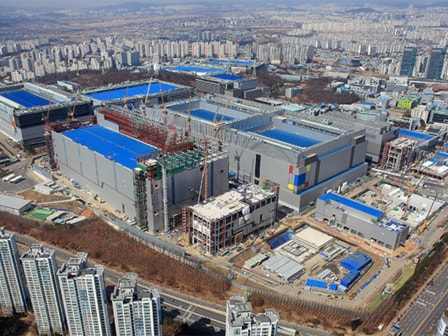
On Thursday, Samsung Electronics did something no technology company has ever done: it told investors its Samsung record profit Q3 2026 estimate topped 100 trillion won in a single quarter. The projected 107.4 trillion won — about $80 billion — in operating profit for the third quarter isn't just a company record; it is the biggest quarterly profit any tech firm has ever reported, and nearly nine times what Samsung earned in the same quarter last year. The forecast, released in Seoul, beat analyst expectations and marked the fourth straight quarter of record operating profit.
That headline number is so large that it can obscure the more revealing story underneath it. Samsung did not arrive here because consumers suddenly bought more Galaxy phones or televisions. It arrived because the companies building artificial-intelligence systems are competing for a limited supply of the memory that keeps expensive processors fed with data. In the current AI economy, the most powerful position belongs not only to the model maker or the cloud platform, but to whoever controls the scarce component that all of them need.
The numbers behind the Samsung Q3 earnings 2026 record
Samsung operating profit: 107 trillion won and a 55 percent margin
Samsung estimated third-quarter operating profit at 107.4 trillion won, or roughly $80.17 billion. That exceeded the 106.1 trillion-won LSEG SmartEstimate and rose 782.5% from 12.17 trillion won in the third quarter of 2025. It is the first time a technology company has reported more than 100 trillion won of operating profit in one quarter.
Estimated revenue reached about 195 trillion won, or roughly $145 billion, up 127% from a year earlier. Put the profit beside that revenue and the implied operating margin lands near 55% — the highest in Samsung's history. The Samsung profit margin 55 percent figure is especially striking because this is a hardware manufacturer with enormous factories, equipment bills and supply-chain costs, not a software company selling an additional copy at almost no marginal cost.
The year-on-year comparison is equally revealing. A gain of 782.5% says less about ordinary expansion than it does about a violent turn in the memory cycle. Samsung's earnings base in 2025 was still recovering. By the September quarter of 2026, scarcity had given suppliers enough pricing power to turn the same factories into cash engines.
Why this matters: the AI trade's real winners sell shovels
AI infrastructure memory demand is outrunning supply
Markets often treat the companies training frontier models and the hyperscalers renting computing capacity as the center of the AI boom. Yet profits are pooling at a less glamorous bottleneck: memory. An AI accelerator is only as useful as its ability to move huge volumes of data quickly. That makes high-bandwidth memory essential, and it makes ordinary DRAM and NAND more valuable across the broader server complex.
AI infrastructure memory demand is rising faster than manufacturers can add clean, qualified output. New fabrication capacity takes years, and changing a production line is not as simple as adding another shift. As suppliers direct more wafers and packaging capacity toward advanced HBM products, the market for other memory grades tightens too. The result is a global memory chip shortage 2026 that has lasted more than a year and pushed contract prices sharply higher.
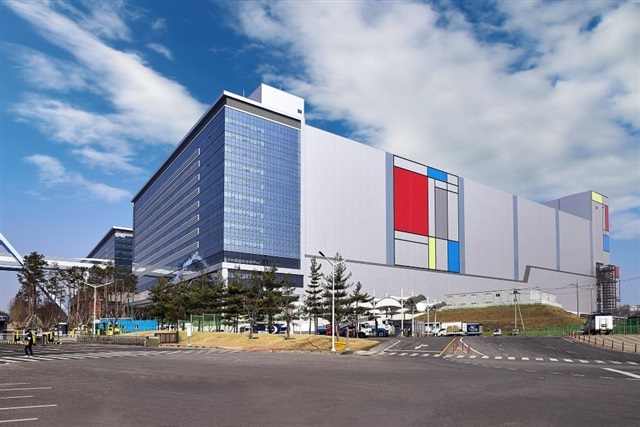
Samsung has been the world's largest memory-chip manufacturer for decades, which puts it directly on the chokepoint. Micron has described the imbalance as durable, and Samsung also expects tight conditions to persist into 2028. If they are right, the present profits are not merely a one-quarter windfall. They are the financial expression of an industry that cannot expand supply as fast as customers are expanding data centers.
How we got here — from glut to gold rush
The Samsung AI chip boom began with a painful reset
Only three years ago, memory looked like the wrong place to be. In 2023 the industry was working through a severe glut after electronics demand weakened and customers burned down inventories built during the pandemic. Prices collapsed, manufacturers cut production and Samsung's chip division lost money. The lesson seemed familiar: memory was still a brutally cyclical commodity business.
The 2025–26 data-center buildout reversed that cycle with unusual speed. Cloud companies, sovereign AI programs and large internet platforms moved from experimenting with AI to ordering infrastructure at industrial scale. Each new cluster required processors, networking, power and far more memory bandwidth. Capacity that had looked excessive suddenly became scarce.
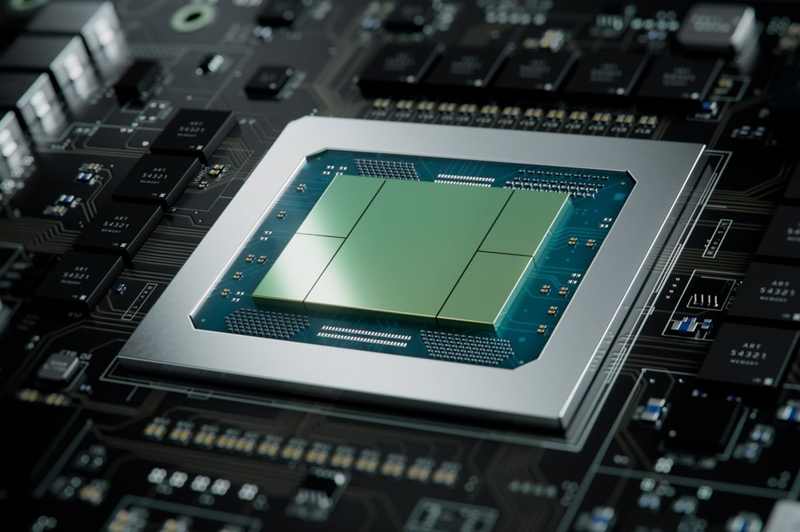
High-bandwidth memory sits at the center of that shift. HBM stacks memory dies vertically and places them close to an AI processor so data can move with far greater bandwidth and lower energy cost than conventional arrangements. The technical difficulty is not only making the dies; suppliers must also stack, connect, package and qualify them at demanding yields.
Samsung has begun selling HBM4 to Nvidia and reportedly secured Nvidia quality approval for HBM4E intended for the Rubin Ultra platform. That matters because Samsung had spent parts of the earlier HBM cycle trying to close a qualification gap with SK Hynix. A larger share of Nvidia's next-generation demand would give Samsung another route to turn the HBM memory AI demand surge into sustained margin.
The manufacturing contest also runs through foundries and advanced packaging. Signal Post News has examined TSMC's Arizona production for Apple, AMD and Nvidia and the MediaTek–TSMC 2nm race. Those investments show why the boom cannot be reduced to one chip category: processors, memory, packaging and manufacturing capacity have become one interdependent system.
Winners, losers, and the bill nobody wants to pay
Samsung, SK Hynix and Micron profits rise together
The Samsung SK Hynix Micron profits story is not a zero-sum fight for one quarter's market share. All three major memory suppliers benefit when demand exceeds output and customers prioritize guaranteed allocation over bargaining for the lowest price. SK Hynix entered the HBM boom with an early lead, Micron has expanded aggressively, and Samsung brings unmatched scale. The scarcity is large enough for all three to post record profits and margins.
But the same pricing power functions like a tax on every company downstream. Server makers have the clearest reason to pay because AI clusters are strategic investments and memory remains only one part of a costly system. Smartphone and consumer-electronics manufacturers face a harder choice: absorb the component increase, pass it to buyers, trim specifications or delay products. With chip prices rising in 2026, all four choices can weaken demand.
The irony is sharpest inside Samsung. Its mobile division is expected to report a deficit for a second straight quarter even while the company posts record profit. The phone unit buys expensive components in the same market where the semiconductor unit sells them. Samsung's consolidated result therefore looks less like a consumer-electronics triumph than a transfer of economic power toward the chip plants.
Demand has not visibly broken. Tencent is reportedly considering a $5 billion bond sale to fund its AI expansion, adding to a pattern of debt-financed infrastructure spending across the sector. Our report on Tencent's AI spending and its Oracle chip lease shows how aggressively large platforms are trying to secure computing capacity.
There are limits to the upside. Long-term supply contracts can restrain how quickly suppliers reset prices. Chinese competitors are investing to reduce dependence on foreign memory. And customers with too much inventory can stop ordering suddenly. The question is not whether this quarter was exceptional; it is whether manufacturers can preserve scarcity without provoking the next glut.
The numbers in context
Samsung stock price: record profit meets a skeptical market
SamMobile noted that Samsung's full-year profit is on pace to exceed the company's cumulative profit across the previous 40 years. Analysts estimate that 2027 operating profit could reach about 550 trillion won, or roughly $409 billion, around 45% above the current full-year pace. A hardware margin near 55% would exceed even Apple's peak operating profitability.
Yet the Samsung stock price record profit reaction was muted. Shares slipped after the forecast and remain more than 25% below their June record high. That is not necessarily a verdict that the numbers are weak. It reflects a market trying to price the next change in the cycle rather than the quarter that just ended.
Currency is one concern. The won's sharp appreciation reduces the local-currency value of dollar-denominated semiconductor sales, leading analysts to trim profit forecasts. Pricing is another. Memory price increases continued in the third quarter, but at a slower rate, creating a fear that chip margins may have peaked even if they remain historically high.
Analysts expect fourth-quarter profit growth to slow to about 8.2% sequentially. That would still produce an extraordinary result, but it would look very different from the ninefold annual leap now dominating headlines. The market's skepticism can therefore coexist with the record: investors are asking whether the next surprise is more scarcity or the first sign of normalization.
What happens next
Two paths for the memory chip shortage through 2028
The first scenario is structural scarcity. AI infrastructure spending keeps growing, HBM consumes more advanced capacity, qualification remains difficult and new fabs arrive too slowly to close the gap. In that case, suppliers retain pricing power into 2028, customers sign longer commitments and the largest memory companies continue earning margins once associated with software.
The second scenario starts with cooling price growth. Hyperscalers become more selective, financed AI projects face tougher returns, inventories rebuild and each new unit of capacity lands into a softer market. A small change in demand can have an outsized effect in memory because fixed costs are high and commodity prices respond quickly. The boom would not have to collapse for earnings growth to slow sharply.
Policy adds another layer. South Korea has unveiled a $23 billion support package for its chip industry as U.S. tariff uncertainty complicates investment decisions. American export controls restrict the most advanced technology headed to China, while China's rare-earth controls create risk elsewhere in the manufacturing chain. Governments increasingly treat semiconductor capacity as national infrastructure, but subsidies cannot eliminate the time needed to build and qualify production.
Samsung will release detailed third-quarter results later this month. The division breakdown will show how much of the quarter came directly from memory, how the mobile loss developed and whether advanced HBM shipments are becoming a larger contributor. It will also offer the first test of whether a 55% companywide margin is repeatable or a peak shaped by the most favorable point in the cycle.
The bottom line
The Samsung record profit Q3 2026 result exposes where the AI boom's economics are concentrating: the supply chain's tightest chokepoint. Model labs may shape the public imagination, but memory suppliers are converting the infrastructure race into cash because demand can move faster than fabrication capacity.
The question for 2027 is whether this is a structural shortage or simply a very long cycle top. If scarcity endures into 2028, Samsung's quarter will look like the beginning of a new profit regime. If price growth keeps cooling, it may instead be remembered as the moment the memory cycle was most powerful — and most vulnerable to turning.