Two of Russia's NATO neighbours picked up the phone to the Kremlin on Tuesday — in consultation with Ukraine, ahead of the Abu Dhabi meetings, and with a message they said only a direct call could carry: the war must end, and negotiations must resume.
Track it live: Ukraine war map · Live wars tracker
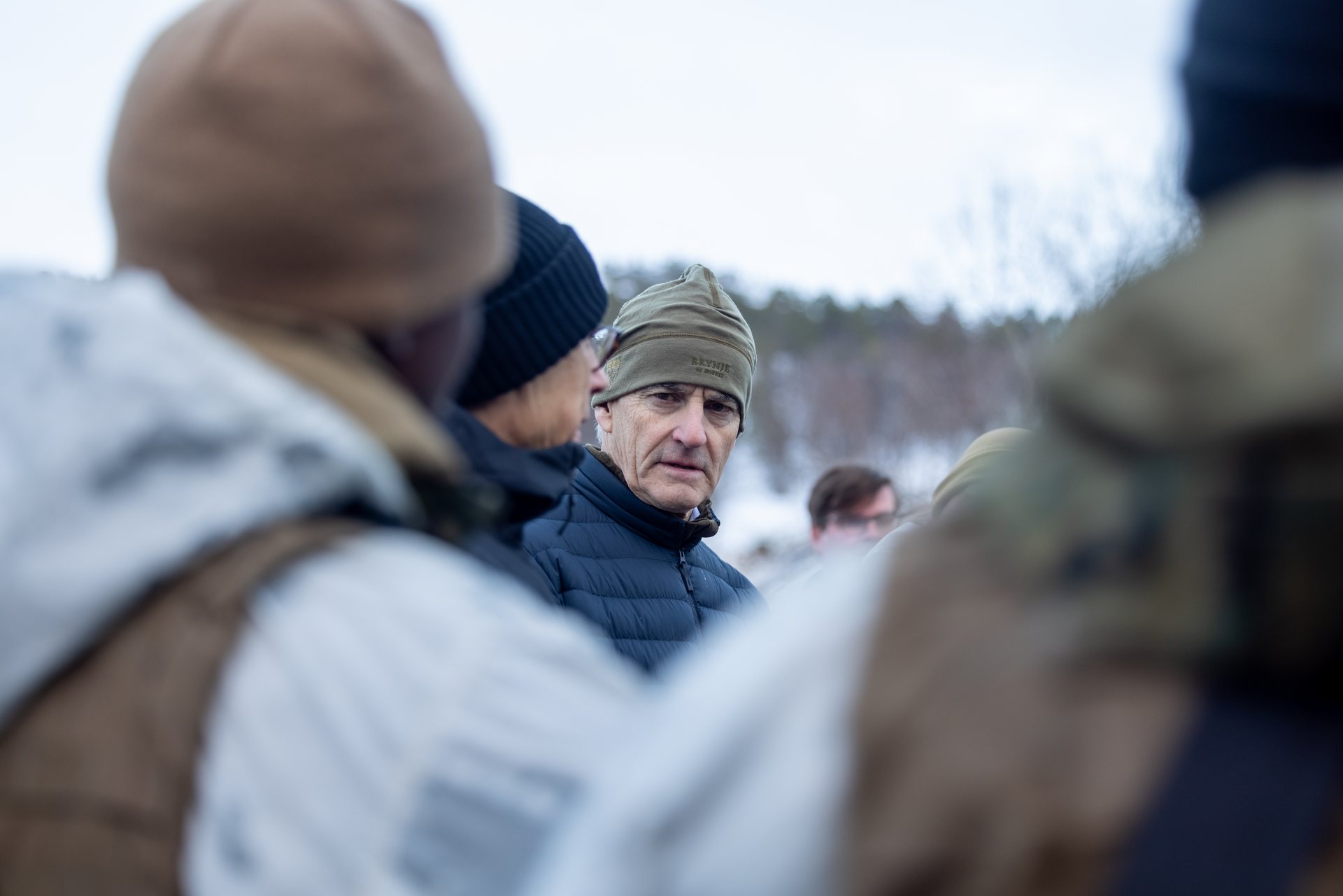
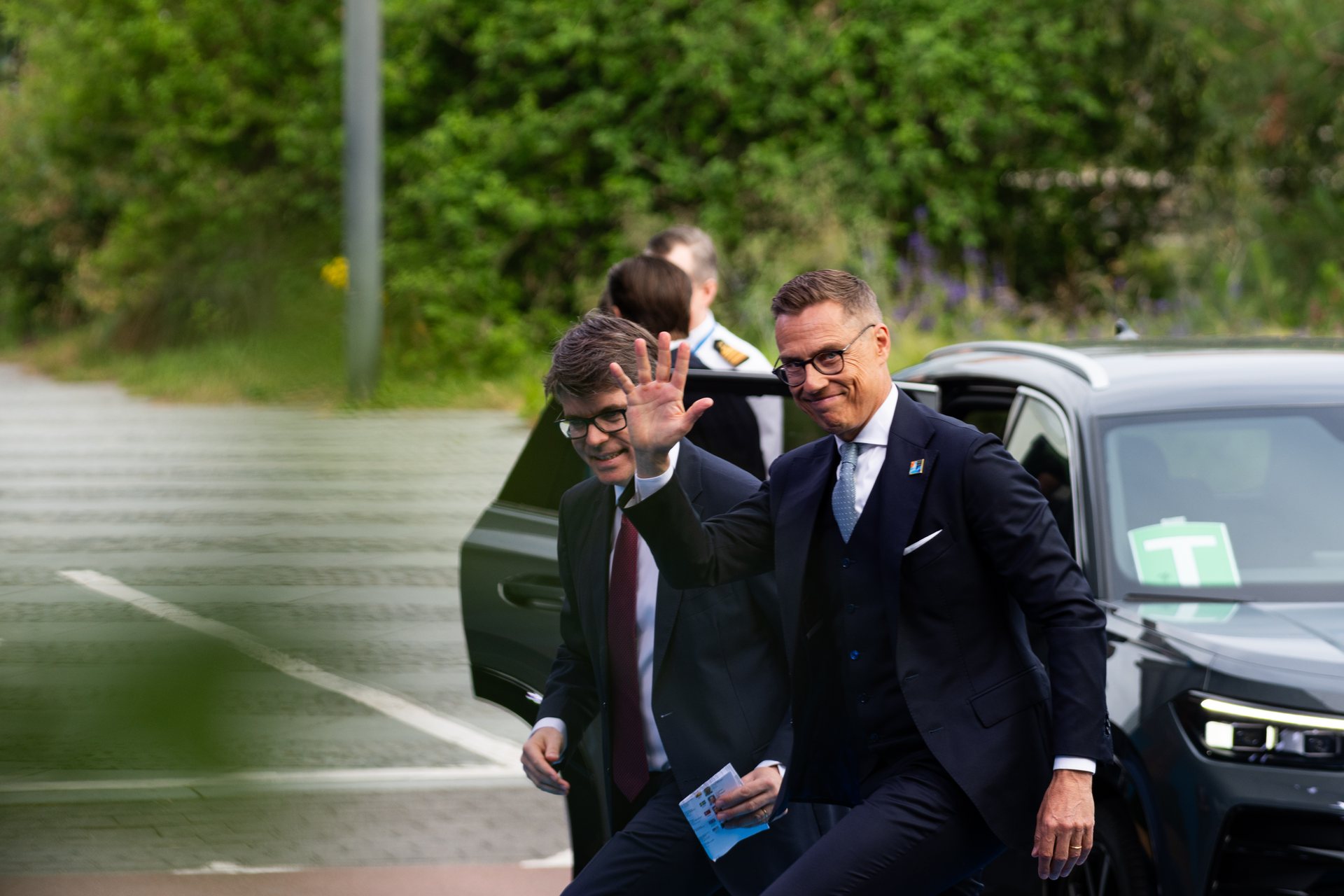
The Finland Norway Putin phone call happened on Tuesday, October 27, 2026, and its significance lies as much in who placed it as in anything that was said. Finnish President Alexander Stubb and Norwegian Prime Minister Jonas Gahr Støre, speaking from Helsinki, held a phone call with Russian President Vladimir Putin about Russia's war in Ukraine, according to the Office of the President of the Republic of Finland (Press release 66/2026, October 27, 2026) and Reuters. Since Russia's full-scale invasion in February 2022, Western European leaders have mostly shunned direct contact with Putin. On Tuesday, two of them — both leading countries that border Russia, both firm supporters of Ukraine — broke that line deliberately, publicly, and, they were careful to stress, with Ukraine consulted in advance.
The Finnish statement sets out the call's architecture in unusual detail, and the details matter. The call was a follow-up to the meeting held in Oslo on October 20. It was held in consultation with Ukraine. Stubb and Støre initiated it themselves, to discuss Russia's war of aggression against Ukraine and the diplomatic efforts to end the war and promote peace and stability in Europe. Its aim was to convey messages directly to Putin regarding future negotiations, and it was related to the upcoming meetings in Abu Dhabi. And the two leaders were explicit about the limits of their mandate: they spoke as leaders of their own countries, and did not speak on behalf of Europe as a whole. That sentence, easy to skim, is the call's diplomatic insurance policy — aimed simultaneously at Kyiv, at fellow European capitals, and at Moscow.
What the two leaders said
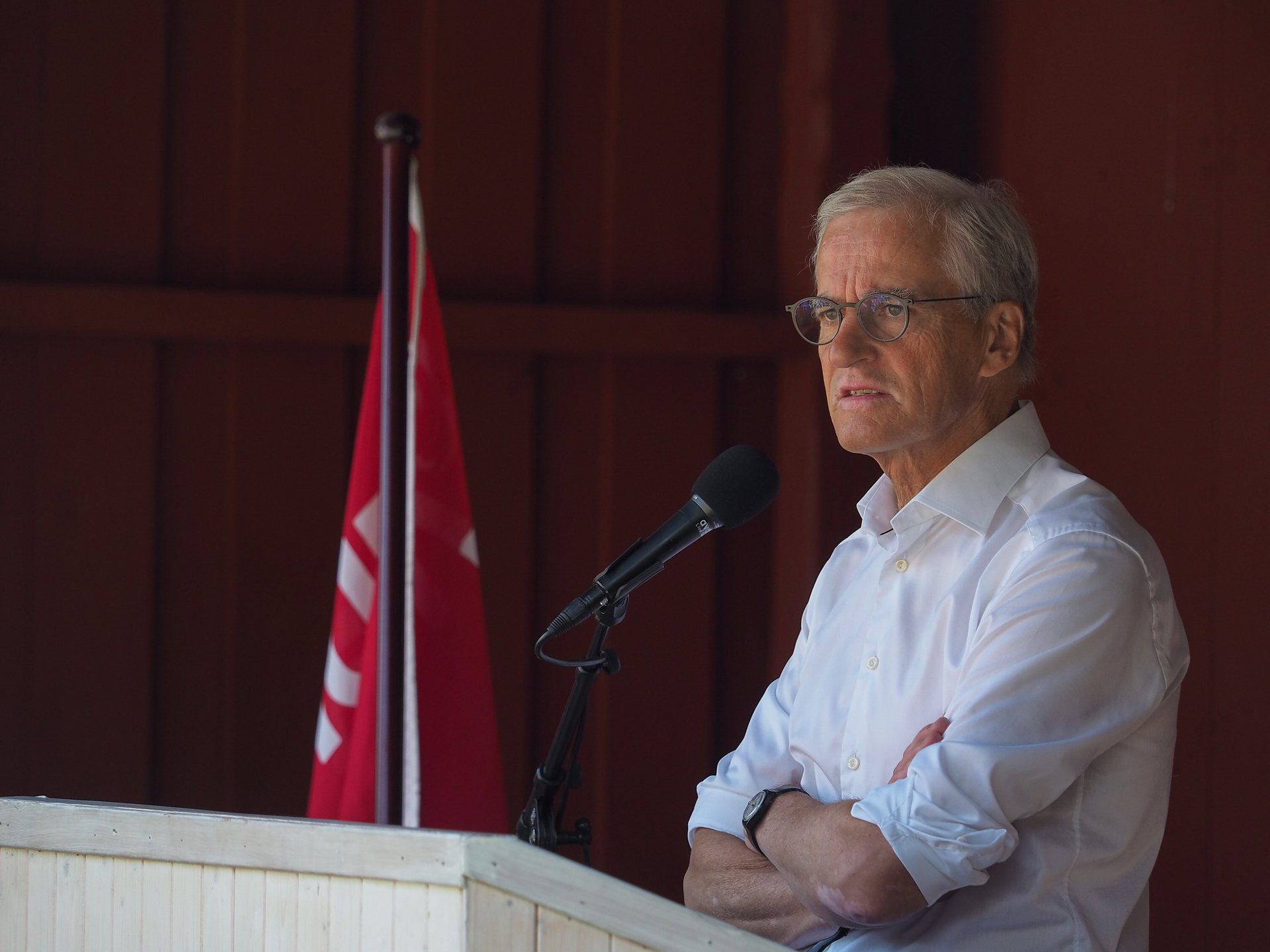
Stubb, in the Finnish account, put the case for the call in geographic terms. "The discussion was frank and substantive. We are neighbouring countries to Russia. The outcome of this war will have a direct impact on our and the broader European security. Ending the war requires direct discussions," he said. Støre framed the same call in human terms. "The war comes with enormous human and material costs. The suffering and destruction will impact generations. In the call we stressed the importance of de-escalation," he said.
The Finnish statement adds the substance the two leaders say they carried into the conversation. Both emphasised continued, longstanding support for Ukraine, that the war must end and that negotiations must resume. And both highlighted an interest Finland and Norway share with — and, on this point, opposite — Russia: stability and predictability in the Baltic Sea region and the High North. That pairing is the call in miniature. It pairs an unmoved position on Ukraine with an acknowledgement that Finland and Norway will share a northern map with Russia whatever happens in Ukraine, and that the map needs managing as well as defending.
What was not said — and why that absence matters
Readers should note precisely what is not in this story, because the gap is itself a fact. Neither the Finnish statement nor Reuters' reporting contains a Kremlin readout of this call, any agreement reached on it, or any words from Putin on it. Signal Post News is not going to fill that silence with inference: there is, in these sources, no Russian account of what Putin said to Stubb and Støre, no indication that he accepted or rejected the messages delivered, and no announced follow-up call. A phone call of this kind can be a turning point, a routine channel-check, or a courtesy extended and ignored — and on the public record available on Tuesday, it is impossible to say responsibly which of those it was. What can be said is that the call happened, who initiated it, and what the initiators say they used it for. Anything beyond that awaits a Russian account, a Ukrainian reaction, or events.
Background: the week that led to the call
The call did not come out of a clear sky. It was the third move in a sequence that began in Oslo on October 20, when Stubb and Støre met U.S. special envoy Steve Witkoff and Ukrainian President Volodymyr Zelenskyy — a meeting covered in our report on how Putin hosted Witkoff in St. Petersburg for Ukraine peace talks as Russia freed American teacher Stephen Hubbard. A day after the Oslo meeting, Witkoff met Putin in St. Petersburg. After those Putin–Witkoff talks, the Kremlin said Russia was willing to resume U.S.-mediated peace talks with Ukraine in November, for the first time since February. Tuesday's call, Helsinki says, was a follow-up to Oslo — which makes it, in effect, the European neighbours' insertion of themselves into a diplomatic sequence that had been running through Washington and Moscow.
The wider context is the contrast Reuters itself draws. Russia has frequently accused European governments of stoking the war by arming Ukraine and refusing to talk to Moscow, and has contrasted that stance with U.S. President Donald Trump, who has engaged with Putin directly and has tried, so far without success, to broker a peace agreement. That contrast has been both a Russian talking point and a real structural fact of the war's diplomacy: the channel to the Kremlin ran through Washington, while Europe — Ukraine's largest collective backer — mostly communicated with Moscow through public statements and sanctions packages. Whatever else Tuesday's call does, it complicates that structure. Two European leaders now have their own recent, direct line to Putin, established days before the Abu Dhabi meetings and weeks before the November talks the Kremlin has said it is willing to resume.
Why this matters
The Finland Norway Putin phone call matters first because of who Finland and Norway are in this war. Both border Russia — Finland along a land frontier of more than 1,300 kilometres, Norway in the far north — and both are described in Helsinki's own statement as firm supporters of Ukraine. These are not neutral intermediaries auditioning for a mediator's role, and they did not present themselves as one: they called as Ukraine's backers and Russia's neighbours, in consultation with Kyiv. That combination is precisely what has been missing from the diplomacy. Mediators need trust from both sides; neighbours need something else — the standing that comes from living with the consequences. Stubb's quote makes the argument explicitly: the outcome of this war will have a direct impact on Finnish, Norwegian and broader European security, and on that logic the countries with the most at stake in the north have a claim to be in the conversation rather than briefed about it afterwards.
It matters, second, because of timing. The call lands between the Kremlin's stated willingness to resume U.S.-mediated talks in November and the upcoming meetings in Abu Dhabi to which Helsinki explicitly linked it. Diplomacy of this kind is a market in signals before it is a market in terms: who calls whom, in what order, and with what stated purpose all shape the table before anyone sits at it. By calling now, and by saying the aim was to convey messages regarding future negotiations, Stubb and Støre have put two propositions on the record ahead of Abu Dhabi — that de-escalation is a European demand and not only an American project, and that Ukraine's backers intend to be authors of the process rather than commentators on it. Whether those propositions survive contact with the actual negotiations is a separate question, addressed below.
Who benefits, who loses — and what critics on both sides say
The clearest potential beneficiaries are the two callers themselves. Finland and Norway have converted a week of meetings — Oslo, then the Witkoff channel, then this call — into a visible northern role in the war's diplomacy, at negligible cost: the call was coordinated with Ukraine, restated support for Kyiv, and claimed no mandate beyond their own countries. Ukraine benefits if the call genuinely carries its interests into a channel Kyiv does not itself use, and if the de-escalation message adds pressure ahead of Abu Dhabi rather than diluting it. The negotiation process itself benefits, on the supporters' argument, from redundancy: more than one Western channel to Moscow means a single failed channel cannot stall everything, which is part of the story of the war's diplomacy this autumn — from the St. Petersburg talks to the localised ceasefire effort around Oleshky that we covered in the Melania Trump Oleshky ceasefire report.
The critics' case comes in two mirror-image forms, and both deserve stating. From one side — the position associated with governments and commentators who have defended the no-contact line since 2022 — the objection is that a leader-level call is itself a concession: it gives Putin the image of European leaders coming to him, breaks a collective discipline that was meant to deny him normalisation while the war continues, and risks muddying the message that contact is earned by changed behaviour rather than granted in search of it. On that view, the consultation with Ukraine and the "not on behalf of Europe" framing are mitigations, not answers, because the photograph and the headline travel further than the caveats. From the other side — the position Moscow itself has long taken, in Reuters' summary — the objection is the reverse: that a single call, however frank, changes nothing while Europe continues arming Ukraine, and that European governments have stoked the war by doing so while refusing to talk. Russian officials have contrasted that stance with Trump's direct engagement, and can be expected to treat Tuesday's call either as vindication of that contrast or as too little, too late — or, characteristically, as both at once.
Between those critiques sits the judgement problem this article flagged at the start: with no Kremlin readout in the sources, nobody outside the call can yet measure what it moved. The battlefield, meanwhile, continues on its own logic regardless of the diplomacy — the nightly drone and missile tempo documented in our Ukraine War Day 1706 briefing is the backdrop against which every call like this one will be judged, by Ukrainians first of all.
What happens next
Three things will show whether Tuesday's call was an episode or an opening. First, Abu Dhabi: the Finnish statement ties the call to the upcoming meetings there, so the test is whether the messages Helsinki says were conveyed — de-escalation, an end to the war, resumed negotiations — surface in the Abu Dhabi agenda, and whether Finland or Norway appear anywhere in its follow-up machinery. Second, November: the Kremlin said after the Putin–Witkoff talks that Russia was willing to resume U.S.-mediated peace talks with Ukraine in November for the first time since February. If those talks happen, watch whether the channel Stubb and Støre opened is used again, folded into the American process, or quietly allowed to lapse — each outcome says something different about who owns the diplomacy now. Third, watch for the missing document: a Kremlin readout, or any Russian characterisation of the call. Its tone — dismissive, welcoming, or silent — will be the first hard evidence of how Moscow received the first direct approach from two Western European leaders in years, and whether Europe's long no-contact line has actually ended, or merely been tested by the two neighbours with the strongest reason to test it.
Sources
Office of the President of the Republic of Finland, Press release 66/2026, "President Stubb and Prime Minister Støre held a phone call with President Putin," October 27, 2026, presidentti.fi (the call's purpose and Oslo follow-up; consultation with Ukraine; the Abu Dhabi link; the Baltic Sea and High North emphasis; the Stubb and Støre quotes). Reuters, "Norway's prime minister, Finland's president phone call with Putin," October 27, 2026, reuters.com (the post-2022 no-contact context; Russia's criticism of European governments and its contrast with President Trump's engagement; the Oslo meeting with Witkoff and Zelenskyy; the St. Petersburg meeting; and the Kremlin's statement that Russia is willing to resume U.S.-mediated peace talks with Ukraine in November).