Finland halts Google data centers
Finland's Licensing and Supervision Authority told Google's Finnish subsidiary Tuike Finland Oy to immediately suspend site work in Muhos and Kajaani until environmental impact assessments are completed — a halt on the €13 billion project Google billed as its largest single investment in Europe.
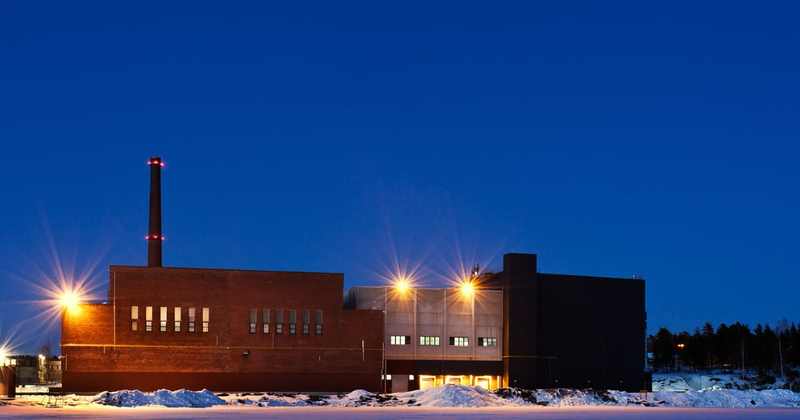
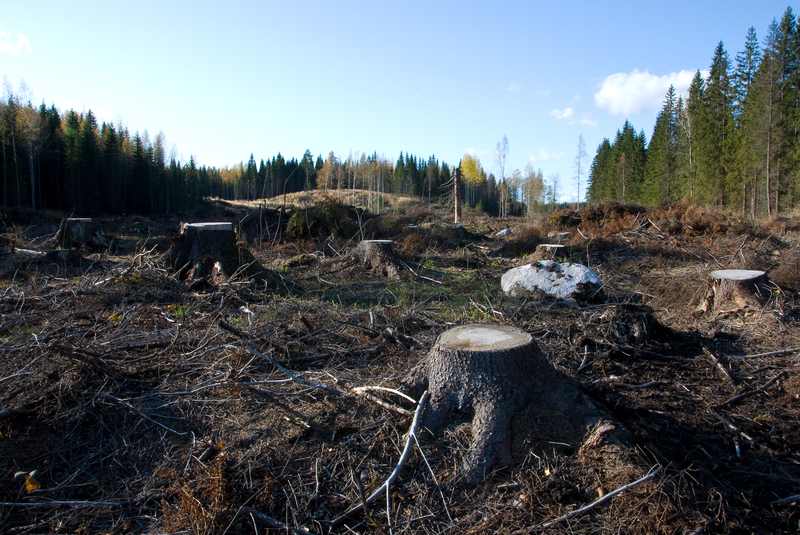
Finland halts Google data centers — at least the ground work. Finland's Licensing and Supervision Authority (LVV) has ordered Google's Finnish subsidiary Tuike Finland Oy to immediately suspend preparatory work at planned data centre sites in Muhos and Kajaani until environmental impact assessments (EIAs) are completed, after more than 530 hectares of forest were cleared without the mandatory reviews. The halt covers activities that significantly change the environment — tree felling, topsoil stripping, access roads, storage areas, ditch and culvert changes, stormwater management — while planning, measurements and soil surveys may continue. Google confirmed to Finland's national broadcaster Yle that contractors cleared about 330 hectares in Muhos and just under 200 hectares at Otanmäki in Kajaani. The agency told the company to stop the work immediately and no later than 23 October, with a written explanation due 14 October; stronger enforcement, including fines, is on the table if it does not comply.
Why this matters
This is not a paperwork dispute — it is the clearest test yet of whether Europe's environmental rules can bite the AI buildout. Google's €13 billion Finnish expansion was announced barely three weeks ago as its largest single investment in Europe, and it is already frozen in two of its flagship locations. The timing matters: the same month Google locked up 3.6GW of Constellation Energy's nuclear output to power its American data centers, its European construction strategy hit a permit wall. The constraint on the AI boom is no longer chips — it is permits, power, and now, in northern Finland, the forest itself. How LVV's order resolves will be watched by every hyperscaler racing to pour concrete across the Nordics, where cool air and cheap power made the region the continent's data-centre promised land.
What Finland ordered — and why
The LVV's notice, reported by Yle, says the agency's assessment is that extensive preparatory work already took place at both sites, and that identifying the effects of such work is precisely what the environmental impact assessment process exists to do. Agency official Sari Myllyoja described the order as “highly unusual,” telling Yle it was based on information from different parties and drone images published in the media — and that the agency has not yet visited either location. The investigation began after allegations of illegal logging at the sites.
The Finnish Association for Nature Conservation (FANC), which first asked the regulator to intervene, said the sites had been reduced to “sand,” blaming the oversights on an “overheated” market for new data centres. Chair Hanna Halmeenpää said satellite imagery showed four areas marked as nature sites in the local plan had been bulldozed — “either gross incompetence by Google's project company, gross disregard for Finnish law, or both.” Complicating matters, both sites are also under a building ban while their plans are appealed, and Muhos municipality told the regulator it never issued the project a building permit at all.
Google's defence
Google does not concede it broke the law. The company says the tree felling complied with Finland's Forestry Act, that ecological surveys were carried out before work began, and that areas of high environmental value were protected during clearing. Google's communications manager for Finland and Norway, Sondre Ronander, told Swedish Yle the company believed it had acted in good faith — but added: “We understand the concerns and have not managed to live up to our own high standards.”
The legal question LVV must now decide: whether forestry-law compliance is enough when a separate, broader environmental assessment for the same project is still open — or whether permanently converting the land had to wait for it. Tuike Finland Oy told the regulator it checked the law before work began and found its approach lawful under both the Forest Act and the Building Act, with Muhos building control confirming in June that work could start. Myllyoja told Yle it could take several months before the suspended work can potentially resume, and said the agency's stated preference is for Google to resolve the matter voluntarily.
What the numbers say
The scale of the clearing is the heart of the story. In Finland, permanently removing more than 200 hectares of forest triggers a mandatory environmental impact assessment — and the Muhos site alone saw 330 hectares felled, nearly 420 football fields, with a further roughly 200 hectares at Kajaani. The conservation association says the trees came down last winter, long before Google announced the project publicly and before the legally required review was done.
The €13 billion project price tag converts to roughly $15 billion — real money even by hyperscaler standards — and Google framed the Finnish buildout as its biggest European bet ever. Nearly two years ago, the Finnish government let state forest enterprise Metsähallitus sell Google four parcels of mostly commercial forestry land at Muhos and Kajaani — 1,400 hectares for more than €27 million — a deal that now looks like a bargain bought with other people's permitting pain. Zoom out further: in about three weeks, the AI buildout has absorbed delays at two of Oracle's flagship Stargate campuses, a statewide halt in Texas, and now Europe's biggest Google project. The bottleneck has moved from silicon to the ground underneath it.
Who wins, who loses
Finland's environmental regime wins credibility if the order sticks — a regulator that can freeze a $15 billion American project on drone footage and satellite imagery has teeth. Conservation groups, who moved first on the satellite evidence, win the argument that the Nordics' green-tech gold rush needs watching. Google loses momentum and faces months of delay at a moment when AI demand is accelerating; every month of suspended construction is a month competitors' concrete keeps curing. The municipalities of Muhos and Kajaani — which courted the investment and its jobs — lose the near-term windfall and inherit a legal fight. And the broader industry loses a comforting fiction: that Europe's fastest-growing energy-hungry infrastructure could expand without a full reckoning with its land footprint. The one party with nothing to lose is the market's permit lawyers.
What happens next
Three dates frame the next chapter: 14 October, when Tuike Finland Oy must submit its written explanation; 23 October, the latest compliance date for the suspension; and “later this year,” when the EIA is expected to be completed. LVV has not ruled out stronger enforcement — an administrative enforcement process and possible fines — if Google does not comply, and Myllyoja says months could pass before work resumes. Watch whether the regulator extends its scrutiny to Google's other Finnish sites: FANC has asked LVV to check whether the same pattern played out at Vaala and to use its enforcement powers across the project.
Watch too for the political dimension — the state sold Google the land, the municipalities wanted the jobs, and the regulator is now telling all of them the rules apply. If LVV holds the line, expect a template: satellite imagery, drone footage, and conservation groups as the enforcement mechanism for the AI buildout's next wave of permits.
Sources
- Daily Northern, reporting Yle: Authority orders Google to halt data centre site work
- The Guardian via Europe Says: Google told to halt work on datacentres in Finland
- Sweden Herald, citing Yle: Google ordered to halt work over environmental concerns
- Grand Goldman: Google ordered to halt Finland datacentre construction
- Technobezz: Google forest clearing and the unfinished environmental review
Reporting note: The regulator's order, the clearing totals and the company's response are attributed to published reports citing Yle. Analysis and framing are by Signal Post News.