A routine Tuesday meeting turned into the loudest night in Memphis politics this year — and a warning for every American city caught in the AI building boom.
The Memphis data center moratorium vote was supposed to be the main event of Tuesday night's city council meeting. Instead, the vote never happened — and the evening ended with bullhorns, chants of "sell-outs," police clearing the chambers, and the rest of the night's agenda abandoned.
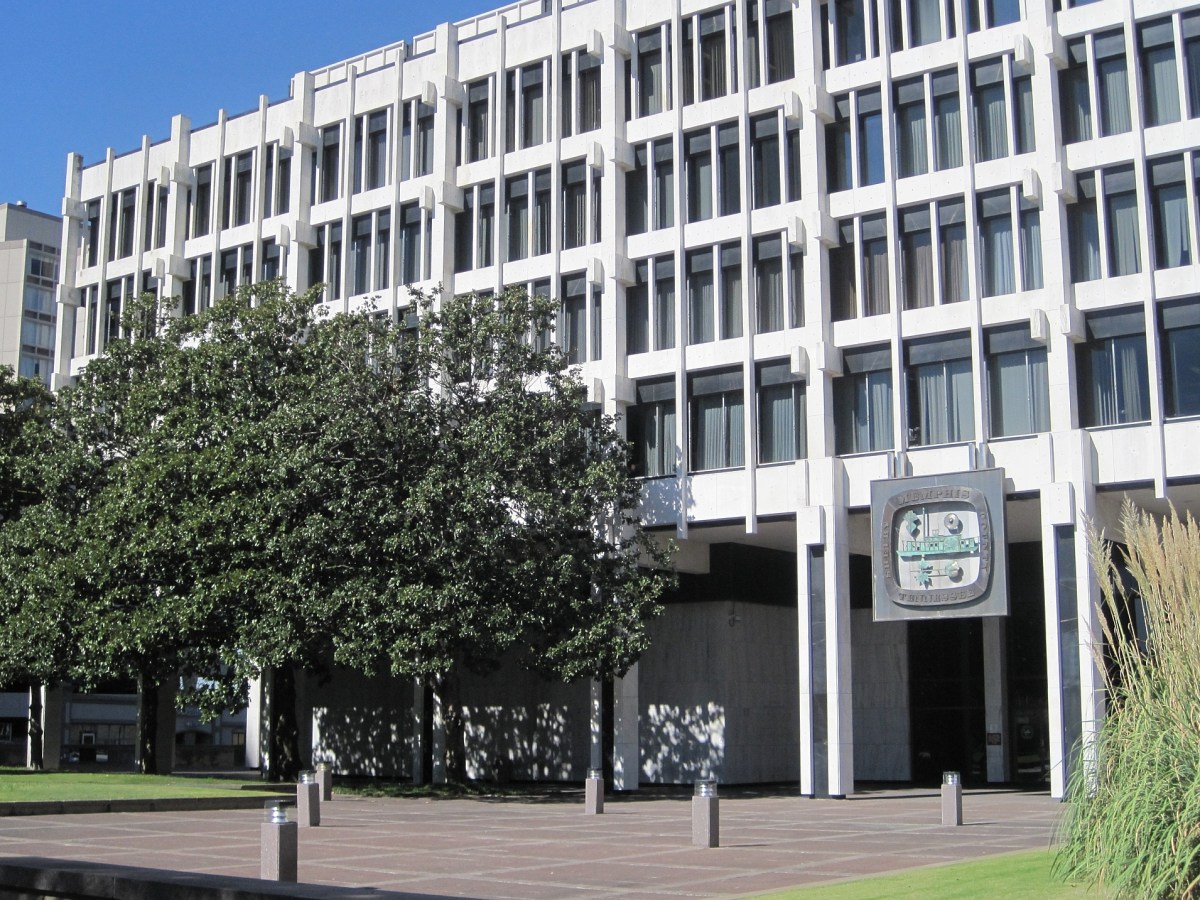
A 7-5 vote, then bedlam
The night unraveled in minutes. Councilman Chase Carlisle offered an amendment to postpone the vote on a proposed moratorium on new data centers — along with five other data center restrictions — and it passed 7-5. Voting yes: Carlisle, Ford Canale, Rhonda Logan, Philip Spinosa, Jeff Warren, Janika White and Yolanda Cooper-Sutton. Voting no: J.B. Smiley Jr., Jerri Green, Pearl Eva Walker, Michalyn Easter-Thomas and Council Chairwoman Jana Swearengen-Washington.
More than 200 people had packed the chambers at City Hall, 125 N. Main St., and roughly 100 of them had come specifically for the data center vote. The moment the 7-5 tally landed, dozens of opponents of the delay erupted — yelling, booing and chanting "sell-outs" as they rose from their seats, according to The Commercial Appeal.
One protester grabbed a bullhorn and led the room in "ain't no power like the power of the people." Another refrain rang out: "If we don't get it, shut it down." The crowd pressed toward the dais, shouting at the councilors huddled around it. Swearengen-Washington called a recess and ordered police officers to clear the hall. The council members excused themselves from the chamber — shutting down the rest of the meeting — and officers escorted the remaining attendees out. No remaining agenda items were discussed. WREG reported that at least two women fought near the exits during the chaos, but no arrests were made.
The night didn't end at the doors. Dozens of attendees gathered outside City Hall afterward, still chanting — "this is our city," "show me what democracy looks like" — turning a postponed vote into a street protest.
Why this matters
This is what the artificial intelligence boom looks like when it reaches city hall. Data centers are no longer an abstract infrastructure debate in Washington committee rooms. They are now the loudest item on a Tuesday night agenda in Memphis, Tennessee — and the fight there is a preview of dozens of fights to come.
Memphis has become the country's test case: the first American city where a hyperscale AI buildout collided head-on with organized community opposition, in public, on camera. The postponement doesn't end the fight. The moratorium comes back to the council on October 20 — with two more weeks of organizing, lobbying and anger on both sides.
There is a deeper significance that goes beyond one city's zoning code. Local governments are discovering that they may be the last meaningful regulators of the AI buildout. The U.S. Senate blocked a federal data center bill in September, which means there is no national framework coming to settle the questions Memphis is asking: who gets a say before the turbines arrive, who pays the health and grid costs, and who profits. When Washington punts, the fight moves to rooms like the one that emptied Tuesday night — smaller, louder, and much harder for the industry to control.
How Memphis became ground zero
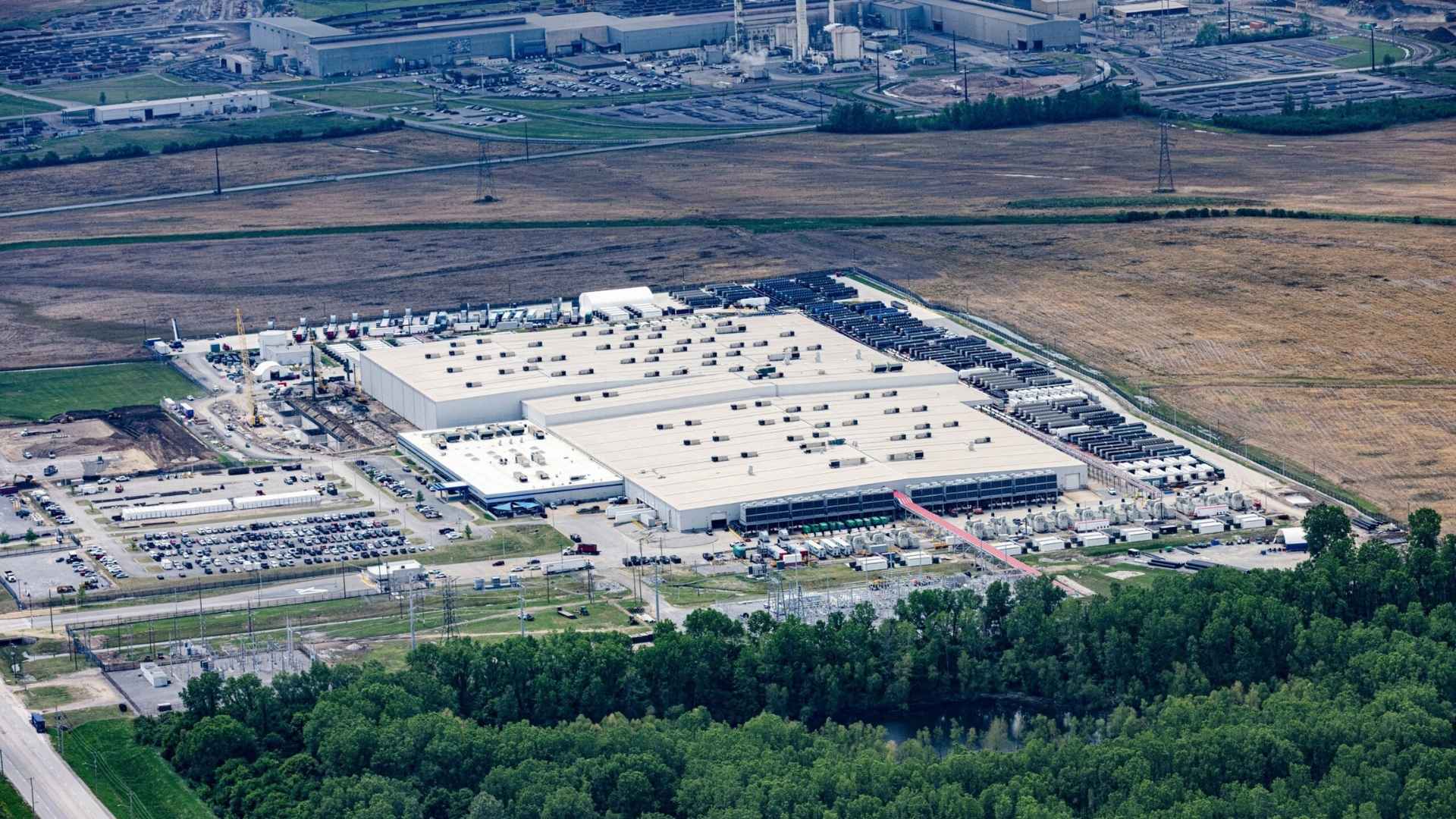
The roots of Tuesday's chaos go back to 2024, when Elon Musk's xAI moved into Memphis and built out its massive Colossus AI training complex. What arrived as an economic development triumph curdled, for many residents, into a grievance: they say the facilities landed with little community input and brought alarming questions about air quality from gas turbines used to power the sites.
Memphis Community Against Pollution has been the most organized voice of that grievance. Its executive director, KeShaun Pearson, told the council during September's debate: "We have been here for over two years telling you the rain is coming... It is past time to step up... and do something." The group points to a string of concerns — turbine emissions, water use, the sheer speed of the buildout — and notes that xAI is now eyeing what would be its fifth data center in the Memphis area, with sites south of the city along the Memphis, Tennessee–Southaven, Mississippi border.
The proposed moratorium is a temporary 12-month ban on new data center development and permitting, paired with zoning requirements that would limit where data centers can and cannot be built. It passed the first of three required readings, was delayed by a council committee on September 15, and was scheduled for its decisive vote on October 6 — until Carlisle's amendment pushed it to October 20.
One of the night's telling details: Councilwoman Yolanda Cooper-Sutton voted yes on the postponement. Cooper-Sutton was the first member of the council to advance any ordinance against data centers, and during the meeting she emphasized that she had spoken up against the facilities — "SpaceXAI," as she put it — as far back as 2024. Her yes vote suggests that even some supporters of regulation wanted more time, or a different vehicle than a blunt moratorium. Mayor Paul Young, meanwhile, has tried to thread the needle, speaking vaguely of "guardrails" while supporting the industry's presence in the city.
Memphis is not alone. In August, the Indianapolis council advanced its own pause on data centers. The pattern is spreading because the underlying economics are the same everywhere: the AI infrastructure boom needs enormous amounts of power, land and water, and it needs them fast — faster than most cities' planning processes were built to handle.
Who wins, who loses, and what both sides say
The protesters' case
For the residents who packed the chambers, the argument is about health and fairness. Memphis is a majority-Black city being asked to host the power-hungry infrastructure of the world's richest man — and, in their view, without a real say in the matter. The environmental justice framing is explicit: the benefits of AI flow to shareholders and cloud customers everywhere, while the costs — air emissions, grid strain, industrial neighbors — land on specific, mostly working-class neighborhoods. Their demand is modest on paper: not a permanent ban, but a one-year pause to write the rules before more concrete is poured.
The council majority's case
The seven who voted to postpone have a different story, and it deserves a fair hearing. Several, including Rhonda Logan, have said they are not opposed to a moratorium in principle — they want better zoning regulations first, so the city controls where data centers go rather than simply freezing everything. A blunt 12-month ban, in this view, could invite lawsuits, scare off investment the city genuinely needs, and do nothing whatsoever about the facilities already operating. Process matters: a moratorium written hastily under chanting crowds may not survive its first court challenge.
The industry's case — and its critics
xAI and its allies argue the facilities bring jobs, tax revenue and a stake in the defining industry of the decade — that turning away AI investment would be economic malpractice for a city competing with every other metro in America. The local chamber of commerce has opposed the moratorium on those grounds. The counterargument, made by groups like Indivisible Memphis — which put up billboards opposing the data centers — is that the jobs are fewer and more specialized than promised, while the environmental costs are local, immediate and borne by people who never signed up for them.
Tuesday night showed how far apart those two stories are. To the protesters, delay reads as capture — "sell-outs" was the mild version of what was chanted. To the council majority, the delay is prudence. Both sides will spend the next two weeks trying to prove the other wrong.
The numbers behind the fight
7-5. The margin on Carlisle's postponement amendment. A single vote the other way and the moratorium would have moved forward on Tuesday night instead of October 20. That is how thin the line was between order and chaos.
200+. The crowd inside the chambers. Ordinary council meetings draw a fraction of that. Roughly 100 people came specifically for the data center vote — a turnout that tells you how deeply this issue has penetrated neighborhood politics.
12. The months the proposed moratorium would freeze new data center development and permitting. A year is long enough to write real zoning rules, and short enough — supporters argue — that it cannot fairly be called a ban.
5. The data center xAI is reportedly pursuing in the Memphis area. The fight is not only about what is already humming south of the city; it is about what comes next.
3. The readings a Memphis ordinance must clear. The moratorium passed the first. Two remain — which is why October 20 matters so much.
0. The arrests made Tuesday night, despite the shoving, the bullhorns and the cleared chambers. That restraint, by the Memphis police, kept a chaotic night from becoming a violent one.
What happens next
Three scenarios now branch out from October 20.
Scenario one: the moratorium advances. The council could pass it on second reading, possibly amended with the zoning rules that members like Logan want. That would make Memphis one of the first major American cities to formally pause AI data center development — and every other city watching, from Indianapolis to the suburbs of Phoenix and Columbus, would take notes.
Scenario two: regulation replaces the moratorium. The council could substitute a package of zoning restrictions, emissions rules and water-use requirements — the "guardrails" approach Mayor Young keeps invoking. Less dramatic than a freeze, and possibly more durable in court. This is the outcome the postponement's supporters seem to be reaching for.
Scenario three: the delay becomes a quiet death. The proposal gets deferred again, or watered down past recognition. That is the outcome the protesters fear most — and the one the industry would quietly prefer.
What to watch in the next two weeks: whether xAI or its allies mobilize publicly before October 20; whether the council publishes draft zoning language that gives the postponement a credible purpose; and whether other Tennessee cities start their own moratorium debates. Tuesday night proved that in Memphis, at least, the AI boom is no longer something that happens somewhere else. It happens at 125 N. Main St. — loudly.
Sources
- The Commercial Appeal, "Council meeting shut down when audience erupts after moratorium postponed," October 6, 2026 — commercialappeal.com
- New York Post, "City council meeting erupts into chaos after planned data center vote postponed," October 7, 2026 — nypost.com
- WREG Memphis and KWAM News Radio reporting on the October 6 meeting, as cited in national coverage.
- The Commercial Appeal, "Memphis City Council delays moratorium on data centers," September 15, 2026 — background on the September committee delay.