Tesla 30 billion credit facilities
AUSTIN, Texas — Tesla entered into $30 billion in new credit facilities Tuesday, September 29, according to SEC filings described by Investor's Business Daily, Barron's and TipRanks. The Tesla 30 billion credit facilities were untouched at signing, but they give Elon Musk a large, staged pool of debt just as the company shifts from a cash-rich automaker into an AI, robotics and infrastructure builder.
The package consists of a $20 billion three-year delayed draw term loan arranged with Citibank or Citigroup, an $8 billion five-year senior unsecured revolving credit facility with Wells Fargo, and a $2 billion 364-day revolver with Wells Fargo. Tesla can request up to $4 billion in additional commitments across the two revolvers. Pricing moves with Tesla's credit ratings, and the company must maintain at least $5 billion in liquidity.
Tesla said it had drawn nothing as of September 29. The agreements replace a $5 billion revolver due in 2028, which was terminated without penalty. That replacement is the headline inside the headline: borrowing capacity did not merely rise; it multiplied sixfold.
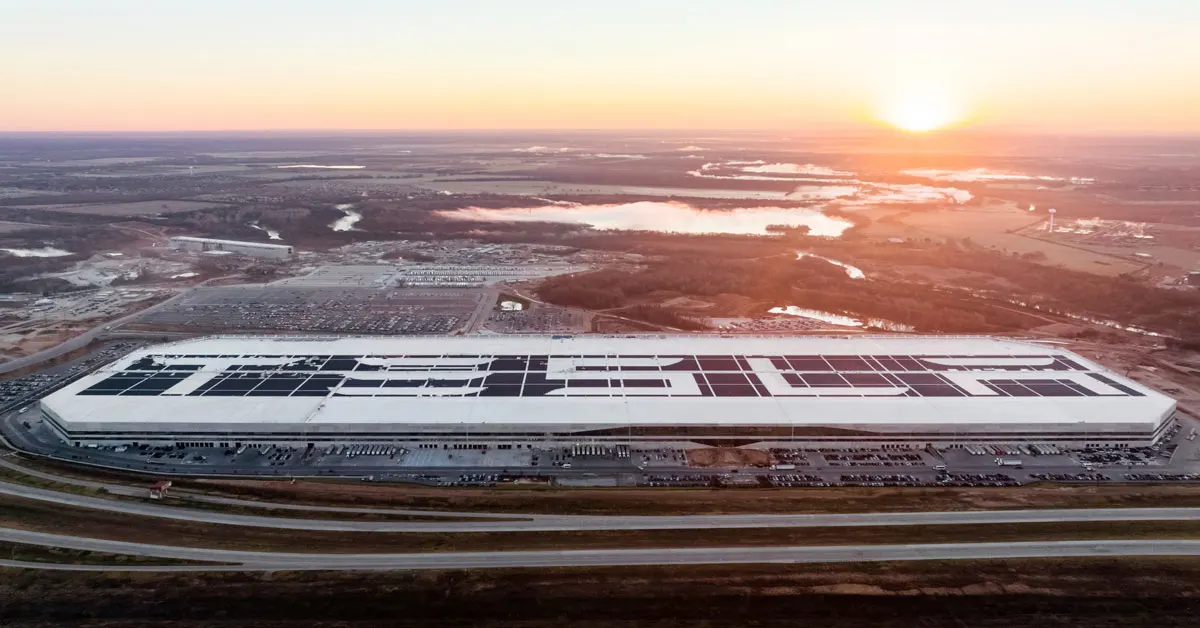
Why Tesla's $30 billion credit package matters
A balance-sheet pivot from cars to debt-funded AI
This is Tesla's biggest balance-sheet pivot. The company that trained investors to prize internally funded growth is building an external financing bridge into a radically more capital-intensive future. Since 2019, Tesla had established a record of consistent free cash flow. Now it is deliberately creating room for negative cash generation while it pays for robots, autonomous vehicles, chips, solar cells and computing campuses before those businesses are proven at scale.
The unsecured structure is a vote of confidence from Wall Street. Citi and Wells Fargo are not taking a lien over factories to make this work. They are lending against Tesla's corporate credit and the assumption that its cash, market access and future earnings can support a very large program. That does not make the bet safe; it does show the banks believe Tesla has enough financial gravity to borrow at the parent-company level.
For shareholders, debt is the least disruptive way to fund the experiment today because it avoids immediate equity dilution. But dilution-free is not risk-free. Interest, rating-linked pricing and fixed maturities turn execution delays into balance-sheet pressure. If Optimus and Cybercab arrive late, the debt remains punctual.
The package: liquidity now, deadlines later
Tesla Citibank Wells Fargo facilities
The $20 billion delayed draw term loan is the centerpiece. Tesla may make up to 10 draws during the first 18 months. The window is intentionally front-loaded: undrawn commitments decline to $10 billion after one year and to $5 billion after 15 months, then expire after 18 months. Any loans drawn under it mature in September 2029.
The $8 billion senior unsecured revolver runs through September 2031 and can be used in dollars, pounds or euros. The separate $2 billion revolving line expires in September 2027. Together, those revolvers can be increased by up to $4 billion if lenders agree.
Those mechanics force Tesla's hand. The company can wait for invoices and construction milestones, but it cannot preserve the full $20 billion term-loan commitment indefinitely. After 12 months, half of the undrawn capacity falls away. The most likely sequence is therefore selective borrowing against major projects before the first step-down, followed by use of the longer revolver as a liquidity backstop.
What the money is meant to build
Tesla AI spending: Optimus, Cybercab, Cortex and Terafab
Tesla's target list reads less like a carmaker's budget than a vertically integrated technology empire: the Optimus humanoid robot, Cybercab and robotaxi expansion, a solar cell factory, AI compute and data centers, and Terafab, the chip plant in Grimes County, Texas, being built with SpaceX with an initial investment of $16.8 billion.
Musk has called 2026 a “massive capex year” and said he expects the investments to generate strong returns. CFO Vaibhav Taneja told investors on the second-quarter call that capital spending would keep rising over the next two to three years. In the first half of 2026, Tesla's onsite AI training compute in Texas more than doubled to more than 205 megawatts at its Cortex facilities.
The background matters. Tesla launched its robotaxi service in Austin in June 2025, moving autonomy from demonstration to operating service. But scaling a city-by-city transportation network is expensive: vehicles, remote support, data infrastructure, charging and service capacity must arrive ahead of revenue. The new debt package gives Tesla the ability to finance that rollout without waiting for automotive cash flow to recover.
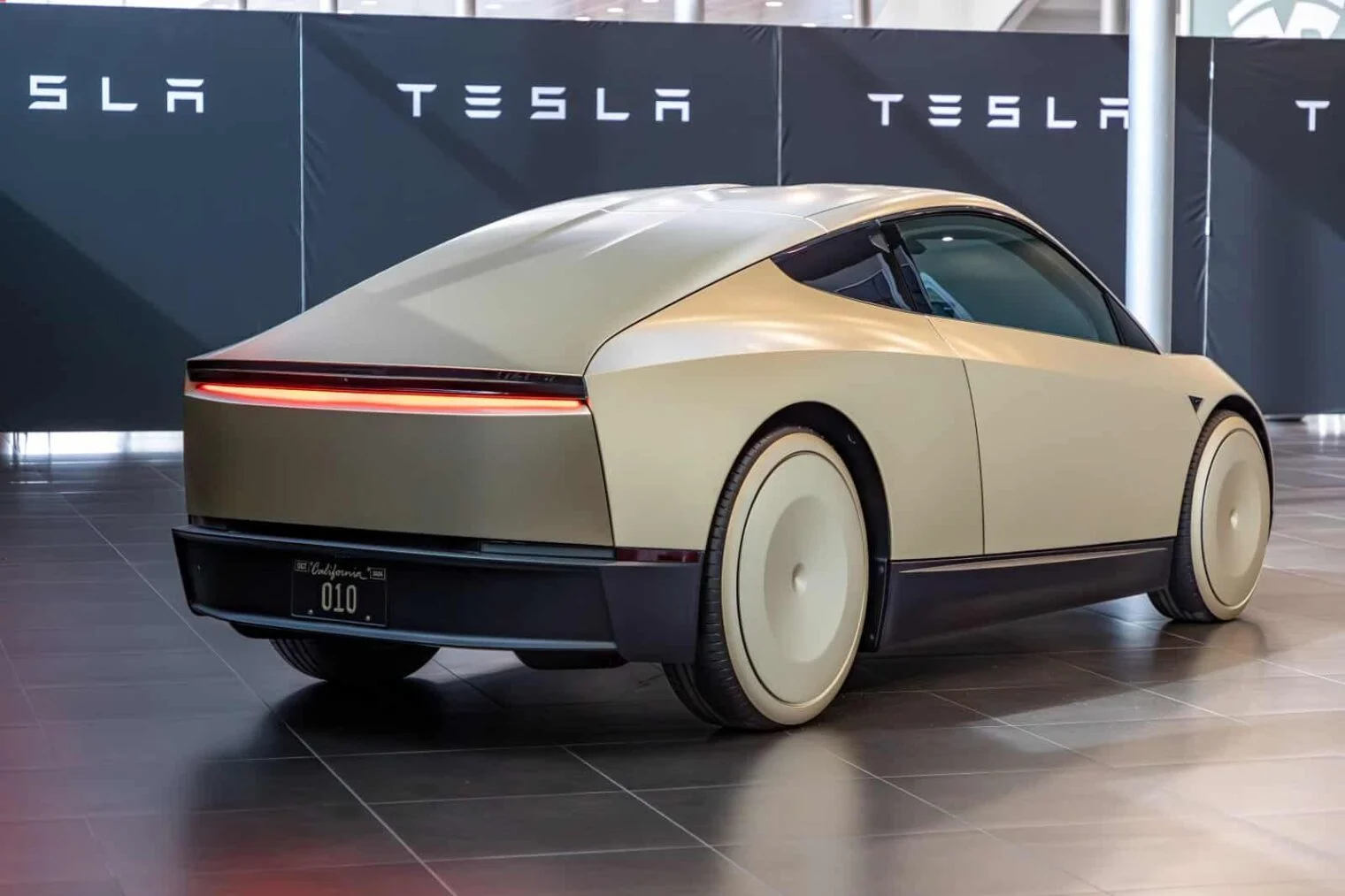
The numbers behind the urgency
Tesla capex 2026 versus Tesla free cash flow
Tesla expects to spend more than $25 billion on capital projects in 2026, roughly three times the approximately $8.5 billion spent in 2025. Second-quarter capex alone rose to $5.79 billion, more than double the previous quarter, and the quarter produced Tesla's first negative free cash flow since the first quarter of 2024.
Barron's expects free cash flow at negative $10 billion for 2026. Tesla ended the second quarter with $43.5 billion in cash and short-term investments, so this is not emergency financing. It is strategic liquidity: the company is protecting its cash cushion while opening a parallel funding channel for a spending program that Wall Street expects to stay above $20 billion annually through the end of the decade.
Barclays analyst Dan Levy captured the practical logic: “We suspect facilities will be drawn to support Tesla's elevated near/mid-term capex.” He added that debt may help fund robotaxi expansion and rates Tesla Hold. GLJ Research's Gordon Johnson, who rates the shares Sell, expects Tesla to use $7 billion to $8 billion of cash in the second half of 2026. The two views differ on the destination, not the pressure: both assume the spending surge will consume capital.
Winners, losers and the AI debt question
Who benefits from the Tesla stock credit line
Citi and Wells Fargo benefit first. Arranging and maintaining facilities of this size creates fees and a long banking relationship with one of the world's most closely watched companies. Tesla benefits from a dilution-free runway and the option to draw only when projects need cash. Suppliers and builders benefit if secured financing converts plans into purchase orders across Texas and the robotaxi network.
Shareholders carry the leverage risk. Tesla's market value has long rested on expectations about future businesses. Debt makes those expectations more time-sensitive because a missed launch or delayed factory no longer costs only opportunity; it can also worsen borrowing economics. TSLA fell about 1% Wednesday after closing down 1.3% Tuesday and traded near its 50-day line, according to MarketSurge — a muted reaction, but not an endorsement.
The larger concern reaches beyond Tesla. Goldman Sachs estimates investors have provided roughly $500 billion to AI-linked companies and infrastructure this year. The Bank of England has flagged AI debt as a financial-stability concern. Tesla's facilities add another enormous borrower to a market increasingly willing to fund uncertain AI payoffs with contractual liabilities.
What happens next
When the delayed draw term loan may start moving
Nothing drawn at signing means the first clue will come from project cadence. Terafab construction, Cortex compute additions, solar manufacturing and a broader robotaxi rollout are the likely cash triggers. Because the term-loan commitment drops to $10 billion after 12 months, Tesla has a financial incentive to align its first large draws with the coming year's construction schedule rather than wait until every project is mature.
The optimistic case is straightforward: Tesla uses the facilities selectively, robotaxi revenue scales, Optimus becomes a commercial product, Terafab lowers strategic chip costs and the company reaches Wall Street's positive-free-cash-flow thesis in 2029. That thesis assumes roughly $200 billion in revenue in 2029, compared with about $106 billion expected in 2026.
The break case is equally clear. If autonomy expansion stalls, robotics remains experimental or factories overrun, more debt will be funding assets with delayed returns while automotive cash generation carries the bill. Ratings-linked pricing would then become more expensive at exactly the wrong time, and the $5 billion minimum-liquidity covenant would narrow management's flexibility.
Tesla has bought time without committing to use it. That is disciplined. But the shrinking draw window means the decision cannot be deferred forever. The real story is not that Tesla borrowed $30 billion on Tuesday; it is that Wall Street agreed to stand ready while Musk attempts to turn a profitable automaker into an infrastructure-heavy AI company. The first draw will tell investors that the transformation has moved from ambition to obligation.
Related coverage
Reporting basis
Reporting basis: Credit terms and company figures are drawn from Tesla's September 29 SEC disclosure as reported by Investor's Business Daily, Barron's and TipRanks. Market movement is attributed to MarketSurge. Analyst quotations and projections are attributed in the text. Analysis is Signal Post News's. This is a fixed September 30, 2026 reporting snapshot.