Qualcomm layoffs 2026: the San Diego chipmaker that puts Snapdragon processors into hundreds of millions of phones is about to shrink the workforce that built them, after its chief executive told 52,000 employees that parts of the company have consistently fallen short.
Technology / Business — when a company growing into AI data centres starts cutting the phone business that made it, the memo language about “performance culture” is only half the story
Track it live: live markets tracker
What the Qualcomm layoffs memo actually says
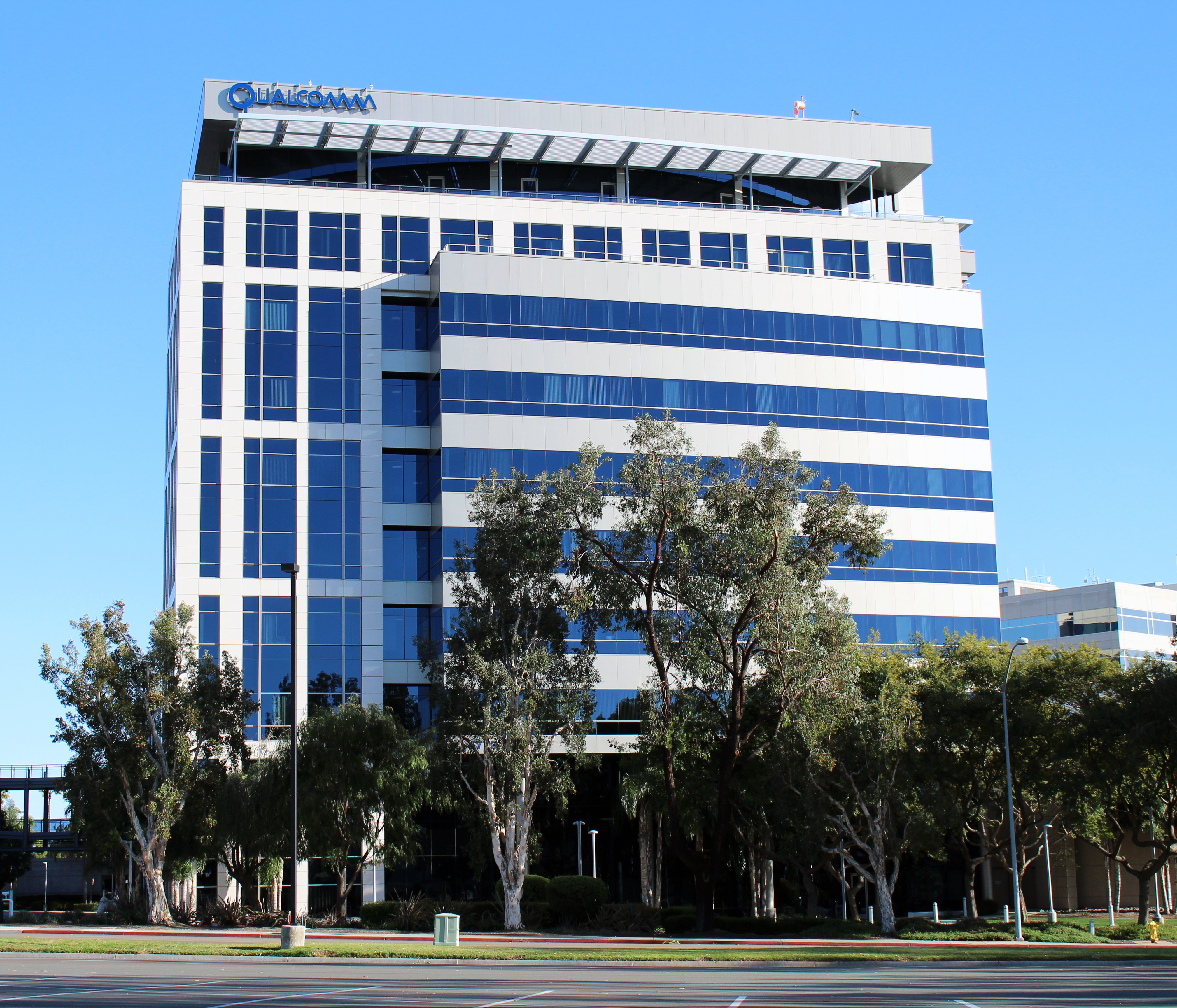
The facts, as far as they go, fit in a few lines — and the gaps in them are the story employees will spend the next month filling in. Amon’s memo, sent Monday after the company’s annual review cycle, announces a worldwide reduction that is explicitly tied to performance: this is not framed as a plant closure, a divestiture or a demand-driven restructuring, but as a cull of people and teams judged to have missed the mark. Notifications begin in November. No number is given — not a headcount, not a percentage, not a list of sites or divisions. “As we have expanded the business, so have the competencies and skills we require,” Amon wrote. “We must have the right people in the right roles so they can perform at their best and the company can continue to succeed.” A second wire account of the same memo, carried by dpa-AFX, reported the same November start and the same absence of a figure, and put Qualcomm shares at a close up nearly 1 percent at $173.53 on Monday.
That missing number matters more than the announcement itself. Qualcomm employed about 52,000 people globally as of September last year, most of them full-time, and its financial year typically ends in late September — which means the memo lands just as a new fiscal year begins, the classic moment for a reset. A “performance-focused” cut of even 2 to 3 percent would mean roughly 1,000 to 1,500 people; at 5 percent it would be about 2,600. Until November, every one of the 52,000 is left to guess which side of that line they are on — a design that maximises anxiety, and, critics of the format would say, is precisely the point: performance-linked reductions keep the whole workforce pressing until the letters go out.
Why this matters
Start with the scoreboard, because it explains the pressure better than the memo does. Qualcomm is one of the world’s biggest smartphone chipmakers, yet its shares have risen just 1.5 percent in 2026 — against gains of more than 12 percent for the S&P 500 and nearly 60 percent for the Philadelphia Semiconductor Index. In an industry having its best year in a generation, powered by exactly the AI spending wave Qualcomm wants to ride, the company has been left standing almost still. That gap is the context for every hard sentence in Amon’s memo: investors are rewarding chip companies lavishly, just not this one, and management has concluded that part of the problem is internal.
The external problem is real, too. Qualcomm has been hit this year by a slump in consumer electronics sales as soaring memory prices weigh on demand in its key markets — when the memory inside a phone gets expensive, phones get expensive, and fewer of them sell, which means fewer Snapdragon orders. In its latest earnings report in late July, Qualcomm forecast quarterly profit below estimates and said revenue from Apple products would decline faster than expected, as Apple continues shifting to its own modem technology. Losing Apple slowly was always in the plan; losing it faster than planned, while the broader handset market cools, squeezes the core business from both sides at once. Read against that backdrop, the layoffs are not a company in crisis — revenue was $44.28 billion in fiscal 2025 — but a company reallocating: fewer resources for a maturing phone business, more for the businesses it has promised will replace it.
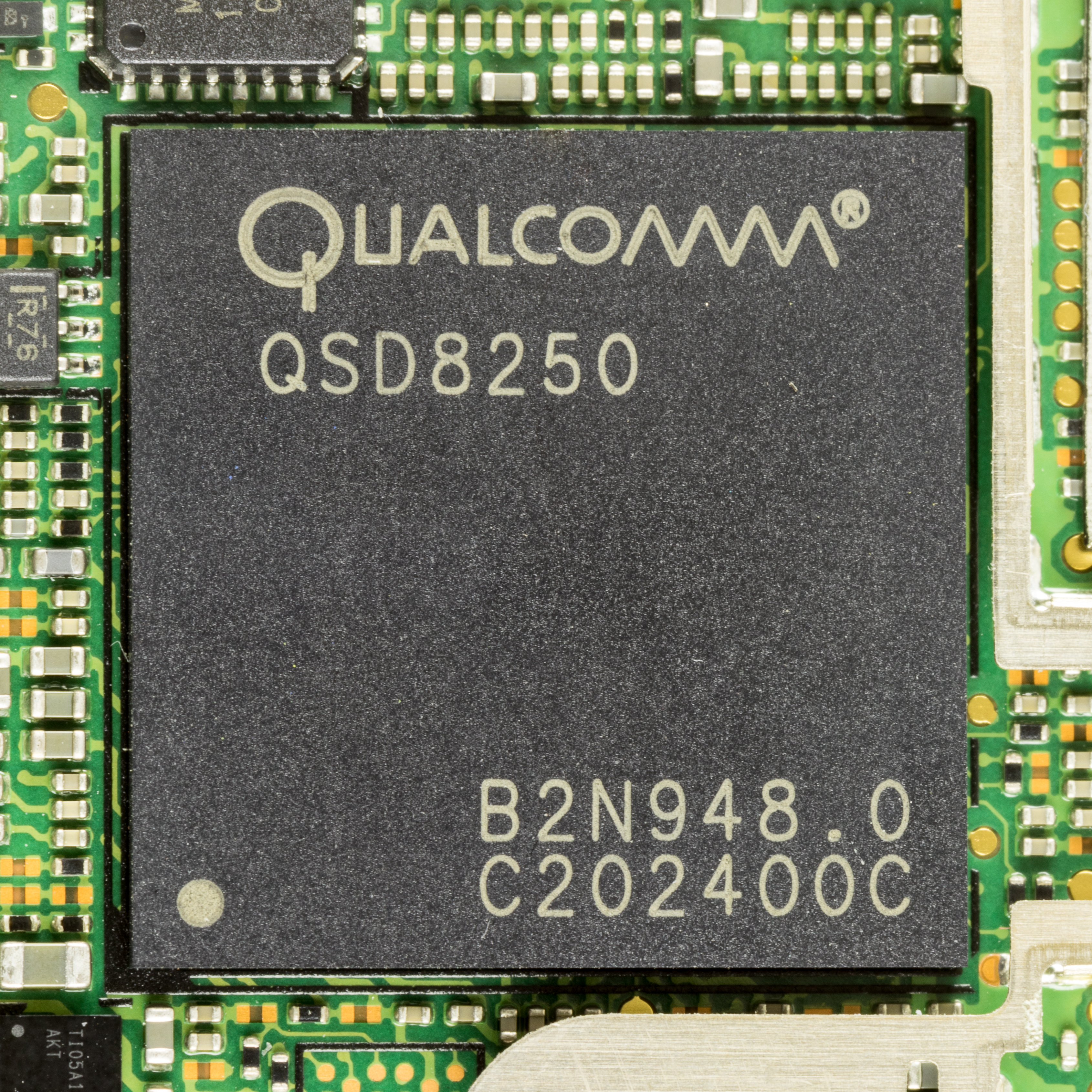
That promise is specific. Qualcomm has signalled that growth in data-centre and other non-handset businesses will more than offset the lost Apple revenue by fiscal 2027, and it expects the majority of its chip sales to come from businesses other than smartphones in that year as it expands into the fast-growing AI data-centre market — the same build-out visible in the next generation of AI processors and in South Korea’s record AI-driven chip exports. A workforce built over four decades to design phone silicon — the world Qualcomm showed off at its Snapdragon Summit — is not automatically the workforce you need to sell custom silicon to hyperscalers. Amon’s line about “competencies and skills” is corporate language for that mismatch, and it is why the cuts are global and skills-based rather than a single site closure.

Who gains, who loses, and what critics will say
The losers, in the first instance, are the employees in the parts of the company that map to its past: handset-adjacent teams, duplicated functions from years of expansion — Qualcomm has grown by acquisition as well as organically — and anyone whose annual review put them in the “consistently fallen short” category the memo names. Because the criteria include business priorities and organisational needs alongside individual performance, strong performers in shrinking units are not necessarily safe, whatever the memo’s framing implies. San Diego, home to headquarters and one of the largest engineering workforces, and the big Indian engineering centres in Hyderabad and Bengaluru will be watched most closely; the company has published no country-by-country split.
The gainers are equally clear. Shareholders get a leaner cost base heading into a fiscal year in which Qualcomm must prove its data-centre story with numbers, not promises — the stock’s flat 2026 makes the need for proof unusually urgent. And the AI data-centre push gets the internal resources and hiring room that a freeze elsewhere creates: performance culls of this kind are almost always followed by targeted hiring in the priority areas, which is why the net headcount a year from now may not fall by anything like the gross number cut in November.
Critics will make two arguments, and both deserve a hearing. The first is that “performance-focused” is the most corrosive label a layoff can carry: unlike a restructuring, it tells every departing employee the judgment was personal, and it tells every remaining one that the review system is now a ranking with exits attached — a dynamic that tends to reward visibility and self-protection over the long, quiet work chip design actually requires. The second is that Qualcomm’s problem is not effort but position: it is losing Apple by Apple’s choice, facing memory-price headwinds it does not control, and chasing a data-centre market where Nvidia and the hyperscalers’ in-house silicon teams are entrenched. No performance culture, however strong, changes those facts; only products do. The company’s answer, implicit in the memo, is that skills are exactly the product input it can control — hence “the right people in the right roles.”
What happens next
Three dates now define this story. First, November, when notifications begin and the scale of the Qualcomm layoffs finally becomes knowable — through the company, through filings in jurisdictions that require disclosure, or through the employees themselves. Second, the company’s next earnings report, where investors will press for the number the memo withheld and for evidence that the data-centre ramp can really outrun the Apple decline by fiscal 2027. Third, the fiscal 2027 milestones themselves: a majority of chip sales from outside smartphones is an audacious target for a company synonymous with phones, and every quarter between now and then will be graded against it.
The balanced reading is this: Qualcomm is not shrinking because it is failing; it is cutting because its centre of gravity is moving, and moving workforces is slower and harder than moving strategies. Whether November’s cull is remembered as a disciplined reallocation or as the moment a flat stock price was answered by taking it out on the staff will depend entirely on the number that is still missing — and on whether the people kept can build the data-centre business the memo is betting the company on.
Sources
Reuters (October 20, 2026), “Qualcomm to cut jobs worldwide in performance-focused layoffs, internal memo shows” — reporting by Aditya Soni and Jaspreet Singh, based on CEO Cristiano Amon’s memo to staff reviewed by Reuters. dpa-AFX via TradingView (October 20, 2026), “Qualcomm Reportedly To Cut Jobs Globally Following Performance Reviews.” Livemint (October 20, 2026), “Qualcomm layoffs: Chipmaker to cut jobs globally from November after performance reviews.” The Hindu BusinessLine (October 20, 2026), “Qualcomm to cut jobs worldwide in performance-focused layoffs.” Company background: Qualcomm fiscal 2025 revenue of $44.28 billion and approximately 52,000 employees (September 2025), as reported by Reuters and company filings.