Animals · Alaska · Soldotna
The Bella Rose dog found Alaska story ends the way her owner always insisted it would: at about 9:30 p.m. on November 4, the extra-large chocolate-and-tan American Bully walked into a pen Rufus Arroyo built for her at the Soldotna landfill, pawed at her own blanket — and the pressure-plate door shut behind her. Seventy days after she bolted across a highway at rush hour, in country where bears roam, Bella Rose is home.
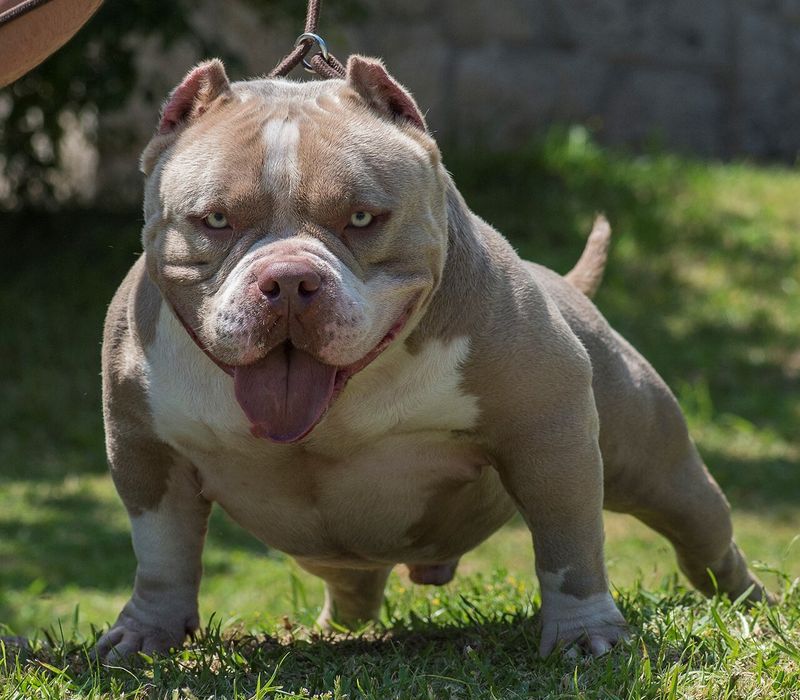
SOLDOTNA, Alaska, November 8, 2026 — She went missing on an errand so ordinary it barely registers as a decision. On August 26, Rufus Arroyo’s brother — working with a broken arm — took Bella Rose to Twin Cities Veterinary Clinic in Soldotna to update her shot records before her second birthday, KTUU, Alaska’s News Source, reported. Bella Rose is a skittish dog. Outside the clinic she began racing in circles around him; rather than fall and re-injure the arm, he let go of the leash. That was all it took. She bolted across Kalifornsky Beach Road at the height of rush hour — a lost-dog notice described a chocolate-and-tan American Bully in a purple buckle collar and an orange training collar, a grey leash still attached — and vanished into the trees on the far side.
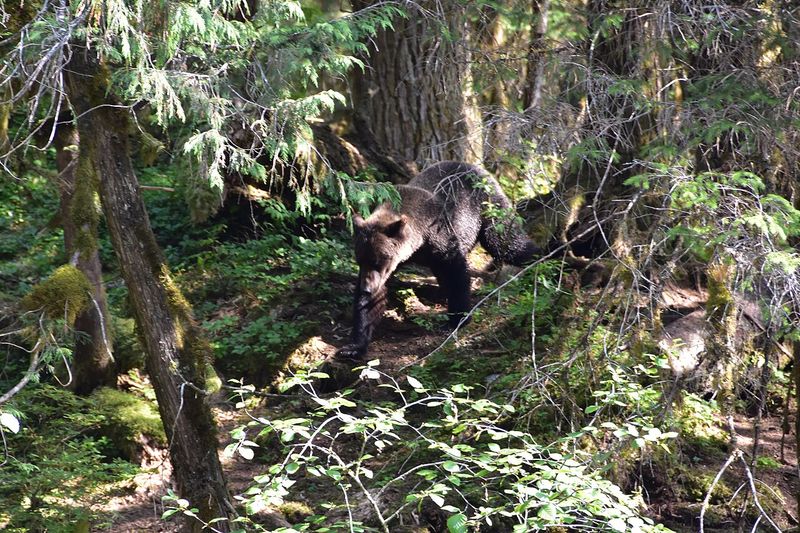
Arroyo, a Soldotna resident of 20 years who works on call at Central Peninsula Hospital, searched daily. “It was just a parent looking after their kid,” he told KTUU. The search became a town project in the way only small Alaska towns seem able to organise: Kenai Peninsula Animal Lovers — KPAL, led by Kelly Griebel — lent traps and expertise; landfill staff helped; and Kenai Peninsula Borough Mayor Peter Micciche, known locally as an advocate for lost pets, gave Arroyo permission to stay on landfill property overnight. Sightings placed Bella Rose near Slikok Creek, in bear country, sheltering under a collapsed barn — close enough to keep hope alive, wary enough, as lost dogs so often are, to keep her distance from everyone trying to help her. It is the same patience-first logic that governs rescues everywhere, of the kind Signal Post News has chronicled in very different country in the orangutan rescues in Borneo: you do not chase a frightened animal. You build the place it will choose to walk into.
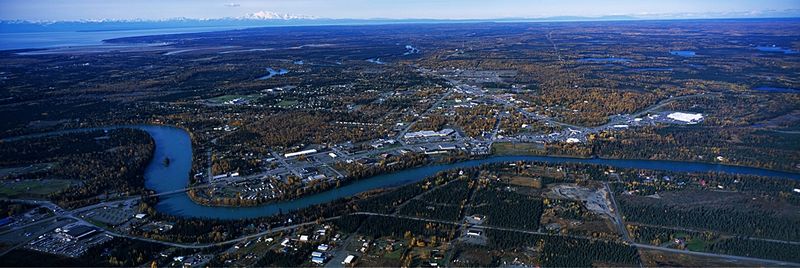
The pen at the landfill
So Arroyo built the place. At the Soldotna landfill he constructed a pen four feet by eight, fitted with a pressure-plate trigger, and laid inside it a blanket Bella Rose had used — her own scent, her own bedding, in a box built for exactly one dog. He kept watch over it, night after night, in the cold. At about 9:30 p.m. on November 4, a chocolate-and-tan shape edged into view. Bella Rose stepped cautiously into the pen, pawed at the blanket — and the trigger did its work. The door shut. She was caught safely, unhurt, 70 days after she ran. Arroyo told KTUU he had been crying all day, and credited the landfill workers, Mayor Micciche and KPAL for bringing her home.
Who gains, who loses, who pushes back
There are no losers in this story, which is part of its rarity — but there are people and habits worth crediting, because they generalise. Arroyo gains his dog, and his method is the lesson: daily searching, documented sightings, professional traps borrowed from KPAL rather than improvised chasing, and finally a stationary, scent-baited pen at the place the dog kept returning to. KPAL and the borough come out of the story as infrastructure every pet-owning town needs before it needs it — a standing group with traps, local knowledge and a mayor who answers the phone. The sceptical note is a fair one, and it belongs to the calendar: 70 days is an almost unheard-of survival window for a leashed, domesticated dog in bear country heading into an Alaska autumn, and Bella Rose’s condition on capture — caught safely, per KTUU, and now home recovering — is the beginning of her recovery, not the end of the story. Most lost dogs are not found on day 70. This one was, because one man refused to treat day 69 as the last day.
Why this matters
A small town’s search grid actually worked
Strip the story down and it is a case study in how lost animals are really recovered: not by luck, and not by a single hero’s hike, but by a network — a rescue group’s traps, a mayor’s permission, landfill staff’s tolerance, neighbours’ sightings logged near Slikok Creek — holding together for ten weeks until the dog’s own habits brought her to the one prepared place. Towns that build that network in advance find more of their Bellas. That is a transferable lesson, as portable as the science networks in stories like the discovery of new deep-sea species off Argentina are not: this one fits in a group chat and a borrowed trap.
The date nobody could have arranged
And then there is the detail Arroyo only understood once she was safe. Bella Rose’s grandmother — a dog named Athena Rose — had died exactly two years earlier: to the day, and, Arroyo said, to the hour. November 4, 9:30 p.m. Coincidences do not need a meaning to be worth recording; they need only to be true, and this one is his to tell. It is also, in the end, the most honest summary of the whole 70 days. “They’re not dogs,” Arroyo said. “They’re my family. And I would do it again if I had to.”
What happens next
For Bella Rose: home, warmth, food and recovery, under the eye of the household she ran from by accident in August — a second birthday that will now be celebrated rather than marked. For Soldotna: a story the town will retell, and, if KPAL’s role is any guide, a few more residents who know exactly whom to call the next time a leash slips outside a vet clinic. And for anyone reading this with a skittish dog of their own, the practical residue of the story is the method that ended it — sightings, patience, scent, and a door that closes gently behind the animal that finally trusts it.
What do you think — would you have kept searching on day 70? Follow Signal Post News for more stories like this one, and share your thoughts below.
Sources
Sources: KTUU, Alaska’s News Source — original reporting on the August 26 disappearance, the 70-day search, the landfill pen and the November 4 reunion, including Arroyo’s interviews; KTUU video report: “More than 2 months later, Soldotna man reunited with lost dog”. Photos: Wikimedia Commons, as credited in the captions; the lead image is a file photo of the breed, as its caption states.