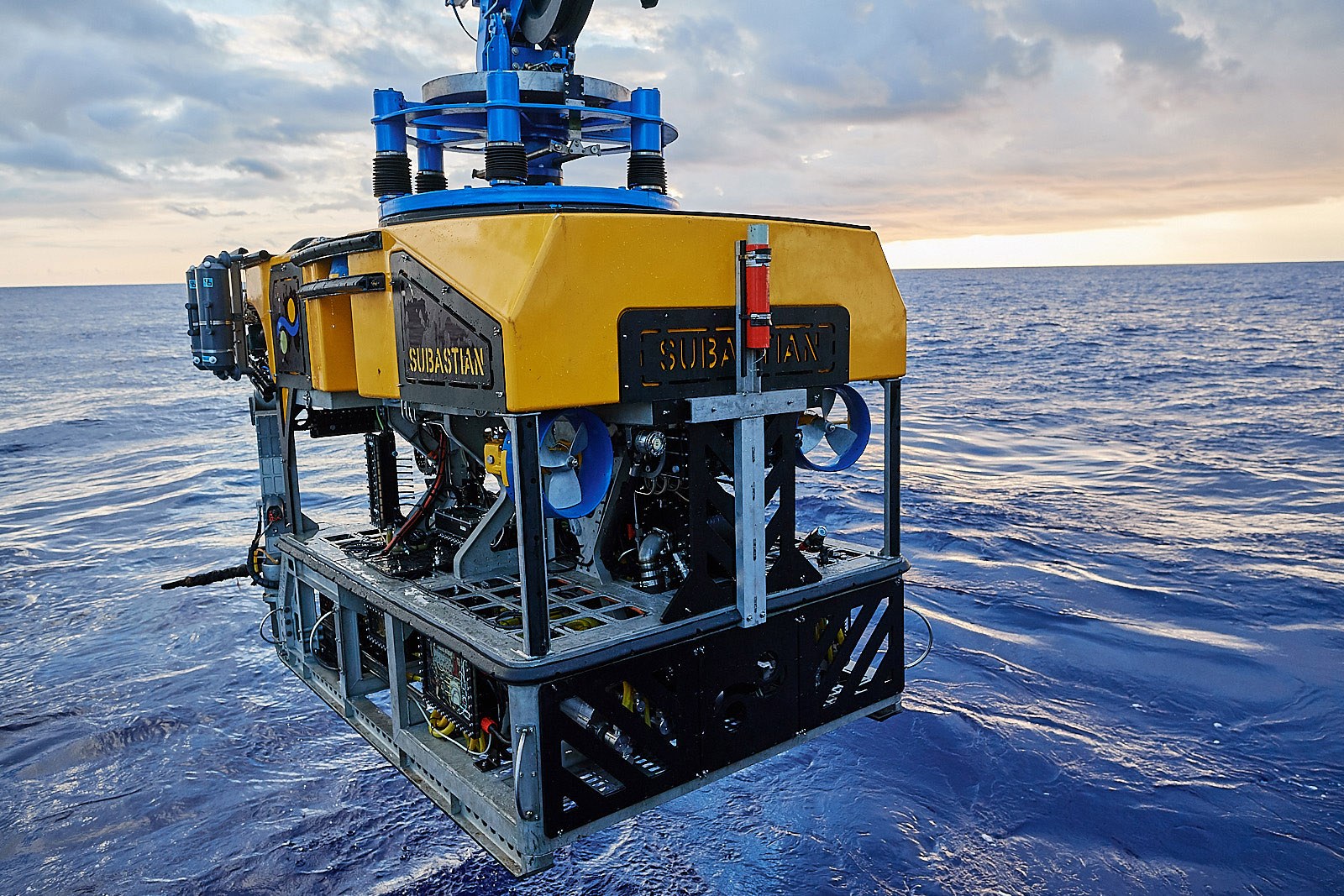
The new deep-sea species discovered 2026 list grew by 57 after scientists examined life from the Mar del Plata Submarine Canyon off Argentina. The tally includes 20 copepods, 22 echinoderms, 14 cnidarians and one scaphopod mollusc, with five proposed scientific genera among the material studied.
A workshop turned expedition imagery into taxonomy
The finds emerged from an international Species Discovery Workshop led by the Nippon Foundation–Nekton Ocean Census with the Schmidt Ocean Institute. ROV SuBastian supplied images from depths beyond ordinary diving, allowing specialists to compare anatomy across groups and decide which organisms may be new to science.
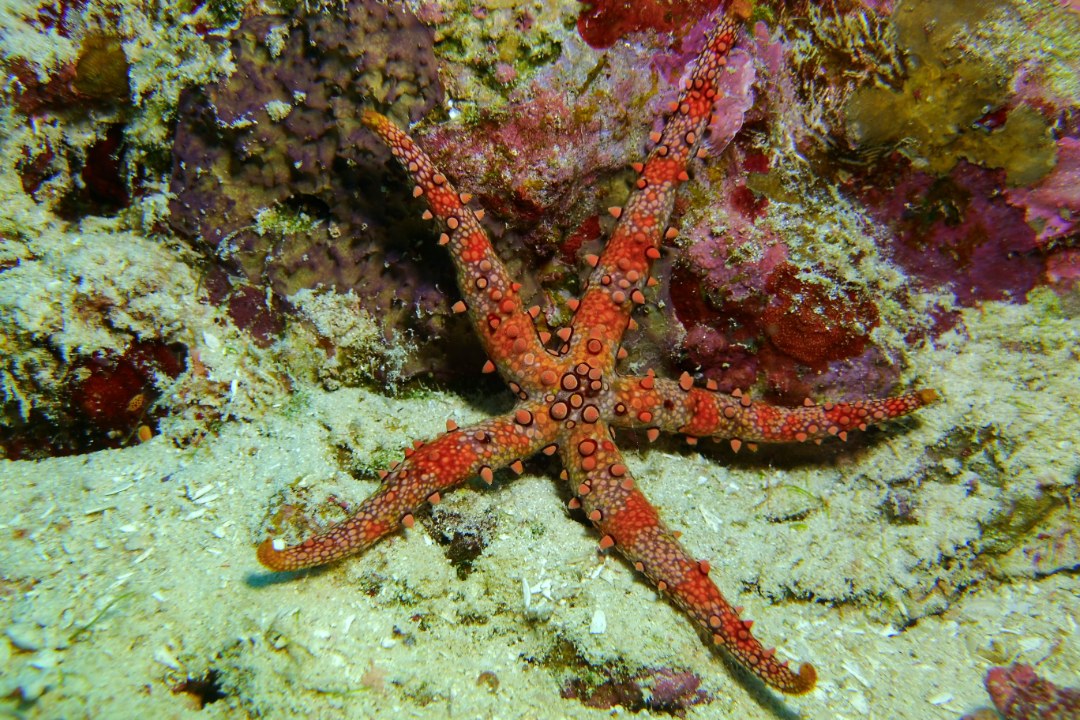
The most shareable animal is a vivid orange sea star whose rounded shape invited comparisons with Patrick Star from SpongeBob SquarePants. A deep-sea cucumber acquired the nickname Loki. Those names help the public notice the work, but formal descriptions require measurements, comparisons and peer review.
Why 57 species in one workshop matters
The deep ocean remains unevenly sampled, and broad claims that humanity maps other worlds better than its own seabed are often used to capture that gap. The careful point is not a literal competition between Mars and the Atlantic. It is that large areas of Earth’s deep seafloor still lack detailed biological inventories.
Taxonomy is infrastructure for conservation. Governments cannot reliably assess habitat loss, range or extinction risk for an organism that has not been distinguished from its relatives. A name connects observations across expeditions and makes later monitoring possible.
What the breakdown says about the canyon
The spread across copepods, echinoderms, cnidarians and a tusk-shell relative suggests a habitat supporting life at several scales. Copepods are tiny but central to marine food webs. Echinoderms such as sea stars and cucumbers process material on the seafloor. Cnidarians include animals built around stinging cells, from corals to anemone-like forms.
Submarine canyons move nutrients and sediment between continental shelves and the deep ocean. Their walls, currents and varied substrates create many microhabitats. That complexity makes them productive survey targets and potential conservation priorities.
A second discovery was waiting in a museum
Another new deep-sea animal reported this week did not require a live expedition. Researchers identified Bathynomus tuebingoborikensis, a 32.2-centimeter giant isopod, from a Puerto Rico museum specimen and published the work in Scientific Reports.
Museum collections preserve evidence that can be reexamined when techniques and comparative datasets improve. A specimen filed years ago may become a new species when a researcher notices diagnostic features or DNA separates it from a familiar name.

Who benefits from naming the unknown
Taxonomists gain material for formal descriptions. Argentina’s marine-science profile grows through a globally visible canyon. Conservation planners gain a more precise baseline. The broader public gains charismatic images, though the less photogenic copepods may tell scientists more about food-web structure.
The work also sharpens questions around deep-sea mining and other industrial activity. Discovery does not automatically dictate a policy outcome, but it improves the evidence available to regulators and communities weighing risk.
What still has to happen
“New to science” is the beginning of a process, not the end. Researchers must designate type specimens, document defining traits, compare related species and publish names under accepted rules. Some candidate species may be consolidated as analysis advances; others may reveal even more hidden diversity.
Ocean Census has set an ambitious long-term mission to accelerate description of marine life. Whether every headline species reaches formal status quickly will depend on scarce taxonomic expertise as much as submersible time.
What comes next
Future surveys can return to the canyon with targeted sampling based on SuBastian’s imagery. Genetic work can test how isolated the canyon’s populations are, while museum comparisons may connect new finds to overlooked specimens elsewhere.
The orange sea star is the memorable face of the discovery. The more consequential result is the breadth behind it: 57 candidates across four major groups, each one a reminder that the deep ocean is not empty space but a living archive still being read.
Related coverage
Sources
- New York Post — Mar del Plata workshop and species breakdown
- Phys.org — Puerto Rico giant isopod study
Reporting note: Figures and forward-looking statements are attributed to the cited reporting. Projections and allegations are not presented as completed findings.
Signal Post News analysis is independent and does not take a political, financial or competitive side.